
Senior Dog Blocked Nose Symptoms


Talking Clock

Orthopedic Pillow

Large Display Clock with Date
If your senior dog has a blocked nose, it’s more than just a stuffy nose—it could be a sign of infection, allergies, or even tumors. Recognizing the symptoms early and knowing when to see a vet can make a big difference in your dog’s comfort and recovery.
Key Takeaways
- Persistent nasal discharge in senior dogs—especially if thick, yellow, green, or bloody—often indicates infection or inflammation.
- Snoring or noisy breathing while awake or asleep may signal nasal blockage due to swelling, polyps, or foreign objects.
- Frequent sneezing or pawing at the face are common behavioral signs of nasal discomfort or irritation in older dogs.
- Loss of appetite or bad breath can result from reduced smell due to nasal congestion, affecting eating habits.
- Facial swelling or asymmetry may point to dental issues, tumors, or advanced infections requiring urgent veterinary care.
- Early veterinary evaluation is crucial—delaying treatment can lead to complications like pneumonia or chronic sinusitis.
- Home care and environmental adjustments can help manage mild symptoms, but should never replace professional diagnosis.
📑 Table of Contents
Understanding Senior Dog Blocked Nose Symptoms
As our beloved dogs age, their bodies go through many changes—just like humans. One issue that often gets overlooked is a blocked nose. While a stuffy nose might seem minor, in senior dogs, it can be a red flag for underlying health problems. Unlike puppies or younger dogs who might get a temporary cold, older dogs are more vulnerable to chronic conditions that affect their respiratory system.
A blocked nose in a senior dog isn’t just about congestion. It can interfere with their sense of smell—something that plays a huge role in their appetite, mood, and overall quality of life. Dogs rely heavily on scent to explore the world, recognize family members, and even detect danger. When their nose is blocked, they may become withdrawn, eat less, or seem confused. That’s why it’s so important for pet parents to pay close attention to any changes in breathing, discharge, or behavior.
This guide will walk you through the common symptoms of a blocked nose in senior dogs, what might be causing it, and how you can help your aging companion feel better. We’ll cover everything from simple home remedies to when it’s time to rush to the vet. Because when it comes to our furry friends, early detection and compassionate care can make all the difference.
Common Causes of Nasal Blockage in Senior Dogs
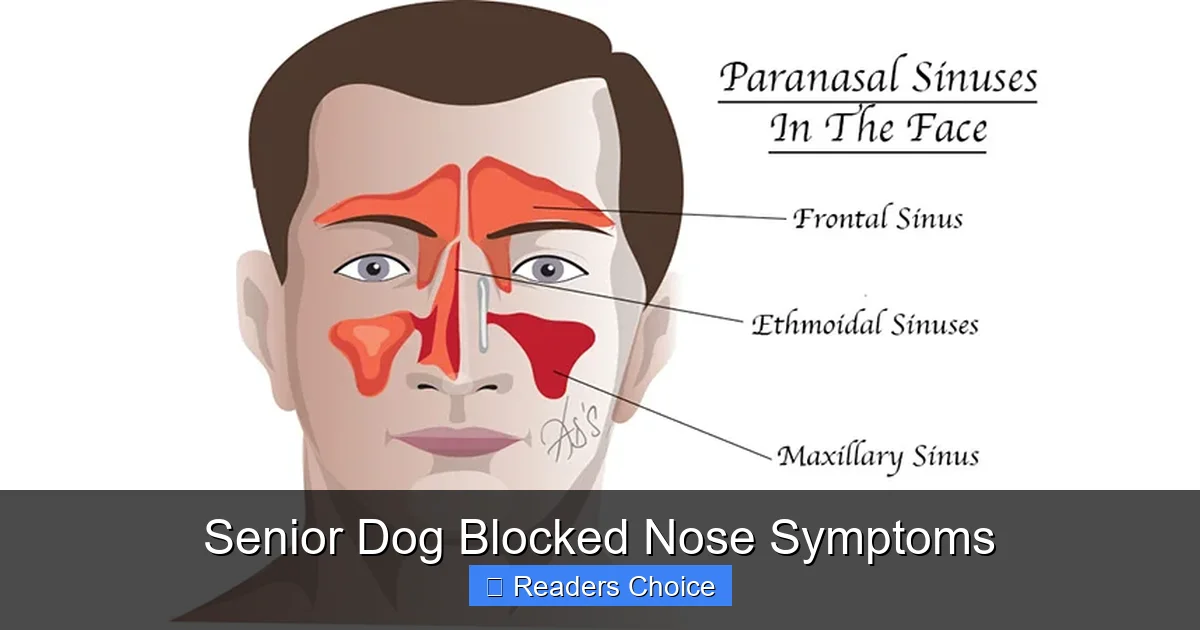
Visual guide about Senior Dog Blocked Nose Symptoms
Image source: londonentassociates.org
There are many reasons why a senior dog might develop a blocked nose. Some are temporary and treatable, while others require more serious intervention. Understanding the root cause is the first step toward helping your dog breathe easier.
Infections and Sinusitis
One of the most frequent causes of nasal blockage in older dogs is infection. Bacterial, viral, or fungal infections can inflame the nasal passages and sinuses, leading to swelling and mucus buildup. Fungal infections like aspergillosis are especially common in senior dogs with weakened immune systems. These infections often cause thick, discolored discharge—yellow, green, or even bloody—and may come with fever or lethargy.
For example, imagine your 12-year-old Labrador suddenly starts sneezing more than usual and has a runny nose that’s greenish in color. He’s also less interested in his favorite treats. This could be a sign of a sinus infection. Left untreated, these infections can spread to the brain or lungs, so prompt treatment with antibiotics or antifungal medication is essential.
Allergies and Environmental Irritants
Just like people, dogs can develop allergies as they age. Pollen, dust mites, mold, cleaning products, or even certain foods can trigger allergic reactions that cause nasal congestion. In senior dogs, these reactions may be more severe due to declining immune function.
You might notice your dog sneezing after vacuuming the house or when you light a scented candle. His nose might be runny with clear discharge, and he could rub his face against furniture or the carpet. While allergies aren’t usually life-threatening, they can be very uncomfortable. Using air purifiers, switching to hypoallergenic bedding, and avoiding strong chemicals can help reduce symptoms.
Nasal Polyps or Tumors
This is a more serious cause, but unfortunately, it’s not uncommon in older dogs. Nasal polyps are benign growths that can block airflow, while nasal tumors—both cancerous and non-cancerous—can grow in the nasal cavity and sinuses. These growths often cause one-sided nasal discharge, facial swelling, or even a visible deformity on the dog’s face.
For instance, if your 14-year-old Beagle starts favoring one nostril, has persistent nosebleeds, or seems to have a lump near his nose, it’s time to see a vet immediately. Diagnostic tools like X-rays, CT scans, or biopsies are often needed to confirm the presence of a tumor. While the diagnosis can be scary, early detection improves treatment options, which may include surgery, radiation, or chemotherapy.
Dental Disease and Tooth Root Abscesses
Believe it or not, dental problems can lead to nasal blockage. In senior dogs, infected teeth—especially the upper molars—can develop abscesses that drain into the nasal cavity. This creates a direct pathway for bacteria to enter the nose, causing chronic inflammation and discharge.
You might not see the problem at first, but signs like bad breath, drooling, or difficulty chewing could point to dental issues. Over time, the infection can erode bone and cause swelling around the nose. Regular dental checkups and cleanings are vital for older dogs to prevent this kind of complication.
Foreign Objects
Though more common in younger dogs, senior dogs can still inhale grass seeds, dirt, or small objects that get stuck in their nasal passages. These foreign bodies irritate the tissue, leading to sneezing, gagging, and one-sided nasal discharge.
If your dog suddenly starts pawing at his face after a walk in the park, check for signs of irritation. A vet can often remove the object with special tools, but if it’s been there a while, infection may have already set in.
Recognizing the Symptoms of a Blocked Nose

Visual guide about Senior Dog Blocked Nose Symptoms
Image source: drchoroomi.com.au
Spotting the signs early can help you get your dog the care he needs before the problem worsens. Here’s what to look for:
Nasal Discharge
One of the most obvious symptoms is nasal discharge. But not all discharge is the same. Clear, watery discharge might indicate allergies or a mild cold. Thick, yellow, or green mucus usually points to infection. If you see blood in the discharge—especially if it’s coming from just one nostril—this could signal a tumor, trauma, or severe infection.
Pay attention to the pattern. Is it constant or only when your dog is lying down? Does it worsen after eating or drinking? These details can help your vet make an accurate diagnosis.
Noisy or Difficult Breathing
If your dog is snoring more than usual—even when awake—it could mean his nasal passages are narrowed or blocked. You might hear whistling, snorting, or labored breathing sounds. In severe cases, your dog may breathe mostly through his mouth, which is a sign of significant congestion.
This is especially concerning in brachycephalic breeds like Pugs or Bulldogs, who already have narrow airways. A blocked nose can make breathing even harder for them, leading to distress or overheating.
Sneezing and Reverse Sneezing
Frequent sneezing is a natural reflex to clear the nasal passages, but if it’s persistent, it’s a sign something’s wrong. Reverse sneezing—where the dog inhales sharply through the nose—can also occur when the nasal lining is irritated.
While occasional reverse sneezing is normal, if it happens daily or lasts more than a few seconds, it’s worth mentioning to your vet.
Behavioral Changes
Because smell is so important to dogs, a blocked nose can affect their mood and behavior. Your once-energetic senior dog might become lethargic, lose interest in walks, or seem confused. He might also paw at his face, rub his nose on the floor, or tilt his head to one side in an attempt to clear the blockage.
These subtle changes are easy to miss, but they’re important clues that something isn’t right.
Loss of Appetite and Weight Loss
If your dog can’t smell his food, he may stop eating. This is especially true for senior dogs who already have a reduced appetite due to aging. Over time, this can lead to weight loss and weakness.
Try warming his food slightly to release more aroma, or switch to a stronger-smelling diet like wet food or broth. But if he continues to refuse meals, it’s time to see the vet.
Facial Swelling or Deformity
Swelling around the nose, eyes, or cheeks can indicate a serious issue like a tumor or abscess. You might notice asymmetry—one side of the face looks puffier than the other. In some cases, the eye on the affected side may appear sunken or watery.
This is a medical emergency and requires immediate veterinary attention.
When to See a Veterinarian
Visual guide about Senior Dog Blocked Nose Symptoms
Image source: medinformer.co.za
Not every stuffy nose needs an emergency trip to the clinic, but knowing when to seek help is crucial. Here’s a simple rule: if symptoms last more than 2–3 days, worsen, or are accompanied by other signs like fever, lethargy, or bleeding, it’s time to call the vet.
Red Flags That Require Immediate Care
- Nasal discharge with blood, especially from one nostril
- Difficulty breathing or open-mouth breathing
- Facial swelling or visible lumps
- Seizures or neurological symptoms (e.g., circling, head tilt)
- Refusal to eat or drink for more than 24 hours
- High fever (temperature over 103°F)
These signs could indicate a serious infection, tumor, or systemic illness. Don’t wait—early intervention can save your dog’s life.
What to Expect at the Vet Visit
Your vet will start with a physical exam, checking your dog’s nose, mouth, and throat. They may use an otoscope to look inside the nasal passages. Depending on the findings, they might recommend:
– Blood tests to check for infection or immune issues
– X-rays or CT scans to view the nasal cavity and sinuses
– Rhinoscopy (a camera inserted into the nose)
– Biopsy if a tumor is suspected
– Dental X-rays to rule out tooth-related problems
Treatment will depend on the diagnosis. For infections, antibiotics or antifungals are prescribed. For allergies, antihistamines or steroids may help. Tumors may require surgery, radiation, or chemotherapy. In some cases, hospitalization and IV fluids are needed.
Home Care and Management Tips
While professional care is essential, there are things you can do at home to keep your senior dog comfortable.
Keep the Air Moist
Dry air can worsen nasal congestion. Use a humidifier in the room where your dog spends most of his time. This adds moisture to the air, helping to loosen mucus and soothe irritated nasal passages.
Encourage Hydration
Make sure your dog drinks plenty of water. Dehydration thickens mucus, making it harder to clear. Offer fresh water frequently, or try adding low-sodium broth to his meals.
Warm Compresses
Gently applying a warm, damp cloth to your dog’s nose for a few minutes can help relieve discomfort and loosen dried discharge. Be careful not to press too hard.
Elevate the Food and Water Bowls
Raising your dog’s bowls to chest height can make eating and drinking easier if he’s having trouble breathing through his nose.
Limit Exposure to Irritants
Avoid smoking indoors, using strong perfumes, or spraying aerosols near your dog. Keep his bedding clean and wash it weekly in hypoallergenic detergent.
Monitor Symptoms Closely
Keep a journal of your dog’s symptoms—when they started, how often they occur, and any changes. This information can be very helpful for your vet.
Prevention and Long-Term Wellness
While you can’t prevent every cause of nasal blockage, there are steps you can take to support your senior dog’s overall health.
Regular Veterinary Checkups
Senior dogs should see the vet at least twice a year. These visits often include nasal and dental exams, which can catch problems early.
Dental Care
Brush your dog’s teeth regularly and schedule professional cleanings as recommended. Healthy teeth mean fewer infections that could spread to the nose.
Balanced Diet and Supplements
Feed a high-quality diet rich in antioxidants and omega-3 fatty acids to support immune function. Supplements like vitamin E and fish oil may also help reduce inflammation.
Vaccinations and Parasite Control
Keep your dog up to date on vaccines and use flea, tick, and heartworm preventatives. These reduce the risk of infections that could affect the respiratory system.
Stress Reduction
Stress weakens the immune system. Provide a calm, quiet environment, maintain a consistent routine, and offer plenty of love and reassurance.
Conclusion
A blocked nose in a senior dog is more than just a nuisance—it’s a signal that something deeper may be going on. Whether it’s an infection, allergy, dental issue, or something more serious like a tumor, early detection and treatment are key to your dog’s comfort and survival.
As a pet parent, your role is to stay observant, compassionate, and proactive. Watch for changes in breathing, discharge, appetite, and behavior. Don’t ignore symptoms that seem minor—what starts as a sniffle could become a major health issue if left untreated.
With the right care, many senior dogs with nasal blockages go on to live happy, comfortable lives. By combining professional veterinary care with loving home support, you can help your aging companion breathe easier and enjoy every moment by your side.
Frequently Asked Questions
Can a senior dog recover from a blocked nose?
Yes, many senior dogs recover well with proper treatment. The outcome depends on the underlying cause—infections often respond quickly to medication, while tumors may require more intensive care. Early diagnosis improves recovery chances.
Is nasal discharge always a sign of illness in older dogs?
Not always. Clear, occasional discharge can be normal, especially after sleeping. But persistent, colored, or bloody discharge usually indicates an infection, allergy, or other condition that needs attention.
Can I use human decongestants for my dog’s stuffy nose?
No, never give human medications to dogs without veterinary approval. Many decongestants are toxic to dogs and can cause serious side effects like seizures or heart problems.
How can I help my dog smell his food if his nose is blocked?
Warm his food slightly to release more aroma, or add low-sodium broth, wet food, or a small amount of tuna juice to enhance the scent and encourage eating.
Are certain breeds more prone to nasal blockages?
Yes, brachycephalic breeds like Pugs, Bulldogs, and Shih Tzus are more susceptible due to their narrow nasal passages. Senior dogs of any breed can develop blockages from infections or tumors.
Can allergies cause long-term nasal problems in senior dogs?
Yes, untreated allergies can lead to chronic inflammation, recurrent infections, and even structural changes in the nasal passages. Managing allergies with diet, environment, and medication can prevent long-term damage.
