
Senior Discount Apartments Your Guide to Mobility


Large Print Keyboard

Adjustable Walker with Wheels
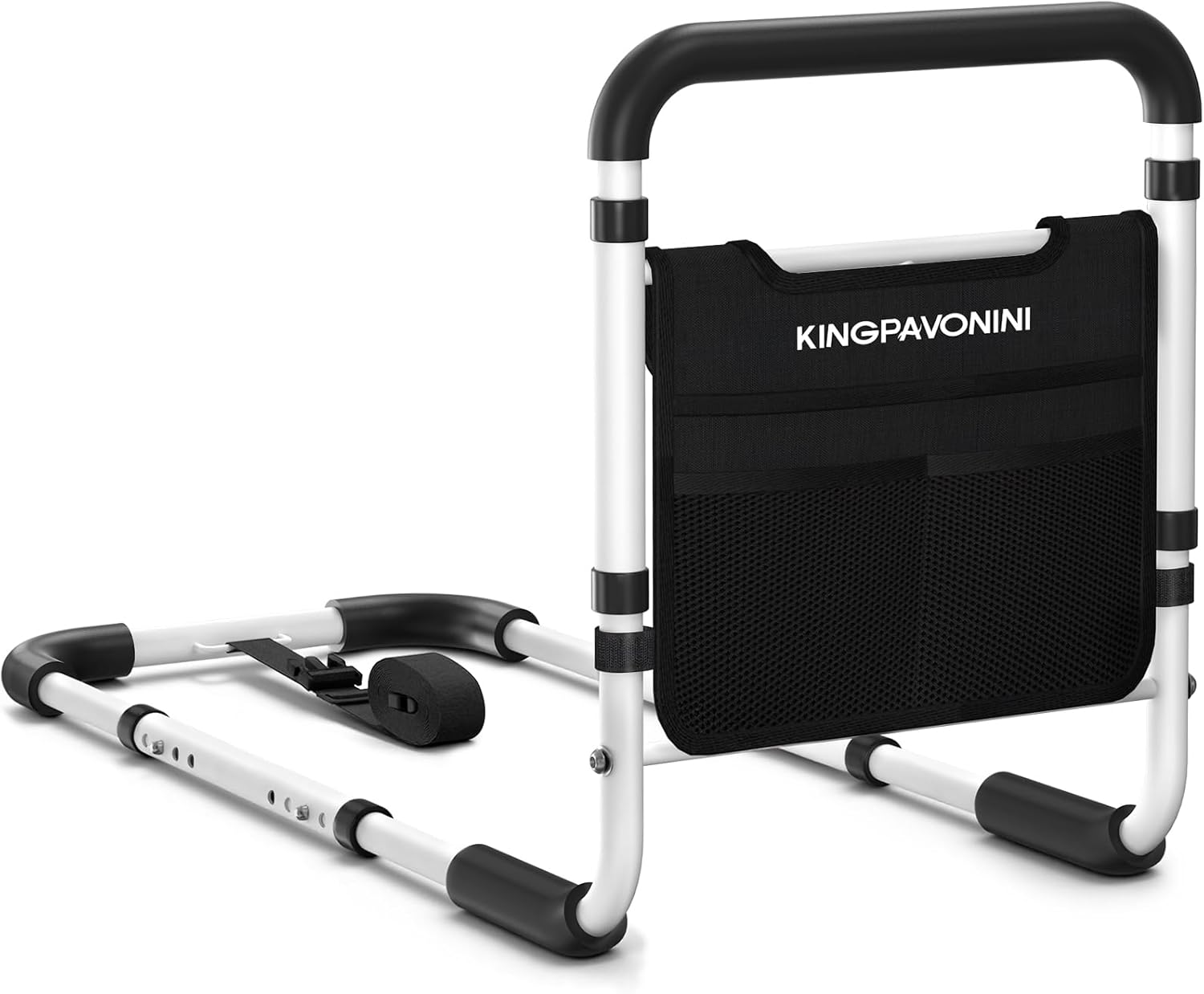
Bed Rail for Seniors
Senior discount apartments can significantly enhance mobility and independence through accessible design and convenient locations. Planning for safe transportation alternatives is key to maintaining an active lifestyle.
Senior discount apartments offer more than just affordable living; they can significantly enhance mobility and independence for older adults. These communities are often designed with accessibility in mind and are situated near essential services and transportation, making daily life easier and safer.
- Accessible Design: Look for senior apartments with features like single-story living, wide doorways, and accessible bathrooms.
- Location Matters: Apartments near essential services and public transit reduce reliance on personal vehicles.
- Transportation Planning: Explore local transit, ride-sharing, and community shuttles as safe, reliable alternatives to driving.
- Safety First: Be aware of changes in driving ability and consider professional evaluations for driving and.
Senior Discount Apartments: Enhancing Mobility and Independence
For many seniors, the decision to move into a senior discount apartment is a strategic choice to maintain their independence, improve their quality of life, and manage their budget. These specialized housing options focus on creating an environment where older adults can thrive, with a particular emphasis on supporting their mobility and access to necessary services. By choosing a senior discount apartment, individuals can often find themselves in a community that understands and caters to their evolving needs, fostering a sense of security and freedom.
Understanding Senior Discount Apartments and Their Mobility Benefits
Senior discount apartments are housing units specifically designed or designated for older adults, often providing rent or other cost reductions. The core benefit for mobility lies in their thoughtful design and strategic location. Many feature accessible layouts, such as single-story living, wider doorways, and grab bars in bathrooms, to make navigating the living space easier. Furthermore, these apartments are frequently located in areas with convenient access to public transportation, medical facilities, shopping centers, and social activities. This proximity reduces the need for long or difficult journeys, making it simpler for seniors to remain active and engaged in their communities without relying heavily on personal vehicles.
Assessing Your Mobility Needs for Apartment Living
Before making a move to a senior discount apartment, it’s crucial to honestly assess your current mobility and anticipate future needs. This self-evaluation helps ensure the chosen living space truly supports your independence and safety. Consider how you navigate your current home, what challenges you face, and what features would make daily tasks simpler and more secure.
A Quick Safety Checklist for Senior Apartment Living
Ensuring your living space is safe and accessible is paramount. A quick review of your potential new apartment and its surroundings can highlight potential mobility barriers or safety enhancements.
- Entryways: Are there stairs or ramps at all entrances? Are doorways wide enough for walkers or wheelchairs?
- Flooring: Are floors level and free of trip hazards like thick rugs or uneven surfaces?
- Lighting: Is there adequate lighting in all rooms, hallways, and entryways, especially at night?
- Bathrooms: Are there grab bars in the shower/tub and near the toilet? Is there a step-in shower or a tub with an accessible entry?
- Kitchen: Are countertops and cabinets at a comfortable height? Can you easily reach essential items?
- Closets and Storage: Are shelves and hanging rods at accessible heights?
- Around the Apartment: Are sidewalks and pathways well-maintained and free of obstacles? Is there accessible parking nearby?
- Emergency Features: Are there accessible emergency pull cords or communication systems?
Practical Examples: Features that Support Senior Mobility
Certain apartment features directly translate into greater ease and safety for seniors. Recognizing these can help you find a home that truly supports your lifestyle.
- Single-Story Living: Eliminates the need to navigate stairs within the unit.
- Wider Doorways and Hallways: Accommodates walkers, wheelchairs, and mobility aids comfortably.
- Accessible Bathrooms: Features like walk-in showers, built-in grab bars, and raised toilet seats significantly reduce fall risks.
- Lever-Style Faucets and Door Handles: Easier to operate for those with arthritis or reduced grip strength.
- Lowered Countertops and Shelving: Ensures items are within easy reach without excessive stretching or bending.
- Proximity to Services: Being close to grocery stores, pharmacies, and doctors’ offices minimizes travel time and effort.
- On-site Amenities: Features like community rooms, fitness centers, or salon services reduce the need to travel for activities.
Navigating Transportation Options from Your Senior Discount Apartment
Moving to a senior discount apartment can be a catalyst for re-evaluating transportation habits. The goal is to ensure you can still get where you need to go, whether it’s for appointments, errands, or social visits, without compromising safety or independence.
Beyond the Apartment: Exploring Accessible Transportation Services
Senior discount apartments are often situated to take advantage of existing transportation networks. This can include easy access to bus routes, light rail stations, or designated drop-off points for ride-sharing services. Many communities also offer shuttle services for residents to local shopping centers or medical facilities. Don’t hesitate to ask management about available transportation resources or partnerships with local transit providers. Exploring these options proactively ensures you have reliable ways to get around, even if personal driving becomes less frequent or stops altogether.
Common Mistakes to Avoid When Planning Transportation
When planning for transportation from your new apartment, it’s easy to overlook potential challenges. Being aware of common pitfalls can help you create a more robust and reliable plan.
- Research local public transit: Understand routes, schedules, and accessibility features.
- Investigate community senior transport: Many towns offer specialized van services.
- Explore ride-sharing apps: Services like Uber and Lyft can be convenient.
- Consider medical transport: For appointments, verify if insurance covers it.
- Plan ahead for reservations: Book services in advance, especially for popular times.
- Overestimating driving ability: Don’t assume you can drive indefinitely without issues.
- Not budgeting for alternatives: Factor in costs for ride services or public transit passes.
- Ignoring weather impacts: Have backup plans for days when driving is unsafe.
- Delaying conversations about driving: Address concerns early with family or doctors.
- Assuming services are always available: Popular times or remote areas may have limited options.
Warning Signs: When Driving May No Longer Be the Safest Option
The decision to adjust driving habits is deeply personal. Recognizing subtle changes in driving ability is a sign of self-awareness and a commitment to safety for yourself and others. It’s about maintaining independence for as long as possible, safely.
Recognizing Changes in Driving Ability
As we age, our vision, reaction times, and cognitive abilities can change. These shifts can manifest in ways that affect driving safety. Look for common signs such as:
- Increased difficulty seeing at night or in bad weather.
- More frequent “near misses” or minor fender benders.
- Trouble staying in the lane or drifting.
- Missing traffic signs or signals.
- Feeling overwhelmed or anxious while driving, especially in heavy traffic or complex intersections.
- Taking longer to react to sudden events on the road.
- Difficulty judging distances or speeds.
These are not judgments, but observations that can help you make informed decisions about your driving. If you notice any of these, it’s wise to consider discussing them further.
The Role of Family and Caregiver Conversations
Talking about driving concerns can be emotionally challenging. Approaching these conversations with empathy and focusing on safety and continued independence is key. It’s often helpful to frame it as a shared concern for well-being, rather than a criticism of ability.
Understanding Local Rules and Accessibility Resources
Living in a senior discount apartment means you’re part of a local community, and understanding its resources is vital for maintaining mobility and independence. Local support systems can fill gaps and offer convenient solutions.
Investigating Local Transportation and Accessibility Support
Every community offers different levels of support for seniors. Researching what’s available near your apartment is a crucial step in planning your transportation strategy. This includes understanding public transit options, community-based programs, and even private services.
Contact your local Area Agency on Aging, senior center, or city hall. They can provide information on accessible public transportation, subsidized ride programs, volunteer driver services, and community shuttles specifically for seniors. Websites for your state’s Department of Transportation or Department of Motor Vehicles may also list resources.
When to Seek Professional Evaluation for Mobility and Driving
Sometimes, self-assessment or family conversations aren’t enough. Professional evaluations provide objective insights into driving capabilities and overall mobility, offering clear guidance for the future.
Guidance on Consulting Experts for Mobility Assessments
If there are concerns about driving safety, or if you’re experiencing significant mobility challenges that impact your daily life, seeking professional help is a wise step. These experts can offer personalized recommendations and strategies.
Consider consulting a doctor, who can assess overall health and cognitive function. An occupational therapist, particularly one certified as a Driver Rehabilitation Specialist (CDRS), can conduct a comprehensive driving evaluation. They can assess vision, physical abilities, and cognitive skills related to driving, and recommend adaptive equipment or training if needed. Your local DMV or licensing agency can also provide information on state-specific driving assessment requirements.
Embracing Mobility Alternatives for a Fulfilling Lifestyle
As driving needs change, a world of alternative transportation and mobility solutions opens up. Embracing these options can lead to a more connected and active lifestyle, ensuring you can continue to enjoy your community and engage in activities you love.
Exploring a Spectrum of Mobility Solutions
Many seniors find that a combination of transportation alternatives meets their needs effectively. The key is to explore what works best for your routine and preferences.
- Public Transportation: Buses, trains, and subways offer affordable travel.
- Ride-Sharing Services: Apps like Uber and Lyft provide on-demand rides.
- Community Shuttles: Many senior centers and apartment complexes offer local transport.
- Volunteer Driver Programs: Local non-profits often have drivers for appointments and errands.
- Taxis: A traditional option for convenient point-to-point travel.
- Walking and Cycling: For short distances, staying active is beneficial.
- Family and Friends: Regular rides from loved ones can be a reliable support.
- Cost: Some alternatives can become expensive if used frequently.
- Availability: Services may be limited in rural areas or during peak times.
- Planning: Many options require advance booking.
- Technology: Some services rely on smartphones or internet access.
Recap: Maximizing Independence with Senior Discount Apartments and Mobility
Senior discount apartments offer a fantastic foundation for maintaining independence and a high quality of life. By focusing on the specific mobility needs within your living space and proactively planning for reliable transportation, you can continue to live a full, engaged, and secure life. Remember, prioritizing safety and exploring available resources are key to ensuring your mobility goals are met, whether you’re driving or utilizing other convenient options.
Frequently Asked Questions
Senior discount apartments are housing options specifically for older adults, often offering reduced costs. They are frequently designed with accessibility in mind and may be located in areas convenient for seniors.
These apartments often have features like single-story layouts and wider doorways that make movement easier. Their proximity to services and transportation reduces the need for extensive travel, supporting independence.
Key features include grab bars in bathrooms, non-slip flooring, good lighting, and easy-to-use fixtures. Ensure doorways and hallways are wide enough for walkers or wheelchairs.
Residents often benefit from proximity to public transport, community shuttle services, and nearby ride-sharing pickup points. Management may also have information on local senior transportation programs.
Seek professional advice if you notice consistent issues like difficulty seeing at night, increased errors while driving, or feeling anxious behind the wheel. A doctor or a certified driver rehabilitation specialist can help.
Excellent alternatives include public transit, ride-sharing services, community shuttles, taxis, and rides from family or friends. Many communities also offer volunteer driver programs.