
Senior Day Care Center Business Plan


Large Button TV Remote

Orthopedic Pillow
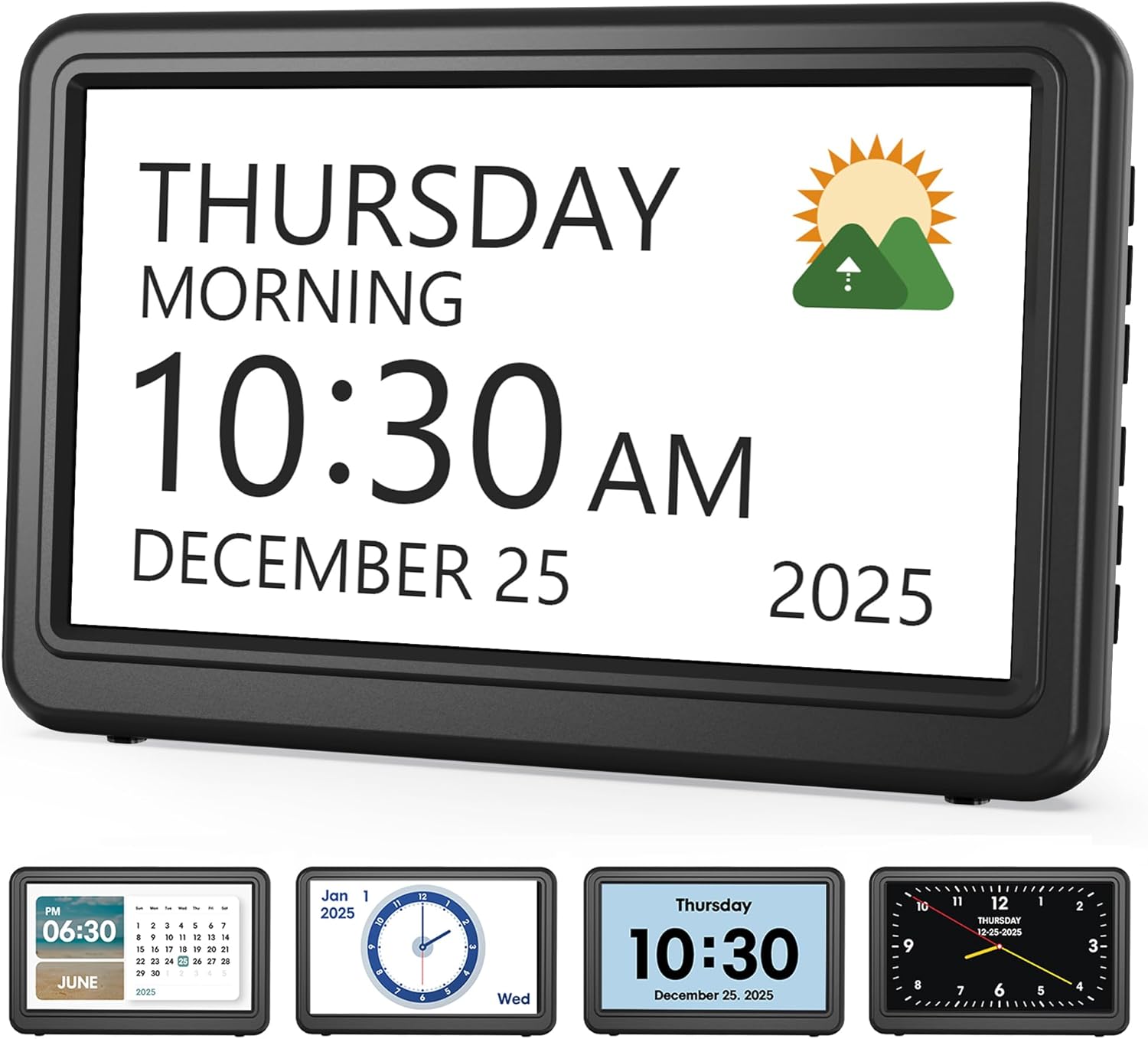
Medication Reminder Alarm
Starting a senior day care center is a meaningful and profitable venture that meets a growing need in aging communities. A solid business plan ensures sustainability, quality care, and regulatory compliance while supporting seniors’ health and social well-being.
This is a comprehensive guide about senior day care center business plan.
Key Takeaways
- Market Demand is Rising: With the aging population growing rapidly, the need for senior day care services is higher than ever, especially in urban and suburban areas.
- Comprehensive Planning is Essential: A detailed business plan covers operations, staffing, funding, and programming to ensure long-term success and regulatory compliance.
- Location and Safety Matter: Choosing an accessible, safe, and welcoming facility is critical for both seniors and their families.
- Staff Training Builds Trust: Hiring compassionate, trained professionals in elder care, first aid, and dementia support enhances service quality and client confidence.
- Diverse Programming Boosts Engagement: Offering activities like arts, fitness, and cognitive games keeps seniors active, mentally sharp, and socially connected.
- Funding and Pricing Models Vary: Explore private pay, insurance reimbursements, and government grants to create a sustainable financial structure.
- Marketing Builds Community Trust: Partnering with healthcare providers and using local outreach helps attract families seeking reliable care options.
[FEATURED_IMAGE_PLACEHOLDER]
Introduction: Why Start a Senior Day Care Center?
Imagine a place where older adults can spend their days feeling valued, engaged, and safe—while their families gain peace of mind knowing their loved ones are in good hands. That’s the heart of a senior day care center. These centers provide supervised care, social activities, meals, and health support during daytime hours, offering a vital alternative to full-time residential care.
The need for such services is growing fast. According to the U.S. Census Bureau, by 2030, one in five Americans will be 65 or older. Many of these seniors live alone or with aging spouses who may not be able to provide full-time care. At the same time, adult children often juggle work and family responsibilities, making it hard to offer consistent support. A senior day care center fills this gap, offering structured care without requiring families to place their loved ones in a nursing home.
But starting this kind of business isn’t just about compassion—it’s also a smart business move. With proper planning, a senior day care center can be both financially sustainable and deeply rewarding. However, success depends on more than good intentions. You need a solid senior day care center business plan that covers everything from staffing and safety to marketing and funding.
Understanding the Senior Day Care Industry
Before diving into your business plan, it’s important to understand the landscape of senior care. Senior day care centers fall under the broader category of adult day services, which also includes medical and social models. The social model focuses on companionship, recreation, and light supervision, while the medical model includes health monitoring, therapy, and medication management.
Most new centers start with the social model because it requires fewer medical licenses and lower startup costs. However, over time, you may choose to expand into medical services to meet more complex needs.
The industry is regulated at both state and local levels. Licensing requirements vary, but most states require background checks, staff training, facility inspections, and adherence to safety standards. Some states also require certification from organizations like the National Adult Day Services Association (NADSA).
One of the biggest trends in senior care is the shift toward person-centered services. This means tailoring activities and care to individual preferences, abilities, and life stories. For example, a former teacher might enjoy leading a book club, while a retired musician could lead sing-alongs. This approach improves satisfaction and mental well-being.
Another trend is the integration of technology. Many centers now use digital check-in systems, telehealth consultations, and apps to communicate with families. These tools improve efficiency and transparency.
Who Uses Senior Day Care Centers?
The typical client is an older adult who lives at home but needs supervision during the day. Many have mild cognitive impairment, mobility issues, or chronic conditions like diabetes or heart disease. Some may be recovering from surgery or managing early-stage dementia.
Families often use these services to give caregivers a break—whether it’s a spouse, adult child, or professional caregiver. Others use day care as a trial run before considering assisted living.
Benefits for Seniors and Families
For seniors, day care centers offer:
– Social interaction to reduce loneliness
– Mental stimulation through activities
– Physical activity to maintain mobility
– Nutritious meals and hydration
– Supervision for safety
For families, the benefits include:
– Reduced caregiver stress and burnout
– Flexibility to work or attend to other responsibilities
– Peace of mind knowing their loved one is safe
– Access to professional support and resources
Creating Your Senior Day Care Center Business Plan
A strong business plan is your roadmap to success. It helps you clarify your vision, secure funding, and stay on track as you grow. Your senior day care center business plan should be clear, realistic, and tailored to your community’s needs.
Start with an executive summary that outlines your mission, services, target market, and financial goals. Even though it appears first, write this section last—it’s a snapshot of your entire plan.
Next, define your business structure. Will you operate as a nonprofit, LLC, or corporation? Each has different tax and liability implications. Most new centers start as LLCs for liability protection and flexibility.
Mission and Vision Statements
Your mission statement explains why your center exists. For example:
“To provide compassionate, engaging daytime care that enhances the quality of life for older adults and supports their families.”
Your vision statement describes your long-term goal:
“To become the trusted senior day care provider in our community, known for excellence in care and innovation in programming.”
These statements guide your decisions and help communicate your values to staff, families, and funders.
Services Offered
List the core services your center will provide. Common offerings include:
– Supervised daytime care (typically 7 a.m. to 6 p.m.)
– Nutritious meals and snacks
– Recreational and therapeutic activities
– Health monitoring (e.g., blood pressure checks)
– Transportation services (optional but valuable)
– Family support and education
You can also offer add-on services like:
– Physical or occupational therapy
– Memory care programs
– Pet therapy or music therapy
– Intergenerational activities with local schools
Start with a solid foundation and expand based on demand and feedback.
Target Market and Location
Identify your ideal clients. Are you serving seniors with dementia? Those recovering from stroke? Independent seniors looking for socialization?
Consider demographics like age, income, health status, and location. For example, a center near a retirement community may attract more independent seniors, while one near a hospital may serve post-rehab patients.
Location is critical. Choose a facility that is:
– Easily accessible by car and public transit
– On the ground floor or has an elevator
– Has wide doorways and accessible restrooms
– Located in a safe, quiet neighborhood
– Close to medical offices or pharmacies
A former church hall, community center, or small office building can be ideal with proper renovations.
Staffing and Operations
Your staff are the heart of your center. Hiring the right people ensures quality care and builds trust with families.
Key Staff Roles
At minimum, you’ll need:
– A center director to manage operations
– Caregivers or activity coordinators to work directly with seniors
– A cook or meal coordinator
– A part-time nurse or health aide (if offering medical services)
– Administrative support for scheduling and billing
For a small center, one or two people may wear multiple hats. As you grow, you can add specialists like therapists or social workers.
Hiring and Training
Look for candidates with experience in elder care, healthcare, or education. Compassion, patience, and strong communication skills are essential.
All staff should undergo:
– Background checks
– CPR and first aid certification
– Dementia care training
– Infection control procedures
– Emergency response drills
Ongoing training keeps skills sharp and ensures compliance with regulations. Consider partnering with local colleges or healthcare organizations for training resources.
Daily Operations
A typical day might include:
– 8:00 a.m.: Arrival and health check-in
– 9:00 a.m.: Breakfast and social time
– 10:00 a.m.: Group activity (e.g., art, music, or exercise)
– 12:00 p.m.: Lunch
– 1:00 p.m.: Rest or quiet time
– 2:00 p.m.: Cognitive game or outing
– 4:00 p.m.: Snack and family pickup
Use a digital scheduling system to track attendance, medications, and preferences. Keep detailed records for safety and billing.
Safety and Emergency Preparedness
Safety is non-negotiable. Your facility should have:
– Fire alarms and extinguishers
– Clearly marked exits
– Non-slip flooring
– Secure storage for medications
– A first aid kit and emergency contact list
Develop an emergency plan for fires, medical crises, power outages, and severe weather. Train staff regularly and post procedures visibly.
Financial Planning and Funding
A realistic financial plan is essential for sustainability. Your senior day care center business plan must include startup costs, operating expenses, revenue streams, and a break-even analysis.
Startup Costs
Initial expenses may include:
– Lease or purchase of facility: $50,000–$200,000+
– Renovations and accessibility upgrades: $20,000–$100,000
– Furniture and equipment (tables, chairs, activity supplies): $10,000–$30,000
– Kitchen appliances and dining supplies: $5,000–$15,000
– Technology (computers, software, Wi-Fi): $3,000–$10,000
– Licensing and legal fees: $2,000–$5,000
– Insurance (liability, property, workers’ comp): $5,000–$15,000/year
– Marketing and website: $2,000–$8,000
Total startup costs can range from $100,000 to $400,000, depending on location and scale.
Ongoing Operating Expenses
Monthly costs typically include:
– Rent or mortgage: $3,000–$10,000
– Staff salaries: $15,000–$40,000
– Utilities and maintenance: $1,000–$3,000
– Food and supplies: $2,000–$5,000
– Insurance and licenses: $500–$1,500
– Marketing and admin: $500–$2,000
Revenue Streams
Most centers rely on a mix of funding sources:
– Private pay: Families pay out-of-pocket, typically $50–$150 per day
– Insurance: Some Medicare Advantage plans and long-term care insurance cover day care
– Government programs: Medicaid waivers or Veterans Affairs benefits may reimburse services
– Grants: Foundations and nonprofits often fund senior programs
– Donations and fundraising: Especially useful for nonprofit models
Set your pricing based on local rates, your costs, and the value you provide. Offer sliding scale fees or scholarships to improve accessibility.
Break-Even Analysis
To break even, calculate how many clients you need to cover costs. For example, if your monthly expenses are $30,000 and you charge $100 per day, you need 300 client-days per month. If your center holds 20 clients per day, you’d need full enrollment 15 days a month.
Most centers aim for 70–80% capacity to allow for fluctuations and growth.
Marketing and Community Outreach
Even the best center won’t succeed without clients. A strong marketing plan builds awareness and trust.
Branding and Messaging
Create a warm, professional brand that reflects care and reliability. Use calming colors, clear fonts, and photos of smiling seniors. Your website and brochures should emphasize safety, engagement, and family support.
Targeted Outreach
Reach families through:
– Partnerships with doctors, hospitals, and rehab centers
– Presentations at senior centers and churches
– Local newspapers and radio stations
– Social media (Facebook is especially effective for this audience)
– Referral programs for current clients
Open Houses and Tours
Host monthly open houses where families can tour the facility, meet staff, and ask questions. Offer free trial days to reduce hesitation.
Online Presence
Build a simple, mobile-friendly website with:
– Service descriptions
– Staff bios
– Testimonials
– Contact form and phone number
– Blog with care tips and updates
List your center on directories like NADSA, A Place for Mom, and Google Business.
Legal and Regulatory Compliance
Compliance protects your business and your clients. Work with a healthcare attorney to navigate regulations.
Licensing and Certification
Check your state’s requirements. Most states require:
– Facility inspection for safety and accessibility
– Staff background checks
– Health and fire department approvals
– Proof of insurance
Some states require certification from NADSA or similar bodies.
Insurance Coverage
Essential policies include:
– General liability insurance
– Professional liability (errors and omissions)
– Property insurance
– Workers’ compensation
– Cyber liability (if using digital records)
Privacy and Data Security
Follow HIPAA guidelines to protect health information. Use secure software for records and limit access to authorized staff.
Conclusion: Building a Lasting Impact
Starting a senior day care center is more than a business—it’s a mission to improve lives. With a thoughtful senior day care center business plan, you can create a safe, joyful environment where older adults thrive and families find relief.
Success comes from combining compassion with professionalism. Focus on quality care, strong operations, and community relationships. Stay flexible, listen to feedback, and adapt as needs evolve.
The demand for senior services will only grow in the coming years. By launching your center now, you’re not just building a business—you’re helping to shape a more caring, supportive future for aging Americans.
Frequently Asked Questions
What is a senior day care center?
A senior day care center provides supervised care, meals, activities, and socialization for older adults during daytime hours. It supports seniors who live at home and gives caregivers a break.
How much does it cost to start a senior day care center?
Startup costs typically range from $100,000 to $400,000, depending on location, facility size, and services offered. Major expenses include rent, renovations, staffing, and equipment.
Do I need a medical license to operate a senior day care center?
Most social model centers do not require a medical license, but you must follow state regulations for safety, staffing, and facility standards. Medical services may require additional certifications.
How do I find clients for my senior day care center?
Partner with healthcare providers, attend senior events, use social media, and host open houses. Word-of-mouth referrals from satisfied families are also powerful.
Can senior day care centers be profitable?
Yes, with proper planning and consistent enrollment, many centers achieve profitability within 1–3 years. Diversifying revenue streams like private pay, insurance, and grants helps ensure sustainability.
What activities should I offer at a senior day care center?
Offer a mix of physical, cognitive, and social activities such as chair yoga, puzzles, music therapy, arts and crafts, and group discussions. Tailor programs to individual interests and abilities.
