
Top Senior Assistance Programs at Home for Comfort


Reacher Grabber Tool

Fall Detection Smart Watch
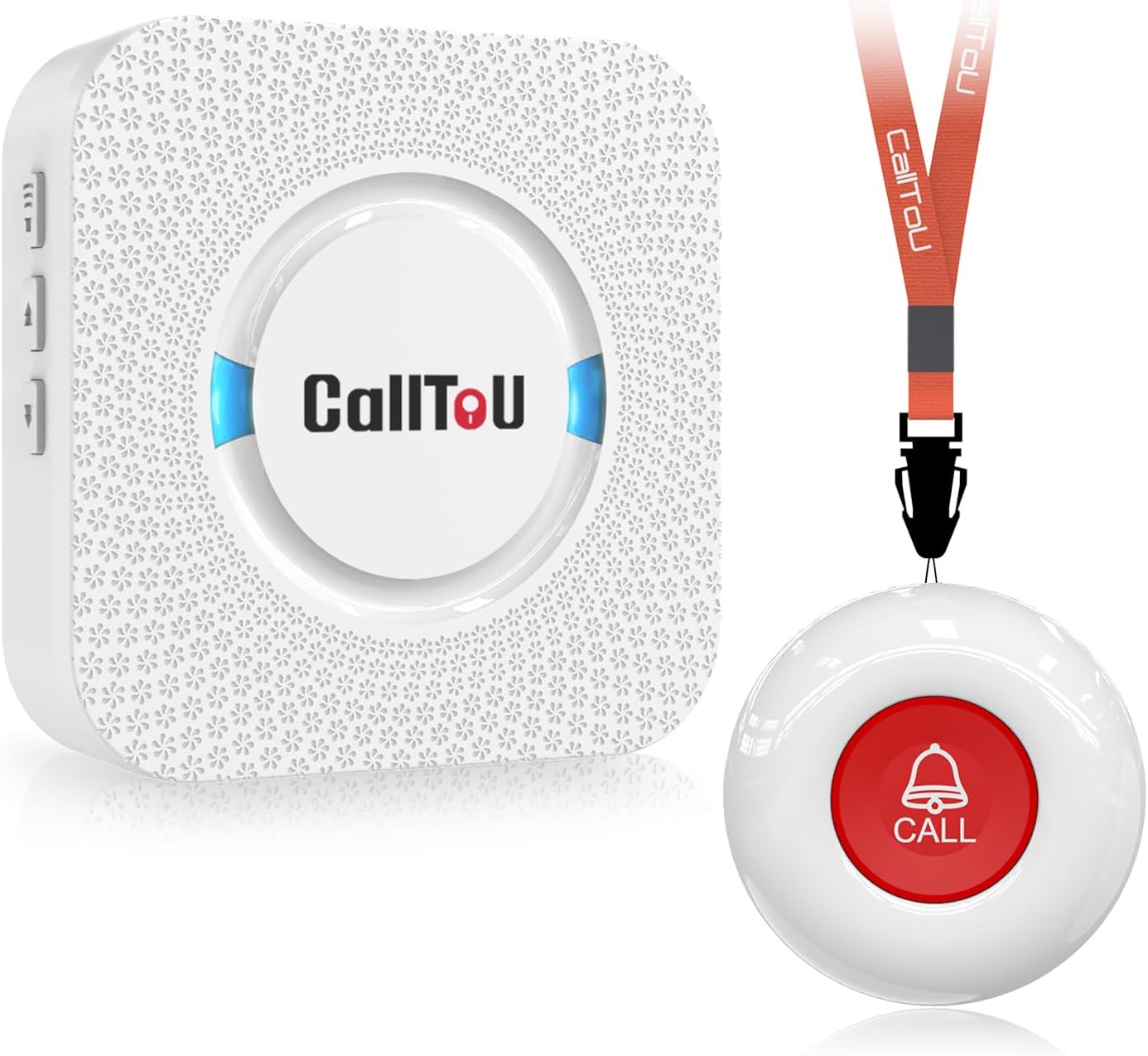
Medical Alert System
Senior assistance programs at home help older adults stay safe and comfortable by adding support with daily tasks, companionship, and monitoring. The best option depends on care needs, budget, and whether the person can still age in place safely.
As more older adults choose to age in place, senior assistance programs at home have become an important way to stay safe, comfortable, and independent. These programs can help with daily tasks, reduce stress for family caregivers, and support seniors who need a little extra help without moving out of the home they love.
Because every situation is different, the best program depends on the person’s health, routine, budget, and support network. If you are comparing options, it helps to think about care needs first and insurance or payment sources second. When health concerns are involved, always talk to your doctor or consult your pharmacist/healthcare provider about what level of help is appropriate.
- Daily support: Help can include meals, bathing, dressing, rides, and reminders.
- Coverage varies: Medicare, Medicaid, VA, and local programs all have different rules.
- Fit matters: Training, reliability, and caregiver match are as important as price.
- Watch for red flags: Falls, confusion, missed meds, and burnout need prompt attention.
What Senior Assistance Programs at Home Cover in 2026
Home-based senior support now includes far more than basic housekeeping. Many programs combine practical help, safety support, and social connection so older adults can remain at home with less risk and more confidence.
Daily living support, personal care, companionship, and safety monitoring
Most programs are built around activities of daily living, which means the basic tasks many people need help with as they age. That can include bathing, dressing, grooming, light meal prep, laundry, and help moving safely around the house.
Some services also include companionship, which matters more than many families expect. A friendly caregiver can provide conversation, watch for changes in mood or memory, and help reduce loneliness. Others add safety monitoring through check-ins, fall alerts, or emergency response devices.
If a loved one seems “mostly fine” but is skipping meals, forgetting appointments, or struggling with stairs, those small changes may be early signs that home support would help.
How home-based assistance differs from assisted living and skilled nursing
Home assistance is usually non-medical support. It is designed to help with daily life, not to replace hospital care or round-the-clock nursing care. Assisted living typically offers housing plus services in a shared community, while skilled nursing provides more medical oversight and rehabilitation.
The right choice depends on how much help is needed. A person who only needs meal support and transportation may do well at home. Someone with repeated falls, major confusion, or complex medical needs may need a higher level of care. If you are unsure, talk to your doctor or a social worker before making a decision.
Home care services vary by state, agency, and program type. What is included in one area may not be available in another.
Who Benefits Most from Senior Assistance Programs at Home
These programs are not only for people with advanced health problems. In many households, a small amount of help at the right time can prevent bigger problems later.
Older adults aging in place with mild to moderate mobility limits
Seniors who can still live independently but move more slowly, tire easily, or have trouble with bending, lifting, or stairs often benefit from home assistance. A few hours of help each week can make daily life easier and safer.
This may be especially useful after a spouse passes away, after a move, or when household tasks start feeling overwhelming. Support can be adjusted over time as needs change.
Family caregivers needing respite, backup help, or specialized support
Family caregivers do a great deal, but they cannot do everything forever. Senior assistance programs at home can provide respite care, which gives caregivers time to rest, work, run errands, or simply recover.
Some families also need backup help when the main caregiver travels, gets sick, or has work obligations. In those cases, a reliable home care plan can keep routines steady and reduce stress for everyone involved.
Seniors managing dementia, recovery after hospitalization, or chronic conditions
People living with dementia may need reminders, supervision, and a calm routine to stay safe at home. Others may need temporary support after surgery, a fall, or a hospital stay while strength returns.
Chronic conditions such as arthritis, heart disease, or diabetes can also make daily tasks harder. Home assistance may help with meals, transportation, and routine monitoring, but it should always be matched to the person’s medical advice and care plan.
Top Types of Senior Assistance Programs at Home
There is no single version of home support. The best option often combines several services, depending on what the senior needs most.
In-home personal care aides and homemaker services
Personal care aides help with hands-on daily tasks such as bathing, dressing, toileting, and walking support. Homemaker services usually focus more on light housekeeping, laundry, and meal preparation.
Some agencies offer both in one plan. That can be helpful when a senior needs practical support but does not need medical care. Still, it is important to understand the limits of each role before enrolling.
Meal support, transportation help, and medication reminders
Many seniors need help with the “in-between” tasks that keep life running smoothly. Meal support can mean grocery help, food preparation, or delivered meals. Transportation support can help with doctor visits, pharmacy trips, or community activities.
Medication reminders are another common service, but they are not the same as medical management. A caregiver may remind a person to take medicine, yet the senior or family should still consult a pharmacist/healthcare provider about interactions, timing, and safety concerns.
Telehealth, remote monitoring, and emergency response options
Technology now plays a bigger role in home care. Telehealth can help older adults check in with a clinician without leaving home, while remote monitoring may track sleep, movement, or other safety-related patterns.
Emergency response systems can also be useful for seniors at fall risk or those who live alone. These tools are not a substitute for hands-on care, but they can add peace of mind when used correctly. Ask your doctor whether a monitoring device makes sense for the person’s condition.
Community-funded and nonprofit home care support programs
Some support comes through local aging agencies, faith-based groups, nonprofits, or community-funded services. These programs may offer rides, meal delivery, friendly visiting, chore help, or short-term relief for caregivers.
Availability varies by location, and waitlists are common. If cost is a concern, these programs are worth checking early because they may fill gaps that private services do not cover.
How to Compare Program Costs, Coverage, and Eligibility
Cost is often the deciding factor, but it should not be the only one. A program that looks affordable at first may become expensive if it charges extra for evenings, holidays, minimum hours, or care-plan changes.
Private pay vs. Medicare, Medicaid, VA benefits, and local aging services
Many home assistance programs are paid privately. Medicare coverage can be limited and usually depends on medical necessity, not general housekeeping or companionship. Medicaid may help in some situations, but rules vary by state and eligibility category.
Veterans may have access to VA benefits, and local aging services may offer low-cost or subsidized help. Because coverage rules change by location and plan, it is best to confirm details directly with the agency, your insurer, or a benefits counselor.
Hourly rates, package pricing, and hidden fees to watch for
Some agencies charge by the hour, while others offer set packages. A package may seem simple, but it can include minimum visit lengths, cancellation fees, holiday premiums, or extra costs for overnight care.
Ask whether the rate changes for weekends, transportation, bathing help, or last-minute schedule changes. Also ask whether the agency pays for caregiver supervision, backup coverage, and care-plan updates, because those details affect both quality and price.
- Hourly minimums and overtime rules
- Holiday, weekend, and travel charges
- Backup caregiver availability
- Written care plan and service limits
- Billing method and cancellation policy
Questions to ask before enrolling in a home assistance program
Before you sign up, ask how caregivers are screened, trained, and supervised. Find out what happens if the assigned caregiver is unavailable, and whether the agency can adjust the schedule if needs change.
It is also wise to ask how concerns are handled. A clear complaint process, written agreement, and regular care review can prevent misunderstandings later. If the person has medical issues, ask the doctor whether the planned support matches current safety needs.
Practical Examples of Senior Assistance at Home in Real Life
It is often easier to understand home assistance through everyday examples. These are common situations where support can make a meaningful difference.
Morning routine help for bathing, dressing, and meals
For some seniors, mornings are the hardest part of the day. A caregiver may help with getting out of bed, bathing safely, choosing clothes, and preparing breakfast.
This kind of support can reduce fall risk and conserve energy for the rest of the day. It may also help a senior start the day with less stress and more dignity.
Weekend respite care for family caregivers
A family caregiver who works all week may need a reliable weekend break. Short-term home assistance can cover meals, companionship, and supervision while the caregiver rests or handles personal responsibilities.
Even a few hours can make a difference. Regular respite care may also help prevent burnout, which is common when one person tries to do too much for too long.
Many families wait until a crisis to look for help, but planning ahead usually gives more choices and less stress.
Post-surgery recovery support at home
After surgery, many older adults need help with meals, walking, dressing, and safe movement around the home. Temporary assistance can reduce strain while the person regains strength.
However, recovery needs can change quickly. If pain worsens, swelling increases, or confusion appears, contact the doctor promptly. Home support should complement the recovery plan, not replace medical follow-up.
Memory care support for seniors living with dementia
For a senior with dementia, routine and supervision often matter more than speed or efficiency. A caregiver may use simple reminders, calm communication, and structured daily activities to reduce confusion.
Because dementia can affect judgment and safety, families should watch closely for wandering, medication mistakes, or unsafe cooking. If these issues are happening, talk to your doctor about next steps and whether more support is needed.
Common Mistakes Families Make When Choosing Home Assistance
Choosing care under pressure can lead to avoidable problems. A little extra comparison at the beginning often saves time, money, and worry later.
Choosing based on price alone instead of caregiver fit and training
The lowest rate is not always the best value. A caregiver’s experience, patience, and communication style matter a great deal, especially for seniors who are shy, hard of hearing, or living with memory loss.
Good fit can improve cooperation and comfort. Poor fit can lead to resistance, missed tasks, or safety issues, even if the service is inexpensive.
Overlooking care plans, scheduling reliability, and backup coverage
A strong care plan should explain what the caregiver will do, when visits happen, and what to do if the schedule changes. Without that structure, families may assume help is coming when it is not.
Backup coverage matters too. If one caregiver is sick or delayed, the agency should have a clear plan. Reliability is especially important for seniors who need help with meals, transfers, or medications.
- Clear expectations
- Better safety planning
- Less caregiver stress
- Extra time needed to compare options
- Higher costs for more reliable service
- Possible waitlists for trusted providers
Not reviewing safety, licensing, and background-check standards
Families should ask whether the agency is licensed where required, how workers are screened, and whether references or background checks are part of hiring. This is especially important when a caregiver will be in the home alone with a vulnerable older adult.
Do not assume every provider follows the same standard. Ask for the details in writing, and if something feels unclear, keep looking.
When to Get Expert Help and What Warning Signs Should Not Be Ignored
Home assistance is helpful, but it is not always enough. Some changes mean the situation needs a closer look from a professional.
Signs that home assistance is no longer enough for safe aging in place
If a senior is falling often, getting lost, leaving appliances on, or forgetting essential tasks, the current setup may no longer be safe. Other signs include major weight loss, poor hygiene, or repeated medication mistakes.
These changes do not always mean a move is required, but they do mean the care plan should be reviewed right away. Safety should come before routine.
When to involve a care manager, physician, or social worker
A care manager can help families sort through services, while a physician can review medical concerns and recommend appropriate support. A social worker may also help connect families with local resources, benefits, or community programs.
If you are unsure where to begin, start with the doctor. They can help determine whether the problem is physical, cognitive, medication-related, or something else that needs attention.
If confusion, falls, sudden weakness, chest pain, breathing trouble, or a major change in behavior appears, seek medical advice promptly. These may signal a condition that needs urgent evaluation.
Urgent red flags: falls, confusion, missed medications, and caregiver burnout
Frequent falls, new confusion, skipped medications, and caregiver exhaustion are all serious warning signs. They can lead to injury, hospitalization, or unsafe living conditions if ignored.
If a caregiver is overwhelmed, the whole care plan can unravel. Asking for help early is not a failure; it is often the safest choice for both the senior and the family.
Do not wait for a crisis if the senior is unsafe alone, wandering, or unable to manage essential daily tasks. Immediate professional guidance may be needed.
Final Takeaway: Choosing the Right Senior Assistance Program at Home
The best senior assistance programs at home are the ones that match real needs, not just wishful thinking. A good fit supports daily life, protects safety, and respects the senior’s routines and preferences.
How to match needs, budget, and level of support for long-term comfort
Start by listing the tasks that are hardest, then compare services that address those exact needs. After that, check cost, coverage, caregiver training, scheduling, and backup support so the plan is realistic over time.
Why the best program balances safety, independence, and peace of mind
The right program should help a senior stay as independent as possible while reducing stress for the whole household. When the balance is right, home can remain a place of comfort, dignity, and confidence for longer.
- Home assistance can support daily tasks, safety, and companionship.
- Costs and coverage vary widely, so compare details carefully.
- Reliability, training, and caregiver fit matter as much as price.
- Get professional help if falls, confusion, or burnout are becoming serious.
Frequently Asked Questions
They often include help with bathing, dressing, meals, light housekeeping, transportation, companionship, and safety support. Some programs also offer reminders, telehealth support, or emergency response tools.
Home assistance may be enough if the person mainly needs help with daily tasks and can still stay safe with support. If there are frequent falls, major confusion, or repeated medication problems, talk to your doctor about whether a higher level of care is needed.
Medicare coverage is limited and usually depends on medical need rather than general help around the house. Coverage rules vary by plan and situation, so confirm details with your insurer or healthcare provider.
Ask about caregiver screening, training, supervision, backup coverage, scheduling reliability, written care plans, and all fees. It also helps to ask how concerns are handled if the caregiver is not a good fit.
Yes, they can be very helpful for rides, meals, friendly visits, and short-term support. Availability varies by location, and some programs have waitlists, so it is smart to apply early.
Get expert help when care needs are changing, the senior is falling, confusion is increasing, or the family caregiver is burned out. A doctor, care manager, or social worker can help review the safest next step.