
Senior Appetite Loss Tips to Boost Healthy Eating


Bed Exit Alarm Sensor
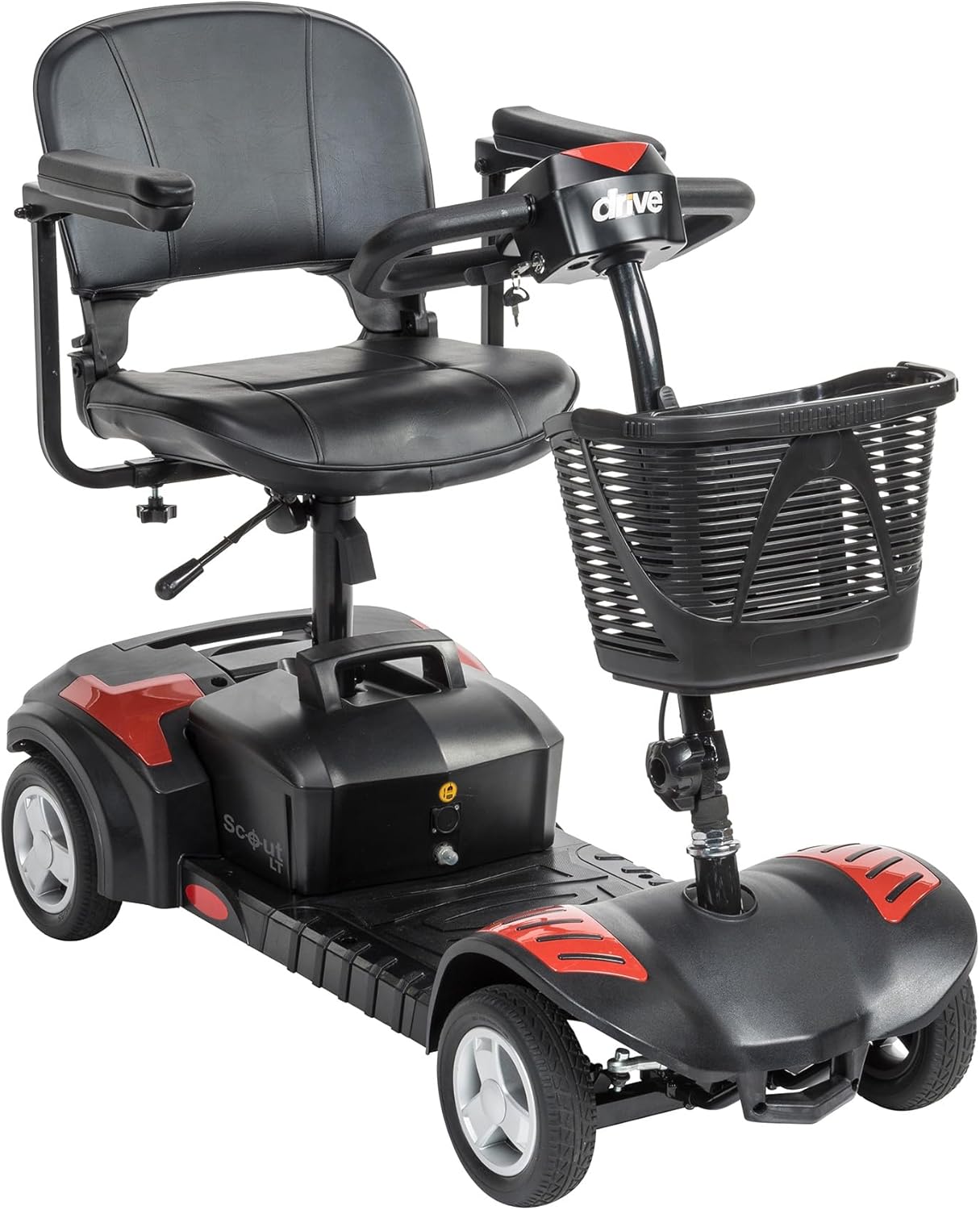
Electric Mobility Scooter

Bathtub Transfer Bench
Small, frequent meals, stronger flavors, soft high-protein foods, and a calm mealtime routine can help many older adults eat better. If appetite loss lasts, causes weight loss, or comes with other symptoms, talk to your doctor.
Appetite loss is common in later life, but it should never be brushed off as “just aging.” The good news is that many older adults can eat better with a few practical changes to food, routine, and support. These senior appetite loss tips are designed to help families make meals easier, safer, and more appealing.
- Start small: Use smaller meals and snacks instead of forcing large plates.
- Boost nutrition: Add protein and calories to foods the senior already likes.
- Check causes: Review medications, dental issues, hydration, and swallowing problems.
- Keep meals pleasant: Reduce pressure, noise, and mealtime stress.
- Escalate early: Call a doctor if weight loss, weakness, or confusion appears.
Why Senior Appetite Loss Happens in 2026: Common Triggers and Warning Signs
There is no single reason why an older adult may stop feeling hungry. Appetite can change because of normal aging, but it can also be affected by illness, medications, mood, oral health, or swallowing problems.
Normal aging vs. concerning appetite loss
As people age, hunger cues may become weaker, and taste or smell may not be as strong as before. That can make food seem less interesting, even when a person still needs the same basic nutrition.
Still, a smaller appetite is not the same as ongoing poor intake. If someone is eating far less than usual for more than a short period, it is worth paying attention and tracking the change.
Medication side effects, chronic illness, and dental issues
Many common medicines can affect appetite, cause dry mouth, upset the stomach, or change taste. Chronic illnesses may also make eating harder by causing fatigue, pain, nausea, or constipation.
Dental problems are another frequent cause. Loose teeth, sore gums, ill-fitting dentures, and mouth pain can make chewing unpleasant, so seniors avoid meals even when they want to eat.
If this sounds familiar, consult your pharmacist or healthcare provider to review whether a medicine, timing change, or interaction could be part of the problem.
Signs that poor appetite may signal a bigger health problem
Watch for weight loss, weakness, dehydration, confusion, or a sudden drop in energy. These can be signs that the body is not getting enough food or fluid.
Also pay attention to coughing during meals, trouble swallowing, vomiting, persistent stomach pain, constipation, or sadness and withdrawal. These symptoms may point to a condition that needs medical attention.
If appetite loss lasts more than a few days, leads to weight loss, or comes with pain, swallowing trouble, or confusion, ask for a medical review. Sudden changes should be checked sooner rather than later.
Senior Appetite Loss Tips That Make Meals More Appealing and Easier to Eat
When appetite is low, the goal is often not “big meals.” The goal is to make every bite easier, more enjoyable, and more useful for nutrition.
Small, frequent meals instead of large portions
Large plates can feel overwhelming to someone who is not very hungry. Smaller meals and snacks throughout the day are often easier to manage and may feel less tiring.
Try offering breakfast, a mid-morning snack, lunch, an afternoon snack, dinner, and a light evening option if needed. Even a few extra bites at each eating time can help.
Flavor boosters, seasoning, and temperature changes
Food may taste bland to older adults, especially if smell and taste are weaker. Simple flavor boosts like herbs, mild spices, lemon, broth, grated cheese, or a little sauce can make meals more appealing.
Temperature also matters. Some people eat better with warm soups and casseroles, while others prefer cool foods like yogurt, fruit, or pudding. A little variety can bring back interest.
Use strong smells and bright flavors carefully. If a senior has nausea, reflux, or a sensitive stomach, very spicy or heavy foods may make appetite worse.
Soft, high-protein foods for easier chewing and swallowing
Soft foods can be a smart choice when chewing is tiring or swallowing feels difficult. Good options may include scrambled eggs, oatmeal, mashed beans, yogurt, cottage cheese, soft fish, soups, and tender casseroles.
Protein matters because it helps maintain muscle and strength. When chewing is hard, soft protein foods can be more realistic than steak, raw vegetables, or dry sandwiches.
Using favorite foods to rebuild interest in eating
When appetite is low, familiar favorites can help restart eating. A favorite soup, a preferred cereal, or a simple sandwich may be more successful than trying something new.
This does not mean every meal must be a treat. It means using comfort foods wisely to keep nutrition going while appetite recovers.
Smart Nutrition Strategies to Prevent Weight Loss and Weakness
Older adults with low appetite often need more nutrition in less food. That means choosing foods that do more work in a smaller serving.
High-calorie, nutrient-dense foods without overwhelming portions
Nutritious calorie boosters can include nut butter, avocado, olive oil, cheese, eggs, full-fat yogurt, and milk-based soups. These foods can add energy without making the plate look too large.
The key is balance. Too much rich food can upset digestion, so start with small additions and see what the person tolerates well.
If a senior has diabetes, kidney disease, heart failure, or another condition that changes diet needs, ask a doctor or dietitian before adding extra calories or protein in large amounts.
Protein, fiber, and hydration balance for older adults
Protein helps protect muscle, while fiber supports digestion and regular bowel movements. Fluids are just as important because dehydration can reduce appetite and make someone feel weak or dizzy.
That said, balance matters. Too much fiber without enough fluid can worsen constipation, and too much fluid right before meals may make a person feel full too quickly.
Healthy snacks and simple meal ideas for low-appetite days
Low-appetite days are easier when food is ready to eat. Good options may include fruit with yogurt, peanut butter on toast, soup with crackers, a smoothie, or a hard-boiled egg with soft fruit.
Keep simple foods visible and easy to reach. When the kitchen is convenient, seniors are more likely to eat something small instead of skipping food altogether.
For many older adults, appetite improves when meals are less tiring to prepare and eat. Convenience is not a luxury here; it can be part of good nutrition.
Practical Daily Routines That Support Better Eating Habits
Food choices matter, but routine matters too. A steady schedule can help the body expect meals and may make eating feel more natural.
Meal timing, activity, and appetite-friendly schedules
Light activity, such as a short walk or gentle stretching, may help stimulate hunger for some people. Planning meals after activity can work better than trying to eat when someone has been sitting still all morning.
Try to match meals to the person’s best energy times. Some seniors eat more easily at breakfast, while others do better later in the day.
Creating a calm, social, and distraction-free eating environment
A quiet setting can make meals feel less stressful. Turn down the television, reduce clutter, and keep the table comfortable and well lit.
For some seniors, eating with a spouse, friend, or caregiver helps increase intake. For others, too much noise or conversation can be distracting, so the best setting depends on the person.
Food presentation tips that encourage seniors to eat more
Food that looks pleasant is often more tempting. Use small plates for small portions, separate foods when possible, and choose colors that make the meal look fresh and inviting.
Simple presentation can make a big difference. A bowl of soup, a warm slice of toast, and a few pieces of fruit may feel more appealing than a crowded plate of mismatched items.
Common Mistakes Families Make When Trying to Help a Senior Eat
Good intentions can still backfire. Families often try to help in ways that create stress, reduce dignity, or unintentionally make eating harder.
Pressuring, arguing, or forcing meals
Pressuring a senior to “just eat” can lead to resistance, embarrassment, or a stronger dislike of mealtime. Food should not become a battleground.
Encouragement works better than conflict. Offer choices, keep portions small, and focus on support rather than control.
Offering only bland “safe” foods
It is understandable to choose plain foods when a person has a sensitive stomach, but too much bland food can make eating boring. If meals taste the same every day, interest may fade even more.
Try gentle flavor upgrades instead of stripping food down completely. Mild seasoning, sauces, or a change in texture may help without overwhelming the stomach.
Ignoring hydration, oral health, and medication timing
Appetite problems are often connected to dry mouth, mouth pain, constipation, or medicine schedules. If those issues are ignored, nutrition plans may fail even when the food itself is good.
It can help to coordinate meals with medication timing and to keep up with dental care. If chewing or swallowing becomes difficult, ask for guidance before the problem worsens.
Do not assume appetite loss is harmless if the senior is getting weaker, losing weight, or avoiding fluids. Dehydration and malnutrition can become serious quickly in older adults.
When to Ask for Help: Medical, Dental, and Caregiver Support Options
Some appetite changes can be improved at home, but others need professional help. The sooner you involve the right support, the easier it may be to prevent decline.
When appetite loss needs a doctor’s review
Ask a doctor to review the situation if appetite loss is new, persistent, or tied to weight loss, pain, nausea, constipation, depression, or confusion. A medical check can help rule out treatable causes.
Bring a simple list of what the person is eating, drinking, and avoiding. That record can help the doctor see patterns that are easy to miss in a short visit.
Dental, swallowing, and medication consultations
If chewing hurts, dentures slip, or food feels stuck, a dental visit may be needed. Swallowing trouble should also be taken seriously, because it can raise the risk of choking or food going into the airway.
Medication reviews are important too. A pharmacist or healthcare provider can often help identify whether timing, side effects, or interactions are contributing to poor appetite.
When to consider a dietitian, home care aide, or meal support service
A dietitian can help build a realistic eating plan for a senior with many health needs. A home care aide may help with shopping, cooking, and meal setup when fatigue or mobility issues get in the way.
Meal support services can also be useful when family caregivers are stretched thin. The best option depends on health status, budget, and local availability.
Cost and Support Comparison: Affordable Ways to Improve Senior Nutrition
Improving appetite does not always require expensive products. In many cases, small food changes and practical support are more effective than specialty items.
Budget-friendly meal upgrades vs. commercial supplements
Home food upgrades are often the first place to start. Adding eggs, yogurt, beans, cheese, milk, peanut butter, or broth can improve nutrition without a major shopping change.
Commercial nutrition shakes or supplements may help in some cases, but they are not always necessary. They can also be costly, and coverage through Medicare or insurance varies by reason for use and plan rules, so check before buying regularly.
Home-cooked solutions, meal delivery, and caregiver assistance
Home-cooked meals usually give the most control over taste, texture, and cost. Meal delivery can help when cooking becomes hard, while caregiver assistance may be the best fit when the person needs hands-on support.
Each option has trade-offs. Home cooking takes time, delivery may limit customization, and paid help can add ongoing expense.
| Option | Best For | Note |
|---|---|---|
| Simple home upgrades | Most families on a budget | Usually the cheapest first step |
| Meal delivery | Seniors who cannot cook easily | Convenient, but menu choices may be limited |
| Caregiver assistance | People needing hands-on help | Can support shopping, prep, and reminders |
What families can do first before spending more
Before buying supplements or hiring extra help, review the basics. Check medications, oral health, hydration, portion sizes, and meal timing.
Also look at whether the foods offered are actually appealing to the senior. Sometimes a few changes in texture, temperature, or flavor make a bigger difference than a new product.
Final Recap: The Most Effective Senior Appetite Loss Tips for Safer, Healthier Eating
The best senior appetite loss tips are usually simple, practical, and easy to repeat. Small meals, better flavor, soft textures, and a calmer routine can help older adults eat more without feeling overwhelmed.
Key takeaways for families and caregivers
Focus on foods the senior can chew, swallow, and enjoy. Keep meals small, add nutrition where possible, and pay attention to hydration, oral health, and medicine timing.
When to monitor, adjust, and escalate care
If appetite loss is short-lived, gentle changes may be enough. If it continues, causes weight loss, or comes with other symptoms, talk to your doctor and ask for a fuller review.
With the right support, many older adults can return to more comfortable, nourishing eating. The goal is not perfect meals; it is safe, steady nutrition that supports strength and independence.
Frequently Asked Questions
A smaller appetite can happen with aging, but ongoing poor intake is not something to ignore. If a senior is eating much less than usual, talk to your doctor.
Soft, high-protein foods like eggs, yogurt, soup, oatmeal, and tender fish are often easier to eat. Favorite foods can also help rebuild interest in meals.
Offer small meals, simple snacks, and choices instead of forcing large portions. A calm mealtime routine often works better than arguments or reminders.
Get medical advice if appetite loss lasts more than a few days, causes weight loss, or comes with pain, confusion, vomiting, or swallowing trouble. Sudden changes should be checked sooner.
Yes, some medicines can change taste, upset the stomach, or cause dry mouth. A pharmacist or healthcare provider can help review possible side effects and timing issues.
Not always. Regular food upgrades are often cheaper and more satisfying, while supplements may help in some cases if a doctor recommends them.