
Senior Apartments Palm Desert Ca


Tablet for Seniors

Smart Digital Photo Frame

Adjustable Bed Wedge Pillow
Senior apartments in Palm Desert, CA offer a perfect blend of comfort, accessibility, and lifestyle designed specifically for older adults. With warm weather year-round, low-maintenance living, and easy access to healthcare and recreational activities, these communities provide an ideal setting for retirement. Whether you’re seeking independent living or assisted care, Palm Desert has options that fit your needs and budget.
Living well in your golden years means more than just a place to rest your head—it’s about finding a home that supports your independence, encourages connection, and fits your lifestyle. If you’re considering senior apartments in Palm Desert, CA, you’re not alone. This sun-kissed desert oasis has become one of Southern California’s most sought-after retirement destinations. From world-class golf courses to scenic trails and a thriving arts scene, Palm Desert offers everything active seniors need to enjoy life fully.
But beyond the palm trees and mountain views, what truly sets these communities apart is their focus on creating environments where aging adults feel safe, supported, and engaged. Senior apartments here aren’t just buildings—they’re gateways to a new chapter filled with possibility.
Whether you’re downsizing from your family home, relocating to be near loved ones, or simply looking for a maintenance-free lifestyle, Palm Desert’s senior housing options deliver on comfort, convenience, and community. Let’s explore what makes this area special and how you can find the perfect fit for your next home.
Key Takeaways
- Palm Desert offers a range of senior apartments with amenities like pools, fitness centers, and social clubs tailored for older adults.
- Many communities are pet-friendly, allowing residents to keep beloved companions close by.
- Proximity to healthcare and senior centers makes Palm Desert a convenient choice for retirees.
- Low-income senior housing programs help make affordable housing accessible through federal and state support.
- Active adult communities often include planned activities, transportation services, and wellness programs.
- Climate and outdoor lifestyle are major draws, with easy access to golf, hiking, and cultural events.
- Transitioning to senior living can improve quality of life through reduced responsibilities and increased social engagement.
📑 Table of Contents
Why Choose Senior Apartments in Palm Desert, CA?
Palm Desert stands out as a top destination for retirees thanks to its mild winter climate, low crime rates, excellent healthcare facilities, and abundance of recreational opportunities. According to recent data, over 20% of Palm Desert’s population is aged 65 or older—a testament to how well the city caters to older adults.
One of the biggest advantages of choosing senior apartments in this region is the active adult lifestyle. Many communities feature daily exercise classes, hobby groups, walking clubs, and even on-site medical staff. Residents often report higher levels of happiness and lower stress compared to those living alone elsewhere.
Additionally, Palm Desert’s location within Riverside County gives residents easy access to larger cities like Riverside and San Bernardino while still enjoying a quieter, slower pace of life. The city also hosts numerous cultural events throughout the year, including art walks, farmers markets, and music festivals—all designed with seniors in mind.
The Climate Advantage
Imagine waking up to 75-degree weather in January without needing a coat or scarf. That’s Palm Desert’s reality—most days see temperatures between 65°F and 85°F year-round. For seniors who struggle with cold-related health issues, this consistent warmth can mean fewer doctor visits and more time spent outdoors.
Outdoor enthusiasts will appreciate the network of parks, nature preserves, and walking paths. The Santa Rosa and Tahquitz Canyons offer breathtaking hikes just minutes from downtown. Golf lovers? There are over two dozen championship courses nearby, many offering discounted rates for seniors.
Affordability Without Compromise
While California real estate prices have soared, Palm Desert maintains a relatively balanced mix of luxury and affordability when it comes to senior housing. Compared to coastal cities like Los Angeles or San Diego, costs here are significantly lower—yet quality remains high.
Many senior apartments in Palm Desert include utilities, basic cable, and internet service in monthly rent. Some even offer meal plans, housekeeping, and linen service. This all-inclusive approach helps retirees stretch their fixed incomes further.
For those concerned about budget constraints, there are several subsidized housing options available through HUD-approved providers. These programs ensure that low-income seniors can access safe, comfortable homes without sacrificing dignity or independence.
Types of Senior Housing Available
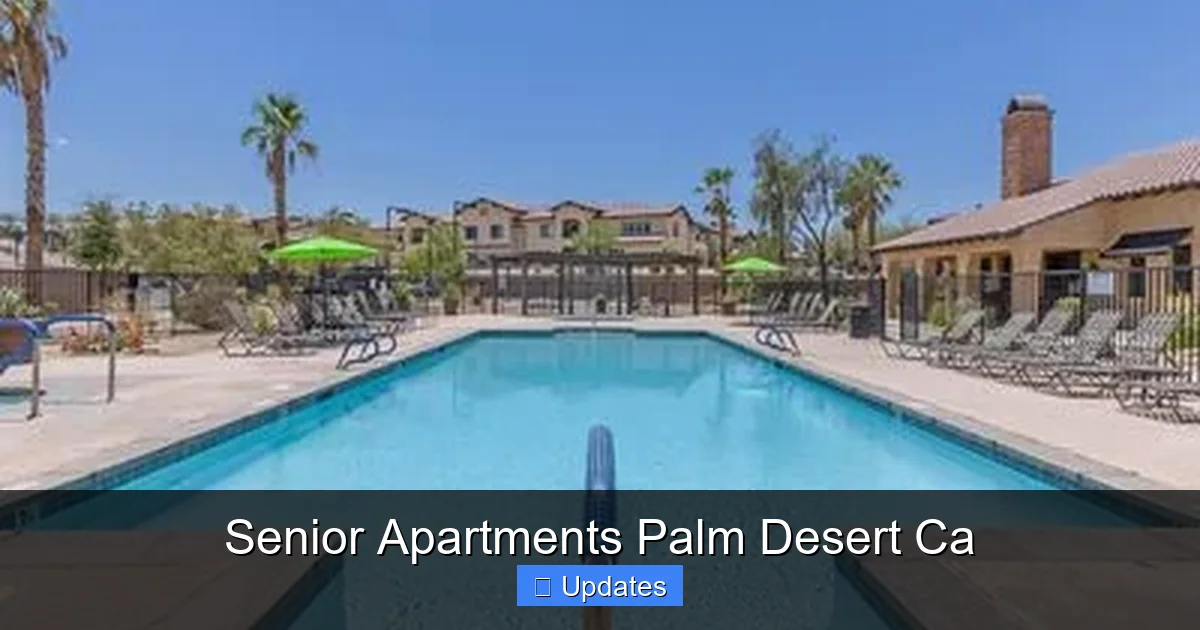
Visual guide about Senior Apartments Palm Desert Ca
Image source: photos.zillowstatic.com
Not all senior apartments are created equal. In fact, Palm Desert offers a diverse spectrum of living arrangements designed to meet different needs and preferences. Understanding your options is key to making the best decision for your situation.
Independent Living Communities
These are ideal for active seniors who want to live in a secure environment but don’t yet require assistance with daily tasks. Residents typically live in private units (apartments or villas) and enjoy access to shared amenities such as dining halls, libraries, fitness centers, and activity rooms.
Independent living doesn’t mean isolated living—many communities host weekly movie nights, book clubs, bridge tournaments, and even day trips to nearby attractions. Staff members are usually available 24/7 if emergencies arise, giving peace of mind without taking away autonomy.
Examples of popular independent living complexes in the area include Pacifica Senior Living San Leandro (though technically in Alameda County, they serve the broader Inland Empire region), and local favorites like The Palms at Desert Springs.
Assisted Living Facilities
If you need occasional help with medication management, bathing, dressing, or meal preparation, assisted living may be the right step. These facilities combine private accommodations with personalized support services.
Staff members monitor health status regularly and coordinate with physicians as needed. Most assisted living communities also employ registered nurses who can administer injections, manage chronic conditions, and respond quickly to urgent situations.
What sets Palm Desert apart is its emphasis on dignity and respect. Unlike outdated stereotypes of “nursing homes,” modern assisted living facilities look more like upscale hotels than hospitals. Residents maintain control over their schedules, choose meals from varied menus, and participate in activities that interest them.
Memory Care Units
For families dealing with Alzheimer’s or other forms of dementia, specialized memory care units provide round-the-clock supervision in a calming, structured environment. These areas often use color-coded pathways, familiar decor, and sensory stimulation techniques to reduce confusion and agitation.
In Palm Desert, several memory care providers integrate outdoor spaces with indoor common areas, allowing residents to safely enjoy fresh air and natural light—both proven to boost mood and cognitive function.
Top Amenities to Look For
When touring senior apartments in Palm Desert, pay attention to the small details that make daily life easier and more enjoyable. Here are some must-have features:
- Emergency call systems: Bedroom and bathroom pull cords connect directly to staff or emergency services.
- Accessible design: Wide doorways, roll-in showers, grab bars, and non-slip flooring prevent falls and injuries.
- On-site dining: Nutritious meals prepared fresh daily accommodate dietary restrictions and preferences.
- Transportation services: Scheduled shuttles to grocery stores, pharmacies, doctors’ offices, and entertainment venues eliminate driving stress.
- Social programming: Regular events foster friendships and combat loneliness—a growing concern among older adults.
- Pet policies: Many communities welcome cats and small dogs, recognizing pets’ role in emotional well-being.
Some luxury properties even offer concierge services, spa treatments, wine tasting evenings, and partnerships with local museums for guided tours. While these extras come at a premium, they enhance quality of life significantly.
Technology Integration
Today’s senior apartments go beyond physical safety—they embrace smart home technology too. Motion sensors detect unusual patterns (like someone wandering late at night), automated lighting improves visibility, and video intercoms allow secure communication without opening doors.
Telehealth platforms enable virtual consultations with specialists across the country, saving travel time and reducing exposure to illness. Plus, tablet-based activity calendars let residents RSVP for events instantly.
How to Find the Right Community
Searching for senior apartments can feel overwhelming, especially when you’re juggling health concerns, family logistics, and emotional attachment to your current home. But breaking the process into manageable steps makes it easier.
Start by assessing your priorities: Do you value proximity to grandchildren? Need wheelchair accessibility? Prefer a quiet neighborhood over bustling downtown? Write down your top three requirements first.
Next, visit at least three communities in person—don’t rely solely on brochures or websites. Observe cleanliness, noise levels, resident interactions, and staff responsiveness. Ask current tenants about pros and cons, waitlist times, and hidden fees.
Financial planning is equally important. Review your Social Security, pension, and savings carefully. Don’t forget to factor in potential future needs—what if mobility becomes limited later?
Finally, involve trusted friends or family members in your decision. Their perspective can catch red flags you might miss.
Tours vs. Virtual Visits
With advancements in video conferencing, virtual tours are becoming more common. They’re great for narrowing down choices quickly, but nothing beats experiencing a space firsthand. Pay attention to natural light, airflow, and overall ambiance during your walk-through.
Ask about move-in specials, security deposits, and lease terms. Clarify whether utilities, Wi-Fi, or parking are included. Also inquire about pet policies—even if you don’t own a dog now, circumstances change!
Community Resources & Support Services
Palm Desert doesn’t just offer housing—it provides a full ecosystem of support tailored for seniors. Key resources include:
- Senior centers: Programs like Senior Center Palm Desert Ca and Joslyn Senior Center In Palm Desert offer fitness classes, educational workshops, and social gatherings every week.
- Transportation networks: Non-profit organizations run free shuttles connecting neighborhoods to essential services.
- Volunteer programs: Friendly visitors drop by regularly to chat, read aloud, or assist with errands.
- Legal aid clinics: Free or low-cost counselors help navigate estate planning, power of attorney, and Medicare questions.
These services reinforce the idea that aging doesn’t have to mean isolation. Instead, it opens doors to deeper connections and meaningful contributions.
Healthcare Accessibility
Palm Desert sits within a hub of top-rated medical facilities. Hospitals like Desert Regional Medical Center and Eisenhower Health provide comprehensive geriatric care. Specialists in cardiology, orthopedics, and endocrinology are readily available.
Many senior apartment operators partner with local clinics to offer on-site flu shots, blood pressure checks, and health screenings. This proactive approach prevents minor issues from escalating into emergencies.
Cost Considerations & Financial Assistance
Rental prices vary widely depending on location, size, and included services. Expect to pay anywhere from $1,800 to $4,500 per month for a one-bedroom unit. Larger two-bedroom homes may cost $6,000+ monthly in premium developments.
To ease financial strain, consider these avenues:
- HUD Section 202 Supportive Housing: Federally funded subsidies target very-low-income seniors (typically under $30,000 annual income).
- California Department of Housing and Community Development: Offers grants and loans for affordable senior housing projects.
- Nonprofit developers: Groups like Mercy Housing operate rent-restricted communities where tenants pay no more than 30% of their income toward housing.
Always verify income eligibility early—waitlists for subsidized units often exceed two years.
Budgeting Tips for Retirees
Create a monthly budget that accounts for rent, food, transportation, insurance, and leisure. Prioritize necessities first, then allocate funds for hobbies and travel. Automate bill payments to avoid late fees.
Remember, many communities absorb certain costs (e.g., trash removal, landscaping) into base rent—so ask what’s covered upfront.
Making the Move Smoothly
Transitioning to a new home—especially one focused on seniors—can stir up mixed emotions. It’s normal to feel excited about possibilities while grieving the loss of familiar routines.
Plan ahead by decluttering gradually, labeling boxes clearly, and packing essentials separately. Notify banks, doctors, and mail carriers of your address change well before moving day.
Consider hiring professional movers experienced with senior relocations. They handle heavy lifting, furniture assembly, and even unpacking—freeing you to focus on settling in.
Once you arrive, introduce yourself to neighbors, attend orientation sessions, and take advantage of introductory discounts on meals or activities. Within weeks, you’ll likely feel right at home.
Involving Family Members
Keep relatives updated via photos and videos. Schedule FaceTime calls after meals or during weekend outings. Encourage grandkids to visit—they bring energy and joy!
If possible, arrange temporary stays for out-of-town family to help with initial setup. Their presence reassures you during the adjustment period.
Final Thoughts: Your Next Chapter Starts Here
Choosing senior apartments in Palm Desert, CA isn’t just about finding shelter—it’s about investing in happiness, health, and purpose. This vibrant desert community understands that aging gracefully requires more than just safety; it demands engagement, comfort, and belonging.
From thoughtfully designed floor plans to compassionate staff and enriching programs, every aspect of these residences reflects a commitment to enhancing quality of life. Whether you dream of playing pickleball at sunset, learning pottery in a sunny studio, or simply sipping coffee on your balcony watching hummingbirds dart between cacti, Palm Desert delivers.
Take the first step today. Research online, schedule tours, talk to residents, and trust your instincts. Your ideal senior living experience awaits beneath the endless blue sky.
Frequently Asked Questions
Are there pet-friendly senior apartments in Palm Desert, CA?
Yes, many senior apartments in Palm Desert welcome pets—especially cats and small dogs. Policies vary by community, so always check specific breed or weight restrictions. Some even offer pet grooming stations or organize group walks!
What is the average rent for senior apartments in Palm Desert?
Rent ranges from approximately $1,800 to $4,500 monthly for one-bedroom units, depending on amenities and included services. Luxury communities may charge $6,000+. Subsidized housing is available for qualifying low-income seniors.
Do senior apartments in Palm Desert offer transportation?
Most reputable communities provide scheduled transportation to grocery stores, pharmacies, medical appointments, and local attractions. Some even partner with senior centers like Senior Center Palm Desert Ca for group outings.
Can I visit multiple senior apartments before deciding?
Absolutely! Touring at least three communities allows you to compare layouts, staff friendliness, meal quality, and activity offerings. Bring a checklist and note cards to remember impressions.
What should I bring when moving into a senior apartment?
Pack personal items that reflect your style—photos, books, favorite pillows. Avoid overloading closets; storage space is usually limited. Label boxes clearly and keep valuables separate. Most utilities are already connected!
How do I know if I qualify for subsidized senior housing?
Eligibility depends on income level, age (usually 62+), and residency status. Contact local housing authorities or nonprofits like Mercy Housing for applications. Waitlists exist, so apply early.
