
River’s Edge Senior Living Cost


Sock Aid for Seniors

Large Print Keyboard

Hearing Aid Cleaning Kit
River’s Edge senior living cost varies by level of care, location, and amenities, but understanding the fee structure can save you money and stress. We break down pricing, hidden fees, and practical budgeting tips so you can make an informed choice for your family.
Key Takeaways
- Base rent vs. care fees: Separate charges for housing and for assisted or memory care.
- Location matters: River’s Edge communities in metro areas cost more than rural sites.
- Hidden costs: Look for fees for meals, transportation, and extra services.
- Financial aid options: Veterans benefits, Medicaid, and long‑term care insurance can offset expenses.
- Contract clarity: Always read the fine print on price increases and exit clauses.
- Compare wisely: Use cost‑of‑living calculators and visit multiple sites before deciding.
- Plan for the future: Choose a community that can adapt as care needs change.
📑 Table of Contents
- Introduction: Why Knowing the Cost Matters
- 1. Breaking Down the Price Structure
- 2. How Location Influences the Cost
- 3. Hidden Fees You Might Not Expect
- 4. Financial Assistance and Ways to Lower Costs
- 5. Choosing the Right River’s Edge Community for Your Budget
- 6. Real‑World Cost Scenarios
- Conclusion: Take Control of the River’s Edge Senior Living Cost
Introduction: Why Knowing the Cost Matters
Choosing a senior living community is a big step. It’s not just about finding a nice building or a beautiful view of the river; it’s about making sure your loved one gets the care they need without breaking the bank. That’s why the river’s edge senior living cost is a question families ask over and over.
In this guide we’ll walk through every piece of the price puzzle. We’ll look at what’s included in the base rent, how extra services change the bill, and where you can save money. Think of it as a friendly chat over coffee—clear, simple, and full of useful tips.
1. Breaking Down the Price Structure
Base Rent: The Starting Point
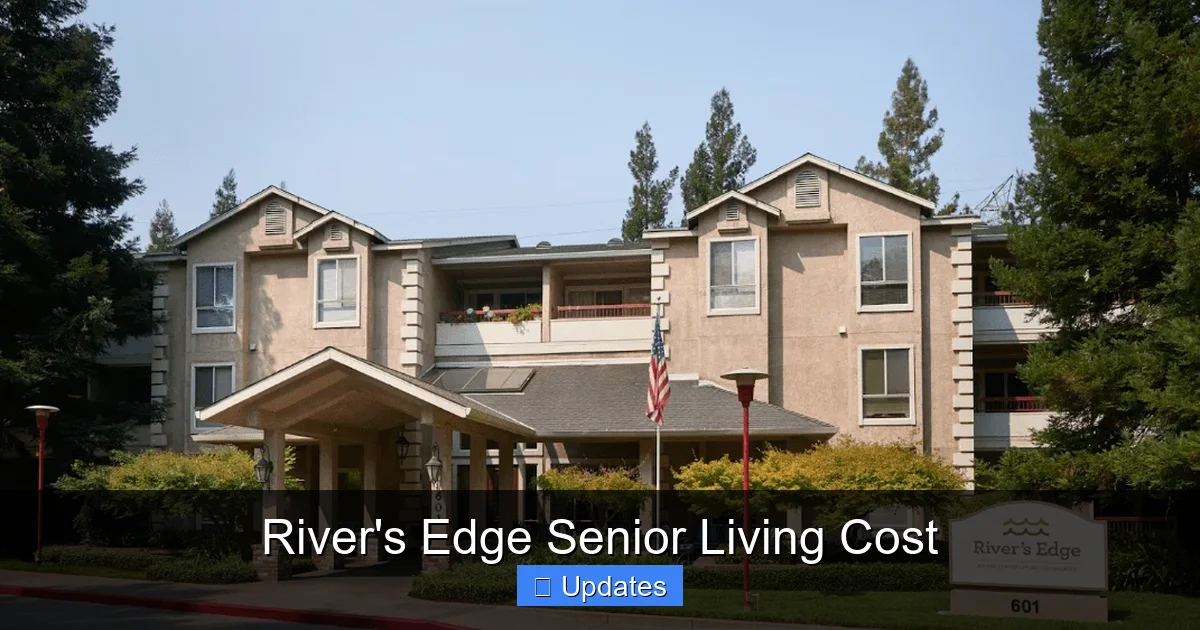
The first number you’ll see is the base rent. This covers the apartment or room, basic utilities (water, heat, electricity), and standard community amenities like the dining hall, fitness center, and social activities. At River’s Edge locations, base rent typically ranges from $2,200 to $4,500 per month for a one‑bedroom unit.
Visual guide about River’s Edge Senior Living Cost
Image source: assistedliving.org
Care Fees: Assisted Living, Memory Care, and More
Once care needs go beyond what a resident can do on their own, a separate care fee kicks in. The fee is usually calculated per resident per day and can add $3 to $7 to the daily bill. For example, a resident who needs three hours of assistance per day might pay an additional $150‑$210 each month.
Meal Plans and Dining Options
Most River’s Edge communities include three meals a day in the base rent, but premium dining (à la carte, special diet menus) often carries an extra charge of $50‑$150 per month. If you prefer a resident to cook in their own kitchen, expect a small “kitchen use” fee of $30‑$70.
Additional Services and Their Impact
- Transportation: Shuttle service to medical appointments may be $75‑$120 per month.
- Housekeeping: Weekly cleaning can add $40‑$80.
- Personal care accessories: Items like in‑home massage or hair styling are billed hourly, typically $30‑$60.
2. How Location Influences the Cost
Urban vs. Rural Settings
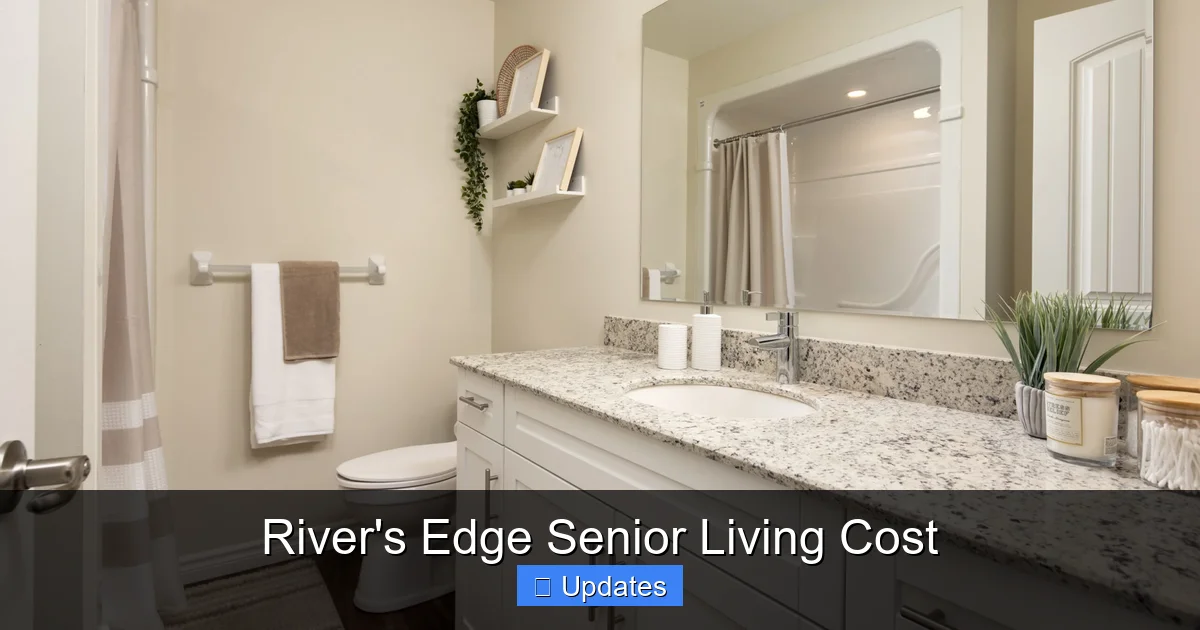
River’s Edge communities located near major cities (think Minneapolis‑St. Paul or Chicago suburbs) command higher rents because land and labor costs are higher. Rural River’s Edge sites, often surrounded by actual riverfront views, can be 15‑25 % cheaper.
Visual guide about River’s Edge Senior Living Cost
Image source: riversedgeapts.ca
State‑Specific Regulations
Some states require higher staffing ratios, which pushes up the cost. For example, Minnesota’s assisted‑living regulations add roughly $0.50 per resident per day compared with neighboring states.
Real‑World Example
Consider two River’s Edge locations: one in downtown Madison, WI, and another in a small town near the Mississippi River. The downtown unit costs $4,200 per month, while the riverfront rural unit is $3,300—a difference of $900 that reflects land value, local wages, and taxes.
3. Hidden Fees You Might Not Expect
Admission and Move‑In Fees
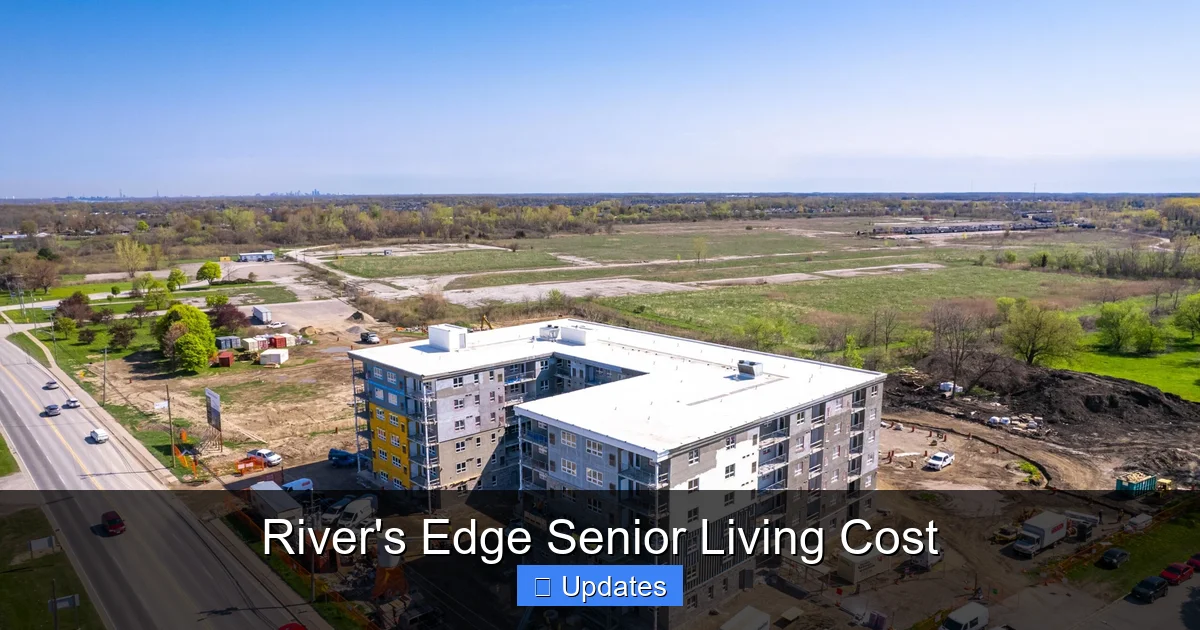
Many communities charge a one‑time admission fee ranging from $1,000 to $5,000. Some waive this fee if you sign a longer contract.
Visual guide about River’s Edge Senior Living Cost
Image source: riversedgeapts.ca
Annual Increases
Contracts often allow a 3‑5 % annual increase. It’s essential to ask for the exact percentage and whether it’s capped.
Health‑Related Extras
Medication management, physical therapy, and specialized memory‑care programming are sometimes billed separately. A typical medication management fee is $30‑$60 per month.
Insurance and Liability
Some communities require residents to carry personal liability insurance, costing $200‑$400 annually.
4. Financial Assistance and Ways to Lower Costs
Veterans Benefits
If your loved one is a veteran, the VA may cover up to 100 % of assisted‑living costs, depending on eligibility. It’s worth contacting your local VA office for a detailed assessment.
Medicaid and State Programs
Medicaid can pay for certain levels of care, especially memory care. Each state has its own qualification criteria, so start the application early.
Long‑Term Care Insurance
Policies purchased before age 65 often cover a portion of assisted‑living fees. Review the policy’s “daily benefit” and “benefit period” to see how it matches the River’s Edge cost structure.
Sliding‑Scale and Income‑Based Discounts
Some River’s Edge locations offer discounts for residents with limited income. Ask the admissions director for a “financial assistance” brochure.
Practical Tip: Use a Cost‑of‑Living Calculator
Websites that compare senior living costs can give you a quick snapshot of how a River’s Edge fee stacks up against nearby options. Plug in the base rent, care level, and extra services to see the total monthly outlay.
5. Choosing the Right River’s Edge Community for Your Budget
Visit Multiple Sites
Never decide based on a brochure alone. Schedule tours at at least three River’s Edge locations. Pay attention to the staff‑to‑resident ratio, cleanliness, and resident satisfaction.
Ask the Right Questions
- What is included in the base rent?
- How are care fees calculated?
- What are the policies for price increases?
- Are there any move‑in or exit fees?
- What financial aid options do you accept?
Compare With Similar Communities
Looking at other senior living cost guides can give you perspective. For example, the Cost Of Cedarhurst Senior Living article shows a similar price range but different amenities. Seeing side‑by‑side helps you decide if River’s Edge offers better value for the services you need.
Read Resident Reviews
Real‑world experiences matter. The Miller’s Senior Living Community review highlights how transparent pricing builds trust. Look for comments about unexpected fees or how staff handle billing questions.
Consider Future Care Needs
Choose a River’s Edge community that can transition from independent living to assisted or memory care without forcing a move. This “continuum of care” can save thousands in relocation costs later.
6. Real‑World Cost Scenarios
Scenario A: Independent Living
Jane, 78, moves into a River’s Edge one‑bedroom unit in a suburban area. Base rent: $2,800. She opts for the standard meal plan (included). No extra care needed. Monthly total: $2,800. Annual cost: $33,600.
Scenario B: Assisted Living
Bob, 82, requires 2‑hour daily assistance. Base rent: $3,200. Care fee: $4 per day × 30 = $120. Transportation: $80. Total monthly: $3,400. Annual cost: $40,800.
Scenario C: Memory Care
Linda, 85, needs memory care. Base rent: $3,500. Memory‑care premium: $6 per day × 30 = $180. Medication management: $50. Total monthly: $3,730. Annual cost: $44,760.
How Discounts Change the Picture
If Linda qualifies for a 10 % veterans discount on the care premium, her monthly cost drops to $3,662—a savings of $816 per year.
Conclusion: Take Control of the River’s Edge Senior Living Cost
Understanding the river’s edge senior living cost isn’t about finding the cheapest option; it’s about matching the right level of care, amenities, and financial support to your family’s needs. By breaking down the price components, watching for hidden fees, and exploring aid programs, you can make a confident decision that protects both your loved one’s wellbeing and your budget.
Remember to visit multiple sites, ask detailed questions, and compare the numbers with similar communities like Story Point Senior Living Cost. With a clear picture of what you’re paying for, you’ll feel secure knowing you’ve chosen the best River’s Edge community for today and tomorrow.
Frequently Asked Questions
What is included in the base rent at River’s Edge senior living?
The base rent typically covers the apartment, utilities, standard meals, and access to community amenities such as fitness rooms and social events.
How much does assisted living cost at River’s Edge?
Assisted living adds a daily care fee of $3‑$7 per resident, which translates to roughly $90‑$210 extra per month on top of the base rent.
Are there any admission or move‑in fees?
Yes, most River’s Edge locations charge a one‑time admission fee ranging from $1,000 to $5,000, though some may waive it with a longer contract.
Can veterans or Medicaid recipients get financial help?
Veterans may qualify for VA benefits that cover part or all of the cost, and Medicaid can assist with certain levels of care, depending on state eligibility.
Do prices increase every year?
Contracts usually allow a 3‑5 % annual increase. Always ask for the exact percentage and whether there is a cap.
How do I compare River’s Edge costs with other communities?
Use cost‑of‑living calculators, read resident reviews, and compare fee structures with similar facilities like those detailed in the Belmont Village Senior Living Cost article.