
Recliner vs Adjustable Bed: Which?


Bathtub Grab Bar

Handheld Shower Head
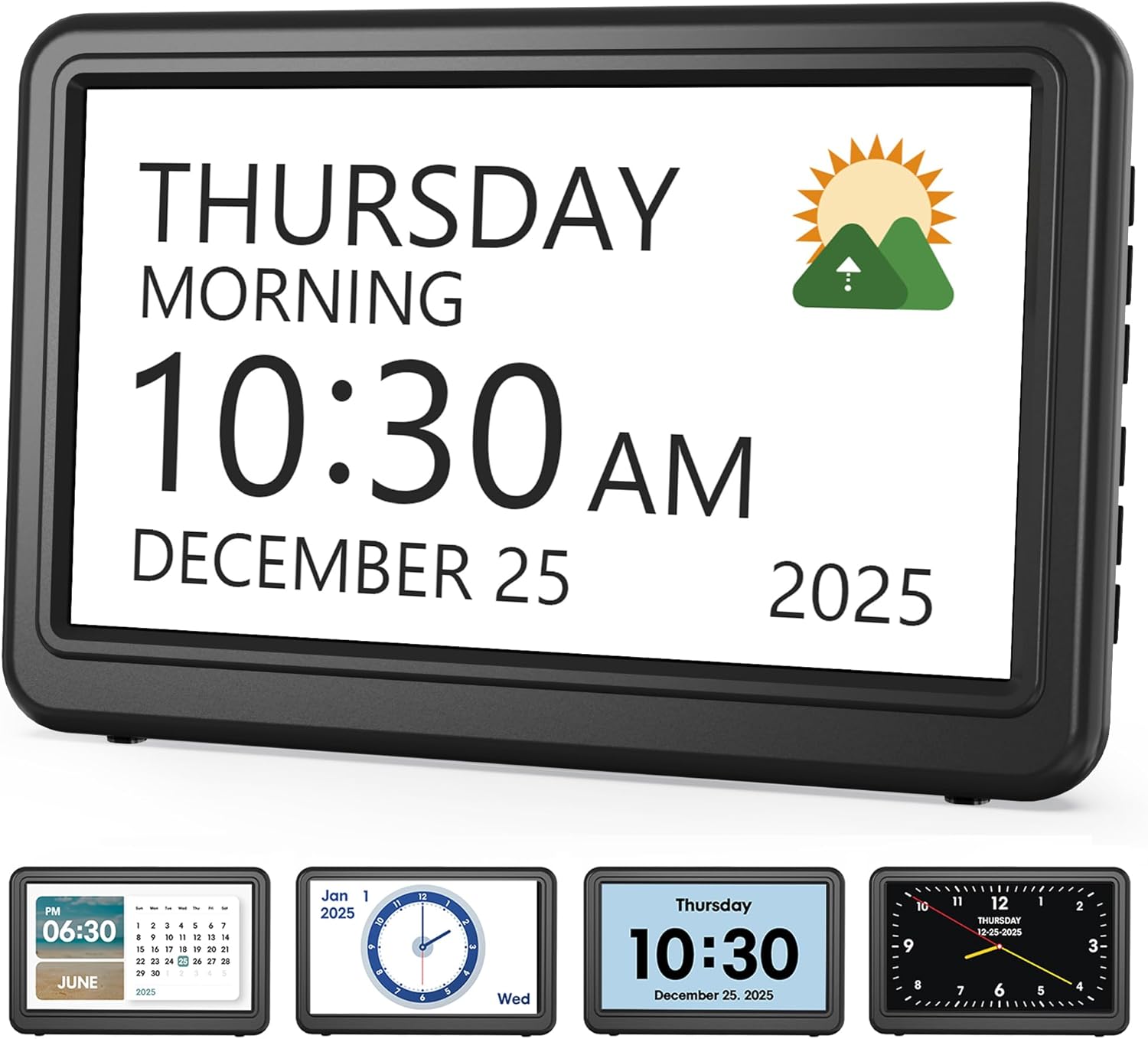
Medication Reminder Alarm
For seniors, Recliner vs Adjustable Bed is not a simple choice. Both can make sitting and resting easier, but they serve different roles. A recliner is mainly a chair. An adjustable bed is mainly a bed that can change position.
The right choice depends on how you plan to use it. A recliner may work well for daytime rest, reading, or watching TV. An adjustable bed may be more useful for sleep, getting in and out of bed, and changing the sleeping position.
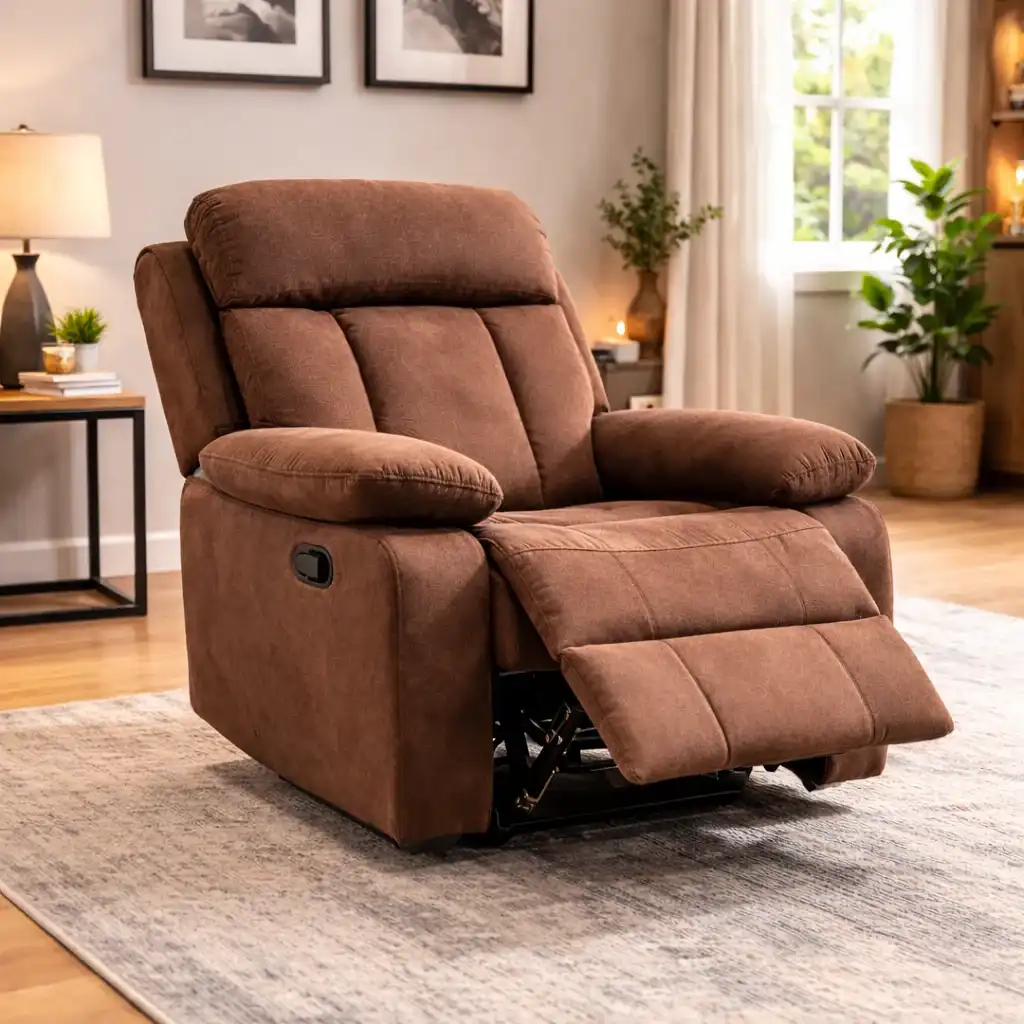
Quick Comparison
A recliner is the better fit when you need a comfortable chair with leg support. It takes up less space than a bed and can be useful during the day.
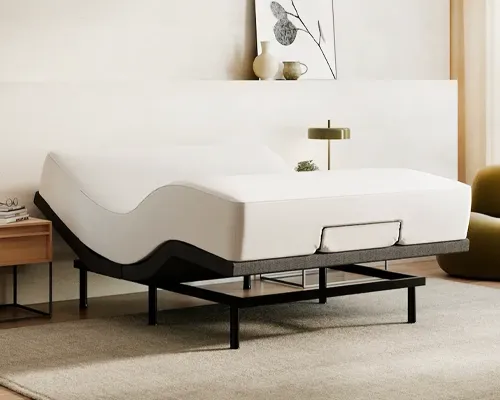
An adjustable bed is a better fit when your main need is a flexible sleeping surface. It can raise the head or legs and may make some bed tasks easier.
The key difference is simple: a recliner replaces or improves a chair, while an adjustable bed changes how you use your bed.
Recliner vs Adjustable Bed At a Glance
The table below shows the main differences that matter for everyday senior use.
| Feature | Recliner | Adjustable Bed |
|---|---|---|
| Main use | Sitting and resting | Sleeping and resting |
| Position control | Back and footrest | Head and leg sections |
| Daytime use | Excellent | Good |
| Sleeping use | Limited | Excellent |
| Space needed | Usually less | Usually more |
| Setup | Usually simple | May need more setup |
| Portability | Easier to move | Harder to move |
| Caregiver use | Useful for seated care | Useful for bed care |
| Best for | Sitting comfort | Flexible sleep and rest |
Recliner Review for Senior Comfort
A recliner gives you a dedicated place to sit and relax. It can be useful for reading, watching TV, talking with family, or taking a short rest.
For seniors who spend a lot of time in a chair, the simple layout can be a major benefit.
Ease of Use
Many recliners use a handle, lever, or powered control to change position. Power models can reduce the effort needed to open the footrest and lower the back.
A simple control can also be easier for someone who does not want to learn a complex system.
Key Strengths
- Good for daytime sitting
- Easy to use as a normal chair
- Supports the legs when reclined
- Often needs less space than a bed
- Can fit well in a living room
- Power models can reduce manual effort
Potential Drawbacks
- Not designed as a normal sleeping surface
- Some models can be heavy
- Power models need an electrical outlet
- A wide chair can still take up useful floor space
- Some designs may be hard to rise from
Adjustable Bed Review for Flexible Rest
An adjustable bed gives you more control over your position while lying down. Instead of keeping the mattress flat, the base can raise parts of the bed.
This can make the bed more flexible for sleep, reading, watching TV, and getting ready for the day.
Ease of Use
Most powered adjustable beds use a remote. The controls may raise the head, raise the legs, or return the bed to a flat position.
The main issue is control access. A remote should be easy to find and simple enough to use.
Key Strengths
- Designed for sleeping
- Adjustable head and leg positions
- Useful for reading in bed
- Can make some bed tasks easier
- Works with different resting positions
- May provide more flexibility than a fixed bed
Potential Drawbacks
- Usually costs more than a basic recliner
- Takes more space
- Can be heavier and harder to move
- Setup may take more effort
- Mattress and base compatibility can matter
Which Is Easier for Seniors to Use?
Ease of use depends on the person’s needs and the exact model.
A recliner may be easier for a senior who mainly wants a comfortable seat. It is ready for use as soon as it is in place. A powered model can make changing position easier.
An adjustable bed may be easier for someone who spends much of the day in bed. The remote can change the position without manually lifting the mattress.
The easiest option is often the one that fits the person’s main daily task.
For someone with limited hand strength, check the size and feel of the controls. For someone with limited mobility, also consider how easy it is to get into and out of the chair or bed.
Performance Comparison
The two products perform different jobs, so performance should be judged by use rather than by a single feature.
A recliner performs best as a seated rest area. Its value comes from the chair position, back support, leg support, and ease of reclining.
An adjustable bed performs best when flexible positioning is important during sleep or extended rest.
| Performance Area | Recliner | Adjustable Bed |
|---|---|---|
| Sitting | Excellent | Fair |
| Sleeping | Limited | Excellent |
| Leg elevation | Good | Good |
| Reading | Good | Excellent |
| Watching TV | Excellent | Excellent |
| Moving around the room | Easier | Harder |
| All-day bed use | Not suitable | Better suited |
Comfort, Accessibility, and Senior-Friendly Design
Comfort is very personal. Body size, preferred position, mattress feel, chair shape, and control layout can all affect the experience.
A recliner offers a chair-like position. This can be useful when you want to sit upright and then lean back.
An adjustable bed gives more freedom while lying down. It may be useful for people who like to change position during rest.
For either option, look closely at:
- Control placement
- Button size
- Seat or mattress height
- Entry and exit height
- Leg support
- Back support
- Available floor space
- Ease of cleaning
Features Comparison
The most useful features are the ones you will use often. More buttons do not always mean a better product.
| Feature | Recliner | Adjustable Bed |
|---|---|---|
| Powered movement | Common on power models | Common |
| Foot or leg elevation | Yes | Yes |
| Back adjustment | Yes | Yes |
| Remote control | Often | Usually |
| Normal sitting position | Yes | No |
| Flat sleeping surface | No | Yes |
| Zero-gravity-style position | Some models | Some models |
Price, Maintenance, and Long-Term Value
Price varies widely by model and brand. A basic manual recliner can cost much less than a powered adjustable bed setup.
Powered recliners may cost more because they add motors and electrical controls. Adjustable beds can also cost more because the purchase may include both a specialized base and a compatible mattress.
Maintenance is another factor.
A recliner mainly needs regular cleaning and basic care. Powered models also need attention to the power cord and moving parts.
An adjustable bed needs similar surface care, but the motorized base adds more components. Check the warranty and replacement support before buying.
For long-term value, think about how often the product will be used. A cheaper product that does not fit your daily needs may provide less value than a more suitable option.
Who Should Choose a Recliner?
A recliner may make sense if:
- You mainly need a comfortable daytime chair.
- You enjoy reading or watching TV while seated.
- You want leg support without changing your bed.
- You have limited bedroom space.
- You want a product that can fit in a living room.
- You prefer a simple chair-based setup.
- You want easier movement around the home.
A power recliner may be worth considering if manual reclining takes too much effort.
Who Should Choose an Adjustable Bed?
An adjustable bed may make more sense if:
- You want to change your sleeping position.
- You spend a lot of time resting in bed.
- You like reading or watching TV in bed.
- You want adjustable head and leg positions.
- You want one main place for nighttime sleep and extended rest.
- You are replacing an old bed anyway.
- You value bed positioning more than having a separate chair.
If the decision involves a medical condition or major mobility concern, discuss your needs with an appropriate healthcare professional.
Recliner vs Adjustable Bed — Final Verdict
There is no single winner for every senior.
Best for daytime sitting: Recliner
Best for sleeping: Adjustable Bed
Best for a living room: Recliner
Best for flexible bed positions: Adjustable Bed
Best for smaller spaces: Usually Recliner
Best for replacing a bed: Adjustable Bed
The main question is how you will use the product. If you need a better place to sit, a recliner is the more direct solution. If you need a more flexible place to sleep and rest, an adjustable bed is the better match.
Scoring Summary
These scores are a simple comparison of typical use, not laboratory test results. Exact performance can vary by model.
| Category | Recliner | Adjustable Bed |
|---|---|---|
| Ease of Use | 9/10 | 8/10 |
| Senior-Friendly Design | 9/10 | 8/10 |
| Sitting Comfort | 9/10 | 6/10 |
| Sleep Use | 4/10 | 10/10 |
| Flexibility | 8/10 | 10/10 |
| Space Efficiency | 9/10 | 6/10 |
How We Evaluate Products
This comparison focuses on practical factors that can affect daily senior use.
We look at:
- Ease of use
- Position control
- Comfort
- Accessibility
- Setup
- Maintenance
- Space needs
- Safety
- Long-term practicality
- Overall value
The goal is not to reward the product with the most features. It is to see which product fits a specific use better.
Senior-Specific Buying Considerations
Before choosing, check these points carefully.
Physical Effort
Think about how much effort is needed to sit down, stand up, change position, or get into bed.
Controls
Look for controls that are easy to see, reach, and understand. A simple remote can be easier than a complicated control system.
Height
Check the chair or bed height. It should suit the user’s ability to sit down and stand up safely.
Setup
A recliner may be simpler to place. An adjustable bed can require more planning because of its size and weight.
Space
Measure the room before buying. Leave enough space to walk around the product and use it safely.
Safety
Keep electrical cords away from walking paths. Make sure the product is stable and installed as directed.
Common Buying Mistakes
Avoid these common errors:
- Choosing only by price
- Ignoring the product’s main purpose
- Forgetting to measure the room
- Overlooking control placement
- Ignoring chair or bed height
- Buying features that will rarely be used
Safety
Both products can involve movement and electrical components.
For powered models, keep cords clear of walkways and follow the manufacturer’s setup instructions. Check moving areas before changing position.
For adjustable beds, make sure the base and mattress are compatible. For recliners, check that the chair is stable and that the footrest can move freely.
If the product is being considered because of a significant mobility or health concern, professional guidance may be useful.
Conclusion
A recliner and an adjustable bed solve different problems. A recliner is mainly for comfortable sitting and daytime rest. An adjustable bed is mainly for sleeping and flexible positioning in bed.
Choose the recliner when seated comfort, living-room use, and simple operation are your main priorities. Choose the adjustable bed when sleeping comfort, bed positioning, and extended rest matter more. The best choice is the one that matches how the product will actually be used each day.
