
Best Raised Toilet Seat for Elderly Use Comfort and Safety


Indoor Security Camera

Smart Plug with Alexa
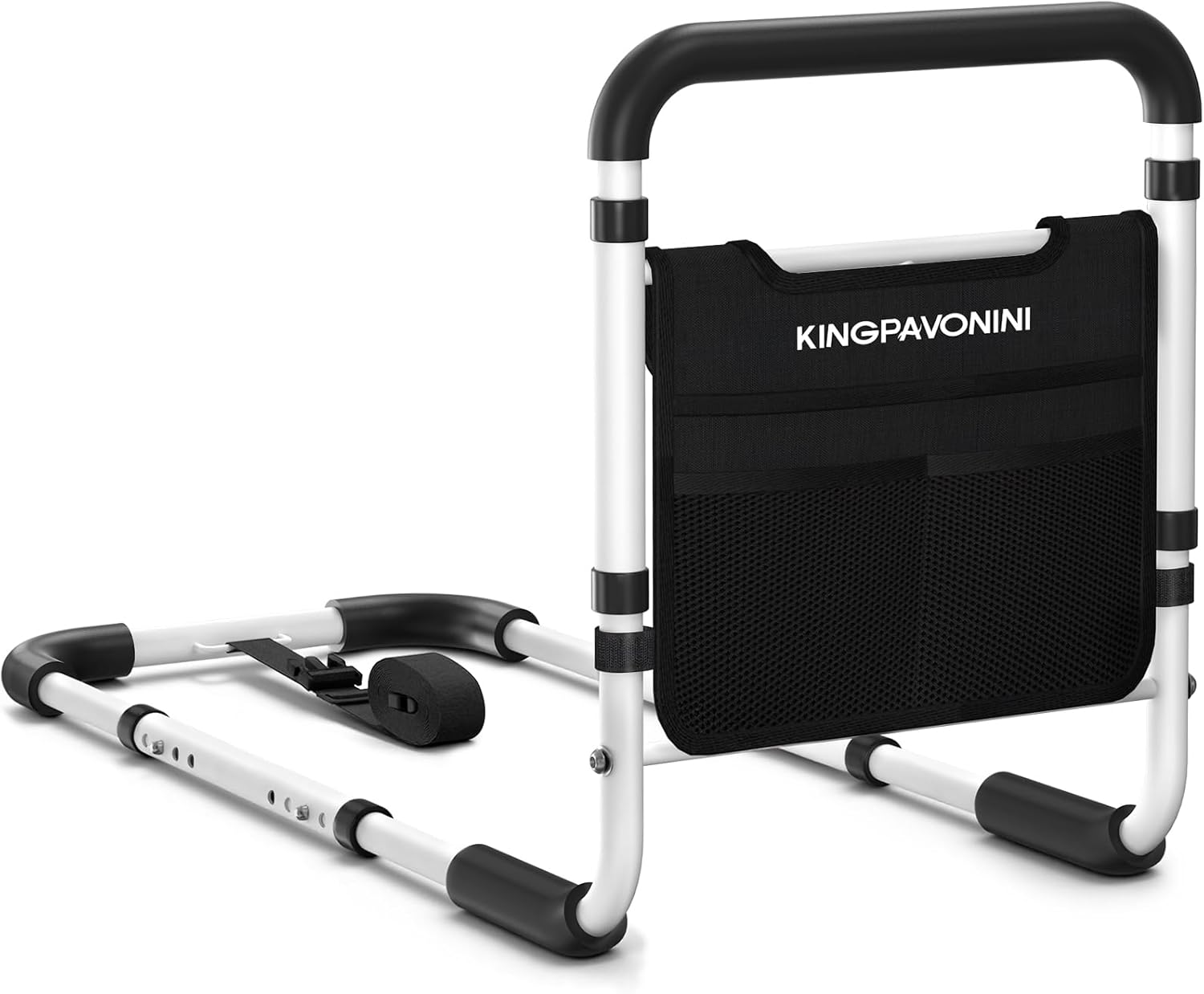
Bed Rail for Seniors
A raised toilet seat for elderly use can make bathroom transfers easier, safer, and less painful when it fits the person and the toilet correctly. The best choice balances height, stability, comfort, and easy cleaning, and you should talk to your doctor if balance or mobility is a concern.
A raised toilet seat for elderly use can make one of the most important rooms in the home safer and easier to manage. For many older adults, a little extra height can reduce strain on the knees, hips, and back while also helping with confidence during daily routines.
That said, the best choice depends on the person, the toilet, and the home setup. A good fit should feel stable, comfortable, and easy to clean, and it should support independence without creating new risks.
- Fit first: Match seat height and toilet shape to the user.
- Safety matters: Look for secure attachment, non-slip design, and strong weight support.
- Comfort helps: Armrests and padding can improve confidence and reduce strain.
- Know the limits: Severe weakness or balance problems may need another aid.
- Check coverage: Medicare and insurance rules vary, so confirm before buying.
What Makes a Raised Toilet Seat for Elderly Use a Smart 2026 Caregiving Upgrade
In 2026, more families are looking for practical ways to make aging at home safer without major remodeling. A raised toilet seat is a simple upgrade that may help reduce the effort needed to sit down and stand up from the toilet.
This matters because bathroom transfers can be difficult for people with arthritis, weak legs, balance problems, or recovery-related pain. When used correctly, a raised seat may help lower stress on joints and reduce the chance of an awkward movement or near-fall.
- Less bending when sitting and standing
- More independence for everyday bathroom use
- Helpful support during short-term recovery
- Can be paired with other bathroom safety aids
It is also worth noting that a raised seat is not the right answer for every household. If the user has severe weakness, confusion, frequent dizziness, or major balance trouble, talk to your doctor or healthcare provider before buying one.
Bathroom safety often works best as a system. A raised seat may help, but grab bars, good lighting, and non-slip flooring can matter just as much.
If you are comparing options, it may help to review a broader raised toilet seat guide alongside other bathroom aids. Families who also want extra toilet support may find that a toilet safety rail or a bidet-style attachment can improve comfort, depending on the person’s needs.
How to Choose the Right Raised Toilet Seat: Height, Stability, and Comfort
The best raised toilet seat for elderly use is the one that matches the user’s body, mobility level, and toilet shape. A seat that is too high can feel unstable, while one that is too low may not provide enough help.
Before buying, measure the toilet and consider how the person gets on and off the seat. If possible, have the future user try a similar setup in person, since comfort can vary a lot from one person to another.
Matching seat height to mobility needs and joint pain
Seat height should make standing up easier without forcing the feet to dangle or the knees to feel unsupported. For someone with knee replacement recovery, hip pain, or stiff joints, even a modest lift can make a noticeable difference.
For a person who already has trouble balancing, though, too much height can be a problem. The goal is a natural sitting position with feet planted firmly on the floor and enough support to shift weight safely.
- Can both feet rest flat on the floor?
- Does the user feel steady when standing?
- Is the seat height comfortable for the knees and hips?
- Does the person need help or can they transfer alone?
Clamp-on, locking, padded, and armrest-equipped options
Clamp-on models attach to the toilet bowl and are popular because they can be simple and space-saving. Locking versions may feel more secure if the seat must stay firmly in place, especially in a busy home where caregivers help often.
Padded seats may feel gentler for people with sensitive skin or bony hips, but padding can add cleaning challenges. Armrest-equipped models are often helpful for people who need extra push-off support, although they take up more room in smaller bathrooms.
- Can reduce strain on knees and hips
- May improve confidence during transfers
- Some styles add side support for standing
- Some models are harder to clean
- Not all toilets are compatible
- Can feel unstable if installed poorly
Best Situations for Using a Raised Toilet Seat at Home
Raised toilet seats are often most useful when the need is temporary or when the user has a predictable mobility challenge. They can be a practical part of home care, especially when the bathroom is the hardest room in the house to manage safely.
They are not just for post-surgery recovery. Many older adults use them to make daily life easier when standing from a low toilet has become tiring or painful.
Recovery after surgery, arthritis support, and fall prevention
After surgery, such as a hip or knee procedure, a higher seat can reduce the effort needed to sit and stand. This may help protect healing joints and make bathroom trips less stressful.
For people living with arthritis, the extra height may ease pressure on painful joints. It can also be part of a fall-prevention plan when the person is still mobile but feels unsteady on low surfaces.
Many bathroom falls happen during transfers, not while walking. That is why the toilet area deserves as much attention as the shower or tub.
When a toilet safety frame or bedside commode may be better
A raised seat is helpful, but it is not always enough. If the user needs arm support on both sides, a toilet safety frame may be a better fit because it adds sturdy handholds around the toilet.
A bedside commode can be more appropriate after surgery, during nighttime mobility problems, or when walking to the bathroom is too difficult. If the person has severe weakness or very limited balance, consult your doctor or occupational therapist before deciding.
If bathroom transfers are becoming unsafe, painful, or confusing, ask a healthcare professional whether a raised toilet seat, commode, walker, or another aid is the best choice.
Key Safety Features Seniors and Caregivers Should Look For
Safety should come before style. A raised toilet seat for elderly use needs to stay in place, support the user’s weight, and feel secure every time it is used.
Caregivers should also think about how the seat will be installed, cleaned, and checked over time. A product that looks sturdy online may still be inconvenient in a real home if it is hard to fasten correctly.
Weight capacity, non-slip surfaces, and secure attachment
Always check the weight limit and compare it with the user’s body weight plus any extra pressure from leaning or pushing up. A seat should feel solid, not wobbly.
Non-slip surfaces and secure attachment points matter because even slight movement can make an older adult hesitate. If the seat shifts, rocks, or loosens, stop using it until the issue is fixed.
A loose raised toilet seat can increase fall risk. If the seat does not fit the toilet correctly, do not “make it work” with improvised padding or unstable adjustments.
Armrests, lid design, and ease of cleaning
Armrests can be very helpful for people with weak legs or sore joints, but they should be placed where the user can reach them naturally. If the arms are too low, too narrow, or too far back, they may not provide real help.
Lid design matters too. Some raised seats have a lid for a more finished look, while others are open or easier to wipe down. For caregiver use, smooth surfaces and simple cleaning usually matter more than appearance.
When possible, clean the seat with the same routine you use for other bathroom touchpoints. Regular wiping helps reduce germs and makes it easier to notice cracks, looseness, or wear.
Common Mistakes When Buying a Raised Toilet Seat for Elderly Use
Many buying mistakes happen because families focus on the product and overlook the toilet itself. The shape of the bowl, the space around the toilet, and the user’s real movement pattern all matter.
Taking a few measurements before shopping can prevent returns, frustration, and unsafe workarounds.
Choosing the wrong height or ignoring toilet shape compatibility
Not every seat fits every toilet. Round and elongated bowls may need different products, and some toilets have unusual shapes or lids that get in the way.
Choosing the wrong height can be just as problematic. Too much lift may make the user feel perched, while too little lift may not relieve enough pressure on the joints. If you are unsure, consult your healthcare provider or an occupational therapist for guidance.
Overlooking caregiver installation and maintenance needs
Some products are easy to install once and then forgotten, but others need frequent tightening or repositioning. If a caregiver will be responsible for setup, choose a model that is simple to secure and easy to inspect.
It is also smart to plan for cleaning. A seat that traps moisture or has too many seams may be harder to keep sanitary, especially in a shared bathroom.
If the user has limited hand strength, arthritis, or vision problems, choose controls and latches that are easy to understand and operate without strain.
Raised Toilet Seat Price Guide: Budget vs Premium Options in 2026
Prices vary by design, materials, and added support features. In general, simple risers cost less, while models with armrests, padding, or safety-frame combinations usually cost more.
Insurance coverage can also vary. Medicare and private plans may cover certain bathroom safety items in some situations, but coverage rules differ by plan, location, and medical need. It is best to check with the supplier, your insurer, or a healthcare provider before buying.
What affects cost and where value matters most
Cost is affected by material quality, locking systems, armrests, and whether the seat is designed for a specific toilet style. More expensive does not always mean better, but very cheap models may feel less stable.
Value matters most in the areas of fit, safety, and ease of cleaning. A well-fitting, stable seat is usually worth more than a fancy model that does not match the toilet or the user’s needs.
Comparing basic risers, padded models, and safety-frame combos
Basic risers are often best for short-term use or for people who only need a small amount of extra height. They are usually the simplest option, especially when budget matters.
Padded models may improve comfort for sensitive users, while safety-frame combos can offer more confidence for those who need arm support. If you are also considering other bathroom aids, a toilet seat bidet attachment may be useful for comfort and hygiene, but it should be chosen carefully to avoid crowding the toilet area.
| Option | Best For | Note |
|---|---|---|
| Basic toilet riser | Simple height support | Usually the most affordable |
| Padded raised seat | Extra comfort | May be harder to clean |
| Seat with armrests | Push-off support | Helpful for weaker legs |
| Safety-frame combo | Added transfer stability | Takes up more bathroom space |
Expert Help Warning: When to Ask a Nurse, OT, or Doctor Before Buying
Sometimes the right answer is not a different product, but a different level of support. A nurse, occupational therapist, or doctor can help determine whether a raised seat is enough or whether another mobility aid would be safer.
This is especially important if the older adult has had recent falls, new weakness, a stroke, severe arthritis, confusion, or trouble following directions. In those cases, a quick purchase may not solve the real problem.
Signs the user may need a different mobility aid
Watch for signs that bathroom transfers are becoming unsafe. These may include holding onto walls, needing two people to help, freezing mid-transfer, or sitting down too quickly because of dizziness or pain.
If the person cannot rise from the toilet even with a raised seat, or if they feel unsteady standing afterward, ask a professional about a walker, bedside commode, toilet frame, or other support. When medications may be affecting balance or alertness, consult your pharmacist or healthcare provider as well.
SeniorsProTalk Editorial Team
For caregivers who are still comparing options, it may help to read about shower chair options for older adults and other home safety tools. Bathroom safety works best when each aid fits a specific need instead of trying to do everything at once.
Final Recap: The Best Raised Toilet Seat for Elderly Use Balances Safety, Comfort, and Independence
The best raised toilet seat for elderly use is the one that helps the person sit and stand with less effort while staying secure and easy to maintain. Comfort matters, but stability, fit, and simple cleaning matter just as much.
For many families, this small change can make daily life easier and reduce stress in the bathroom. Still, if the person has major balance issues, pain, or repeated near-falls, talk to your doctor or another healthcare professional before choosing a product.
Frequently Asked Questions
The best height lets the user sit and stand with less strain while keeping both feet steady on the floor. If you are unsure, ask an occupational therapist or healthcare provider for guidance.
They can help, but they are not always enough for someone with major balance trouble. If the person feels unsteady, talk to your doctor before buying one.
A raised toilet seat adds height, while a toilet safety frame adds hand support for standing and sitting. Some products combine both features for extra stability.
No, fit depends on the toilet shape and the product design. Always check whether the seat is made for a round or elongated bowl before buying.
Prices vary based on features such as armrests, padding, and locking systems. Insurance coverage also varies, so check with your plan, supplier, or healthcare provider.
A bedside commode may be better if walking to the bathroom is unsafe or too tiring. It can also help during recovery, especially at night or after surgery.