
Pressure Mattress vs Hospital Mattress for Seniors


Bedside Commode Chair

Compression Socks

Portable Wheelchair
Choosing a pressure mattress vs hospital mattress changes daily life for a bedbound senior. The right bed prevents painful skin sores. It also keeps the user comfortable all day and night.
Caregivers need a mattress that is simple to clean. They also need it to be safe to use. This guide compares both choices deeply. You can find the best fit for your loved one.
Many families feel lost when buying home medical gear. We break down the facts to make this choice simple and clear.
Quick Comparison
A pressure mattress is best for seniors who spend most of their day in bed. It uses changing air to stop skin sores from forming. The moving air does the heavy lifting for the caregiver.
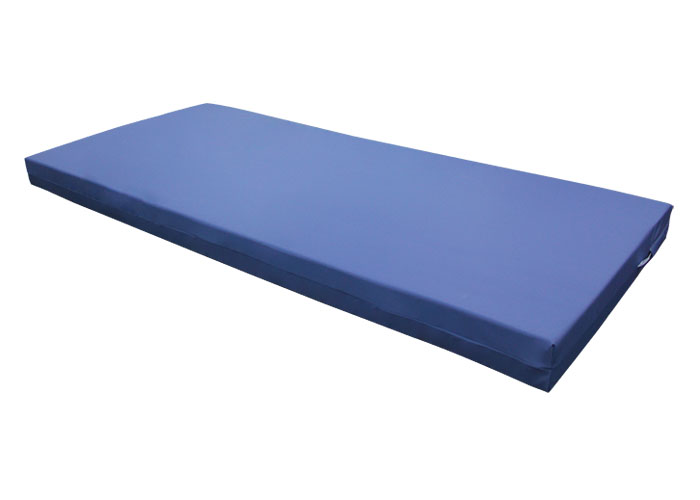
A standard hospital mattress is better for seniors with more mobility. It gives a firm and stable surface for easy sleep. It also offers safe and fast transfers out of bed. Choose the air model for frail skin. Choose the foam model for daily active use.
At-A-Glance Comparison
Here is a fast look at how these two mattress types compare. This table covers the main points for home care. Use this chart to see the big differences quickly.
| Feature | Pressure Mattress | Hospital Mattress |
| Best For | High bedsore risk | General daily comfort |
| Power Needed | Yes (uses an air pump) | No (foam or springs) |
| Edge Support | Low (can feel soft) | High (firm edges) |
Pressure Mattress Review for Seniors
A pressure mattress uses moving air cells to shift body weight. This constant motion keeps blood flowing to the skin. It works to keep frail skin healthy.
Ease of Use
Caregivers must plug in the pump. They also set the right weight limit on the dial. The pump does the rest of the work. You do not need to turn the senior as often by hand.
The cover is easy to wipe clean. Most spills clean up in seconds. The setup takes a little time, but daily use is quite simple.
Key Strengths
- Stops painful bedsores from forming on the back.
- Heals skin spots that are already red and sore.
- Lets caregivers change the bed firmness with a dial.
- Soft on fragile senior joints and stiff muscles.
- Reduces the need for heavy manual lifting by caregivers.
Potential Drawbacks
- The air pump makes a low humming noise all night.
- Needs a power cord and wall plug to work.
- Soft edges make getting out of bed much harder.
- Some seniors feel dizzy from the moving air.
Hospital Mattress Review for Seniors
A standard hospital mattress uses thick foam or inner springs. It bends easily to work with adjustable bed frames. It looks and feels like a normal bed.
Ease of Use
This choice is very easy to use at home. You just place it on the bed frame and add sheets. There are no cords or air pumps to check.
Caregivers love how simple it is. It requires zero tech skills. The firm foam stays in place when you raise the head of the bed.
Key Strengths
- Firm edges help seniors stand up safely and easily.
- Completely silent for a good night of deep sleep.
- No setup time or loose power cords needed.
- Very stable for physical therapy done in the bed.
- Feels like a normal home bed for the user.
Potential Drawbacks
- Does not stop severe skin sores from forming.
- Can trap body heat and cause night sweating.
- Caregivers must turn the frail senior by hand often.
- The foam can break down over a few years of heavy use.
Which Is Easier for Seniors to Use?
Both options offer different kinds of ease for daily home care. Ease of use depends heavily on the senior’s health.
A standard hospital mattress is easier for a senior who can still walk. The firm edges give them a safe place to sit. They can push off the bed without sinking into the mattress. This builds confidence and independence.
A pressure mattress is much easier for a senior who cannot move well. The air pump shifts their weight for them automatically. This saves the senior from stiff pain. It also saves the caregiver from heavy manual lifting.
Cleaning both beds is quite similar. Both use smooth covers that block water. A quick wipe with a wet cloth keeps them clean. However, the air bed requires you to dust the pump unit weekly.
Performance Comparison
Performance depends on what the senior needs most each day. Both beds do their specific jobs very well.
For skin health, the pressure mattress wins easily. The changing air pockets remove stress from the heels, hips, and back. Blood flows well even if the person cannot move.
For pure sleep quality, the hospital mattress often performs better. It stays silent and feels like a normal bed. The foam blocks motion and stays very still.
Durability is a tie. Good foam lasts a long time. A good air pump also runs for years. You just need to care for them properly.
Comfort, Accessibility, and Senior-Friendly Design
Senior comfort involves both feeling good and staying safe. A good bed must make daily life less stressful.
“The right mattress makes the bedroom a place of healing, not a place of pain.”
A standard hospital mattress offers a flat, familiar feel. It is highly accessible for seniors who use walkers or canes. The solid foam gives them a strong base. They feel safe sitting on the edge to get dressed.
A pressure mattress can feel strange at first. The moving air takes time to get used to. It feels like sleeping on a gentle boat.
However, for a frail senior, that soft air removes deep bone pain better than solid foam. The soft surface wraps around sore joints. It is less accessible for walking, but more comfortable for full bed rest.
Features Comparison
These beds come with very different parts and tools. Here is how their main features stack up for home use. Review these points to see what fits your home.
| Feature | Pressure Mattress | Hospital Mattress |
| Core Material | Air bladders | Medical foam or springs |
| Cover Type | Waterproof and stretchy | Waterproof and smooth |
| Noise Level | Low hum from pump | Completely silent |
Price, Maintenance, and Long-Term Value
Budget and long-term care needs play a big role in this choice. You must look past the first price tag.
A basic hospital mattress costs less up front. It lasts a long time and only needs a quick wipe to stay clean. You never have to buy extra parts or fix a motor. This makes it a great cheap choice for basic care.
A pressure mattress costs more to buy. It also needs some light maintenance. You must check the air hoses for leaks. You also need to dust the pump so it stays cool.
However, preventing one bad skin sore makes the extra cost a great long-term value. Medical bills for skin sores are very high. The air bed saves money in the long run for frail seniors.
Who Should Choose a Pressure Mattress?
This style of bed is a strong medical tool for fragile skin. It is built for full-time bed care.
- Seniors who spend more than 15 hours a day in bed.
- Anyone with a history of skin sores or red marks.
- Seniors who are too frail to roll over by themselves.
- Families trying to reduce manual lifting in bed.
- Users who have very bad joint pain on hard beds.
Who Should Choose a Hospital Mattress?
This style is best for basic comfort and safe movement. It works best for active seniors.
- Seniors who only use the bed for sleeping at night.
- People who need a firm edge to stand up safely.
- Seniors who hate background noise while resting.
- Anyone healing from a basic surgery like a knee replacement.
- Users who want a bed that feels perfectly normal.
Pressure Mattress vs Hospital Mattress Final Verdict
Choosing the right bed comes down to mobility and skin health. Both options shine in their own special way.
- Best for most seniors: Hospital Mattress
- Best for skin sores: Pressure Mattress
- Best value: Hospital Mattress
- Best for frail seniors: Pressure Mattress
If the senior can walk and move, stick with a standard foam option. It offers safety and quiet sleep. If they are confined to the bed, the active air model is much safer. The moving air protects their delicate skin.
Scoring Summary
We scored these options based on daily senior needs. Here is the final tally for both types. Look at the scores that matter most to your loved one.
| Category | Pressure Mattress | Hospital Mattress |
| Skin Protection | 10/10 | 5/10 |
| Ease of Movement | 4/10 | 9/10 |
| Silent Sleep | 5/10 | 10/10 |
| Caregiver Ease | 9/10 | 6/10 |
| Value | 7/10 | 9/10 |
How We Evaluate Products
We look at home medical gear through the eyes of seniors and families. We focus on real daily use. We do not just read factory claims.
We rate mattresses on skin safety, daily comfort, and ease of cleaning. We also look at how easily a senior can get out of the bed. We check to see if the bed makes too much noise.
We aim to share practical facts that help families choose well. We know this choice impacts daily life deeply. Our goal is to make home care easier and safer.
Senior-Specific Buying Considerations
Keep these key points in mind before you buy a new bed. Your home setup matters a lot.
- Skin Frailty: Does the senior bruise or tear skin easily?
- Transfer Safety: Do they slide off the bed when trying to stand?
- Power Access: Is there a safe plug near the bed for an air pump?
- Weight Limits: Can the bed hold the senior safely without bottoming out?
- Room Heat: Does the senior sweat a lot at night?
- Noise Tolerance: Will a humming pump keep them awake at night?
Common Buying Mistakes
Many families buy the wrong bed and have to return it. Avoid these simple but common errors.
- Buying a soft air bed for a senior who needs firm support to stand.
- Ignoring the noise level of an air pump in a small quiet room.
- Using a standard home mattress on an adjustable hospital bed frame.
- Waiting too long to buy an air mattress when skin sores first appear.
- Forgetting to check the weight limit on a foam mattress.
- Buying a cheap unsealed mattress that gets ruined by spills.
Safety and Health Factors
Safety always comes first when caring for an older adult at home. Both beds have rules to follow.
Always check the air pump cords so no one trips in the dark. Keep the waterproof covers clean to stop germs from growing. Tuck sheets loosely on air beds so the cells can move freely.
If the senior has deep red skin or open sores, speak to a doctor right away. A mattress helps, but it does not replace a doctor’s medical care. Good skin care requires professional advice. Stop using a foam bed if it sinks deeply in the middle.
Conclusion
The choice between a pressure mattress vs hospital mattress comes down to how much time the senior spends in bed. The right choice keeps them safe, clean, and resting well. It also removes stress from the family caregiver.
A standard foam mattress works best for active seniors who need a firm edge to stand. It stays quiet and stable all night long. An alternating air mattress is the best tool to protect bedbound seniors from painful skin sores. It does the hard work for you.
