
Post Stroke Home Care Checklist for Safe Recovery

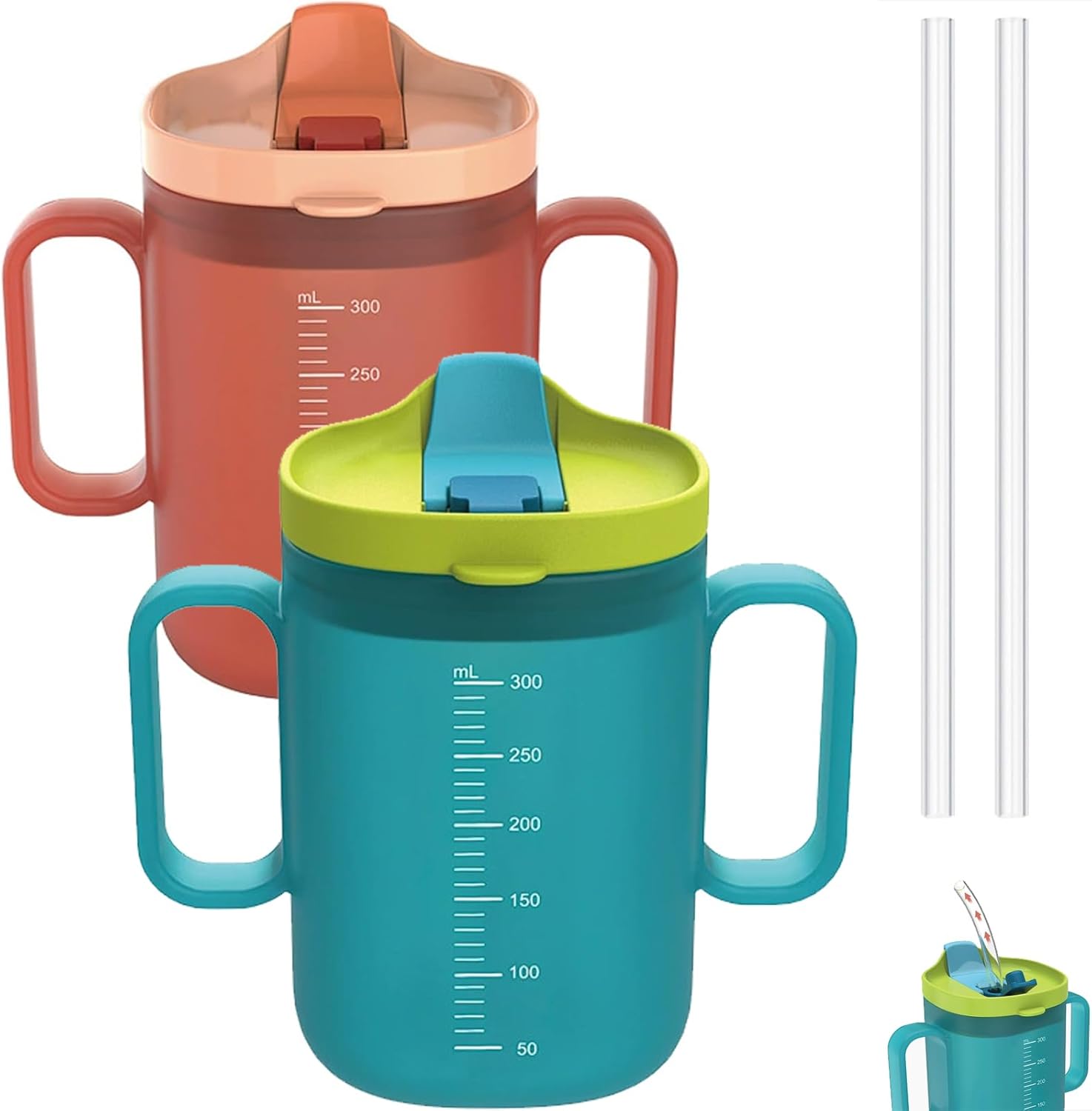
Spill-Proof Adult Cup

Portable Wheelchair

Foot Massager Machine
A post stroke home care checklist helps families make the home safer, organize daily care, and spot problems early. It should cover fall prevention, personal care, medications, nutrition, communication, and warning signs that need medical help.
Recovering at home after a stroke can feel overwhelming, but a clear plan makes daily life safer and less stressful. A good post stroke home care checklist helps families focus on the basics: fall prevention, personal care, medications, nutrition, communication, and warning signs that need medical attention.
Every stroke recovery is different. Some people need help for only a short time, while others need long-term support from family, home health aides, or therapists. Use this guide as a practical starting point, and always talk to your doctor or healthcare provider about changes in mobility, speech, swallowing, mood, or memory.
- Safety first: Clear walkways, better lighting, and proper equipment reduce fall risk.
- Daily support: Break bathing, dressing, and toileting into simple steps.
- Medication and meals: Keep prescriptions organized and watch for swallowing or hydration issues.
- Watch changes: Track mobility, speech, mood, and fatigue over time.
- Get help early: Call a doctor for worsening symptoms and emergency services for sudden stroke signs.
What a Post Stroke Home Care Checklist Should Cover in 2026
A useful checklist should do more than list chores. It should match the person’s current abilities, reduce risk, and make daily care easier for everyone involved. In 2026, that often means combining simple home safety steps with better routines, adaptive tools, and support services when needed.
How home recovery needs change after a stroke
Stroke recovery is not one-size-fits-all. A person may have weakness on one side, poor balance, trouble speaking, swallowing problems, or changes in thinking and memory. These issues can improve over time, but they can also change from week to week.
That is why a checklist should be updated often. A task that feels manageable today may be too hard next month, or the other way around. If the person becomes more tired, confused, or unsteady, consult your doctor or therapist before increasing activity.
Who this checklist is for: patients, family caregivers, and hired aides
This checklist is helpful for the stroke survivor, family members, and paid caregivers alike. It gives everyone the same plan for what needs to happen each day, what to watch for, and when to ask for help.
If several people share care, write down who handles medications, meals, bathing, appointments, and transportation. Clear roles reduce mistakes and help the person recovering feel more secure.
Recovery needs can change quickly after a stroke. Revisit the care plan after any hospital visit, therapy change, new medication, or fall.
Preparing the Home for Safer Movement and Fall Prevention
Falls are one of the biggest concerns after a stroke. Weakness, dizziness, poor balance, and slower reaction time can make even familiar rooms risky. A few home changes can make a major difference.
Removing trip hazards, improving lighting, and creating clear walking paths
Start with the floors and hallways. Remove loose rugs, clutter, cords, and small furniture that narrows walking space. Keep walking paths open between the bed, bathroom, kitchen, and favorite chair.
Good lighting matters too. Use brighter bulbs where needed, add night lights in halls and bathrooms, and make sure switches are easy to reach. If vision has changed after the stroke, ask the doctor whether an eye check or therapy referral would help.
- Loose rugs and slippery mats
- Cords near walkways
- Poor lighting in halls and stairs
- Clutter near beds, chairs, and doorways
- Uneven thresholds or broken flooring
Bathroom and bedroom setup examples for limited mobility
The bathroom is often the most dangerous room at home. Add non-slip mats, a shower chair, and grab bars if recommended by a professional. Keep soap, towels, and toiletries within easy reach so the person does not need to bend or stretch.
In the bedroom, make sure the bed is at a safe height for getting in and out. A bedside lamp, phone, glasses, water, tissues, and walking aid should be easy to reach. If getting to the bathroom is difficult at night, ask your healthcare provider whether a bedside commode is appropriate.
Mobility aids to consider: walkers, grab bars, shower chairs, bedside commodes
Mobility aids can improve safety, but only when they are the right fit. A walker, cane, or wheelchair should be selected with guidance from a therapist or doctor. Grab bars should be firmly installed, not suction-mounted unless a professional says they are suitable.
Adaptive equipment can reduce strain on both the stroke survivor and the caregiver. If a device feels awkward or unsafe, stop using it and ask for a better option. In many cases, a physical or occupational therapist can recommend the safest setup.
Never assume a device is safe just because it is sold for home use. Poorly fitted walkers, unstable grab bars, or weak shower seats can increase fall risk.
Daily Personal Care Tasks That Support Recovery
Personal care after a stroke often takes more time and patience. Tasks like bathing and dressing may be physically harder, and they can also feel frustrating when the person wants to do more independently.
Bathing, dressing, toileting, and grooming with reduced strength or balance
Break tasks into smaller steps. Let the person do as much as possible, but step in when balance, fatigue, or weakness becomes a problem. For example, sit while dressing, use a shower chair, and keep commonly used items within arm’s reach.
Toileting may require extra planning. Make sure the path to the bathroom is clear, clothing is easy to remove, and any mobility aid is close by. If skin irritation, incontinence, or constipation becomes a problem, talk to your doctor.
Making routines easier with adaptive tools and step-by-step assistance
Adaptive tools can save energy and reduce stress. Long-handled sponges, button hooks, zipper pulls, and easy-grip utensils may help with daily routines. A simple step-by-step routine can also make mornings and evenings less confusing.
Gather clothes, toiletries, and personal items before starting so the person does not need to search or stand too long.
Short, calm directions are easier to follow than long explanations, especially if speech or memory has changed.
Common mistakes that increase frustration, fatigue, or injury
One common mistake is rushing. Another is doing too much for the person, which can slow recovery and reduce confidence. A third is ignoring fatigue, which can lead to unsafe movement or poor balance later in the day.
If a task regularly leads to pain, panic, or near-falls, adjust the routine and ask a therapist for advice. Small changes often make care much safer.
Medication, Nutrition, and Hydration Management at Home
Medicines, meals, and fluids are a major part of recovery. A home plan should make it easier to stay on schedule and notice problems early.
Keeping prescriptions organized and on schedule
Use a pill organizer, printed medication list, or phone reminders to keep prescriptions on track. Keep an up-to-date list of all medicines, including over-the-counter products and supplements, and review it with your pharmacist or healthcare provider.
After a stroke, some people take blood pressure medicine, blood thinners, cholesterol medicine, or diabetes medication. Because medication plans vary, never change doses on your own. Ask your doctor or pharmacist if you are unsure about timing, side effects, or interactions.
If the person is missing doses, feels dizzy after taking medicine, or seems unusually sleepy, contact the prescribing doctor or pharmacist. Medication problems can affect safety and recovery.
Stroke-friendly meal planning for swallowing issues, appetite loss, or diabetes
Some stroke survivors have trouble swallowing, which can raise the risk of choking. Others lose their appetite or need meals adjusted for diabetes or heart health. Meal texture, portion size, and salt intake may need to be changed based on medical advice.
If swallowing is difficult, ask your doctor whether a speech-language pathologist should evaluate the person. Do not guess about thickened liquids or food texture changes without professional guidance, since the wrong consistency can be unsafe.
After a stroke, swallowing problems can be subtle. Coughing during meals, a wet-sounding voice, or food left in the mouth can all be warning signs to mention to a clinician.
Hydration reminders and warning signs of poor intake
Dehydration can make weakness, confusion, constipation, and fatigue worse. Offer fluids regularly unless the doctor has given a fluid limit. Small sips throughout the day may be easier than large amounts at once.
Watch for dark urine, dry mouth, dizziness, or reduced urination. If these signs continue, contact a healthcare provider. If the person cannot safely swallow fluids, seek medical advice promptly.
Communication, Memory, and Emotional Support After Stroke
Stroke can affect more than movement. It may also change speech, understanding, memory, and mood. A caring home environment should make communication simpler and less stressful.
Helping with aphasia, slowed speech, or confusion
Aphasia means trouble speaking, understanding, reading, or writing. Some people know exactly what they want to say but cannot get the words out. Others speak slowly or seem confused when they are actually trying very hard.
Give extra time, avoid finishing every sentence, and ask yes-or-no questions when needed. Speak in a calm voice and reduce background noise. If communication suddenly worsens, call the doctor right away.
Using notes, visual cues, and simplified routines for daily tasks
Simple visual aids can make the day easier. Try large-print notes, labeled drawers, a daily schedule on the wall, or picture reminders for meals and medicine. Keep routines as consistent as possible.
For some families, a shared notebook works well for appointments, symptoms, and questions for the doctor. If the person uses technology comfortably, tools like voice reminders may also help. For those who want to learn more about simple home tech support, how seniors can use Alexa at home may be useful for routine reminders.
Supporting mood changes, anxiety, depression, and caregiver patience
Emotional changes are common after a stroke. The person may feel sad, angry, scared, embarrassed, or more easily frustrated. Caregivers may also feel tired or overwhelmed, especially when progress is slow.
Offer reassurance without arguing about feelings. If sadness, hopelessness, sleep changes, or loss of interest last more than a short time, talk to your doctor. Caregiver stress matters too, and asking for help is a sign of good planning, not failure.
Monitoring Recovery Progress and Knowing When to Call for Help
Recovery is easier to manage when you track small changes. A simple log can help you and the healthcare team see what is improving and what may need attention.
Tracking mobility, speech, swallowing, pain, and fatigue changes
Write down how far the person can walk, whether they need help standing, how speech is changing, and whether meals are going well. Also note pain, swelling, shortness of breath, and fatigue level.
These notes do not need to be perfect. Even short daily observations can help the doctor or therapist decide whether the current plan is working. If the person seems to be declining instead of improving, bring the log to the next visit.
Red-flag symptoms that need urgent medical attention
Some symptoms should never wait. Call emergency services right away for signs of another stroke, such as sudden face drooping, arm weakness, speech trouble, sudden confusion, or sudden vision changes.
Also seek urgent help for chest pain, trouble breathing, fainting, a major fall, a head injury, or sudden severe headache. If you are unsure, it is safer to get help quickly and let a professional decide.
When to contact a doctor, therapist, or emergency services
Contact the doctor or therapist if the person is falling more often, choking on food or drinks, becoming more confused, or struggling with medicine side effects. New pain, swelling, or a big drop in activity should also be reported.
Emergency services are for sudden, serious symptoms. For slower changes, call the office, rehab team, or pharmacist and explain what is happening. If you are ever uncertain, ask sooner rather than later.
Cost, Care Options, and Support Services for Home Stroke Recovery
Home recovery can be less expensive than facility care, but it still comes with costs. Families often need to balance safety, time, and budget while deciding how much help is needed.
Comparing family caregiving, home health aides, and skilled home care
Family caregiving can work well when needs are modest and relatives are available. Home health aides may help with personal care, light support, and supervision, depending on the service and local rules. Skilled home care may involve nurses or therapists for medical or rehabilitation needs.
The right choice depends on the person’s condition, the caregiver’s strength, and how much supervision is needed. If the person has complex medical needs, ask the discharge team or doctor what level of support is appropriate.
| Option | Best For | Note |
|---|---|---|
| Family caregiving | Lower-support recovery | Can be flexible, but may be tiring without backup |
| Home health aide | Help with daily personal care | Availability and services vary by location |
| Skilled home care | Medical or therapy needs | Usually requires provider orders and eligibility review |
Typical out-of-pocket costs and what insurance may help cover in 2026
Costs vary widely by location, length of visits, and type of help needed. Insurance coverage also depends on the plan, medical need, and whether services are considered skilled care or non-medical support.
Before hiring help, ask what the plan covers, what requires a referral, and whether there are limits on visit types or duration. If you are comparing care settings, it may also help to review broader housing and support options such as senior living vs independent living when home care is no longer enough.
How to decide when extra professional support is worth the expense
Extra help may be worth it if the person is falling, missing medications, not eating well, or leaving a caregiver exhausted. Professional support can also reduce the chance of injury for both the stroke survivor and the family caregiver.
If money is tight, ask the hospital discharge planner, social worker, or insurance company about covered services and community resources. A short-term plan can sometimes prevent a much bigger problem later.
Final Post Stroke Home Care Checklist Recap for Safer Recovery
A strong home care plan is built on safety, routine, and flexibility. The goal is not to do everything perfectly; it is to reduce risk and support steady recovery day by day.
Key takeaways for safer routines, fewer accidents, and better independence
Clear walkways, good lighting, the right mobility aids, and simple daily routines can lower fall risk. Organized medicines, thoughtful meals, and regular hydration support healing and comfort.
Just as important, watch for changes in speech, swallowing, mood, pain, or confusion. If something feels off, talk to your doctor, therapist, or pharmacist rather than waiting.
- Make the home safer with clear paths, lighting, and the right equipment.
- Use simple routines for bathing, dressing, medicine, meals, and hydration.
- Track changes in mobility, speech, swallowing, and mood.
- Call for help quickly if red-flag symptoms appear.
How to use the checklist week by week as recovery changes
Review the checklist every week at first, then after any therapy update, fall, or new symptom. As the person regains strength, some tasks may become easier, while others may still need support.
Keep the checklist visible and easy to update. A good post stroke home care checklist should grow with the person’s recovery, giving the family a practical way to stay organized and safer at home.
Frequently Asked Questions
It should cover fall prevention, bathing and dressing help, medication management, meals, hydration, communication support, and warning signs. The checklist should also include who is responsible for each task.
Remove trip hazards, improve lighting, and keep walkways open. Add safety equipment such as grab bars, a shower chair, or a bedside commode if a healthcare professional recommends them.
Bathing, dressing, toileting, and moving around the home are often the hardest tasks. These usually take more time and may need adaptive tools or step-by-step help.
Call the doctor if the person is falling more, choking, becoming more confused, or having medication problems. Seek urgent help for sudden stroke symptoms, chest pain, trouble breathing, or a serious fall.
Use short sentences, one-step instructions, notes, labels, and consistent routines. Give the person extra time to respond and ask the doctor if speech or confusion gets worse.
Coverage varies by plan and by the type of service needed. Some skilled services may be covered, but personal care and non-medical help often have different rules, so check with the plan directly.