
Post Hip Surgery Care at Home Elderly Guide for Recovery


Page Magnifier Sheet

Upright Walker
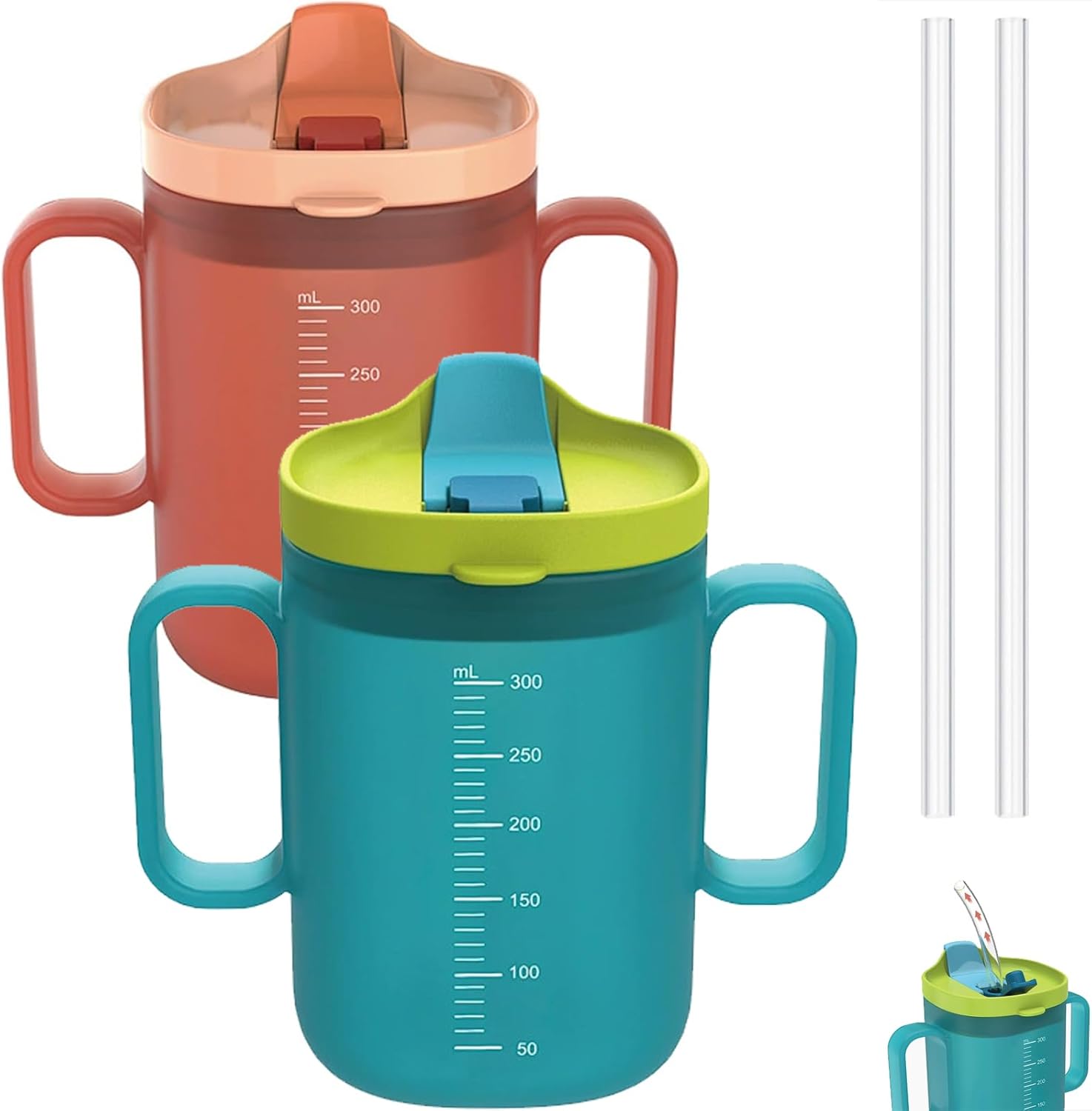
Spill-Proof Adult Cup
Safe hip surgery recovery at home for older adults starts with a prepared space, steady pain control, and gentle movement approved by the surgeon. Watch closely for infection, blood clot, dehydration, or severe pain, and call the doctor if symptoms change.
Recovering from hip surgery at home can feel like a big adjustment, especially for older adults who may already be dealing with pain, weakness, or balance concerns. The good news is that with the right setup, steady routines, and a little patience, post hip surgery care at home elderly patients need can be safe, practical, and easier for the whole family to manage.
This guide from the SeniorsProTalk Editorial Team focuses on everyday care steps that support comfort and healing. Because recovery plans vary by surgery type, age, and health conditions, always follow the instructions from the surgeon, physical therapist, and healthcare team.
- Prepare first: Clear paths, set up bathroom aids, and keep essentials nearby.
- Follow instructions: Use the surgeon’s rules for medicine, bathing, and movement.
- Move gently: Short walks and simple exercises help recovery when done safely.
- Watch warnings: Fever, drainage, chest pain, or sudden swelling need prompt attention.
- Ask for help: Extra caregiving or therapy may be needed for a smoother recovery.
Understanding Post Hip Surgery Care at Home for Elderly Recovery
Home recovery is not just about resting. It is about protecting the hip, preventing complications, and helping the senior regain movement little by little. For many older adults, the first days are the most important because pain, swelling, and fatigue are usually highest then.
What seniors and caregivers need to know in the first 72 hours
During the first 72 hours, the main goals are pain control, safe movement, incision protection, and close attention to warning signs. Most seniors will need help getting up, using the bathroom, taking medicine on time, and walking short distances with a walker or other support device.
It is also common for older adults to feel sleepy, foggy, or unsteady after anesthesia and pain medicine. That is why many families choose to keep a caregiver nearby, especially overnight or during bathroom trips. If the person seems unusually confused, very short of breath, or unable to wake normally, seek medical help right away.
Recovery speed varies a lot. A person who was active before surgery may progress faster than someone who already had weakness, arthritis, or memory problems.
How recovery goals differ after total hip replacement, partial hip replacement, or fracture repair
Not every hip surgery is the same. A total hip replacement usually aims to restore joint function and reduce long-term pain. A partial hip replacement often focuses on replacing only part of the joint, commonly after a fracture. Fracture repair may involve screws, rods, or plates, and the healing plan can depend on how stable the bone is.
Because of those differences, walking limits, weight-bearing rules, and hip precautions may change from one patient to another. Always ask the care team what the senior is allowed to do, especially before climbing stairs, sitting in a car, or bathing.
Preparing the Home Before the Senior Returns
A safe home setup can prevent falls and reduce strain on both the senior and the caregiver. Small changes made before discharge often make the first week much calmer and safer.
Setting up a safe bedroom, bathroom, and walking path
Choose a bedroom that is easy to reach and close to a bathroom if possible. Remove loose rugs, cords, clutter, and low furniture that could cause tripping. Keep commonly used items such as glasses, medicine, water, tissues, and a phone within easy reach.
In the bathroom, make sure the path is well lit and wide enough for a walker. A non-slip bath mat, stable chair, and raised toilet seat can all help. If stairs are unavoidable, ask the surgeon or therapist when and how the senior should use them safely.
Essential supplies: walker, raised toilet seat, shower chair, grab bars, and reacher tools
Many older adults benefit from a walker during the early recovery period. Other helpful tools include a raised toilet seat, shower chair, grab bars, and a reacher tool for picking up items without bending. A long-handled shoehorn or sock aid may also make dressing easier.
- Walker fits the senior’s height
- Bathroom floor is dry and non-slip
- Bed height allows safe standing
- Frequently used items are within arm’s reach
- Lighting is bright enough for night trips
Cost comparison: buying vs. renting recovery equipment in 2026
Costs for recovery equipment vary by store, location, and insurance coverage. Some items, like walkers or raised toilet seats, may be covered in part by Medicare or private insurance if prescribed, but coverage rules differ. Other items may need to be purchased out of pocket or borrowed from a local loan closet.
| Option | Best For | Note |
|---|---|---|
| Buy equipment | Longer recovery or future use | Helpful if the item will be used again |
| Rent equipment | Short-term needs | May cost less upfront, but availability varies |
| Borrow from community programs | Budget-conscious families | Check condition and fit before use |
If you are unsure what is covered, consult your doctor’s office, discharge planner, or insurance provider before buying. A pharmacist or medical supply store can also help explain equipment options.
Daily Post Hip Surgery Care at Home Elderly Caregivers Should Follow
Daily care works best when it follows a simple routine. Seniors usually do better when medicine, meals, walking, and rest happen around the same time each day.
Medication timing, pain control, and swelling management
Take medicine exactly as prescribed and do not wait until pain becomes severe if the care team advised scheduled dosing. Good pain control often makes it easier to walk, breathe deeply, and sleep. If a medicine causes dizziness, constipation, nausea, or confusion, tell the doctor or pharmacist.
Swelling is common after surgery. Elevation, if approved by the care team, and short periods of rest can help. Ice may also be recommended in some cases, but only use it if the surgeon says it is safe for the incision and skin.
If pain suddenly becomes much worse, medicine no longer helps, or swelling increases quickly, contact the surgical team. Medication plans may need to be adjusted, especially for older adults with kidney, stomach, or heart conditions.
Safe mobility routines: getting in and out of bed, chair, and bathroom
Safe movement is one of the most important parts of recovery. Many seniors do best when they move slowly, use both hands for support, and avoid twisting the body. A caregiver should stand close enough to help, but not pull on the arm or shoulder unless trained to do so.
Make sure the walker is within reach, feet are flat, and the path is clear.
Use the arms of the chair or bed for support and stand in stages if needed.
Turn carefully, avoid pivoting on the operated leg, and pause if dizzy.
Incision care, bathing restrictions, and dressing changes
Keep the incision clean and dry unless the surgeon gives different instructions. Do not scrub the area, soak in a tub, or use lotions, powders, or ointments unless approved. Dressing changes should be done exactly as instructed, and hands should be washed before and after touching the wound.
Do not ignore redness, drainage, warmth, or a bad smell around the incision. These can be signs of infection and should be reported promptly.
Meal, hydration, and constipation prevention support
Older adults often eat and drink less after surgery, but good nutrition supports healing. Offer protein-rich foods, fruits, vegetables, and fluids throughout the day unless the doctor has limited fluids for another condition. Small meals may be easier than large ones.
Constipation is common after hip surgery because of pain medicine, less movement, and lower fluid intake. Encourage water, fiber foods, and gentle walking if allowed. If the senior has not had a bowel movement for several days, ask the healthcare provider what to do next.
Keep a simple daily log for medicine, water, meals, bowel movements, and walking. This makes it easier to spot problems early and explain symptoms clearly to the care team.
Exercises and Movement Guidelines That Support Healing
Movement helps prevent stiffness and supports circulation, but too much too soon can slow recovery. The safest plan is the one approved by the surgeon or physical therapist.
Walking schedules and when to increase activity safely
Short, frequent walks are usually better than one long walk. Many seniors start with a few minutes at a time and gradually increase as strength improves. If the person becomes very tired, short of breath, or more painful after activity, scale back and ask the therapist for guidance.
Progress should be slow and steady. A good rule is to increase only one thing at a time, such as distance, standing time, or stairs, rather than all at once.
Many recovery setbacks happen not because seniors are “doing nothing,” but because they suddenly do too much after a few good days. Small, steady gains are usually safer.
Simple rehab exercises often recommended by physical therapists
Physical therapists often recommend gentle exercises such as ankle pumps, leg slides, or light standing movements to support circulation and mobility. The exact exercises depend on the surgery and the person’s balance, strength, and hip precautions.
Do not copy exercises from another patient’s plan. What is safe after one type of hip surgery may not be safe after another. If an exercise causes sharp pain, stop and ask the therapist or doctor.
Hip precautions to avoid dislocation or strain during recovery
Some patients are told to avoid bending the hip too far, crossing the legs, or twisting the body. These rules help lower the risk of dislocation, especially early in recovery. The exact precautions depend on the surgical approach and the surgeon’s instructions.
Hip precautions are not the same for every patient. Always confirm what movements are off-limits before assuming a common rule applies.
Common Mistakes Families Make After Hip Surgery
Most family caregivers mean well, but a few common habits can slow healing or increase the risk of falls. Knowing these mistakes ahead of time can help you avoid them.
Letting the senior sit too low, bend too far, or rush stairs
Low chairs, soft couches, and deep recliners can make it hard to stand safely. Bending too far to pick things up or rushing stairs can also strain the hip. Use firm seats with arms, and ask for therapist guidance before stair use.
Skipping pain medicine or overdoing activity too early
Some families worry about pain medicine and delay it too long, but uncontrolled pain can make walking and breathing harder. On the other hand, feeling “pretty good” one day does not mean the hip is fully healed. Recovery still needs pacing.
- Regular pain control can support safer walking
- Gradual activity helps rebuild strength
- Too much activity can increase pain and swelling
- Skipping medicine may make movement harder
Ignoring signs of infection, blood clots, or dehydration
Older adults may not always show clear warning signs right away. A fever, worsening redness, calf pain, sudden swelling, unusual sleepiness, or very dark urine should not be brushed off. If something feels “off,” it is better to call and ask.
When to Call the Doctor or Seek Urgent Help
Caregivers should know which symptoms can wait for a regular call and which ones need fast attention. Keep the surgeon’s office number, after-hours contact, and emergency number easy to find.
Warning signs that need same-day medical advice
Call the doctor the same day for increasing redness, drainage, fever, worsening pain, new confusion, constipation that will not improve, or swelling that seems to be getting worse instead of better. Also call if the senior cannot follow the home plan or is not able to walk as expected.
Emergency symptoms that require immediate care
Get emergency help right away for chest pain, trouble breathing, fainting, sudden severe leg swelling, a dislocated-looking hip, heavy bleeding, or a fall with new severe pain. These symptoms should not wait.
If you are unsure whether a symptom is urgent, call the surgeon’s office or nurse line. It is always better to ask than to guess after hip surgery.
How caregivers can track symptoms and communicate clearly with the care team
Write down the symptom, when it started, what made it better or worse, and whether medicine helped. If possible, note temperature, swelling changes, and walking ability. Clear notes help the care team make faster decisions.
Building a Realistic Recovery Plan for the First 6-12 Weeks
Recovery is usually measured in weeks, not days. A realistic plan helps the senior stay encouraged and keeps the family from expecting too much too soon.
Week-by-week expectations for strength, balance, and independence
In the first week, many seniors need help with most daily tasks. By weeks 2 to 4, some people can walk farther, dress more independently, and use the bathroom with less help. By weeks 6 to 12, balance and confidence often improve, but the pace varies widely.
Do not compare one recovery to another. Age, bone strength, memory, other illnesses, and the type of surgery all affect healing speed.
When home care, outpatient therapy, or extra caregiving support may be needed
Some seniors can manage with a family caregiver and a few therapy visits. Others may need home health support, outpatient rehab, or short-term help from a professional caregiver, especially if they live alone or have dementia, weakness, or multiple medical conditions.
If the family is struggling to keep up with bathing, meals, medication, or safe walking, ask the discharge team about extra support options. Planning early is usually easier than waiting for a crisis.
How to reduce caregiver stress while keeping recovery on track
Caregiving after surgery can be tiring, especially when sleep is interrupted. Try to share tasks, use written schedules, and accept help from relatives or friends when possible. Even small breaks can make caregiving safer and less stressful.
For families managing transportation, meal help, or other errands, it can help to simplify the week and focus on essentials. If the senior also needs social support or community services, local programs may be worth exploring alongside medical recovery planning.
Final Recap: Safer Healing at Home for Older Adults After Hip Surgery
Good post hip surgery care at home elderly patients need is built on safety, patience, and clear communication. The best home recovery plans protect the hip, support daily movement, and help the senior avoid falls, infection, and medication problems.
Key takeaways for comfort, safety, mobility, and long-term recovery
Prepare the home before discharge, follow the medicine and movement plan closely, and call the doctor when symptoms change. With steady support and realistic expectations, many older adults can recover more comfortably at home and regain confidence over time.
Frequently Asked Questions
It depends on the type of surgery, overall health, and balance before surgery. Many older adults need extra help for at least the first few weeks, but some need support longer.
A safe bedroom, clear walking path, raised toilet seat, shower chair, walker, and easy-to-reach supplies are often helpful. Ask the care team which items are right for the surgery plan.
Short, frequent walks are usually better than long ones, but the exact schedule depends on the surgeon or physical therapist. Increase activity slowly and stop if pain or dizziness worsens.
Watch for redness, warmth, drainage, bad odor, fever, or pain that is getting worse instead of better. Contact the doctor promptly if these appear.
Bathing rules depend on the incision and the surgeon’s instructions. Many patients must keep the area dry for a period of time, so always follow the discharge plan before showering.
Call emergency services for chest pain, trouble breathing, fainting, heavy bleeding, a serious fall, or a sudden hip problem that looks like a dislocation. Do not wait if symptoms seem severe.