
Philanthropic Initiatives in Senior Living Communities


Smart Doorbell Camera

Smart Digital Photo Frame

Non-Slip Bathroom Mat
Philanthropic initiatives in senior living communities are transforming aging experiences by empowering residents to give back, build purpose, and strengthen community ties. From volunteer programs to charitable fundraising, these efforts enhance well-being and create meaningful legacies for older adults.
When we think of retirement, images of quiet mornings, leisurely walks, and relaxed routines often come to mind. But for many older adults, retirement isn’t just about slowing down—it’s about stepping up. Across the country, senior living communities are becoming hubs of generosity, compassion, and civic engagement. Philanthropic initiatives in senior living communities are no longer rare exceptions; they’re becoming central to the culture of aging well.
These initiatives go far beyond occasional charity drives. They’re thoughtfully designed programs that empower residents to give back in ways that match their passions, skills, and life experiences. Whether it’s mentoring a high school student, organizing a food drive, or creating art for a local hospital, seniors are finding new ways to make a difference. And the benefits go both ways—while the communities they serve receive much-needed support, the seniors themselves experience greater purpose, improved mental health, and stronger social connections.
What’s truly inspiring is how these efforts reflect the wisdom and resilience of older adults. After decades of working, parenting, and contributing to society, many seniors are eager to continue giving. Philanthropy gives them a platform to do just that—on their own terms. And with the right support from staff and community leaders, these initiatives can grow into sustainable, impactful movements that benefit everyone involved.
Key Takeaways
- Residents gain purpose and fulfillment: Engaging in philanthropy helps seniors combat loneliness and boosts mental and emotional health.
- Community partnerships amplify impact: Collaborations with local nonprofits extend the reach of senior-led initiatives.
- Volunteer programs foster intergenerational connections: Seniors mentoring youth or sharing skills create lasting bonds across age groups.
- Charitable fundraising supports local causes: Bake sales, art auctions, and donation drives benefit food banks, schools, and shelters.
- Technology enables broader participation: Virtual volunteering and online giving platforms make it easier for all residents to get involved.
- Staff and leadership play a vital role: Support from community managers ensures initiatives are inclusive, sustainable, and resident-driven.
- Legacy projects create lasting change: Gardens, scholarship funds, and memory walls honor contributions and inspire future generations.
📑 Table of Contents
Why Philanthropy Matters in Senior Living
Aging doesn’t mean stepping away from society—it means finding new ways to engage with it. For many seniors, retirement can bring challenges like isolation, loss of routine, and a sense of diminished purpose. Philanthropic initiatives in senior living communities directly address these issues by providing meaningful opportunities to contribute.
Research consistently shows that older adults who stay socially and mentally active enjoy better health outcomes. Volunteering, in particular, has been linked to lower rates of depression, improved cognitive function, and even longer life expectancy. When seniors participate in charitable activities, they’re not just helping others—they’re helping themselves.
But the impact goes beyond individual well-being. These initiatives strengthen the entire community. When residents come together to support a cause, they build trust, deepen friendships, and create a culture of care. Staff members often report higher morale when they see residents leading impactful projects. And local organizations benefit from the time, talent, and resources that seniors generously share.
Consider the story of Marjorie, an 82-year-old resident at a senior living community in Oregon. After retiring from a career in education, she felt adrift. But when her community launched a literacy program for local children, Marjorie stepped in to tutor. “I didn’t realize how much I missed teaching,” she said. “Now, I look forward to Tuesdays—not just for the kids, but for me.”
Stories like Marjorie’s are becoming more common. As senior living evolves, so does the understanding of what it means to age with dignity and purpose. Philanthropy is no longer seen as something only the young or wealthy can do—it’s a universal human impulse, and seniors are among its most passionate practitioners.
Types of Philanthropic Initiatives in Senior Living
Visual guide about Philanthropic Initiatives in Senior Living Communities
Image source: images.squarespace-cdn.com
Philanthropic initiatives in senior living communities come in many forms, tailored to the interests, abilities, and resources of the residents. The best programs are inclusive, flexible, and resident-driven, allowing people to participate in ways that feel authentic and manageable.
Volunteer Programs
One of the most common and impactful forms of philanthropy is volunteering. Senior living communities often partner with local schools, hospitals, shelters, and nonprofits to create structured volunteer opportunities.
For example, some communities organize weekly visits to nearby elementary schools, where residents read to children or help with art projects. Others partner with food banks to sort donations or pack meals for families in need. These activities not only support the community but also give seniors a sense of routine and accomplishment.
Intergenerational volunteering is especially powerful. Programs that connect seniors with youth—such as mentoring, storytelling sessions, or joint craft projects—create mutual understanding and break down age stereotypes. A teenager might learn history from a veteran, while a senior gains tech tips from a high school student. These exchanges are enriching for both sides.
Charitable Fundraising
Fundraising is another popular way seniors give back. From bake sales and craft fairs to charity runs and online campaigns, residents use their creativity and networks to raise money for causes they care about.
One senior living community in Florida hosts an annual “Art for a Cause” auction, where residents donate paintings, pottery, and handmade jewelry. The proceeds go to a local animal shelter. Another community in Michigan organizes a “Walk for Wellness” event, where residents and staff collect pledges for each mile walked, with funds supporting mental health services.
These events do more than raise money—they build community spirit. Residents work together, share stories, and celebrate their collective impact. Staff often help with logistics, but the ideas and energy come from the residents themselves.
Skill-Sharing and Mentorship
Many seniors have decades of professional and life experience to share. Philanthropic initiatives that focus on skill-sharing allow them to pass on their knowledge in meaningful ways.
For instance, a retired accountant might offer free tax preparation help to low-income families. A former chef could teach cooking classes focused on healthy, budget-friendly meals. A former engineer might help students with science fair projects.
Some communities have formal mentorship programs, pairing residents with young professionals or students. These relationships can last for years, providing guidance, encouragement, and friendship. One resident in Colorado, a former nurse, now mentors nursing students at a local college. “I love seeing their passion,” she says. “It reminds me why I chose this path.”
Legacy Projects
Legacy projects are long-term initiatives that leave a lasting mark on the community. These can include creating a community garden, establishing a scholarship fund, or building a memory wall to honor local veterans.
A senior living community in Texas, for example, transformed an unused courtyard into a pollinator garden with the help of residents and local schoolchildren. The project not only beautified the space but also supported local biodiversity. Residents now tend the garden weekly and host educational tours for visitors.
Another community in New York started a “Books for All” initiative, collecting and donating children’s books to underserved schools. Over three years, they’ve donated more than 5,000 books. The project has become a source of pride and ongoing engagement.
Virtual and Remote Giving
Not all philanthropy requires physical presence. With the rise of technology, many seniors are finding ways to give back from their apartments or common areas.
Virtual volunteering includes activities like writing letters to deployed soldiers, moderating online support groups, or participating in telehealth companionship programs. Some residents use video calls to read to children in hospitals or tutor students in other countries.
Online fundraising platforms also make it easy to launch campaigns. A resident might create a GoFundMe for a neighbor in need or start a Facebook fundraiser for a local shelter. Staff can help set up these tools, ensuring accessibility for all residents.
Benefits for Seniors and the Community
Visual guide about Philanthropic Initiatives in Senior Living Communities
Image source: seniorlivingforesight.net
The advantages of philanthropic initiatives in senior living communities are wide-ranging and deeply meaningful. While the primary goal is to support others, the ripple effects touch every aspect of life for residents, staff, and the broader community.
Improved Mental and Physical Health
Engaging in philanthropy has been shown to reduce stress, anxiety, and depression. The act of helping others triggers the release of endorphins—often called the “helper’s high”—which boosts mood and overall well-being.
Studies also suggest that volunteering can lower blood pressure, improve sleep, and even strengthen the immune system. For seniors managing chronic conditions, these benefits can be life-changing.
Moreover, philanthropic activities often involve light physical activity—walking to deliver meals, gardening, or setting up event tables—which supports mobility and fitness.
Enhanced Social Connection
Loneliness is a serious issue among older adults, with studies linking it to increased risks of heart disease, dementia, and premature death. Philanthropic initiatives naturally foster social interaction.
When residents work together on a project, they form bonds over shared goals. They laugh, problem-solve, and celebrate successes as a team. These connections reduce isolation and create a sense of belonging.
Even small acts—like writing a letter to a lonely elder in another facility—can spark conversations and deepen relationships within the community.
Increased Sense of Purpose
Many seniors struggle with the transition from a structured work life to retirement. Philanthropy provides a new sense of purpose.
Knowing that their efforts are making a difference gives residents a reason to get up in the morning. It reaffirms their value and reminds them that their lives still matter.
One resident in Illinois, who lost her husband two years ago, found solace in volunteering at a hospice. “I used to feel like I had nothing left to give,” she shared. “Now, I feel like I’m honoring his memory by caring for others.”
Strengthened Community Ties
When senior living communities engage in philanthropy, they become more than just places to live—they become active members of the local ecosystem.
Partnerships with schools, nonprofits, and government agencies create networks of support. Local leaders begin to see seniors not as passive recipients of care, but as vital contributors.
These relationships can lead to additional resources, such as grants, volunteer support, or collaborative programs. They also help combat ageism by showcasing the capabilities and generosity of older adults.
How to Start a Philanthropic Initiative
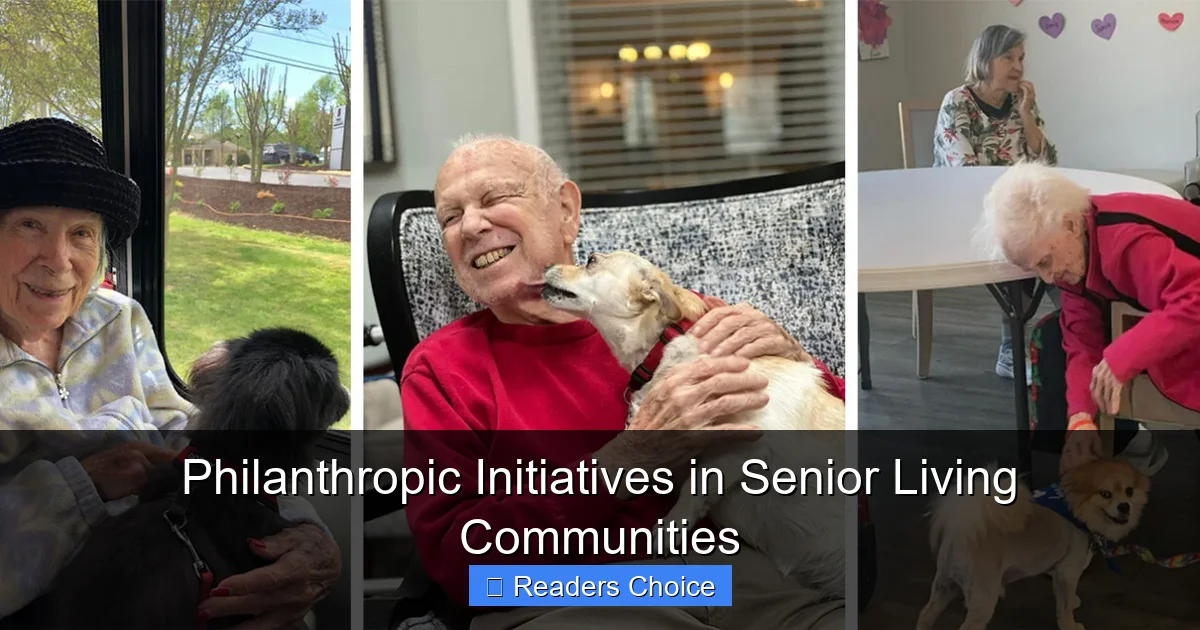
Visual guide about Philanthropic Initiatives in Senior Living Communities
Image source: atlasseniorliving.com
Starting a philanthropic initiative doesn’t require a large budget or complex planning. With a few simple steps, any senior living community can begin making a difference.
Listen to Residents
The most successful initiatives are driven by resident interest. Hold a meeting or survey to ask: What causes matter to you? What skills do you want to share? What kind of projects sound fun or meaningful?
You might be surprised by the ideas that emerge. One community discovered that several residents were passionate about environmental conservation, leading to a recycling and composting program. Another found a group interested in music, which evolved into a choir that performs at local nursing homes.
Start Small
Begin with a pilot project that’s easy to manage. A monthly donation drive, a weekly letter-writing session, or a single volunteer day can build momentum.
For example, a community might start by collecting socks for a homeless shelter. Once that becomes routine, they can expand to other items or causes.
Partner with Local Organizations
Reach out to nonprofits, schools, and civic groups to explore collaboration. Many organizations welcome volunteer support and can provide guidance, materials, or training.
A local food bank might offer pickup services for donations. A school might invite residents to read during story hour. These partnerships reduce the burden on staff and increase the impact of the initiative.
Involve Staff and Families
Staff play a crucial role in supporting philanthropic efforts. They can help with logistics, transportation, and communication. But it’s important to let residents lead.
Families can also get involved. Invite them to events, share success stories, and encourage them to participate. When families see their loved ones engaged and happy, they’re more likely to support the community.
Use Technology Wisely
Leverage digital tools to expand reach and accessibility. Create a community Facebook group to share updates. Use video calls for virtual volunteering. Set up online donation pages for fundraising.
For residents with limited mobility, technology can be a gateway to participation. A tablet with a simple interface can allow someone to video chat with a child or join a virtual book club.
Celebrate and Share Success
Recognition matters. Celebrate milestones—whether it’s raising $1,000, planting 50 trees, or mentoring 20 students.
Share stories through newsletters, social media, or local news outlets. Highlight individual contributions and the collective impact. This not only boosts morale but also inspires others to get involved.
Overcoming Challenges
While philanthropic initiatives offer many benefits, they’re not without challenges. Common obstacles include limited staff time, varying resident abilities, and lack of awareness. But with thoughtful planning, these can be addressed.
Staff Support and Time
Staff are often stretched thin, making it hard to launch new programs. To overcome this, integrate philanthropy into existing roles. Assign a “community engagement coordinator” or rotate responsibilities among team members.
Start with low-effort activities and scale up as interest grows. Even 30 minutes a week can make a difference.
Inclusivity and Accessibility
Not all residents can participate in the same way. Some may have mobility issues, cognitive challenges, or health concerns.
Design initiatives with flexibility in mind. Offer multiple ways to contribute—physical, mental, or emotional. For example, someone who can’t walk can still write letters, make phone calls, or help with planning.
Use adaptive tools and provide training to ensure everyone feels capable and welcome.
Sustaining Momentum
Initial enthusiasm can fade over time. To maintain engagement, rotate projects, introduce new ideas, and invite guest speakers.
Create a “philanthropy committee” of residents to brainstorm and lead efforts. This shared ownership keeps the energy alive.
Also, track progress and share results. When residents see the impact of their work—like the number of meals packed or students helped—they’re more likely to stay involved.
Real-World Examples of Impact
Across the U.S., senior living communities are proving that age is no barrier to generosity. Here are a few inspiring examples:
The “Adopt-a-Grandparent” Program in Georgia
A senior living community partnered with a nearby elementary school to create an “Adopt-a-Grandparent” program. Each classroom was paired with a group of residents. Students visited monthly to read, play games, and share stories. During holidays, they made cards and gifts together.
The program reduced loneliness for seniors and gave children positive role models. Teachers reported improved empathy and communication skills in their students.
The “Veterans Honor Wall” in Ohio
Residents in a Cleveland-area community created a wall to honor local veterans. They collected photos, stories, and memorabilia, then hosted a dedication ceremony with family members and city officials.
The project gave veterans a sense of recognition and connected residents with their community’s history. It also led to partnerships with veteran organizations for future events.
The “Senior Tech Helpers” Initiative in California
A group of tech-savvy seniors began offering free digital literacy classes to older adults in the surrounding neighborhood. They taught basics like using smartphones, sending emails, and staying safe online.
The program empowered participants and reduced the digital divide. It also gave the instructors a sense of purpose and mastery.
The Future of Philanthropy in Senior Living
As the population ages, the role of philanthropy in senior living will only grow. With over 70 million baby boomers entering retirement, the potential for impact is enormous.
Future trends may include more intergenerational programs, increased use of technology, and greater emphasis on resident leadership. Communities may also explore social entrepreneurship—where seniors launch small businesses that support charitable causes.
The key will be flexibility and innovation. Philanthropy shouldn’t be a one-size-fits-all model. It should evolve with the needs and passions of each community.
Ultimately, philanthropic initiatives in senior living communities are about more than charity—they’re about connection, dignity, and legacy. They remind us that no matter our age, we all have something valuable to give.
Conclusion
Philanthropic initiatives in senior living communities are transforming the way we think about aging. They prove that retirement isn’t an end—it’s a new beginning filled with purpose, connection, and contribution.
From mentoring youth to supporting local shelters, seniors are using their time, talents, and compassion to make a difference. These efforts benefit not only the causes they support but also the residents themselves, enhancing their health, happiness, and sense of belonging.
With the right support, any senior living community can start a philanthropic program. It doesn’t require grand gestures—just a willingness to listen, act, and care. The result is a richer, more vibrant community where everyone has the chance to give and grow.
As we look to the future, let’s continue to celebrate and expand these initiatives. Because when seniors give back, everyone wins.
Frequently Asked Questions
What are some easy philanthropic activities for seniors with limited mobility?
Seniors with limited mobility can still participate in many ways, such as writing letters, making phone calls, organizing donation drives, or mentoring online. Virtual volunteering and remote fundraising are also great options that require minimal physical effort.
How can staff support philanthropic initiatives without adding to their workload?
Staff can integrate philanthropy into existing roles by designating a community engagement lead or rotating responsibilities. Starting with small, low-effort projects and leveraging resident leadership also helps reduce the burden on staff.
Are philanthropic programs only for independent seniors?
No. Programs can be adapted for all levels of ability. Assisted living and memory care residents can participate in simplified activities like sorting donations, making crafts, or sharing stories, often with staff or volunteer support.
How do philanthropic initiatives benefit the senior living community itself?
These initiatives strengthen social bonds, improve resident morale, and create a culture of care. They also enhance the community’s reputation and can attract new residents and families who value engagement and purpose.
Can families get involved in these initiatives?
Absolutely. Families can participate in events, donate supplies, or volunteer alongside their loved ones. Their involvement often boosts resident engagement and creates meaningful shared experiences.
What if residents aren’t interested in traditional volunteering?
Offer a variety of options—creative projects, skill-sharing, virtual activities, or legacy-building. Let residents suggest ideas and lead the way. The key is to match activities to their passions and strengths.