
My Senior Dog Keeps Peeing in the House


Smart Doorbell Camera

LED Magnifying Glass

Hearing Aid Cleaning Kit
As your senior dog ages, changes in bladder control, medical issues, or cognitive decline can cause house soiling. Understanding the root cause—whether it’s arthritis, infection, or confusion—is key to solving the problem. With patience, vet visits, and targeted care, you can help your furry friend stay comfortable and clean at home.
Nothing hits harder than coming home to find your once-reliable pup has started peeing in the house again. You might feel frustrated, confused, or even guilty—but please know, you’re not alone. As our beloved pets grow older, many begin experiencing changes that affect their ability to hold it in or remember where they’re supposed to go. For some, it starts subtly: a few missed spots after naps. But for others, it becomes a daily struggle.
If your senior dog keeps peeing in the house, don’t assume it’s just “old age.” While aging plays a role, there are often deeper reasons behind the behavior. The good news? Most causes are treatable or manageable with the right approach. This guide will walk you through everything from possible medical conditions to practical solutions, so you can help your furry friend live comfortably and with dignity.
Key Takeaways
- Medical causes are common: Conditions like UTIs, kidney disease, or diabetes can trigger increased urination or loss of control.
- Cognitive dysfunction mimics accidents: Senior dogs may forget where the yard is or lose track of time between potty breaks.
- Arthritis limits mobility: Pain or stiffness can make it hard for older dogs to reach their usual bathroom spots.
- Changes in routine disrupt habits: Reduced activity, sleeping more, or altered schedules affect bladder timing.
- Veterinary exams are essential: Rule out infections or organ issues before assuming behavioral problems.
- Environmental management helps: Frequent walks, absorbent pads, and consistent cues reduce stress and accidents.
- Patience and consistency matter most: Recovery takes time—stay calm and supportive throughout the process.
📑 Table of Contents
Why Do Senior Dogs Start Peeing Indoors?
Just like people, dogs experience physical and mental shifts as they age. Some changes are obvious—like graying fur or slowing down during walks—but others aren’t as visible. One of the most frustrating issues pet parents face is when their otherwise well-trained older dog suddenly starts having accidents inside.
The first thing to understand is that peeing in the house isn’t always about disobedience. In fact, it rarely is. More often, it’s a symptom of something else going on—either in their body or their mind.
Age-Related Changes in Bladder Control
As dogs enter their golden years (typically around 7–9 years old—though size matters), their urinary system doesn’t work quite like it used to. Their bladders may become less efficient at storing urine, leading to smaller volumes or more frequent urges. This is especially true in small breeds, which tend to have shorter urinary tracts and higher susceptibility to irritation.
Even if your dog hasn’t shown signs of illness, subtle shifts in anatomy or nerve function can mean they simply can’t make it outside fast enough. And if they’ve been sleeping longer stretches at night, that increases the risk of nighttime accidents.
Medical Conditions That Cause Urinary Issues
Sometimes, what looks like behavioral regression is actually a sign of an underlying health issue. Here are a few common culprits:
– **Urinary Tract Infections (UTIs):** Bacteria can irritate the bladder, causing sudden urgency or frequency. Your dog may squat frequently without producing much urine, or strain while trying.
– **Kidney Disease:** As kidneys weaken, they can’t filter waste properly, leading to increased thirst and urination. You might notice your dog drinking way more water than usual—a topic we explore further [here](https://seniorsprotalk.com/why-is-my-senior-dog-drinking-so-much-water/).
– **Diabetes Mellitus:** High blood sugar leads to excess glucose in urine, which pulls fluid from the body. This results in frequent urination and increased appetite.
– **Bladder Stones or Tumors:** These can block the urethra or create pressure that disrupts normal elimination.
– **Neurological Problems:** Nerve damage from spinal issues or neurological disorders can interfere with signals between the brain and bladder.
It’s crucial to rule these out early. A simple urinalysis or blood panel can reveal a lot.
Cognitive Dysfunction Syndrome (CDS)
Imagine forgetting your own home address or losing track of time. That’s essentially what happens when dogs develop Cognitive Dysfunction Syndrome—the canine equivalent of dementia. CDS affects up to 68% of dogs over age 15!
Symptoms include:
– Disorientation (walking in circles, staring at walls)
– Changes in sleep cycles (sleeping more during the day, restless at night)
– Loss of housetraining
– Reduced interaction with family members
Because CDS impairs memory and reasoning, your senior dog may forget they were taught to go outside—or forget where they left off last time.
How to Diagnose the Root Cause
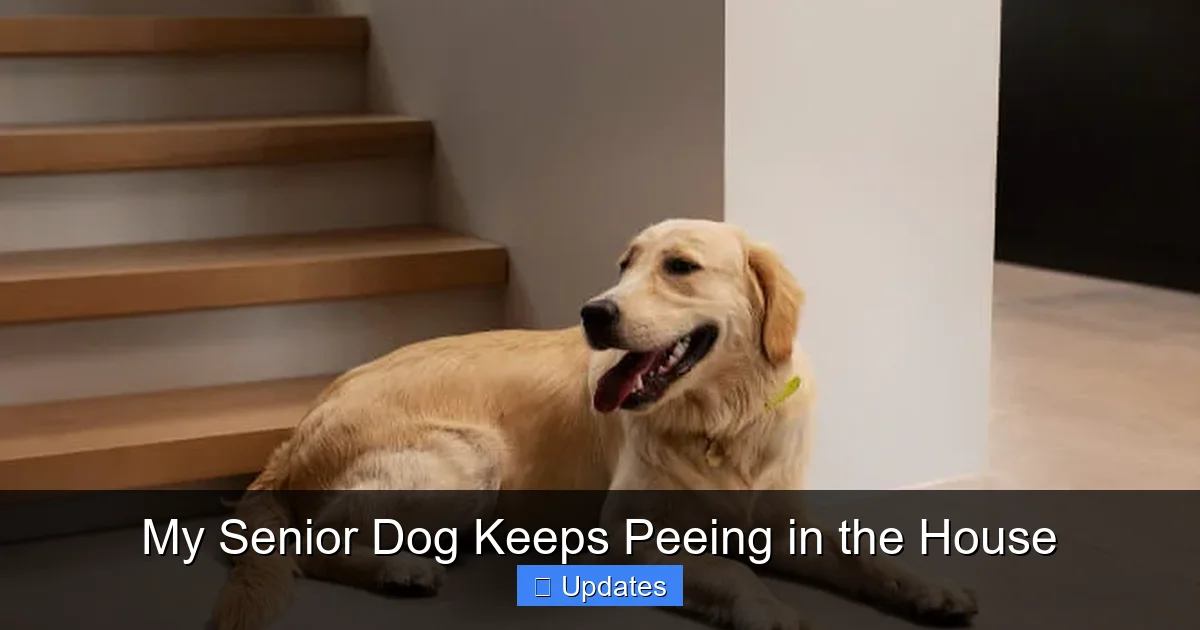
Visual guide about My Senior Dog Keeps Peeing in the House
Image source: sitmeanssit.com
Before jumping to conclusions or punishing your dog, take a step back. Accidents happen—especially in older pets. Instead, gather clues and consult your veterinarian.
Track Patterns and Symptoms
Keep a journal for a week or two. Note:
– When accidents occur (morning, afternoon, after meals?)
– How much your dog drinks daily
– Whether they seem to strain while peeing
– Any other symptoms (lethargy, weight loss, vomiting)
This helps your vet spot trends. For example, if accidents happen mostly after eating, it could point to diabetes or kidney issues.
Schedule a Full Checkup
Your vet should perform:
– Bloodwork (to assess kidney function, liver health, glucose levels)
– Urinalysis (to check for infection, proteinuria, or concentrated urine)
– Possibly an ultrasound or X-ray if stones or tumors are suspected
Don’t skip this step! Treating a UTI could resolve all your house-training problems overnight.
Consider Neurological Evaluation
If no medical cause is found, ask about CDS. Vets use scoring systems to evaluate behavior changes. There’s no cure, but medications and supplements can slow progression and improve quality of life.
Practical Tips to Manage House Soiling
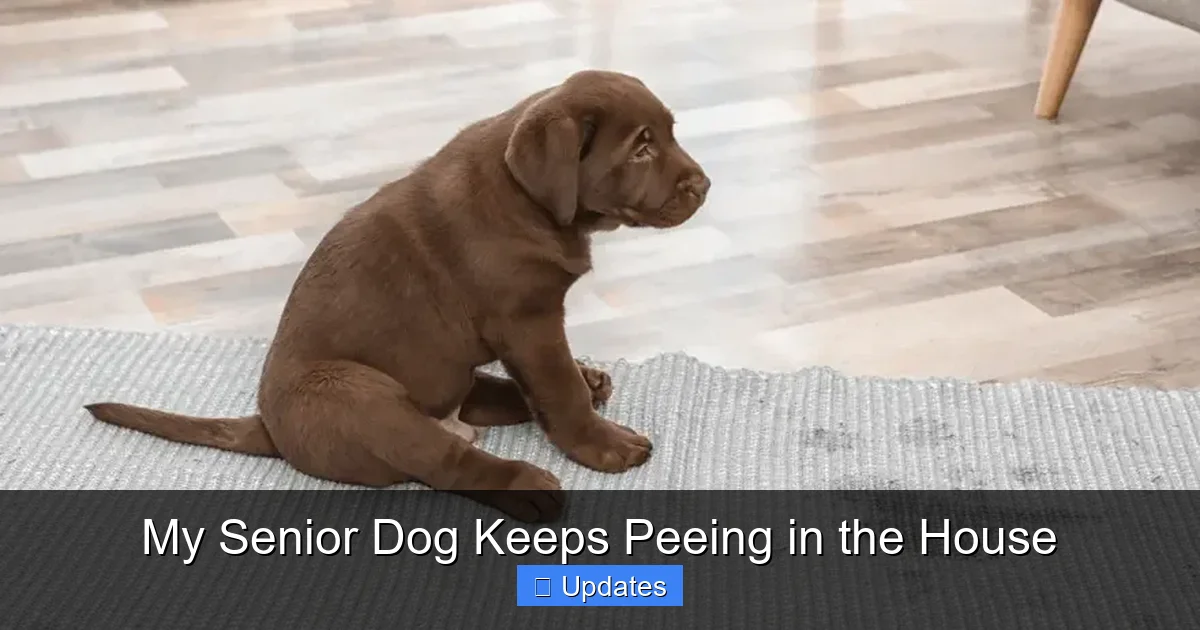
Visual guide about My Senior Dog Keeps Peeing in the House
Image source: worlddogfinder.com
Once you know the reason—or even if you’re still figuring it out—there are steps you can take to protect your home and comfort your dog.
Increase Outdoor Access
For dogs with mild incontinence or CDS, extra opportunities to go outside can make a big difference. Try:
– Taking them out every 2–3 hours, even if they don’t show interest
– First thing in the morning and right before bedtime
– After meals and naps
Use consistent verbal cues like “Go potty!” so they associate the phrase with action.
Use Absorbent Products
Invest in washable pee pads, belly bands, or reusable diapers designed for dogs. Place them in areas where accidents commonly happen. Many modern options are discreet and machine-washable.
Belly bands work well for males; for females, consider wrap-around pads or full-body covers.
Clean Accidents Thoroughly
Never scold your dog. They didn’t choose to do this. Instead, use an enzymatic cleaner specifically made for pet urine. Regular cleaners mask odors but leave behind ammonia, which attracts dogs back to the same spot.
Modify Your Home Environment
Make it easier for your senior dog to get around:
– Add ramps to furniture so they can rest comfortably
– Use non-slip rugs near food bowls and beds
– Keep pathways clear of clutter
If arthritis is a factor, talk to your vet about pain management. Less pain = more willingness to move.
When to See the Vet Immediately
Visual guide about My Senior Dog Keeps Peeing in the House
Image source: worlddogfinder.com
While occasional indoor peeing isn’t an emergency, certain signs warrant urgent care:
– Straining to urinate with little or nothing coming out
– Blood in urine
– Sudden inability to go at all
– Lethargy or loss of appetite
These could indicate a blocked urethra or severe infection—both serious conditions requiring immediate attention.
Supporting Your Dog Emotionally
Change is stressful for anyone, let alone a creature who’s lived by routine for years. Your senior dog may feel anxious, confused, or embarrassed. Respond with kindness.
– Speak calmly when accidents happen—never yell or punish.
– Offer gentle praise when they go outside.
– Maintain routines as much as possible; predictability reduces anxiety.
– Provide mental stimulation through puzzle toys or short training sessions.
Remember, your dog still loves you—they’re just struggling to communicate clearly.
Long-Term Management Strategies
Managing house soiling in senior dogs is often an ongoing process. Be prepared for ups and downs.
Medications and Supplements
Depending on the diagnosis, your vet might recommend:
– Phenylpropanolamine (PPA) for urinary incontinence
– Antimicrobials for chronic UTIs
– Omega-3 fatty acids or SAM-e for CDS support
Always follow dosage instructions carefully.
Diet Adjustments
Some senior-specific diets help manage bladder health. Look for formulas low in phosphorus (if kidney issues exist) or high in fiber (to promote regular elimination). Consider wet food to increase hydration—something detailed [here](https://seniorsprotalk.com/what-is-the-healthiest-wet-dog-food-for-senior-dogs/).
Avoid excessive treats or table scraps, which can upset digestion and worsen accidents.
Regular Monitoring
Check in with your vet every 6 months for senior wellness exams. Catching problems early improves outcomes dramatically.
Conclusion: Compassion Is Key
Discovering that your senior dog keeps peeing in the house can be heartbreaking. But remember—this doesn’t reflect poor training or ingratitude. It reflects the natural challenges of aging.
By combining medical insight, environmental adjustments, and unwavering compassion, you can significantly improve your dog’s comfort and your peace of mind. Whether it’s treating a UTI, managing CDS, or simply making potty breaks easier, every effort counts.
You’re doing a great job. Stay patient, stay informed, and keep giving your best friend the love and care they deserve.
Frequently Asked Questions
Is it normal for senior dogs to start peeing indoors?
Yes, especially after age 7. Age-related changes in bladder control, cognitive decline, or medical conditions can cause accidents. It’s not typical for young dogs but becomes more common in senior years.
Could my senior dog be peeing because of anxiety?
Possibly, but anxiety usually involves other behaviors like pacing, whining, or destruction. If no medical cause is found, consult a veterinary behaviorist.
Can diet change affect my senior dog’s urination?
Absolutely. Excess sodium or certain additives may increase thirst and urination. Switching to a balanced senior formula can help.
Should I restrict my senior dog’s water intake?
No—dehydration harms kidneys and organs. Instead, offer water freely and increase outdoor trips. If concerned about nighttime accidents, try limiting water 2–3 hours before bedtime.
Are male or female senior dogs more likely to have accidents?
Both genders can have issues, but males may use urine marking more frequently as part of territory behavior.
How long does it take to retrain a senior dog after a medical issue is resolved?
Usually 2–4 weeks with consistent routines. Older dogs learn differently than puppies—patience is essential.