
Medication Review Checklist for Seniors to Stay Safe


Large Print Keyboard

Adjustable Bed Wedge Pillow
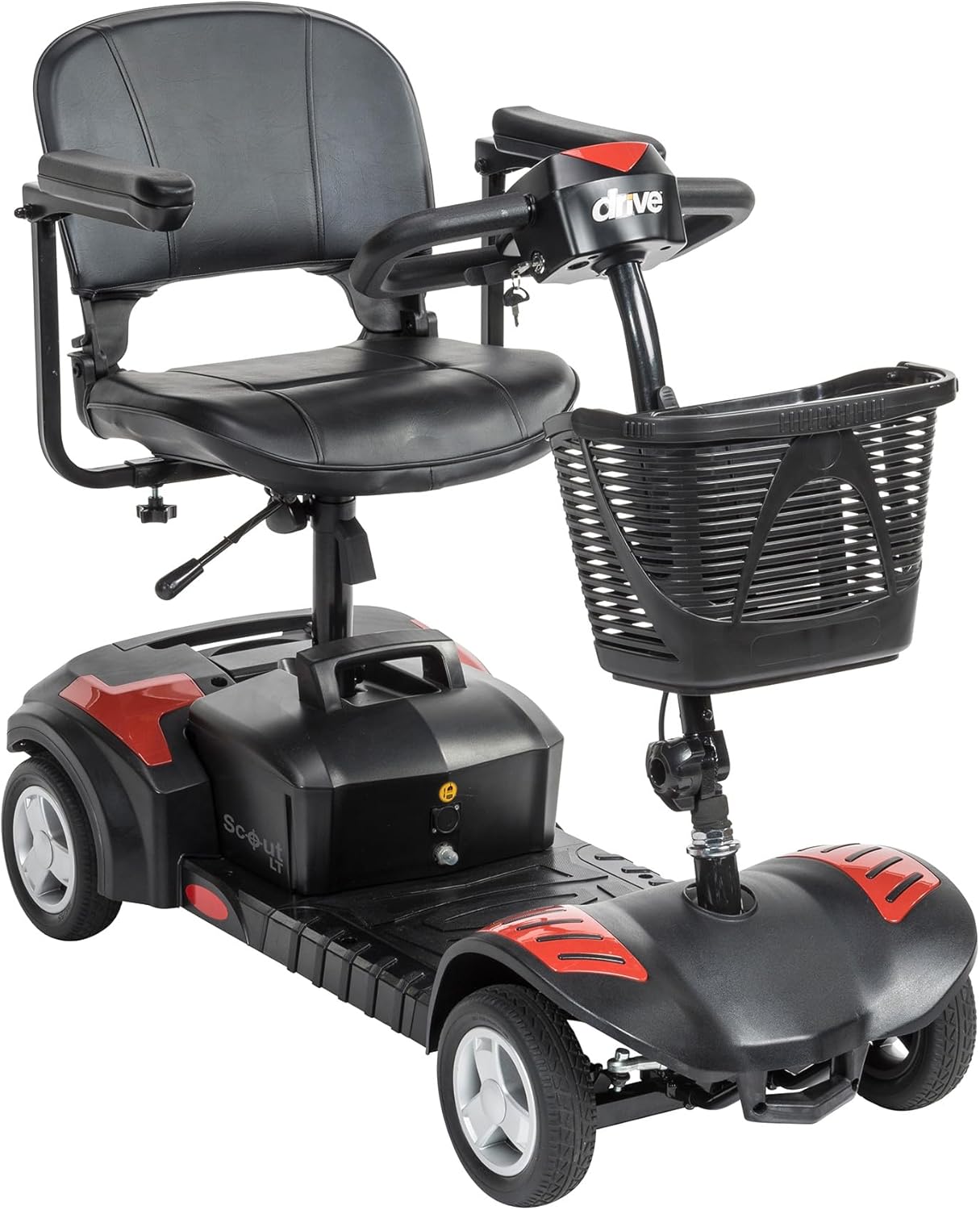
Electric Mobility Scooter
A medication review checklist helps seniors and caregivers spot duplicate drugs, unsafe combinations, and outdated prescriptions before they cause harm. The safest next step is to gather every medicine and review it with a doctor or pharmacist.
Keeping medications organized is one of the simplest ways to help older adults stay safe at home. A good medication review checklist for seniors can uncover duplicate drugs, outdated prescriptions, and other problems before they turn into a health emergency.
This guide from the SeniorsProTalk Editorial Team explains what to gather, what questions to ask, and when to involve a doctor or pharmacist. It is meant to be practical, easy to scan, and helpful for caregivers, too.
- Gather everything: Include prescriptions, OTC drugs, vitamins, and herbal products.
- Ask key questions: Check if each medicine is still needed and still safe.
- Watch for warning signs: Confusion, falls, dizziness, and bleeding need prompt attention.
- Keep one updated list: Review it after every medication change or appointment.
Why a Medication Review Checklist for Seniors Matters in 2026
As people age, the body often handles medicines differently. That means a dose that once worked well may now cause side effects, interact with other drugs, or become unnecessary.
A medication review is a careful look at everything a person takes, including prescriptions, over-the-counter products, vitamins, and herbal supplements. It can help seniors and caregivers catch issues early and keep daily routines safer.
How age-related changes increase medication risks
Common age-related changes can affect how medicines are absorbed, processed, and removed from the body. Kidney and liver function may slow down, and that can make some drugs stay in the system longer than expected.
Memory changes, vision problems, and reduced strength can also make it harder to follow directions on labels. Even a small mistake, like taking a pill twice, can cause a bigger problem in later life.
Many medication problems in older adults are not caused by one “bad” drug, but by the way several medicines work together. That is why a full review matters.
Common safety issues this checklist helps prevent
This checklist can help reduce confusion between similar medicines, missed doses, and unsafe combinations. It also helps spot drugs that may raise the risk of falls, dizziness, bleeding, or confusion.
For many families, the biggest benefit is peace of mind. A clear list makes it easier to talk with a doctor or pharmacist and make safer choices together.
- Find duplicate or outdated medicines
- Lower the chance of side effects and interactions
- Make doctor and pharmacy visits more productive
- Support safer routines for caregivers and seniors
What to Gather Before Reviewing Medications
Before you start, collect every medicine the senior takes. A complete picture is important because safety issues can be missed when one bottle or supplement is left out.
Current prescriptions, over-the-counter drugs, and supplements
Include prescription pills, inhalers, creams, eye drops, patches, and injections if used at home. Also add over-the-counter medicines such as pain relievers, sleep aids, allergy products, and antacids.
Do not forget vitamins, minerals, herbal products, and “natural” remedies. These can still affect blood pressure, blood sugar, bleeding risk, or how other medicines work.
Pharmacy labels, discharge papers, and medication lists
Bring pharmacy labels, hospital discharge papers, and any printed medication list from the doctor’s office. These papers often show the intended dose, timing, and reason for the medicine.
If the senior has seen more than one specialist, compare the lists carefully. It is common for one provider to change a medicine without every other provider seeing the update right away.
Practical example: building a complete home medication inventory
A simple way to begin is to place all medicines on a table and sort them by type. Keep one pile for prescriptions, one for over-the-counter products, and one for supplements.
Then write down the name on each label, the strength if shown, how often it is taken, and why it is used. If a bottle is hard to read or missing a label, ask the pharmacy for help before using it again.
- Prescription medicines
- Over-the-counter products
- Vitamins and supplements
- Discharge papers and care instructions
- Old bottles stored in drawers or cabinets
Medication Review Checklist for Seniors: Key Safety Questions to Ask
Once you have the list, review each item one by one. These questions can help guide a safer conversation with the doctor or pharmacist.
Is each medication still needed?
Some medicines are started for a short-term problem and may no longer be needed. Others may have been prescribed years ago and never reviewed again.
Ask whether each drug still has a clear purpose. If the answer is unclear, the provider may want to confirm the reason, update the plan, or consider stopping it safely.
Is the dose still appropriate for age, kidney function, or weight?
Older adults may need different doses than younger adults, even for the same condition. Weight changes, kidney function, and overall frailty can all affect what is appropriate.
Never change the dose on your own. If something seems too strong or too weak, talk to your doctor or consult your pharmacist for guidance.
Are there duplicate drugs or similar active ingredients?
Sometimes two products contain the same active ingredient, even if the brand names look different. This can happen with prescription medicines, cold remedies, and pain relievers.
Duplicate ingredients can lead to accidental overdosing. A pharmacist can often help compare labels and spot overlaps that are easy to miss at home.
Could any medication increase fall, confusion, or bleeding risk?
Some medicines can make a person sleepy, dizzy, or unsteady, which may raise fall risk. Others may affect thinking, memory, or balance.
Bleeding risk can also matter, especially when a senior takes more than one product that affects clotting. If there has been a fall, unusual bruising, black stools, or sudden confusion, get medical advice promptly.
If a senior is falling often, seems more confused than usual, or has new bleeding or bruising, ask a healthcare provider to review all medicines right away.
How to Spot Common Medication Mistakes at Home
Many medication problems happen in ordinary daily routines. The goal is not to blame anyone, but to catch small issues before they become serious.
Using multiple pharmacies or old prescriptions
Using more than one pharmacy can make it harder to see the full picture. A single pharmacist may spot interactions more easily when all prescriptions are filled in one place.
Old prescriptions can also linger in cabinets long after the treatment plan has changed. If a bottle was stopped, mark it clearly and ask the pharmacy how to dispose of it safely.
Mixing prescriptions with supplements or herbal products
Supplements may seem harmless, but they can still interact with prescriptions. This is especially important for products that affect sleep, blood pressure, blood sugar, or bleeding.
Bring every supplement to the review, even if it is taken only once in a while. The doctor or pharmacist can tell you whether it is safe to keep using.
Missing doses, doubling up, or taking medicines at the wrong time
It is easy to miss a dose when routines change, meals are skipped, or sleep patterns shift. Some people also double up by mistake when they cannot remember whether a pill was already taken.
Taking medicines at the wrong time can change how well they work or increase side effects. A pill organizer, phone alarm, or written schedule can help, but the instructions should still match the label and provider’s advice.
Keeping expired or discontinued medications
Expired medicines may not work as intended, and some can become unsafe to use. Discontinued prescriptions can also confuse caregivers if they look similar to current ones.
Set aside old bottles for disposal and ask the pharmacy about local take-back options. Do not flush or throw away medicines unless you are told it is appropriate.
If a senior may have taken the wrong medicine, an extra dose, or a medication that was meant to be stopped, contact a doctor, pharmacist, or poison help line right away for next steps.
When to Involve a Doctor or Pharmacist for a Medication Review
Home checks are useful, but they do not replace professional advice. A doctor or pharmacist can look for interaction risks, dose concerns, and changes that should be made carefully.
Warning signs that need expert help right away
Get help quickly if the senior has sudden confusion, fainting, trouble breathing, severe dizziness, repeated falls, unusual bleeding, or a strong allergic reaction. These can be signs of a serious medication problem.
Also call for help if there is a major change in appetite, sleep, mood, or daily function after a medicine is started or changed. Even if the change seems small, it may matter.
What a senior medication review appointment should include
A good review should cover every medicine, including over-the-counter items and supplements. The provider should also ask about symptoms, recent falls, hospital stays, and any problems taking medicines as directed.
It helps if the senior brings all bottles to the appointment. That makes it easier to compare the label with the actual use at home.
Questions caregivers should bring to the visit
Caregivers can ask which medicines are essential, which may be temporary, and which could be causing side effects. It is also smart to ask whether any pills can be simplified into fewer daily doses.
Ask what symptoms should trigger a call, and whether any medicines should be taken with food or avoided with alcohol. If the instructions are confusing, ask the provider to repeat them in plain language.
Medication instructions can vary by condition, age, kidney function, and insurance plan. When in doubt, ask the doctor or pharmacist to explain the safest option for that person.
Comparing Medication Review Options: Primary Care, Pharmacist, and Home Care Support
Different types of support can help with medication safety. The best choice often depends on how many medicines are involved, how complex the health conditions are, and how much help the senior needs at home.
Pros and limits of a doctor-led review
A primary care doctor knows the senior’s overall health history and can make changes that fit the full care plan. This is especially helpful when medicines affect more than one condition.
The limit is time. Office visits can be short, so bringing an updated list and your top concerns can make the appointment more useful.
Pharmacy-based medication therapy management services
Some pharmacies offer medication therapy management, which is a structured review with a pharmacist. This can be helpful when a person takes several medicines or has had side effects or confusion.
A pharmacist can often explain labels, spot duplicate ingredients, and suggest questions for the doctor. Availability and coverage vary, so ask your pharmacy what services are offered.
How caregivers and home care aides can support ongoing monitoring
Caregivers and home care aides can help by keeping the medication list updated, watching for side effects, and checking that refills are on time. They can also notice when a senior seems less steady, more sleepy, or more forgetful than usual.
Support staff should not change medicines on their own, but they can report concerns quickly. That early notice can prevent bigger problems later.
Cost considerations and what may be covered by insurance
Costs vary by provider, pharmacy, and insurance plan. Some medication reviews may be included in a clinic visit or pharmacy service, while others may involve out-of-pocket charges.
If Medicare or another plan is involved, coverage can depend on the type of review and where it is provided. Ask the office or pharmacy before the appointment so there are no surprises.
Simple Tools to Keep the Medication Review Checklist Up to Date
The best checklist is one that stays current. A simple system is usually better than a complicated one that no one uses.
Paper lists, pill organizers, and medication apps
A paper list works well for many seniors because it is easy to carry to appointments. A pill organizer can also help with daily routines, as long as it is filled carefully and checked against the label.
Medication apps may be helpful for some families, especially when several people help with care. Choose the tool that matches the senior’s comfort level and eyesight, and keep a backup copy in case technology fails.
How often seniors should update the checklist
Update the list whenever a medicine is started, stopped, or changed. It should also be reviewed after a hospital stay, emergency room visit, or specialist appointment.
Even without a major change, a monthly check is a good habit for many households. That keeps small errors from building up over time.
Sample routine for monthly and after-appointment checks
Once a month, compare the written list with the actual bottles at home. Remove stopped medicines, confirm refill dates, and check that the instructions still match the label.
After any appointment, update the list right away and tell all caregivers what changed. If the new instructions are unclear, call the office or pharmacy before the next dose is due.
Collect all medicines, supplements, and paperwork in one place.
Match the bottles to the written list and remove outdated items.
Ask the doctor or pharmacist about any concerns, side effects, or duplicates.
Final Recap: A Safer Medication Routine for Seniors and Caregivers
A careful medication review can make home life safer and less stressful. It helps seniors understand what they take, why they take it, and when something may need to change.
Key takeaways from the checklist
Start with a complete inventory, including prescriptions, over-the-counter products, and supplements. Then ask whether each item is still needed, whether the dose is still right, and whether any medicines overlap or raise safety risks.
If anything seems off, talk to your doctor or consult your pharmacist before making changes. That is the safest way to protect health while keeping the routine manageable.
Next steps to reduce risk and stay organized
Choose one place for the medication list, one primary pharmacy if possible, and one regular time to update the checklist. Small habits like these can prevent confusion and help caregivers respond faster when a problem comes up.
When the system is clear, everyone has an easier time staying on track. That is the real value of a medication review checklist for seniors: fewer surprises, better communication, and a safer day-to-day routine.
Frequently Asked Questions
Include all prescriptions, over-the-counter medicines, vitamins, and herbal supplements. Bring labels, discharge papers, and an updated medication list so the doctor or pharmacist can review everything together.
A review should happen after any medication change, hospital stay, or new symptom. Many families also do a monthly home check to keep the list current.
Yes. Supplements and herbal products can interact with prescriptions or increase side effects, so they should be included in every review.
A primary care doctor, pharmacist, or both can help review medications. The best choice depends on how complex the medication list is and what concerns need attention.
Watch for new confusion, dizziness, falls, unusual bleeding, severe sleepiness, or breathing problems. If these happen, contact a healthcare provider right away.
Expired or discontinued medicines should usually be removed so they do not cause confusion or accidental use. Ask the pharmacy about safe disposal options.