
Lunch Menu for Senior Center


Foot Massager Machine

Talking Clock

Smart Plug with Alexa
A well-designed lunch menu for senior centers promotes health, independence, and social connection. This guide covers nutrition needs, menu planning, dietary accommodations, and real-world examples to help centers serve delicious, senior-friendly meals.
Key Takeaways
- Nutrition matters most: Senior meals should be rich in protein, fiber, calcium, and vitamins to support aging bodies and prevent chronic diseases.
- Flavor and texture are key: Meals must taste great and be easy to chew and swallow, especially for those with dental issues or dysphagia.
- Dietary restrictions are common: Many seniors have diabetes, hypertension, or food allergies—menus must offer low-sodium, low-sugar, and allergen-safe options.
- Social dining boosts well-being: Shared meals reduce loneliness and encourage healthier eating habits through peer interaction.
- Seasonal and local ingredients enhance quality: Fresh, in-season produce improves taste, nutrition, and cost-efficiency.
- Staff training ensures success: Kitchen and serving staff should understand senior nutrition and special dietary needs.
- Feedback loops improve menus: Regular input from seniors helps tailor meals to preferences and cultural backgrounds.
📑 Table of Contents
- Why the Right Lunch Menu Matters for Senior Centers
- Understanding Nutritional Needs of Older Adults
- Designing a Balanced and Appealing Lunch Menu
- Overcoming Practical Challenges in Meal Service
- The Social and Emotional Impact of Shared Meals
- Getting Feedback and Improving the Menu
- Conclusion: Building a Lunch Menu That Nourishes Body and Soul
Why the Right Lunch Menu Matters for Senior Centers
For many older adults, the lunch served at a senior center isn’t just a meal—it’s a lifeline. It’s a chance to enjoy good food, connect with friends, and maintain independence. A thoughtfully crafted lunch menu for senior centers does more than fill stomachs; it supports physical health, mental well-being, and social engagement.
As people age, their nutritional needs change. Metabolism slows, muscle mass decreases, and chronic conditions like diabetes or heart disease become more common. At the same time, many seniors face challenges like reduced appetite, difficulty chewing, or limited access to groceries. That’s why the food served at senior centers must be both nourishing and appealing. A well-balanced lunch can help prevent malnutrition, manage health conditions, and even improve mood and energy levels.
But it’s not just about nutrition. The dining experience matters too. For some seniors, the center is their only opportunity to eat with others. Sharing a meal fosters conversation, reduces isolation, and creates a sense of community. When meals are enjoyable and served in a welcoming environment, seniors are more likely to attend regularly and stay engaged.
Understanding Nutritional Needs of Older Adults

Visual guide about Lunch Menu for Senior Center
Image source: medfordseniorcenter.org
To create an effective lunch menu for senior centers, it’s essential to understand the unique nutritional needs of older adults. While everyone benefits from a balanced diet, seniors require specific nutrients to support aging bodies and prevent disease.
One of the biggest concerns is protein. As we age, we lose muscle mass—a condition called sarcopenia. To combat this, seniors need more protein than younger adults. The recommended daily intake increases to about 1.0 to 1.2 grams of protein per kilogram of body weight. That means a 150-pound senior should aim for 68 to 82 grams of protein daily. Including lean meats, eggs, dairy, beans, and fish in the lunch menu helps meet this need.
Fiber is another critical nutrient. Many seniors struggle with constipation due to reduced activity, medication side effects, or low fluid intake. A high-fiber diet—rich in whole grains, fruits, vegetables, and legumes—promotes digestive health and helps regulate blood sugar. Aim for at least 25 grams of fiber per day in the overall diet, with lunch contributing a significant portion.
Calcium and vitamin D are vital for bone health. Osteoporosis affects millions of older adults, especially women. Including dairy products, fortified plant milks, leafy greens, and fatty fish like salmon can help maintain strong bones. Vitamin D, which aids calcium absorption, is often low in seniors due to limited sun exposure. Fortified foods or supplements may be necessary.
Managing Chronic Conditions Through Diet
Many seniors live with chronic health conditions that require dietary management. A smart lunch menu for senior centers takes these into account.
For those with diabetes, controlling blood sugar is key. Meals should include complex carbohydrates (like whole grains and vegetables), lean protein, and healthy fats to prevent spikes in glucose. Avoid sugary desserts and refined carbs. Instead, offer fruit-based sweets or small portions of dark chocolate.
Hypertension, or high blood pressure, is another common issue. The DASH (Dietary Approaches to Stop Hypertension) diet is a proven approach. It emphasizes fruits, vegetables, whole grains, and low-fat dairy while limiting sodium, red meat, and added sugars. A senior center menu should aim for less than 1,500 mg of sodium per meal—far below the average American intake.
Heart disease risk can be reduced with a diet rich in omega-3 fatty acids, found in fish like salmon and sardines, as well as walnuts and flaxseeds. Limiting saturated and trans fats is also important.
Addressing Common Eating Challenges
Physical changes can make eating difficult for some seniors. Dental problems, such as missing teeth or ill-fitting dentures, can make chewing tough foods painful. Swallowing difficulties (dysphagia) affect up to 15% of older adults and require softer, moist foods.
To accommodate these issues, the lunch menu should include tender meats, cooked vegetables, and pureed soups. Avoid dry, crunchy, or sticky foods like nuts, raw carrots, or caramel. Offering alternatives—like mashed potatoes instead of baked—ensures everyone can enjoy their meal.
Appetite loss is another hurdle. Smaller, more frequent meals can help. Serving lunch with appealing aromas, colorful plates, and familiar flavors can stimulate appetite. Avoid overly spicy or exotic dishes unless they’re culturally appropriate.
Designing a Balanced and Appealing Lunch Menu
Visual guide about Lunch Menu for Senior Center
Image source: assets-global.website-files.com
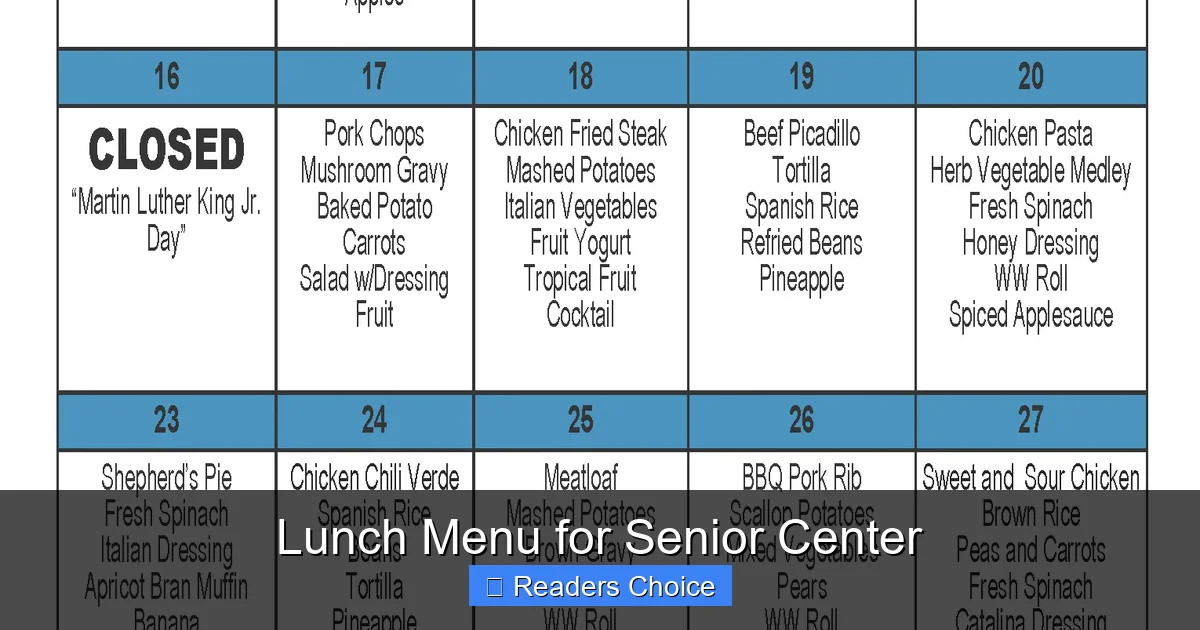
Creating a lunch menu for senior centers isn’t just about meeting nutritional guidelines—it’s about making meals enjoyable. A great menu balances health, taste, variety, and practicality.
Start with a foundation of whole foods: lean proteins, whole grains, colorful vegetables, and healthy fats. Rotate ingredients seasonally to keep things fresh and cost-effective. For example, in summer, feature grilled chicken with zucchini and tomatoes; in winter, serve beef stew with root vegetables.
Sample Weekly Lunch Menu
Here’s a sample five-day lunch menu that meets senior nutritional needs while offering variety and flavor:
Monday: Baked salmon with lemon-dill sauce, quinoa, steamed broccoli, and a side of mixed greens with vinaigrette. Dessert: Fresh pear slices.
Tuesday: Turkey and vegetable soup with whole-grain roll, side salad with cucumbers and carrots, and a small cup of low-fat yogurt.
Wednesday: Grilled chicken breast with roasted sweet potatoes, sautéed green beans, and a whole-wheat dinner roll. Dessert: Baked apple with cinnamon.
Thursday: Lentil and vegetable stew with brown rice, steamed carrots, and a side of cottage cheese. Dessert: Orange segments.
Friday: Baked cod with herb crust, mashed cauliflower, roasted Brussels sprouts, and a small whole-grain muffin. Dessert: Low-sugar fruit crisp.
This menu includes lean protein, fiber-rich grains and vegetables, and healthy fats. It’s low in sodium and sugar, with natural sweetness from fruit desserts. Each meal is easy to chew and visually appealing.
Incorporating Cultural and Personal Preferences
Seniors come from diverse backgrounds, and their food preferences reflect that. A successful lunch menu for senior centers respects cultural traditions and personal tastes.
Consider offering rotating international dishes—like chicken curry, vegetarian chili, or Mediterranean grain bowls—to celebrate diversity. Survey participants to learn what foods they enjoy and what dishes remind them of home.
Also, involve seniors in menu planning. Host taste-testing sessions or form a food committee. When people have a say in what’s served, they’re more likely to enjoy it and return regularly.
Accommodating Dietary Restrictions and Allergies
Food allergies and intolerances are common among seniors. Common allergens include dairy, eggs, nuts, shellfish, and gluten. Always label menu items clearly and train staff to identify allergen-free options.
For those with celiac disease or gluten sensitivity, offer gluten-free grains like rice, quinoa, and certified gluten-free oats. Use separate prep areas to avoid cross-contamination.
Vegetarian and vegan options should also be available. Legumes, tofu, tempeh, and dairy alternatives can provide protein and variety. For example, a black bean and sweet potato burrito with avocado is both nutritious and satisfying.
Overcoming Practical Challenges in Meal Service
Visual guide about Lunch Menu for Senior Center
Image source: blogger.googleusercontent.com
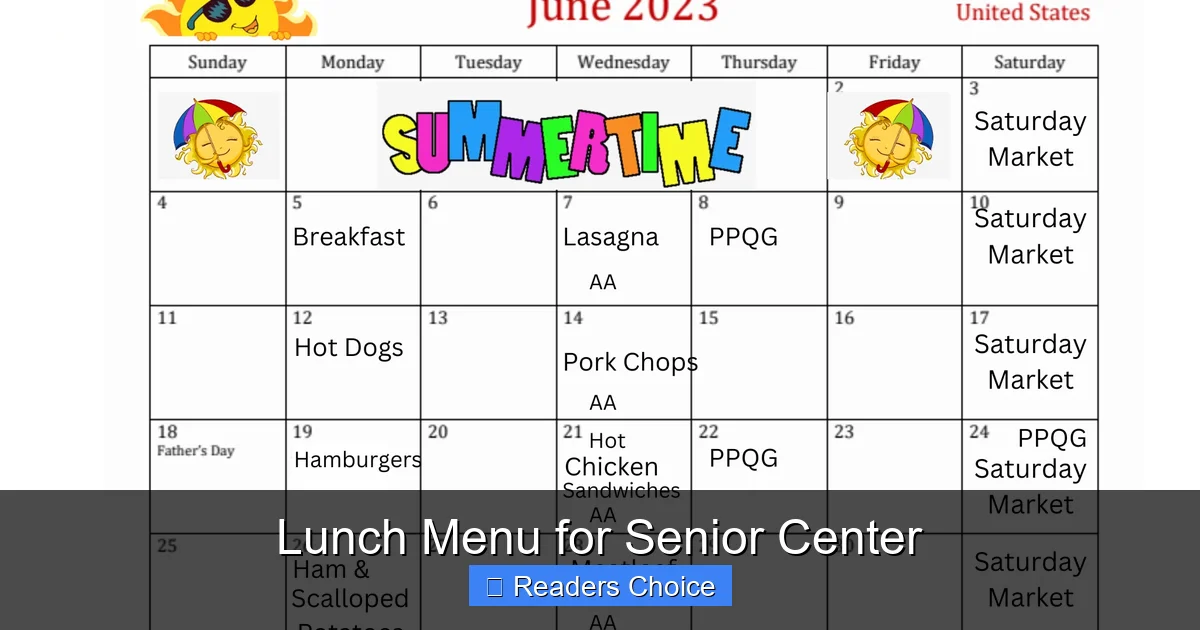
Running a senior center kitchen comes with logistical challenges. Budget constraints, staffing shortages, and food safety concerns can impact meal quality. But with smart planning, these hurdles can be overcome.
Budget-Friendly Meal Planning
Senior centers often operate on tight budgets. To stretch funds, focus on affordable, nutrient-dense ingredients. Beans, lentils, eggs, frozen vegetables, and whole grains are cost-effective and nutritious.
Buy in bulk when possible, but avoid waste by planning portions carefully. Use leftovers creatively—turn roasted chicken into soup or add cooked vegetables to omelets.
Partner with local farms or food banks for fresh produce. Many farms offer discounted “ugly” fruits and vegetables that are perfectly edible. Community-supported agriculture (CSA) programs can also provide seasonal ingredients at lower costs.
Staff Training and Kitchen Efficiency
Well-trained staff are essential for delivering safe, high-quality meals. Kitchen workers should understand senior nutrition, food safety, and how to handle special dietary needs.
Provide regular training on topics like:
– Proper handwashing and sanitation
– Safe food storage and reheating
– Identifying and preventing cross-contamination
– Modifying textures for dysphagia
– Recognizing signs of malnutrition or dehydration
Cross-train staff so multiple people can handle key tasks. This reduces delays during busy meal times and ensures continuity if someone is absent.
Food Safety and Hygiene
Seniors are more vulnerable to foodborne illness due to weakened immune systems. Strict food safety practices are non-negotiable.
Follow the FDA Food Code guidelines:
– Keep hot foods above 140°F and cold foods below 40°F
– Use separate cutting boards for raw meat and produce
– Label and date all stored food
– Clean and sanitize surfaces after each use
Conduct regular kitchen inspections and keep detailed logs. Encourage staff to report any concerns immediately.
The Social and Emotional Impact of Shared Meals
Beyond nutrition, the lunch menu for senior centers plays a vital role in emotional well-being. For many older adults, mealtime is a highlight of the day—a chance to laugh, share stories, and feel connected.
Loneliness and social isolation are serious health risks for seniors. Studies show that people who eat alone are more likely to suffer from depression, cognitive decline, and even premature death. Shared meals combat this by fostering relationships and creating a sense of belonging.
Senior centers can enhance the dining experience by:
– Arranging tables to encourage conversation
– Playing soft background music
– Hosting themed meal days (e.g., “Taco Tuesday” or “Italian Night”)
– Inviting guest speakers or musicians during lunch
When seniors feel welcomed and valued, they’re more likely to participate in other center activities, from exercise classes to arts and crafts.
Encouraging Independence and Dignity
Meals should be served in a way that respects seniors’ independence. Offer choices whenever possible—let them pick between two side dishes or decide how much they want to eat.
Use adaptive utensils and plates with high edges for those with arthritis or limited dexterity. Ensure seating is comfortable and accessible for wheelchairs or walkers.
Avoid rushing meals. Allow plenty of time for eating and conversation. Rushing can lead to choking or poor digestion.
Getting Feedback and Improving the Menu
No menu is perfect from day one. The best lunch menus evolve based on feedback from the people they serve.
Collecting Input from Seniors
Use simple surveys, suggestion boxes, or group discussions to gather opinions. Ask questions like:
– What did you enjoy about today’s meal?
– Was the portion size right?
– Would you like to see more vegetarian options?
– Are there any foods you’d like to see added or removed?
Make it easy for seniors to share feedback. Offer large-print forms or verbal options for those with vision or literacy challenges.
Monitoring Health Outcomes
Track how meal changes affect participants’ health. Are fewer people reporting fatigue? Are blood pressure or blood sugar levels improving? Partner with local healthcare providers to collect anonymized data.
Also, monitor attendance and participation. If fewer people are coming to lunch, it may signal dissatisfaction with the menu or service.
Staying Flexible and Creative
Be willing to experiment. Try new recipes, seasonal ingredients, or cooking methods. If a dish isn’t popular, don’t be afraid to replace it.
Celebrate successes—when a new soup becomes a favorite, share the recipe or host a “Soup Day” event. Small wins build momentum and trust.
Conclusion: Building a Lunch Menu That Nourishes Body and Soul
A well-designed lunch menu for senior centers is about more than calories and nutrients. It’s about dignity, connection, and joy. When meals are planned with care—considering health needs, personal preferences, and social impact—they become a powerful tool for improving quality of life.
By focusing on balanced nutrition, accommodating dietary restrictions, and creating a welcoming dining environment, senior centers can serve meals that truly matter. Whether it’s a warm bowl of soup on a cold day or a lively conversation over grilled fish, these moments add up to a healthier, happier community.
The journey to the perfect menu takes time, effort, and collaboration. But the rewards—stronger bones, clearer minds, and deeper friendships—are worth every step.
Frequently Asked Questions
What should be included in a senior center lunch menu?
A senior center lunch menu should include lean protein, whole grains, vegetables, and healthy fats. It should be low in sodium and sugar, high in fiber, and easy to chew and swallow.
How can senior centers accommodate dietary restrictions?
Offer low-sodium, low-sugar, gluten-free, and allergen-safe options. Clearly label menu items and train staff to handle special dietary needs safely.
Why is social dining important for seniors?
Shared meals reduce loneliness, improve mental health, and encourage better eating habits. They also foster community and a sense of belonging.
How often should the lunch menu change?
Rotate the menu weekly to maintain variety and interest. Seasonal changes and participant feedback can guide updates.
What are cost-effective ingredients for senior meals?
Beans, lentils, eggs, frozen vegetables, whole grains, and seasonal produce are affordable and nutritious. Buying in bulk and partnering with local farms can also reduce costs.
How can staff support seniors during meals?
Train staff in senior nutrition, food safety, and adaptive serving techniques. Encourage patience, respect, and attentiveness to individual needs.