
Low Income Senior Housing Waukesha County


Fall Detection Smart Watch

GPS Tracker for Elderly

Spill-Proof Adult Cup
Finding affordable housing for seniors on a fixed income can be overwhelming—but you’re not alone. In Waukesha County, several state and nonprofit programs offer low-income senior housing with rent based on income, supportive services, and community amenities. This guide walks you through eligibility, available properties, application tips, and local resources to help make the transition smoother.
Finding secure, affordable housing as a senior doesn’t have to mean sacrificing comfort or independence. For many older adults in Waukesha County, the rising cost of living and shrinking savings make it difficult to afford market-rate apartments or assisted living facilities. That’s where low-income senior housing comes in—offering subsidized rent, supportive services, and a sense of community specifically designed for those 62 and over. Whether you’re looking for an independent living apartment, memory care support, or just someone to help navigate the system, there are local resources ready to assist.
This comprehensive guide dives into everything you need to know about low-income senior housing in Waukesha County. From understanding eligibility requirements to identifying current openings, we’ll walk you through each step with practical advice and real-world examples. You’ll also learn how to avoid common pitfalls, what to expect during the application process, and which organizations can provide ongoing support. Let’s get started!
Key Takeaways
- Low-income senior housing in Waukesha County includes subsidized apartments, assisted living facilities, and supportive housing programs designed for adults 62+.
- Eligibility typically requires meeting income limits (usually below 50% of area median income) and age requirements, though some programs serve younger disabled individuals.
- Popular programs include HUD Section 202 Supportive Housing, Wisconsin Homeowner and Renter Assistance Programs, and county-specific initiatives like Waukesha County ADRC.
- Application process often involves submitting documentation, attending an interview, and being placed on a waitlist—some programs have no waiting list currently open.
- Support services may include meal delivery, transportation, home health aide access, and social activities tailored to older adults.
- Resources such as Senior Services of Southeastern Wisconsin and Catholic Charities offer case management and referral support.
- Tips for success include applying early, verifying all paperwork, staying proactive with follow-ups, and exploring nearby counties if options are limited.
📑 Table of Contents
- Understanding Low-Income Senior Housing in Waukesha County
- Types of Affordable Senior Housing Options
- Eligibility Requirements Explained
- How to Apply for Low-Income Senior Housing
- Local Resources and Support Organizations
- Trends and Updates in Waukesha County Housing
- Tips for Making the Most of Your Housing Choice
- Conclusion: Hope and Help Are Within Reach
Understanding Low-Income Senior Housing in Waukesha County
What Is Low-Income Senior Housing?
Low-income senior housing refers to federally or state-funded residential options that cap rent at a percentage of your monthly income—typically 30% or less. These aren’t just cheap apartments; they’re purpose-built environments that prioritize safety, accessibility, and dignity for older adults. Many units include features like grab bars, emergency call systems, wheelchair ramps, and communal dining areas.
In Waukesha County, these properties are often managed by nonprofit developers or public housing authorities under programs like HUD’s Section 202, USDA Rural Development, or Wisconsin’s Housing and Urban Development Department (WHEDA). Some facilities offer additional services such as housekeeping, transportation to medical appointments, or wellness check-ins—making them ideal for seniors who want independence but appreciate a helping hand.
Why It Matters for Seniors on Fixed Incomes
Most seniors rely on Social Security, pensions, or retirement accounts—all of which may fall short of covering rising housing costs. According to the U.S. Department of Housing and Urban Development (HUD), nearly half of all renter households aged 65+ spend more than 30% of their income on housing, putting them at risk of homelessness or financial strain.
That’s why programs like low-income senior housing in Waukesha County exist: to ensure that aging Wisconsinites can live safely without choosing between food, medicine, and shelter. Plus, many of these communities foster friendships, reduce isolation, and even offer fitness classes or art workshops tailored to older adults.
Types of Affordable Senior Housing Options
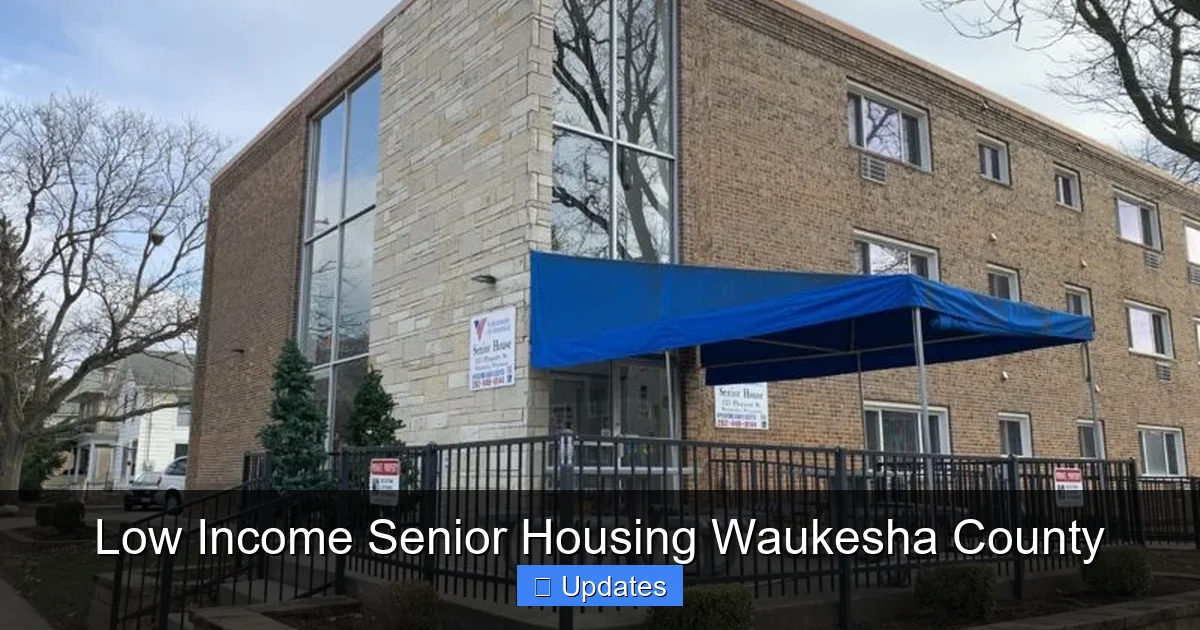
Visual guide about Low Income Senior Housing Waukesha County
Image source: lowincomehousing.us
Independent Living Communities
These are the closest thing to “apartment living” for seniors who don’t yet need daily assistance but still want low-maintenance housing. Units usually come furnished, utilities are included, and residents pay a flat monthly fee based on income. Examples in the area include:
– **The Commons at Cedarburg**: Offers one- and two-bedroom units with optional meal plans.
– **Sunset Ridge Apartments**: Located near downtown Waukesha, this HUD-assisted property serves adults 62+ with rent subsidies.
Assisted Living Facilities
If you need help with daily tasks like bathing, medication management, or mobility, assisted living might be the right fit. While slightly higher than independent living, many facilities accept Medicaid waivers or HUD vouchers to keep costs affordable. Look for places that participate in Wisconsin’s IRIS (Include, Respect, I Self-Direct) program, which lets you hire your own caregivers.
Memory Care Units
For families dealing with Alzheimer’s or dementia, dedicated memory care wings provide 24/7 supervision in a secure environment. These rooms often feature simplified layouts, calming colors, and staff trained in behavioral support. Though rare in pure “low-income” models, some hybrid facilities blend affordability with specialized care.
Eligibility Requirements Explained
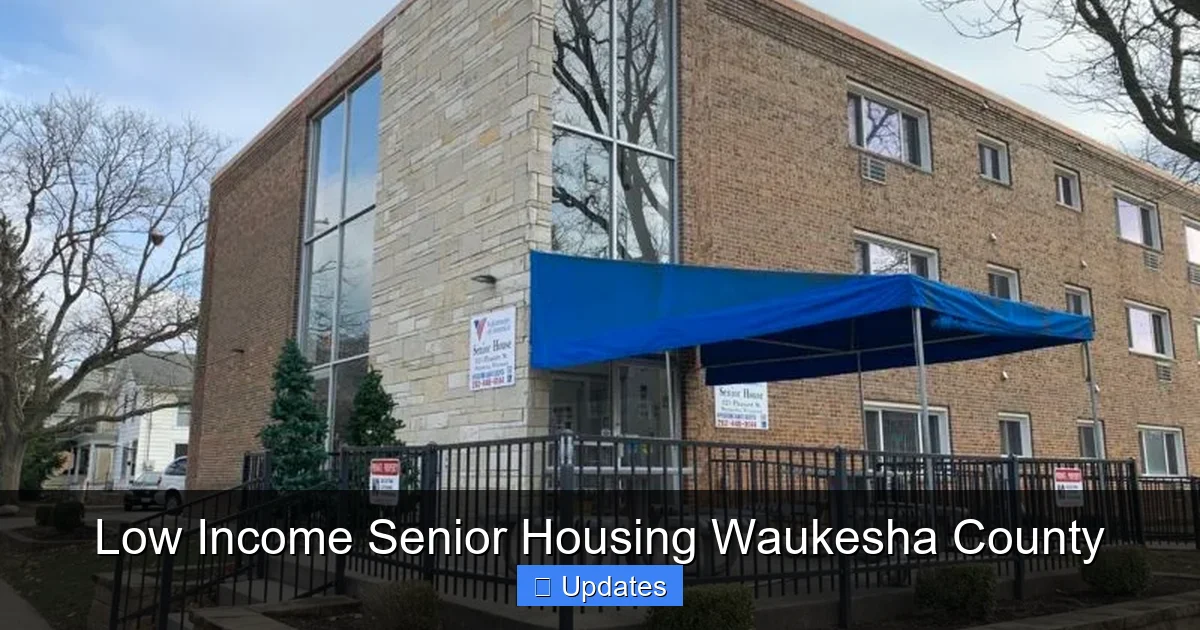
Visual guide about Low Income Senior Housing Waukesha County
Image source: cdn.uslowcosthousing.com
Age and Income Limits
To qualify for most low-income senior housing in Waukesha County, applicants must be at least 62 years old. Income caps vary by program but generally max out around $35,000 for a single person or $45,000 for couples—though exceptions exist for veterans or survivors of domestic violence.
Here’s a quick comparison:
| Program Type | Max Annual Income (Single) | Max Annual Income (Couple) |
|————–|—————————-|—————————-|
| HUD Section 202 | $32,550 | $37,200 |
| WHEDA Elderly Housing | $35,000 | $45,000 |
| USDA Rural Dev. | Varies by zip code | Varies by zip code |
Note: Assets (like bank accounts or stocks) are usually considered too, so consult a caseworker before applying.
Documentation You’ll Need
Be prepared to submit proof of:
– Age (birth certificate or passport)
– Income (Social Security statements, pension stubs, etc.)
– Citizenship or legal residency status
– Current lease or mortgage agreement (if moving from another property)
Having these ready upfront speeds up approval and reduces stress later.
How to Apply for Low-Income Senior Housing
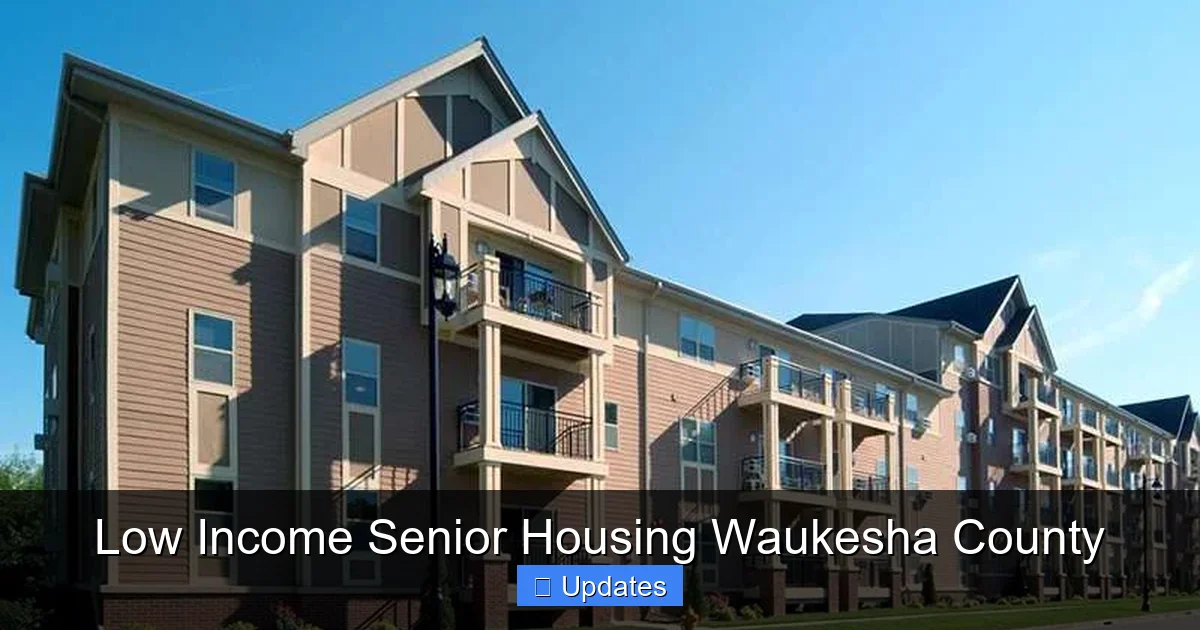
Visual guide about Low Income Senior Housing Waukesha County
Image source: s3.amazonaws.com
Step-by-Step Application Process
1. **Research**: Use tools like HUD’s Housing Search or contact Waukesha County Aging & Disability Resource Center (ADRC) for a list of active properties.
2. **Contact Management**: Call the leasing office directly—don’t assume online listings reflect current availability.
3. **Submit Forms**: Fill out both the property-specific application and federal forms (e.g., HUD Form 9836).
4. **Attend Interview**: Most complexes require an in-person or virtual tour/interview.
5. **Waitlist Entry**: Even if approved immediately, expect a wait period—sometimes months, sometimes years.
Pro tip: Some newer developments like St. Charles, MO report “no waiting lists,” so consider expanding your search radius.
Avoiding Common Mistakes
– Don’t apply to multiple places without checking waitlist priorities—some give preference to veterans or those facing eviction.
– Double-check income calculations; rounding errors can disqualify you.
– Never pay application fees—legitimate agencies never charge money to screen applicants.
Local Resources and Support Organizations
Waukesha County ADRC
This government-run center is your one-stop shop for navigating senior housing options. Staff can help determine eligibility, connect you with subsidized units, and even assist with utility bill assistance programs. Visit their office at 201 Wells St., Waukesha, or call (262) 548-6444.
Senior Services of Southeastern Wisconsin
A nonprofit that offers case management, caregiver respite, and transportation. They also maintain an updated database of affordable senior housing across Milwaukee and surrounding counties—including exclusive leads not listed publicly.
Catholic Charities of Southeast Wisconsin
Provides emergency rental assistance and transitional housing for vulnerable seniors. Their “Senior Stability Initiative” has helped hundreds avoid homelessness since 2018.
Wisconsin Homeowner and Renter Assistance Program (WRAP)
Offers grants up to $10,000 to cover past-due rent or prevent eviction. Eligible applicants must earn ≤80% AMI and face imminent displacement.
Trends and Updates in Waukesha County Housing
Recent data shows a growing demand for low-income senior housing in Waukesha County, driven by the aging baby boomer population and stagnant wage growth. In 2023 alone, waitlists grew by 18%, according to WHEDA reports. However, new construction is underway—like the $12M “Harmony Commons” project slated for Brookfield—which will add 48 income-restricted units by late 2026.
Another positive shift? More partnerships between nonprofits and healthcare providers. For example, Ascension All Saints now co-funds memory care beds at Fairview Commons, reducing resident costs by 20%. This model could expand statewide thanks to recent state legislation prioritizing integrated care.
Tips for Making the Most of Your Housing Choice
Visit Multiple Properties
Never pick the first place you see. Schedule tours at different times of day to gauge noise levels, neighbor interactions, and staff responsiveness. Ask about move-in timelines and whether pets are allowed.
Understand Your Rights
All HUD-assisted housing must comply with fair housing laws prohibiting discrimination based on race, religion, disability, or family status. If you feel treated unfairly, file a complaint with HUD within 180 days.
Stay Connected
Join resident councils or community events—they’re great for building relationships and learning about unadvertised vacancies. Also, sign up for newsletters from organizations like How to Qualify for Low-Income Senior Housing to get alerts on openings.
Budget Beyond Rent
Factor in extras like internet ($30–$60/month), personal care items ($200+/month), and potential future care costs. Some properties include these in base rent; others don’t.
Conclusion: Hope and Help Are Within Reach
Navigating low-income senior housing in Waukesha County can feel daunting, but remember—you’re already taking a brave step by seeking information. With persistence, the right documentation, and support from trusted local agencies, affordable, dignified housing is possible. Whether you dream of a quiet garden apartment, a vibrant senior village, or a warm community with friends, options exist. Stay patient, stay informed, and lean on experts when needed. Your golden years deserve security, comfort, and connection—and they’re closer than you think.
Frequently Asked Questions
What is the average wait time for low-income senior housing in Waukesha County?
Wait times vary widely depending on the specific property and program. Some newer developments may have immediate openings, while established HUD-assisted buildings often have waitlists lasting 12–24 months or longer. Checking with Waukesha County ADRC regularly can help you monitor priority updates.
Can I bring my service animal to a low-income senior housing unit?
Yes, under the Fair Housing Act, service animals (and emotional support animals with proper documentation) are allowed regardless of pet policies. Landlords cannot charge extra fees or deny entry based on disability-related needs.
Are utilities included in low-income senior housing rent?
It depends on the property. Many HUD-assisted units bundle utilities into the monthly rent, especially in older complexes. Newer developments may separate them, so always ask during the application process to avoid unexpected bills.
Do I need to be a U.S. citizen to qualify?
Generally, yes—most federal and state low-income housing programs require U.S. citizenship or documented legal residency. Exceptions exist for certain refugee or asylum-seeker programs, but eligibility is limited.
What happens if my income increases after moving in?
Rent may be adjusted annually based on new income figures. If your earnings rise significantly, you might be asked to pay a higher percentage of income toward rent—but never above what the property charges non-subsidized tenants.
Is there help with moving expenses or furniture?
Some nonprofits like Catholic Charities offer modest moving stipends or partner with Goodwill for donated furnishings. Contact your assigned caseworker early in the process to explore available aid.