
Low Income Senior Housing Santa Cruz


Upright Walker

Large Print Keyboard

Electric Kettle with Auto Shutoff
Finding low income senior housing in Santa Cruz can be challenging but not impossible. With the right resources and planning, older adults can access safe, affordable homes tailored to their needs. This guide walks you through local options, eligibility requirements, and support services available in Santa Cruz County.
Living on a fixed income becomes more difficult each year, especially in expensive coastal cities like Santa Cruz. For seniors struggling to afford rent, utilities, or basic necessities, finding safe and stable housing is one of life’s biggest challenges. Fortunately, there are dedicated programs and communities across Santa Cruz County that offer low income senior housing with rent subsidies, supportive services, and a strong sense of community.
Whether you’re a longtime resident or considering relocation, understanding how these programs work—and where to apply—can make all the difference in maintaining your independence and quality of life. In this comprehensive guide, we’ll walk you through everything you need to know about accessing affordable senior housing in Santa Cruz.
Key Takeaways
- Santa Cruz offers several HUD-funded and nonprofit senior housing programs designed for low-income residents aged 62 and over.
- Eligibility is based on income, age, and residency status, typically requiring applicants to earn less than 50% of the area median income.
- Waiting lists are common due to high demand, so applying early and checking regularly is essential.
- Transportation and supportive services are often included to help seniors maintain independence.
- Nonprofit organizations like Catholic Charities and Community Action Partnership provide assistance with applications and referrals.
- Alternative housing options exist in nearby areas such as Watsonville or Salinas if local inventory is limited.
- Online tools and hotlines can help locate open units quickly.
📑 Table of Contents
Understanding Low Income Senior Housing in Santa Cruz
What exactly qualifies as “low income” in Santa Cruz?
In Santa Cruz County, the U.S. Department of Housing and Urban Development (HUD) defines “low income” as earning no more than 80% of the Area Median Income (AMI). As of 2024, that means a single person making under $71,300 annually may qualify—but many subsidized housing programs cap applicants at even lower levels, usually around 30% to 50% of AMI.
For example, if you earn less than $35,650 per year as an individual, you likely meet the threshold for most public and nonprofit senior housing programs in the region. These aren’t just apartments—they’re purpose-built communities with features like emergency call systems, meal delivery, housekeeping, and social activities.
The Importance of Location and Accessibility
Santa Cruz is known for its scenic beauty, mild climate, and proximity to nature—but housing costs here are among the highest in California. That makes low income senior housing especially vital. Most qualifying properties are located in neighborhoods close to medical centers, grocery stores, public transit, and senior centers.
One key benefit of choosing a subsidized senior community is reduced transportation costs. Many include free or discounted shuttles to healthcare providers like Dominican Hospital or the Santa Cruz Community Clinic. Others partner with local nonprofits to offer walking groups, gardening clubs, and educational workshops.
Types of Affordable Senior Housing Options
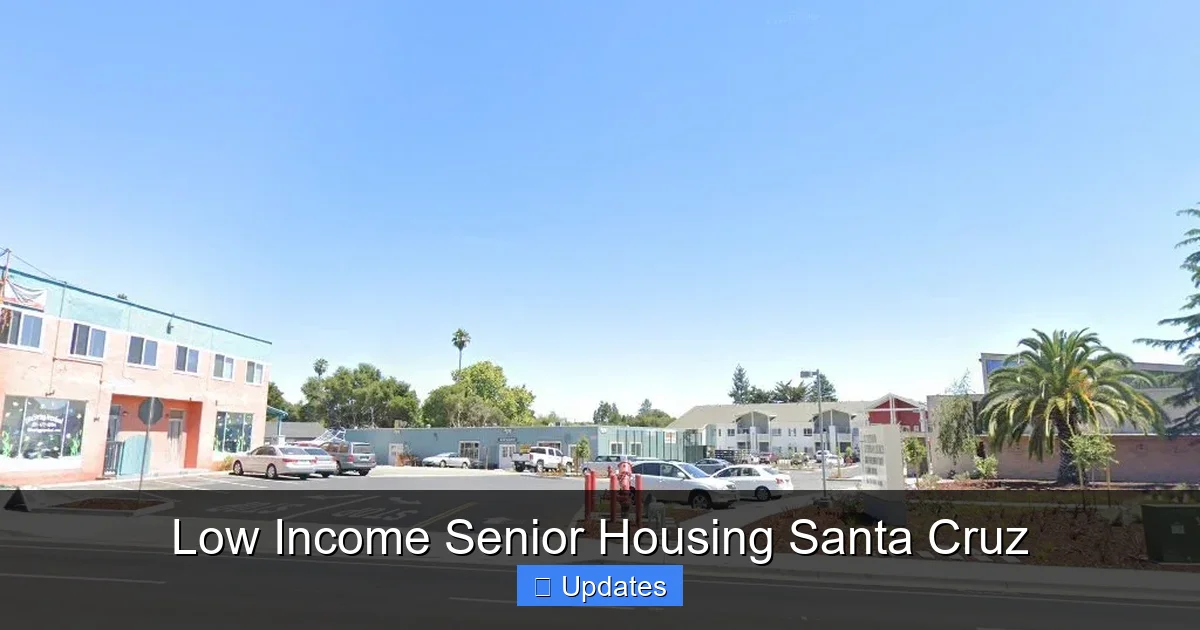
Visual guide about Low Income Senior Housing Santa Cruz
Image source: cdn.uslowcosthousing.com
Not all affordable housing looks the same. In Santa Cruz County, seniors have access to several types of low income senior housing, each with unique features and application processes.
Public Housing Authorities
The Santa Cruz County Housing Authority operates multiple federally funded developments specifically for seniors. Properties like Casa del Mar and La Posada del Sol provide studio and one-bedroom units with rent calculated at 30% of household income.
These sites often include:
– On-site case management
– Nutritious meals twice daily
– Scheduled transportation
– Social recreation programs
However, availability is extremely limited, and waiting times can exceed two years.
Section 8 Project-Based Vouchers
Unlike tenant-based Section 8 vouchers (which give recipients full mobility), project-based vouchers are tied to specific buildings. If approved, your rental subsidy follows you wherever you move within the property’s jurisdiction.
Some Santa Cruz-area complexes accepting project-based vouchers include:
– Pacific Gardens Apartments (Watsonville)
– Sunset Village (Capitola)
– Harbor Pointe (Santa Cruz)
To qualify, applicants must be at least 62 years old and meet income limits. Priority is often given to those with disabilities or very low incomes (<30% AMI).
Nonprofit and Faith-Based Developments
Organizations like Catholic Charities Monterey Bay, Habitat for Humanity Santa Cruz County, and the Salvation Army operate affordable senior housing with deeply rooted missions of service and dignity.
Examples include:
– Sunshine Villa Senior Living – A welcoming community offering independent living with optional assisted care.
– St. Joseph’s Place – Provides affordable studio and efficiency units near downtown Santa Cruz.
These properties often have shorter waitlists than public housing and may offer additional perks like pet-friendly policies or intergenerational programs.
How to Qualify for Low Income Senior Housing
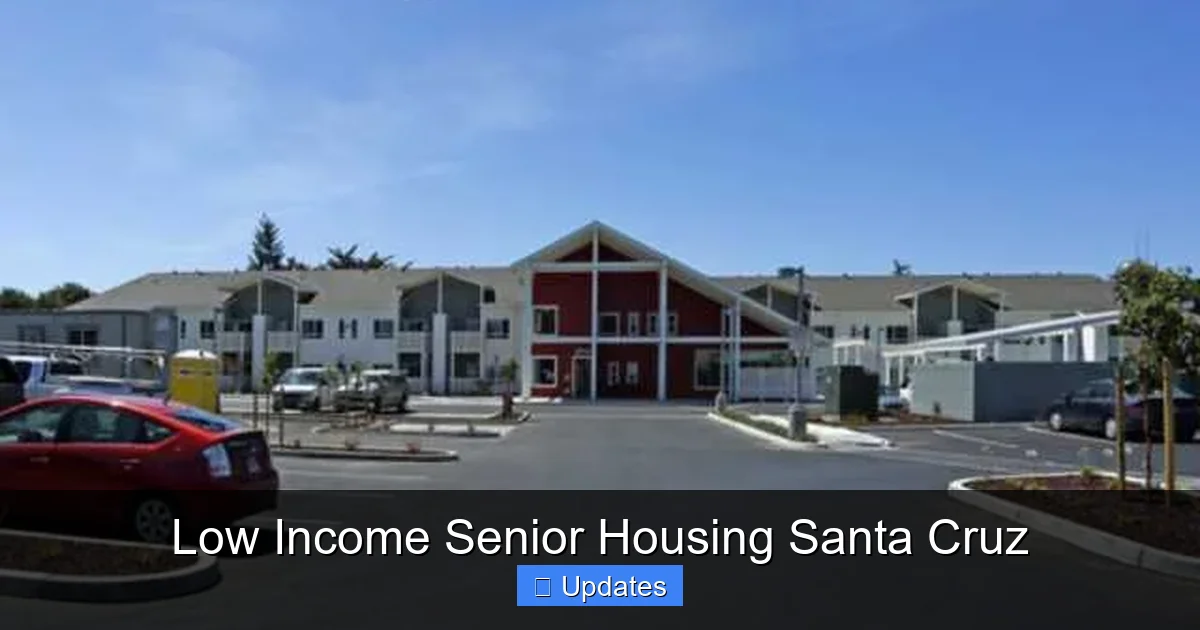
Visual guide about Low Income Senior Housing Santa Cruz
Image source: lowincomehousing.us
Applying for subsidized housing isn’t as simple as filling out a form online. There’s a structured process designed to ensure fairness and equity—especially important when resources are scarce.
Step-by-Step Application Process
1. **Determine Eligibility**: Confirm you’re 62+, a U.S. citizen or eligible non-citizen, and meet income guidelines.
2. **Gather Documentation**: You’ll need birth certificates, Social Security cards, tax returns, bank statements, and proof of residency.
3. **Register with Local Agencies**: Apply directly through the Santa Cruz County Housing Authority or nonprofit partners.
4. **Attend an Interview**: Expect questions about your health, finances, and support network.
5. **Join the Waitlist**: Most agencies place applicants in order by date of submission and preference categories (e.g., veterans, disabled individuals).
6. **Await Notification**: If selected, you’ll receive a voucher or unit assignment within weeks to months—depending on vacancy rates.
Common Reasons Applications Are Delayed or Denied
Even well-prepared applicants sometimes face setbacks. Common issues include:
– Missing income verification
– Incomplete paperwork
– Failure to attend scheduled interviews
– Criminal background checks (certain offenses may disqualify you)
– Over-income (even slightly exceeding limits)
If denied, ask for a written explanation. You may appeal or reapply after correcting deficiencies.
Resources to Help You Find Open Units
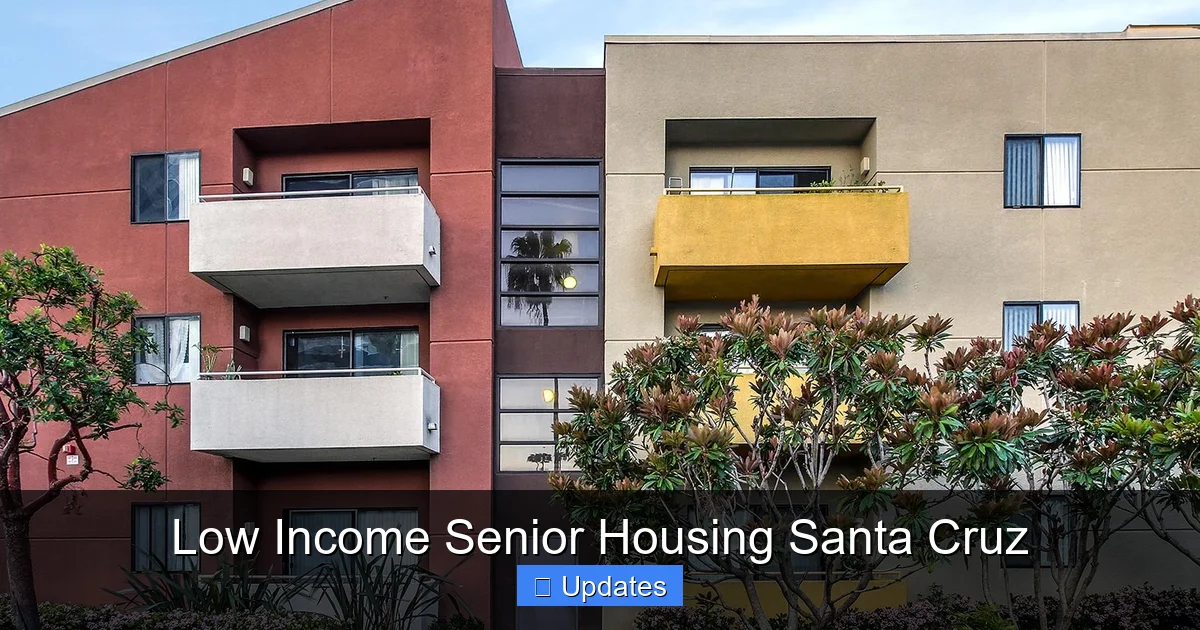
Visual guide about Low Income Senior Housing Santa Cruz
Image source: lowincomehousing.us
Because low income senior housing in Santa Cruz moves fast, timing is everything. Here’s how to stay ahead of the curve:
Use the HUD Housing Locator Tool
Visit HUD’s official database to search for active listings by ZIP code. Filter by “senior only,” “income-restricted,” and “accepting applications.”
Call 211 for Real-Time Updates
Dialing 2-1-1 connects you to United Way’s resource navigator in Santa Cruz County. Trained staff can tell you which buildings currently have openings, what documents are needed, and whether walk-in appointments are available.
Subscribe to Waitlist Alerts
Several agencies send email alerts when spots open up. For example:
– Santa Cruz Housing Authority: Sign up via their website
– Catholic Charities Monterey Bay: Contact [email protected]
– Community Action Partnership: Call (831) 423-4991 ext. 234
Pro tip: Create multiple accounts if possible. Some nonprofits use different systems, increasing your odds of hearing first.
Tips for a Smooth Move-In Experience
Once you secure a unit, preparation is key to a stress-free transition.
Prepare Your Space
Most low income senior housing includes appliances, flooring, and basic fixtures—but you’ll want to personalize safely. Avoid heavy furniture that could cause falls. Install grab bars in bathrooms, use nightlights, and keep frequently used items within easy reach.
Connect with Neighbors and Staff
Ask about orientation sessions, resident councils, and volunteer opportunities. Building relationships helps combat isolation—a real concern for many seniors.
Know Your Rights
All subsidized housing must comply with fair housing laws prohibiting discrimination based on race, gender, religion, or disability. If you experience unfair treatment, contact the Fair Housing Office at (800) 345-7417 or file a complaint online.
Budget Wisely
Remember: rent is based on income, not market rates. Even modest savings should go toward essentials like groceries, prescriptions, and emergency funds. Many communities offer financial counseling through partner agencies.
Alternatives When Local Inventory Is Full
If Santa Cruz’s waitlists are too long, consider nearby options with shorter lines.
Watsonville and Salinas
Both cities host several HUD-approved senior complexes with current openings. While farther from the coast, they offer similar climates, lower rents, and excellent transit links back to Santa Cruz.
Rent Assistance Programs
Temporary aid may bridge gaps while you wait. Examples:
– Santa Cruz County Rental Assistance Program (RAP): Up to 6 months of back rent or future payments.
– CalWORKs Housing Support: For seniors receiving SSI or SSDI.
Contact the Human Services Department at (831) 454-2111 to explore eligibility.
Community Support Beyond Housing
Affordable housing isn’t just about walls and roofs—it’s about belonging.
Senior Centers Offer More Than Meals
The Live Oak Senior Center provides fitness classes, art workshops, computer training, and legal aid clinics. Many also coordinate rides to medical appointments.
Mental Health and Nutrition Services
Crisis intervention, counseling, and nutrition education are available through partnerships with agencies like Mental Health Services Act (MHSA) programs and Meals on Wheels.
Volunteer Networks
Seniors who once gave back can continue doing so—through mentoring youth, assisting with community gardens, or helping neighbors with errands.
—
Living affordably in Santa Cruz as a senior doesn’t mean sacrificing comfort or connection. With persistence, knowledge, and community support, you can find a home that honors your dignity, respects your budget, and celebrates your story.
Remember: you’re not alone. Thousands of seniors before you have navigated this journey—and succeeded.
Frequently Asked Questions
What is considered “low income” for senior housing in Santa Cruz?
In Santa Cruz County, low income is generally defined as earning no more than 50% of the Area Median Income (AMI). For a single person, this means earning less than approximately $35,650 annually as of 2024. Most subsidized senior housing programs require applicants to fall well below this threshold.
How long are waiting lists for low income senior housing in Santa Cruz?
Waiting times vary by property but typically range from 18 months to over 3 years. Demand far exceeds supply, especially for units with supportive services. Applying to multiple agencies increases your chances of faster placement.
Can I apply for senior housing if I have a criminal record?
Possibly—but certain convictions related to violence, drug distribution, or sex offenses may disqualify you. Each application undergoes a background check. Ask the agency about their specific policies during your interview.
Are pets allowed in low income senior housing?
It depends on the property. Many allow small dogs or cats with landlord approval. Some even waive pet deposits or offer pet therapy programs. Always ask about pet policies before moving in.
What happens if my income increases after getting approved?
You must report changes in income to the housing authority within 10 days. Rent will adjust accordingly—usually upward—but rarely exceeds 30% of gross income. The agency may also reassess eligibility every 1–2 years.
Is there transportation from low income senior housing to medical appointments?
Many subsidized communities include scheduled shuttle services or partner with local nonprofits for door-to-door transport. Check your lease or speak with property management about available options.
