
Low Income Senior Housing Pittsburgh Pa


Bathtub Grab Bar

Foot Massager Machine

Adjustable Bed Wedge Pillow
Low income senior housing in Pittsburgh, PA offers safe, affordable living options for older adults with limited budgets. From government-subsidized apartments to nonprofit communities, there are many resources to help seniors maintain independence and dignity.
Finding a safe, comfortable, and affordable place to live is one of the most important concerns for older adults—especially those living on a fixed or limited income. In Pittsburgh, Pennsylvania, low income senior housing offers a lifeline to thousands of residents who want to age in place with dignity and peace of mind. Whether you’re a lifelong Pittsburgher or new to the area, knowing where to look and how to apply can make all the difference.
Pittsburgh has a rich history of community support and public investment in housing. Over the years, the city has developed a network of affordable senior housing options that blend accessibility, security, and quality of life. These aren’t just places to sleep—they’re communities where seniors can thrive. From high-rise apartments with river views to cozy garden-style complexes in quiet neighborhoods, there’s something for nearly every preference and need.
But let’s be honest: navigating the world of low income senior housing can feel overwhelming. There are applications, income limits, waitlists, and a lot of acronyms (HUD, HACP, LIHTC—oh my!). That’s why this guide is here to help. We’ll walk you through everything you need to know about low income senior housing in Pittsburgh, PA, including how to qualify, where to apply, what to expect, and how to get support along the way. Think of this as your friendly neighbor sharing insider tips over a cup of coffee.
Key Takeaways
- Affordable Options Exist: Pittsburgh has numerous low income senior housing communities supported by federal, state, and local programs.
- Subsidized Rent Available: Many apartments use income-based rent calculations, so you pay only what you can afford—often 30% of your monthly income.
- Support Services Included: Some housing complexes offer on-site medical care, meal programs, transportation, and social activities.
- Application Process Can Be Competitive: Waitlists are common, so it’s wise to apply early and explore multiple options.
- Eligibility Based on Age and Income: Most programs require applicants to be 62 or older and meet specific income limits set by HUD.
- Local Agencies Provide Assistance: Organizations like the Housing Authority of the City of Pittsburgh (HACP) and Area Agency on Aging can guide you through the process.
- Location Matters: Senior housing is available across Pittsburgh’s neighborhoods, including downtown, the North Side, and surrounding suburbs.
📑 Table of Contents
Understanding Low Income Senior Housing in Pittsburgh
When we talk about low income senior housing in Pittsburgh, PA, we’re referring to residential communities designed specifically for older adults—typically age 62 and up—who earn below a certain percentage of the area median income (AMI). These housing options are often subsidized by government programs or operated by nonprofit organizations to keep costs low and accessibility high.
The goal is simple: help seniors maintain independence while reducing the financial burden of rent, utilities, and daily living expenses. Unlike traditional retirement communities that can cost thousands per month, low income senior housing in Pittsburgh is built with affordability in mind. Many residents pay rent based on their income, often capped at 30% of their monthly earnings. This means if you earn $1,500 a month, your rent might be around $450—far more manageable than market-rate apartments.
There are several types of low income senior housing available in Pittsburgh:
– **Public Housing:** Managed by the Housing Authority of the City of Pittsburgh (HACP), these are government-owned apartments available to low-income seniors.
– **Section 202 Supportive Housing:** Federally funded properties that offer affordable rent and often include support services like meals, transportation, and health care coordination.
– **Low-Income Housing Tax Credit (LIHTC) Properties:** Privately developed but subsidized through federal tax incentives, these offer reduced rents to qualifying seniors.
– **Nonprofit and Faith-Based Communities:** Organizations like Catholic Charities or local senior centers sometimes operate housing with sliding-scale fees.
Each type has its own application process, eligibility rules, and amenities. The good news? Pittsburgh has a strong mix of all these options, giving seniors more choices than in many other cities.
Who Qualifies for Low Income Senior Housing?
To qualify for most low income senior housing in Pittsburgh, PA, you’ll need to meet two main criteria: age and income.
First, you must be at least 62 years old. Some communities may accept younger individuals with disabilities, but the majority are reserved for seniors.
Second, your household income must fall below a certain threshold. These limits are set annually by the U.S. Department of Housing and Urban Development (HUD) and vary depending on family size. For example, in 2024, a single senior earning less than $38,000 per year would likely qualify for most programs. A couple earning under $43,400 might also be eligible.
It’s important to note that “income” includes more than just wages. Social Security benefits, pensions, retirement account withdrawals, and even child support can count toward your total. But don’t panic—many seniors find they qualify even if they have some savings or a small pension.
How Rent Is Calculated
One of the biggest advantages of low income senior housing is how rent is determined. Unlike market-rate apartments where prices are set by demand, subsidized housing uses a formula based on your actual income.
Most programs use the “30% rule”: you pay no more than 30% of your adjusted monthly income toward rent and utilities. For example:
– If your monthly income is $1,200, your rent might be around $360.
– If you receive $2,000 per month from Social Security and a pension, your rent could be about $600.
This system ensures that housing remains affordable no matter how your income changes. And because utilities are often included or heavily subsidized, your overall housing costs stay low.
Some communities also offer additional discounts or emergency assistance for seniors facing temporary financial hardship. It’s always worth asking about these options during the application process.
Top Low Income Senior Housing Communities in Pittsburgh
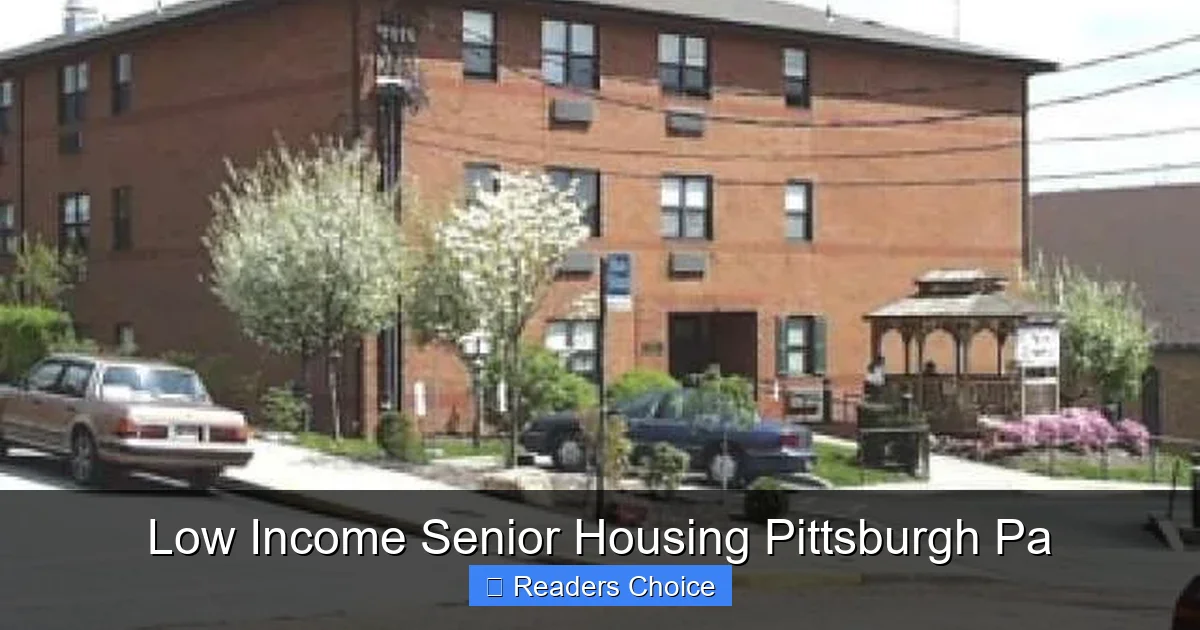
Visual guide about Low Income Senior Housing Pittsburgh Pa
Image source: lowincomehousing.us
Pittsburgh is home to dozens of senior housing communities that cater to low-income residents. While availability can vary, these are some of the most well-regarded and accessible options in the city.
Housing Authority of the City of Pittsburgh (HACP)
As the largest provider of affordable housing in the region, HACP manages over 30 senior properties across Pittsburgh. These include high-rises like the iconic Manchester Apartments on the North Side and quieter garden-style complexes in neighborhoods like East Liberty and Homewood.
HACP properties are open to seniors 62 and older who meet income guidelines. Rent is based on income, and many buildings offer on-site maintenance, security, and community rooms. Some even have partnerships with local health providers for wellness programs.
To apply, visit the HACP website or stop by their downtown office. Be prepared to provide proof of age, income, and identity. Waitlists can be long—sometimes over a year—so apply as soon as you’re eligible.
Section 202 Properties
Funded by HUD, Section 202 housing is designed specifically for very low-income seniors. These properties are often newer, well-maintained, and include supportive services.
One standout is **The Towers at Fifth Avenue** in the Strip District. This 15-story building offers 150 units with elevators, laundry facilities, and a community kitchen. Residents enjoy organized activities, guest speakers, and access to nearby parks and public transit.
Another excellent option is **St. Mary’s Court** in the South Side, operated by Catholic Charities. It provides affordable apartments with optional meal plans and transportation services. The building is close to hospitals, pharmacies, and shopping centers—perfect for seniors who want convenience and community.
LIHTC and Nonprofit Developments
Private developers who receive Low-Income Housing Tax Credits often build senior-friendly apartments with modern amenities. These properties may not offer as many support services as Section 202 buildings, but they’re usually newer and located in desirable neighborhoods.
For example, **The Residences at Penn Avenue** in Bloomfield offers one- and two-bedroom units with energy-efficient appliances, wheelchair accessibility, and a rooftop garden. Rent is income-based, and the location puts residents within walking distance of cafes, libraries, and medical offices.
Similarly, **Hilltop Senior Village** in the Hill District provides affordable housing with on-site social workers and wellness programs. The community emphasizes cultural engagement and intergenerational activities, making it a vibrant place to live.
Faith-Based and Community Organizations
Many religious and community groups in Pittsburgh operate senior housing with a mission-driven approach. These often include spiritual support, volunteer opportunities, and family-like atmospheres.
**Lutheran SeniorLife** runs several affordable communities, including **Harmar House** in the North Hills. This campus-style property offers independent living, assisted living, and memory care—all with sliding-scale fees based on income.
**Jewish Family & Community Services** also provides housing assistance and referrals for Jewish seniors, ensuring cultural and religious needs are met.
These organizations often have smaller waitlists and more personalized service, so they’re worth exploring even if you’re not affiliated with their faith.
How to Apply for Low Income Senior Housing
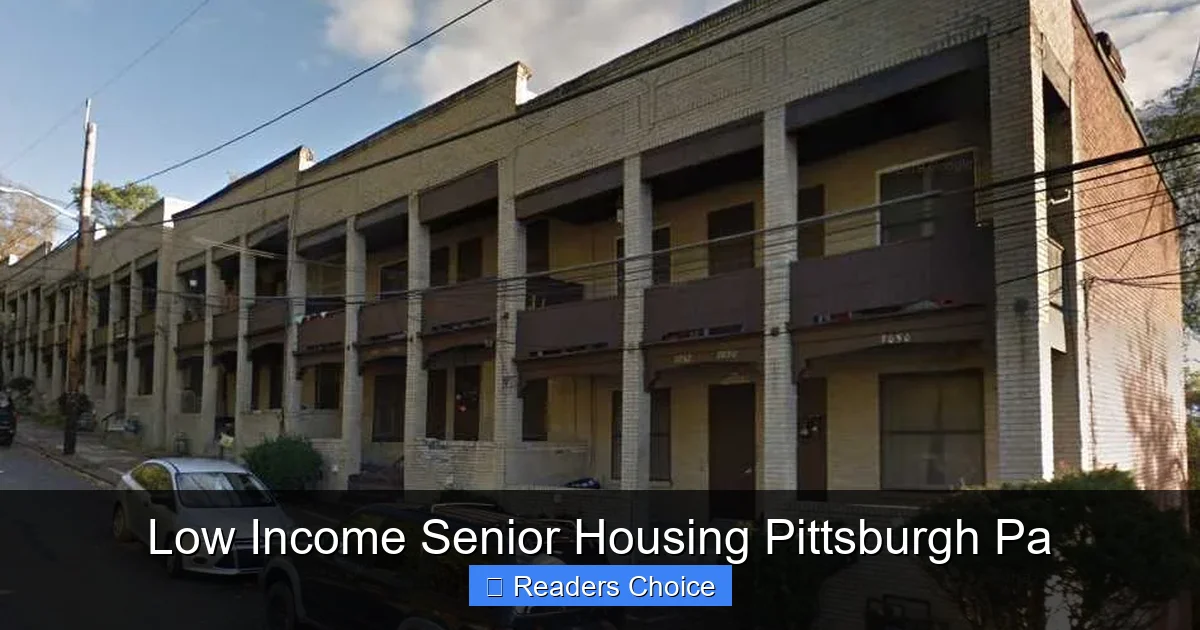
Visual guide about Low Income Senior Housing Pittsburgh Pa
Image source: lowincomehousing.us
Applying for low income senior housing in Pittsburgh, PA, doesn’t have to be stressful—but it does require preparation. The key is to start early, gather your documents, and apply to multiple programs to increase your chances.
Step 1: Determine Your Eligibility
Before applying, check if you meet the basic requirements:
– Age 62 or older (or 55+ in some communities)
– Household income below HUD limits
– U.S. citizenship or eligible immigrant status
– Clean criminal background (some offenses may disqualify you)
You can use online tools like the HUD Income Eligibility Calculator to estimate your qualification.
Step 2: Gather Required Documents
Most applications will ask for:
– Proof of age (birth certificate, driver’s license)
– Proof of income (Social Security award letter, pension statements, tax returns)
– Identification (Social Security card, photo ID)
– Proof of residency (utility bill, lease)
– Medical records (if applying for disability-based housing)
Keep digital and physical copies of everything. Missing documents are a common reason applications are delayed.
Step 3: Submit Applications
You can apply directly through housing providers like HACP or nonprofit agencies. Many accept online applications, but some still require in-person visits or mailed forms.
Be sure to:
– Apply to multiple properties (don’t put all your eggs in one basket)
– Note application deadlines and renewal dates
– Follow up regularly to check your status
Step 4: Join Waitlists and Stay Informed
Waitlists are common—some are months long, others over a year. While waiting:
– Update your contact information if you move
– Report changes in income or household size
– Attend informational sessions or housing fairs
Some agencies offer priority placement for seniors with disabilities, veterans, or those facing homelessness. Make sure to disclose any qualifying conditions.
Step 5: Prepare for Move-In
Once you’re approved, you’ll receive a move-in date and lease agreement. Review it carefully. Ask about:
– Security deposits (often waived or reduced)
– Utility responsibilities
– Pet policies
– Guest rules
Many communities offer move-in assistance, including help with furniture or transportation. Don’t hesitate to ask for support.
Support Services and Amenities Available
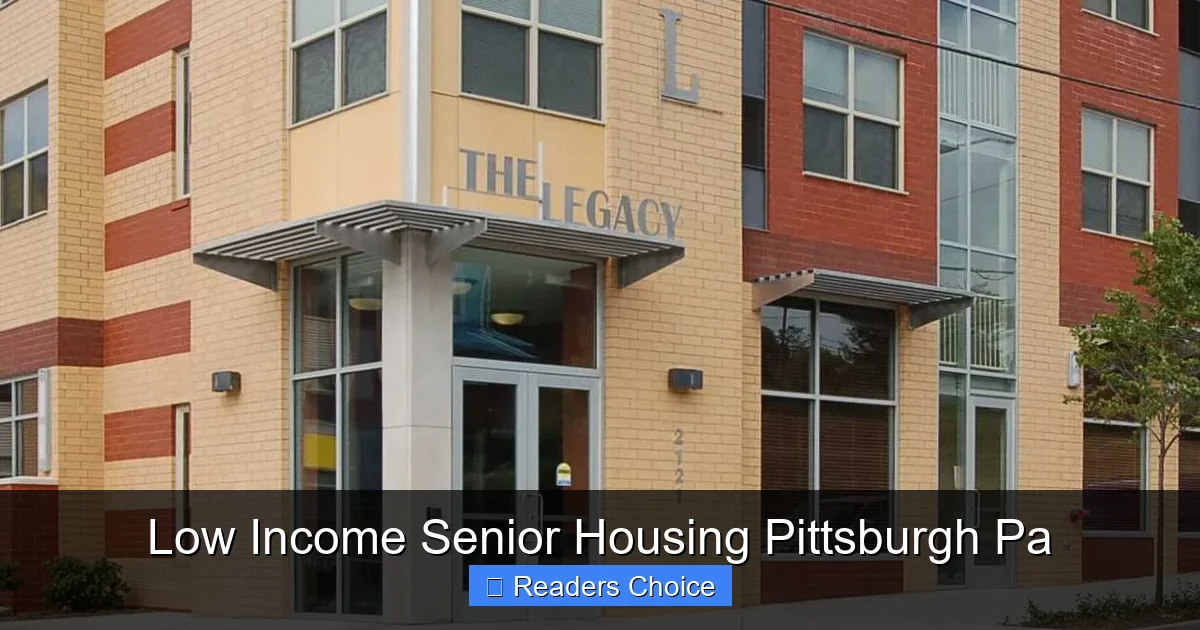
Visual guide about Low Income Senior Housing Pittsburgh Pa
Image source: lowincomehousing.us
One of the biggest benefits of low income senior housing in Pittsburgh is the access to support services. These aren’t just places to live—they’re communities designed to help seniors stay healthy, connected, and independent.
On-Site Health and Wellness Programs
Many senior housing complexes partner with local health providers to offer:
– Free health screenings (blood pressure, diabetes, vision)
– Vaccination clinics
– Physical therapy or fitness classes
– Mental health counseling
For example, **The Towers at Fifth Avenue** hosts monthly wellness fairs with nurses, dietitians, and social workers. Residents can get flu shots, learn about Medicare, or join a walking club.
Meal and Nutrition Services
Food insecurity is a real issue for low-income seniors. That’s why many housing communities offer:
– Subsidized meal programs (hot lunches 5 days a week)
– Grocery delivery or pantry access
– Nutrition education workshops
**St. Mary’s Court** provides a daily lunch program for $3, with options for dietary restrictions. They also run a “Senior Grocery Bag” program that delivers essentials monthly.
Transportation and Mobility Assistance
Getting around can be tough for seniors, especially in a hilly city like Pittsburgh. Many housing providers offer:
– Free or low-cost shuttle buses to medical appointments, grocery stores, and community centers
– Paratransit services for those with disabilities
– Partnerships with ride-share programs like Uber Health
HACP operates a senior shuttle that runs routes through downtown, Oakland, and the North Side. Residents can schedule rides up to a week in advance.
Social and Recreational Activities
Loneliness and isolation are serious health risks for seniors. That’s why community engagement is a top priority in low income senior housing.
Activities might include:
– Book clubs and movie nights
– Art and music classes
– Holiday celebrations and cultural events
– Volunteer opportunities
**Hilltop Senior Volunteer Program** pairs residents with local schools and nonprofits, fostering intergenerational connections and purpose.
Safety and Security Features
Safety is a major concern for seniors and their families. Most affordable housing communities offer:
– 24/7 security or front desk staff
– Emergency call systems in apartments
– Well-lit hallways and outdoor areas
– Secure entry with key fobs or codes
Many buildings also have partnerships with local police for regular safety checks and crime prevention workshops.
Resources and Organizations to Help You
You don’t have to navigate this journey alone. Pittsburgh has a strong network of agencies and nonprofits dedicated to helping seniors find housing and support.
Housing Authority of the City of Pittsburgh (HACP)
As the primary public housing provider, HACP is your go-to for affordable senior apartments. Their website lists available properties, income limits, and application instructions. They also offer housing counseling and eviction prevention services.
Visit: www.hacp.org
Call: (412) 456-5000
Allegheny County Area Agency on Aging
This county-run agency provides free information and assistance for seniors. Their Housing Specialists can help you:
– Find low income senior housing options
– Complete applications
– Understand your rights as a tenant
They also run the Senior Line at (412) 350-5460—a toll-free hotline open Monday through Friday.
Pittsburgh Senior Resource Network
A coalition of nonprofits, healthcare providers, and city agencies, this network hosts housing fairs, workshops, and one-on-one counseling. They’re especially helpful for seniors who speak languages other than English or have complex needs.
Legal Aid of Southwestern Pennsylvania
If you’re facing eviction, discrimination, or unfair lease terms, Legal Aid offers free legal help to low-income seniors. Their housing attorneys can review your case and represent you in court if needed.
United Way of Southwestern Pennsylvania
Dial 211 or visit pa211swpa.org to connect with housing, food, transportation, and health services. Their specialists can create a personalized plan based on your needs and location.
Tips for a Successful Housing Search
Finding the right low income senior housing in Pittsburgh takes time and effort—but it’s worth it. Here are some practical tips to help you succeed:
– **Start Early:** Waitlists can be long. Apply as soon as you’re eligible, even if you’re not ready to move yet.
– **Be Flexible:** Consider different neighborhoods and building types. A slightly farther location might offer better amenities or shorter wait times.
– **Ask Questions:** During tours, ask about waitlist length, rent increases, pet policies, and emergency procedures.
– **Bring a Friend:** Having a family member or advocate with you can help you remember details and ask important questions.
– **Keep Records:** Save copies of all applications, emails, and correspondence. This helps if there’s a dispute or delay.
– **Stay Organized:** Use a binder or digital folder to track deadlines, documents, and contact information.
– **Don’t Give Up:** If you’re denied, ask why. You may be able to reapply or appeal the decision.
Remember, you deserve a safe, affordable place to call home. With the right resources and persistence, you can find a community where you feel valued and supported.
Conclusion
Low income senior housing in Pittsburgh, PA, is more than just a place to live—it’s a foundation for a healthier, happier, and more connected life. With a range of affordable options, supportive services, and strong community networks, Pittsburgh is committed to helping older adults age with dignity and independence.
Whether you’re exploring public housing, Section 202 properties, or nonprofit communities, there are resources available to guide you every step of the way. The process may take time, but the peace of mind that comes with stable, affordable housing is priceless.
Don’t wait until you’re in crisis to start your search. Reach out to local agencies, attend housing fairs, and talk to other seniors about their experiences. You’re not alone—and Pittsburgh is ready to welcome you home.
Frequently Asked Questions
What is the average wait time for low income senior housing in Pittsburgh?
Wait times vary by location and demand, but most seniors can expect to wait 6 months to 2 years. High-demand areas like downtown or the North Side may have longer lists, while suburban communities might be faster.
Can I apply for multiple senior housing programs at once?
Yes! Applying to several programs increases your chances of finding a spot sooner. Just make sure to update each provider if your situation changes.
Do I have to be a U.S. citizen to qualify?
No, but you must be a U.S. citizen or have eligible immigration status (such as a green card holder). Documentation will be required during the application process.
Are pets allowed in low income senior housing?
Many communities allow small pets like cats or dogs, but policies vary. Some charge pet deposits or restrict breeds. Always check the rules before applying.
What happens if my income increases after I move in?
Your rent may be adjusted based on your new income, but you won’t be evicted solely for earning more. Most programs allow gradual transitions or offer referrals to other housing if needed.
Is there help for seniors who are homeless or at risk of homelessness?
Yes. Organizations like the Allegheny County Housing Choice Voucher Program and PATH (Projects for Assistance in Transition from Homelessness) offer emergency housing and rapid rehousing for seniors in crisis.