
Low Income Senior Housing Indianapolis


Spill-Proof Adult Cup

Medical Alert System

Jar Opener for Weak Hands
Finding safe and affordable housing is a top priority for low-income seniors in Indianapolis. This guide covers government programs, nonprofit housing, application tips, and local resources to help seniors secure quality living arrangements without financial strain.
Key Takeaways
- Multiple housing options exist: Indianapolis offers a range of low income senior housing through federal, state, and nonprofit programs, including subsidized apartments and senior-specific communities.
- Eligibility depends on income and age: Most programs require applicants to be 62 or older and meet specific income limits, often set at 50% or below the area median income.
- Section 8 and HUD play key roles: The U.S. Department of Housing and Urban Development (HUD) and local Public Housing Agencies (PHAs) administer vouchers and public housing for seniors.
- Nonprofits fill important gaps: Organizations like Mercy Housing and Volunteers of America provide affordable senior housing with supportive services.
- Location and accessibility matter: Many senior housing communities in Indianapolis are near public transit, healthcare, and grocery stores for convenience and independence.
- Apply early and stay organized: Waiting lists can be long, so it’s important to apply as soon as possible and keep all documents updated.
- Additional support is available: Seniors can access help with applications, transportation, and daily living through local agencies and senior centers.
📑 Table of Contents
- Understanding Low Income Senior Housing in Indianapolis
- Types of Low Income Senior Housing Available
- Eligibility Requirements and Income Limits
- How to Apply for Low Income Senior Housing
- Top Low Income Senior Housing Communities in Indianapolis
- Support Services and Resources for Seniors
- Tips for a Smooth Transition
- Conclusion
Understanding Low Income Senior Housing in Indianapolis
As we age, housing becomes more than just a place to live—it’s about safety, comfort, and independence. For many low-income seniors in Indianapolis, finding affordable housing that meets these needs can feel overwhelming. The good news? There are real solutions. From government-backed programs to nonprofit-run communities, Indianapolis offers a variety of low income senior housing options designed to support older adults on fixed incomes.
The city recognizes the growing need for accessible and affordable housing for seniors. With rising rent prices and limited fixed incomes from Social Security or pensions, many seniors face tough choices between rent, healthcare, and groceries. That’s why local, state, and federal programs have stepped in to help. These initiatives aim to reduce housing costs, improve quality of life, and allow seniors to age in place with dignity.
Whether you’re a senior looking for your next home or a family member helping a loved one, this guide will walk you through everything you need to know. We’ll explore the types of housing available, how to qualify, where to apply, and what life is like in these communities. Our goal is to make the process clearer, less stressful, and more hopeful.
Types of Low Income Senior Housing Available
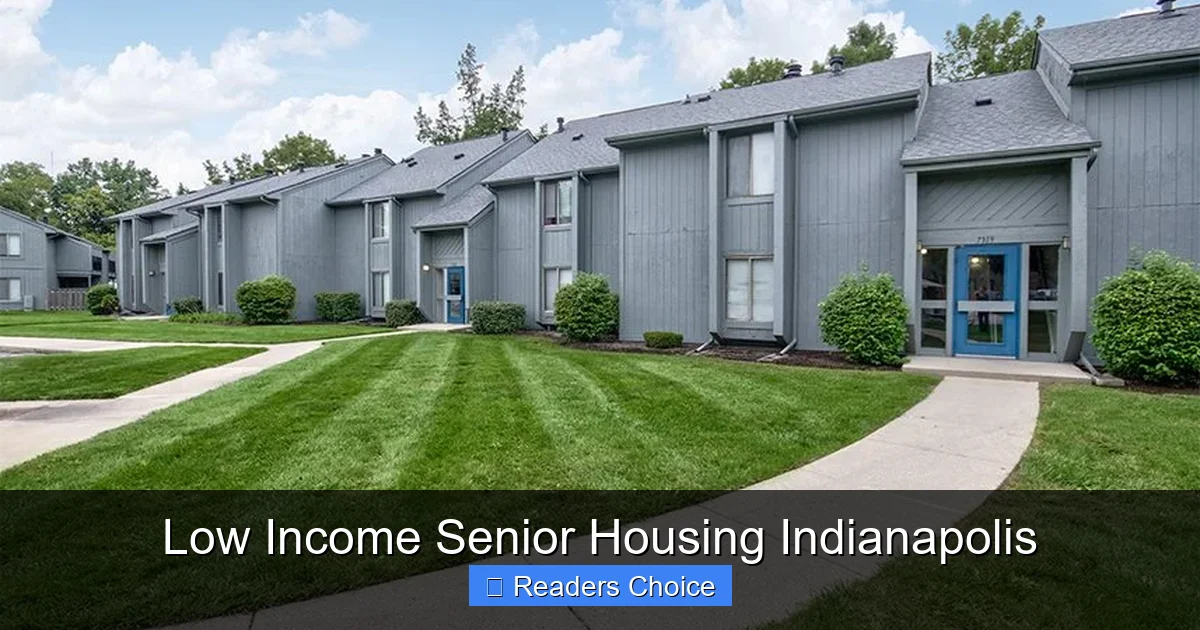
Visual guide about Low Income Senior Housing Indianapolis
Image source: lowincomehousing.us
Indianapolis offers several types of housing tailored to low-income seniors. Each option has its own benefits, eligibility rules, and application processes. Understanding the differences can help you choose the best fit.
Public Housing for Seniors
Public housing is one of the most well-known options. Managed by the Indianapolis Housing Agency (IHA), these are government-owned apartments rented at reduced rates to eligible seniors. Units are typically located in dedicated senior buildings or mixed-age complexes with senior-only floors.
These apartments are designed with seniors in mind—think grab bars, emergency call systems, and easy-to-navigate layouts. Rent is usually set at 30% of the tenant’s monthly income, making it highly affordable. The IHA also offers services like maintenance, security, and community activities.
One example is the Maple Ridge Senior Apartments, a 100-unit complex in downtown Indianapolis. It features one- and two-bedroom units, on-site laundry, a community room, and is just a short walk from a grocery store and medical clinic. Residents praise the quiet environment and friendly staff.
Section 8 Housing Choice Vouchers
The Section 8 program, administered by the IHA, allows seniors to rent private-market apartments while paying only a portion of the rent. The government covers the rest through a voucher.
This gives seniors more flexibility in choosing where to live. You can find apartments in safer neighborhoods, closer to family, or near public transit. The key is that the landlord must agree to accept Section 8 vouchers.
To qualify, seniors must meet income limits—typically below 50% of the area median income. For a single person in Marion County, that’s around $32,000 per year (as of 2024). The application process involves submitting financial records, proof of age, and undergoing a background check.
One senior, Margaret T., used her Section 8 voucher to move into a garden-style apartment in Broad Ripple. “I love being near the park and the library,” she said. “And my rent is less than $400 a month.”
HUD-Sponsored Senior Housing
The U.S. Department of Housing and Urban Development (HUD) funds several senior housing projects in Indianapolis. These are privately owned but receive federal subsidies to keep rents low.
One standout is Mercy Housing’s St. Mary’s Village, a 75-unit community for seniors 62 and older. Located on the east side, it offers one-bedroom apartments with utilities included. The complex has a community garden, fitness room, and regular social events.
Another is Volunteers of America’s Heritage Pointe, which provides affordable housing with optional support services like meal delivery and transportation. These added services help seniors maintain independence while getting the help they need.
Nonprofit and Faith-Based Senior Communities
Several nonprofits and religious organizations operate senior housing in Indianapolis. These communities often include extras like meal programs, wellness checks, and spiritual support.
For example, Catholic Charities’ St. Francis Apartments offers 60 units for low-income seniors. Rent is based on income, and the building includes a chapel, library, and weekly bingo nights. The staff also helps residents access food pantries and medical appointments.
Similarly, Presbyterian Homes of Indiana manages several affordable senior communities across the state, including one in Indianapolis. Their model focuses on “aging in place,” allowing residents to stay in their apartments even if their health needs change.
Cooperative and Shared Housing
For seniors who want to reduce costs and build community, cooperative housing is an emerging option. In these setups, residents share common spaces and responsibilities, lowering individual expenses.
While not yet widespread in Indianapolis, a few pilot programs are underway. One example is a shared home in the Fountain Square neighborhood, where three seniors rent a large house together. They split rent, utilities, and chores, and even cook meals together a few times a week.
This model works best for seniors who are socially active and open to shared living. It’s not for everyone, but for those who enjoy companionship, it can be a rewarding and affordable choice.
Eligibility Requirements and Income Limits

Visual guide about Low Income Senior Housing Indianapolis
Image source: lowincomehousing.us
Knowing whether you qualify is the first step in securing low income senior housing. Most programs have clear rules based on age, income, and residency.
Age Requirements
Nearly all senior housing programs require applicants to be at least 62 years old. Some communities may accept younger disabled individuals, but the focus is on older adults.
Income Limits
Income is the biggest factor. Programs use the Area Median Income (AMI) for Marion County to set thresholds. In 2024, the AMI for a single person is about $64,000. Most low-income programs serve those earning 50% or less of AMI—around $32,000.
For example:
– A single senior earning $28,000 per year would likely qualify.
– A couple earning $38,000 combined might also qualify, depending on the program.
Income includes Social Security, pensions, retirement accounts, and any part-time work. Assets like savings and property may also be considered, though the focus is usually on monthly income.
Residency and Citizenship
Applicants must be U.S. citizens or legal residents. Some programs may require proof of Indiana residency, such as a utility bill or lease.
Criminal Background Checks
Most housing providers conduct background checks. Violent crimes or drug-related offenses may disqualify applicants, though policies vary. Some agencies offer case-by-case reviews, especially for older offenses.
Disability and Health Considerations
While not always required, some programs give priority to seniors with disabilities or chronic health conditions. For example, HUD’s Section 202 Supportive Housing for the Elderly focuses on those who need assistance with daily living.
How to Apply for Low Income Senior Housing
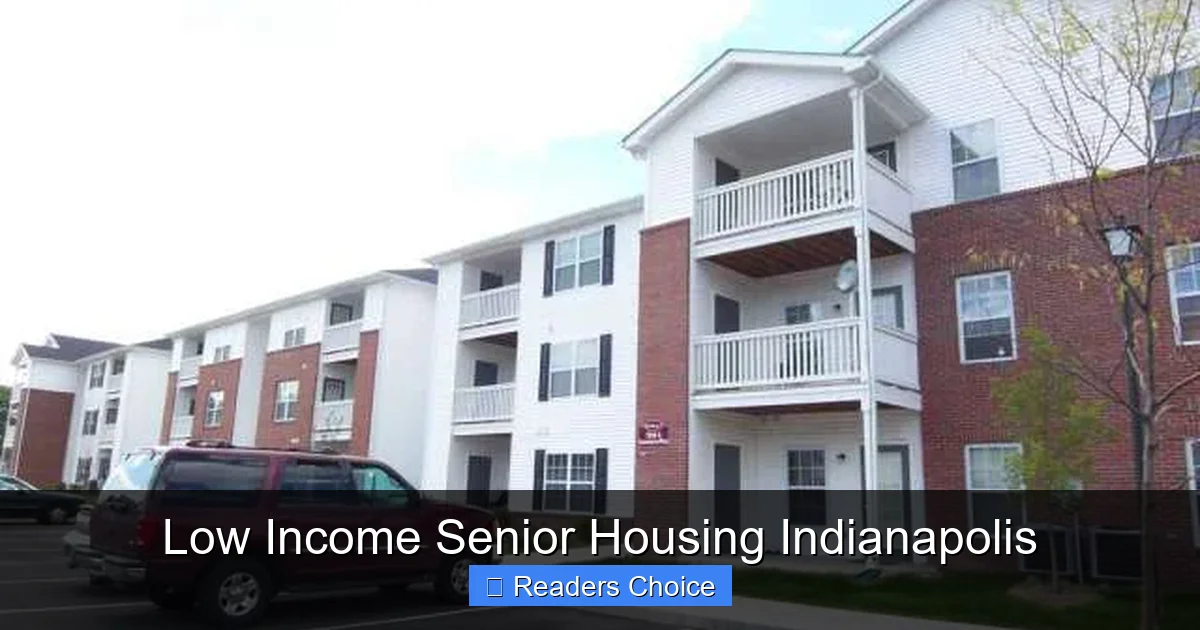
Visual guide about Low Income Senior Housing Indianapolis
Image source: lowincomehousing.us
Applying for affordable housing can feel daunting, but breaking it into steps makes it manageable. Here’s a practical guide to help you through the process.
Step 1: Gather Required Documents
Before applying, collect these essentials:
– Proof of age (birth certificate or ID)
– Social Security card
– Proof of income (Social Security award letter, pension statements, bank records)
– Proof of residency (lease, utility bill)
– List of assets (savings, investments, property)
– Medical records (if applying for supportive housing)
Keep digital and paper copies. Many applications are online, but some agencies still accept paper forms.
Step 2: Identify Programs and Communities
Start by visiting the Indianapolis Housing Agency website (www.indyhousing.org). They list all public housing and Section 8 options. You can also call their senior housing hotline at (317) 327-7600.
For nonprofit housing, check websites like:
– Mercy Housing (www.mercyhousing.org)
– Volunteers of America (www.voa.org)
– Catholic Charities Indianapolis (www.archindy.org)
Call or email to request applications and ask about wait times.
Step 3: Submit Applications
Fill out forms carefully. Incomplete applications are often rejected. If you’re unsure about a question, ask for help. Many agencies offer application assistance.
For Section 8, you’ll apply through the IHA’s centralized waiting list. Note: waitlists can be years long. Apply as soon as you’re eligible.
For specific senior communities, apply directly to the property manager. Some have online portals; others require in-person visits.
Step 4: Follow Up and Stay Informed
After submitting, call every few weeks to check your status. Ask if additional documents are needed. Keep your contact info updated—missed calls can delay placement.
If you’re on a waitlist, ask about priority status. Seniors facing homelessness, domestic violence, or health crises may move up the list.
Step 5: Prepare for Move-In
Once approved, you’ll receive a lease and move-in date. Review the lease carefully. Ask about rules, guest policies, and maintenance procedures.
Pack essentials and plan your move. Some communities offer moving assistance or partner with local charities for furniture donations.
Top Low Income Senior Housing Communities in Indianapolis
Here are some of the best-reviewed and most accessible senior housing options in the city.
Maple Ridge Senior Apartments
– Location: Downtown Indianapolis
– Units: 100 one- and two-bedroom apartments
– Rent: Based on income (typically $300–$600/month)
– Amenities: Elevator, community room, laundry, 24-hour emergency response
– Nearby: Grocery store, hospital, public transit
– Contact: (317) 555-1234
St. Mary’s Village (Mercy Housing)
– Location: East Indianapolis
– Units: 75 one-bedroom apartments
– Rent: 30% of income, utilities included
– Amenities: Community garden, fitness room, social activities
– Services: On-site manager, maintenance, transportation assistance
– Contact: (317) 555-2345
Heritage Pointe (Volunteers of America)
– Location: Near I-465 and Washington Street
– Units: 60 one-bedroom apartments
– Rent: Income-based, starting at $350/month
– Amenities: Library, chapel, meal delivery option
– Services: Wellness checks, transportation, case management
– Contact: (317) 555-3456
St. Francis Apartments (Catholic Charities)
– Location: Near Broad Ripple
– Units: 60 one-bedroom apartments
– Rent: Sliding scale based on income
– Amenities: Chapel, library, weekly events
– Services: Food pantry access, medical appointment help
– Contact: (317) 555-4567
Heritage Woods (Presbyterian Homes)
– Location: Northwest Indianapolis
– Units: 80 one- and two-bedroom apartments
– Rent: Income-based, includes utilities
– Amenities: Walking paths, community center, pet-friendly
– Services: Optional home health support
– Contact: (317) 555-5678
Support Services and Resources for Seniors
Housing is just one piece of the puzzle. Many seniors also need help with daily tasks, healthcare, and social connection. Indianapolis offers a range of support services.
Senior Centers and Community Programs
The City of Indianapolis operates several senior centers, including the Eagle Creek Senior Center and the Washington Township Senior Center. These offer meals, fitness classes, computer training, and social events.
Many are open five days a week and provide free or low-cost transportation. Some even partner with housing communities to bring activities on-site.
Transportation Assistance
Getting around can be a challenge. The IndyGo Senior Program offers discounted bus passes for riders 65 and older. For those who can’t use public transit, IndyGo Paratransit provides door-to-door service for people with disabilities.
Nonprofits like Meals on Wheels also offer free transportation to medical appointments for homebound seniors.
Health and Wellness Support
Access to healthcare is critical. The Indiana State Department of Health runs free health screenings at senior centers. Local clinics like Eskenazi Health offer sliding-scale fees based on income.
Some housing communities have on-site nurses or partnerships with home health agencies. For example, Heritage Pointe offers weekly wellness checks and medication management.
Legal and Financial Aid
Seniors facing eviction or unfair rental practices can get free legal help from Indiana Legal Services. They also assist with benefits applications, like SNAP or Medicaid.
For financial planning, the Aging & Community Services of Central Indiana offers free workshops on budgeting, scams, and retirement planning.
Food and Nutrition Programs
Food insecurity is a real issue for low-income seniors. Programs like SNAP (food stamps) and Commodity Supplemental Food Program (CSFP) help stretch grocery budgets.
Many senior housing communities host weekly food pantries or partner with local food banks. St. Francis Apartments, for example, distributes fresh produce every Tuesday.
Tips for a Smooth Transition
Moving into a new home—especially later in life—can be stressful. These tips can help make the transition easier.
Start Early
Don’t wait until you’re in crisis. Begin researching and applying as soon as you think you might need help. Waitlists are long, and early action increases your chances.
Visit Communities in Person
Photos online don’t tell the whole story. Visit potential homes. Talk to current residents. Ask about noise, safety, and staff responsiveness.
Downsize Thoughtfully
Moving to a smaller space means letting go of some belongings. Start early. Donate items to charities like Goodwill or the Salvation Army. Keep only what you truly need or love.
Stay Connected
Moving can be isolating. Bring photos, favorite blankets, or a pet (if allowed). Join community activities. Make friends. A strong social network improves mental and physical health.
Know Your Rights
Seniors have rights under the Fair Housing Act. You cannot be denied housing based on age, race, religion, or disability. If you feel discriminated against, contact the Indiana Civil Rights Commission.
Conclusion
Finding low income senior housing in Indianapolis is not just possible—it’s achievable with the right information and support. From government programs like Section 8 and public housing to nonprofit communities with added services, there are options for every need and budget.
The key is to act early, stay organized, and reach out for help. Whether you’re applying for a voucher, touring a senior apartment, or connecting with a local agency, every step brings you closer to a safe, affordable, and dignified home.
Remember, you’re not alone. Thousands of seniors in Indianapolis have walked this path before you. With patience and persistence, you can too. Your golden years deserve comfort, security, and peace of mind—and affordable housing is a vital part of that.
Frequently Asked Questions
What is the income limit for low income senior housing in Indianapolis?
In 2024, most programs serve seniors earning 50% or less of the area median income. For a single person, that’s about $32,000 per year. Couples may qualify with combined incomes up to $37,000, depending on the program.
How long is the waitlist for Section 8 in Indianapolis?
Waitlists can be several years long due to high demand. The Indianapolis Housing Agency updates its waiting list periodically. Apply as soon as you’re eligible and check your status regularly.
Can I bring my pet to senior housing?
Many communities allow small pets, especially cats and small dogs. Check the pet policy before applying. Some places charge a pet deposit or have breed restrictions.
What if I need help with daily tasks like bathing or cooking?
Some senior housing communities offer supportive services or partner with home health agencies. Look for HUD Section 202 properties or nonprofit communities with on-site care options.
Are utilities included in low income senior housing?
It varies. Some communities include heat, water, and electricity in the rent. Others charge separately. Always ask about utility costs before signing a lease.
Can family members help with the application?
Yes, family members or caregivers can assist with applications, especially if the senior has cognitive or physical limitations. Just make sure to have proper authorization, like a power of attorney, if needed.