
Low Income Senior Housing in Monroe Nj


Reading Light for Bed

Air Fryer for Easy Cooking

Toilet Seat Bidet Attachment
Finding low income senior housing in Monroe, NJ can provide peace of mind for older adults and their families. With rising costs of living and limited retirement savings, many seniors rely on subsidized housing programs to maintain independence and dignity in later years. This guide walks you through available options, eligibility requirements, and essential resources to help secure affordable, supportive housing in Mercer County.
Key Takeaways
- Monroe Township offers several HUD-approved senior housing complexes with rent based on income, making them ideal for low-income seniors.
- Eligibility depends on age, income, and residency—typically requiring applicants to be 62+ and meet federal poverty guidelines.
- Waiting lists are common, so it’s wise to apply early and explore multiple housing options simultaneously.
- Additional support services like meals, transportation, and healthcare access are often included in senior housing communities.
- Local nonprofits and Area Agencies on Aging can assist with applications and provide case management.
- Consider shared housing or assisted living alternatives if traditional apartments are unavailable due to high demand.
- Staying informed about policy changes ensures you don’t miss new openings or funding opportunities for low income senior housing in Monroe NJ.
As we grow older, maintaining independence becomes one of our top priorities. For many seniors in New Jersey, especially those on fixed incomes, the dream of staying in a safe, affordable, and welcoming community is not just important—it’s essential. That’s where low income senior housing in Monroe NJ comes into play. Monroe Township, located in central New Jersey within Mercer County, has made strides in supporting its aging population by offering accessible, dignified housing solutions tailored to low-income seniors.
Whether you’re considering moving near family, downsizing from your longtime home, or simply looking for a place that supports your health and social needs, understanding your options is key. In this article, we’ll walk you through everything you need to know about affordable senior housing in Monroe, NJ—from eligibility rules to application tips and available amenities. By the end, you’ll feel confident navigating the system and finding a home that fits your budget and lifestyle.
Key Takeaways
- Understanding low income senior housing in monroe nj: Provides essential knowledge
📑 Table of Contents
- Understanding Low Income Senior Housing in Monroe, NJ
- How to Qualify for Low Income Senior Housing in Monroe NJ
- Top Low Income Senior Housing Options in Monroe, NJ
- Navigating the Application Process
- Support Services and Community Resources
- Planning for the Future: What Happens When You Can’t Afford Rent?
- Final Thoughts: Finding Dignity in Adulthood
Understanding Low Income Senior Housing in Monroe, NJ
Low income senior housing refers to subsidized living arrangements specifically designed for adults aged 62 and older who have limited financial means. These properties are typically funded through partnerships between the U.S. Department of Housing and Urban Development (HUD), state agencies, and private developers. The goal? To ensure that every senior can live with comfort, security, and access to basic necessities without worrying about rent spikes or eviction risks.
In Monroe Township, these housing options come in various forms: independent living apartments, congregate care facilities, and sometimes even shared housing models. Each type offers different levels of support—some include meal plans, housekeeping, transportation, and wellness activities, while others focus purely on providing safe, affordable shelter.
What makes these programs special is their emphasis on affordability. Most residents pay no more than 30% of their monthly income toward rent, thanks to subsidies. This means someone earning $1,500 per month might only pay $450 for housing—a huge relief compared to market-rate units that could easily exceed $1,200.
Types of Affordable Senior Housing Available in Monroe NJ
You won’t find a single “one-size-fits-all” solution when it comes to low income senior housing in Monroe NJ. Instead, there’s a range of choices depending on your preferences, health status, and financial situation.
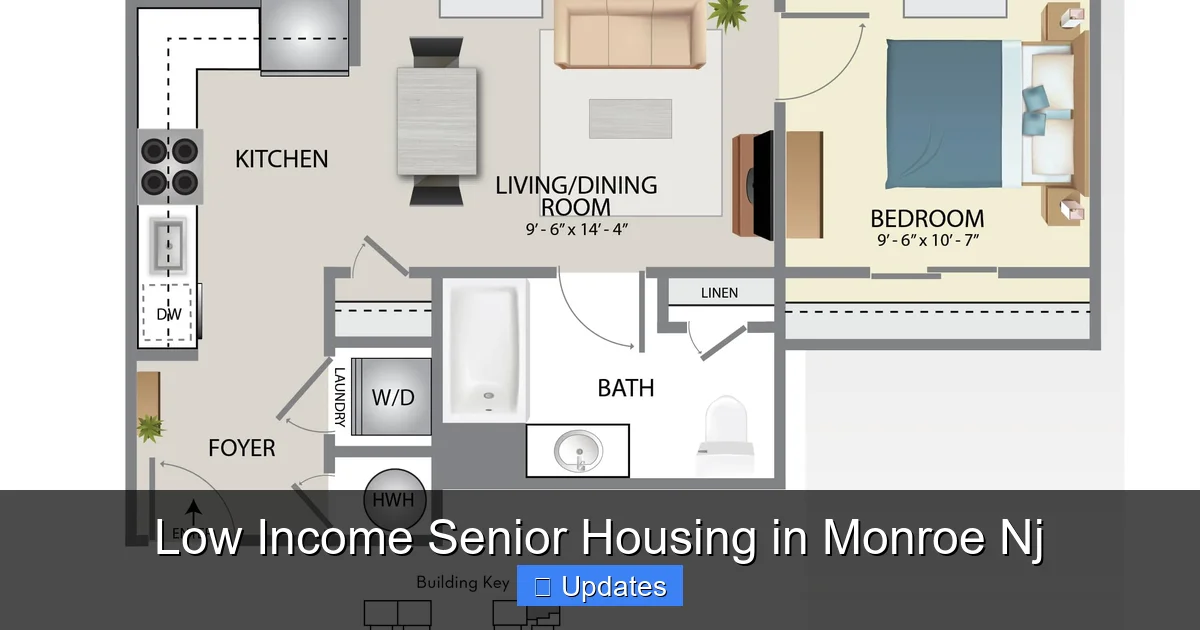
Independent Living Communities are perhaps the most common option. These are age-restricted apartment buildings where residents live autonomously but benefit from shared spaces like libraries, game rooms, and organized outings. Meals may be available at reduced rates or included in monthly fees. Units usually have full kitchens, private bathrooms, and emergency call systems.
Congregate Housing takes things a step further by offering additional services like daily meals, housekeeping, and assistance with medication reminders. Ideal for those who want companionship but still value privacy, these communities foster social engagement without requiring full-time skilled nursing care.
For seniors who prefer smaller households or need more personalized attention, shared housing models allow two or more unrelated individuals to share living space—often reducing costs significantly. This arrangement requires careful vetting to ensure compatibility, but it’s a growing trend among budget-conscious retirees.
Finally, some developments offer memory care wings or wellness centers on-site, catering to residents with mild cognitive impairments or chronic conditions. While these tend to be pricier, they’re still far more affordable than off-site assisted living facilities.
How to Qualify for Low Income Senior Housing in Monroe NJ
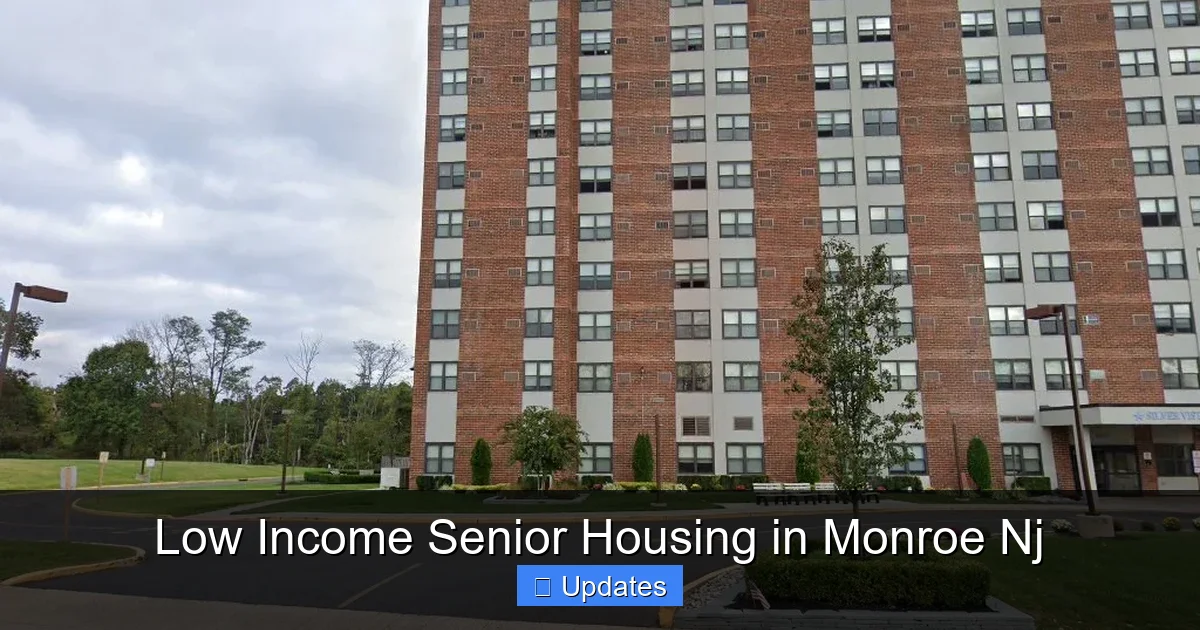
Visual guide about Low Income Senior Housing in Monroe Nj
Image source: cdn.uslowcosthousing.com
Before applying, it’s crucial to understand the eligibility criteria. Though standards vary slightly between individual properties, most follow federal guidelines set by HUD.
First, you must be at least 62 years old. Some exceptions exist for disabled individuals under 62, but age remains the primary requirement. Second, your household income generally cannot exceed 50% of the area median income (AMI) for Mercer County. As of recent data, that threshold sits around $65,000 annually for a one-person household—though actual limits depend on the specific property’s size and subsidy level.
Third, you must be a legal resident of the United States and either a citizen or qualified non-citizen. Proof of identity, Social Security number, and residency documentation will be required during screening.
It’s also worth noting that assets—like bank accounts or stocks—are considered during qualification, though limits are higher than for other forms of public assistance. Many seniors mistakenly believe they’re disqualified simply because they own a car or have modest savings; however, most personal assets below $5,000 (or up to $7,500 for couples) are exempt.
Tips for Strengthening Your Application
Even if you meet the basic qualifications, competition for available units can be fierce. Here’s how to boost your chances:
– Apply to multiple properties at once. Don’t put all your eggs in one basket.
– Keep your paperwork updated. Notify landlords immediately if your income drops or rises significantly.
– Demonstrate community involvement. Participation in volunteer work, church groups, or civic organizations shows responsibility and stability.
– Be honest about your needs. If you require wheelchair accessibility or pet-friendly policies, mention this upfront—many properties prioritize matching residents with suitable accommodations.
– Consider waiting list priority points. Some agencies award extra points for veterans, survivors, or people with disabilities.
Remember, persistence pays off. It’s not uncommon for hopeful applicants to wait months—even years—for an opening. But staying proactive increases your odds dramatically.
Top Low Income Senior Housing Options in Monroe, NJ
Visual guide about Low Income Senior Housing in Monroe Nj
Image source: i.ytimg.com
While Monroe itself doesn’t host large-scale senior housing campuses, nearby communities in West Windsor, Princeton Junction, and Ewing offer excellent alternatives. Below are several highly rated options known for their affordability, accessibility, and resident satisfaction.
One standout is The Village at East Windsor. Located just minutes from Monroe, this HUD-assisted complex features 150 studio and one-bedroom units designed for active adults. Residents enjoy weekly bingo nights, fitness classes, and shuttle service to medical appointments. Rent starts as low as $300/month for qualifying seniors.
Another strong contender is Parkside Senior Apartments in Lawrenceville. Though technically outside Monroe proper, its proximity and comprehensive service package make it a practical choice. Parkside provides subsidized rents, on-site laundry, and a nutrition program serving three meals daily. Applications are processed year-round, though wait times average six to nine months.
For those seeking something closer to Monroe’s borders, Mercer County Housing Authority operates several small-scale developments through its Section 8 Home Choice Voucher Program. These vouchers can be used toward rent in approved private apartments throughout the county, including Monroe zip codes 08831 and 08836. While availability fluctuates, the flexibility allows seniors to choose neighborhoods based on proximity to loved ones or favorite parks.
Lastly, don’t overlook faith-based initiatives like St. Mary’s Senior Residences in nearby Trenton. Run by Catholic Charities, these homes emphasize spiritual well-being alongside physical health. Monthly rates begin under $400, and pastoral counseling is included. Admission prioritizes low-income Catholics, but non-believers may apply if space permits.
Comparing Amenities Across Properties
| Feature | The Village at East Windsor | Parkside Senior Apartments | Mercer County Housing Authority |
|——–|—————————–|—————————-|——————————-|
| Minimum Age | 62+ | 62+ | 62+ |
| Max Income Limit | $35k/year | $38k/year | Varies by unit |
| Meals Provided | Yes (buffet style) | Yes (3x/day) | No |
| Transportation | Weekly shuttles | On-demand | None included |
| Pet Policy | Cats allowed | No pets | Small dogs permitted |
| Waitlist Length | 8–12 months | 6–9 months | 12–18 months |
This table gives you a quick snapshot, but always visit properties in person before committing. Touring lets you assess cleanliness, noise levels, staff responsiveness, and overall atmosphere—all vital factors in choosing long-term housing.
Navigating the Application Process
Visual guide about Low Income Senior Housing in Monroe Nj
Image source: theloftsatmonroeparke.com
The journey begins with research. Start by visiting the websites of each property you’re interested in. They should list current vacancy rates, required documents, and contact information for leasing offices. You’ll likely need:
– Government-issued photo ID
– Social Security card
– Two recent pay stubs (or proof of SSI/SSD benefits)
– Tax returns from the past two years
– Rental history (previous landlord references preferred)
Once you submit your initial inquiry, expect to complete a detailed intake form. This includes questions about medical conditions, mobility limitations, and emergency contacts. Staff may also conduct phone interviews to gauge your readiness for independent living.
After review, eligible candidates enter a lottery pool. Due to overwhelming demand, random selection isn’t always guaranteed—but some agencies do use weighted systems favoring seniors with urgent needs (e.g., homelessness risk). Either way, transparency is key. Ask how selections are made and what happens next.
If chosen, you’ll tour the unit and sign a lease. Be sure to read every clause carefully, especially regarding maintenance responsibilities and guest policies. Most leases last one year, renewable unless violations occur.
Common Mistakes to Avoid During Application
– Applying too late in the day. Many programs close intake windows seasonally.
– Omitting minor income sources. Even infrequent cash gifts count toward totals.
– Assuming all units are equal. Studio vs. one-bedroom pricing varies wildly.
– Skipping reference checks. Landlords verify employment, rental history, and credit scores.
– Ignoring accessibility features. Request ADA-compliant fixtures if needed.
By avoiding these pitfalls, you’ll present yourself as a reliable, prepared candidate.
Support Services and Community Resources
Living independently doesn’t mean going it alone. Many low income senior housing in Monroe NJ communities partner with local organizations to deliver wraparound support. Common offerings include:
– **Nutrition Programs**: Free or subsidized breakfast/lunch combos, diabetes-friendly menus, and grocery delivery partnerships.
– **Healthcare Coordination**: Nurse consultations, flu shot clinics, and referrals to specialists.
– **Transportation Assistance**: ADA-compliant vans for doctor visits, shopping trips, and cultural events.
– **Social Activities**: Bridge clubs, book discussions, movie nights, and holiday celebrations.
– **Legal Aid**: Pro bono workshops on estate planning, Medicare/Medicaid rights, and elder abuse prevention.
Beyond on-site services, Monroe Township maintains robust outreach efforts through its Monroe Senior Center. Open weekdays, the center hosts fitness classes, computer labs, and counseling sessions. Staff members also help connect residents with transportation vouchers, utility assistance, and meal programs like Meals on Wheels.
Additionally, the Mercer County Division of Senior Services runs the NJ Statewide Hotline (1-800-792-9745), which provides free advice on housing, nutrition, and caregiver support. Trained advocates speak multiple languages and can schedule home visits if necessary.
How Nonprofits Fill Gaps in Public Funding
Government programs alone rarely cover every need. That’s why groups like Caring Connections of NJ and Senior Helpline play such vital roles. Caring Connections specializes in dementia care education and respite services, while Senior Helpline acts as a centralized hub linking clients with vetted contractors (plumbers, electricians, etc.) at discounted rates.
These partnerships ensure seniors aren’t left stranded when minor repairs pile up or emotional isolation sets in. They’re especially valuable during winter months, when heating bills strain already tight budgets.
Planning for the Future: What Happens When You Can’t Afford Rent?
Even with subsidies, unforeseen circumstances—illness, job loss, inflation—can threaten housing stability. Fortunately, New Jersey has safeguards in place.
Under the Protecting Tenants at Foreclosure Act, seniors displaced by foreclosures retain the right to stay rent-free for up to nine months while relocating. Similarly, the Homestead Benefit Tax CreditLegal Services of New Jersey. Their Elder Law Project offers emergency representation in court and negotiates payment plans with landlords. In extreme cases, temporary shelter may be arranged through county-run transitional housing.
Proactive planning matters most. Consider setting aside emergency funds, reviewing advance directives, and naming trusted friends as healthcare proxies. These steps reduce stress during crises and preserve autonomy.
Final Thoughts: Finding Dignity in Adulthood
Securing low income senior housing in Monroe NJ isn’t just about dollars and cents—it’s about preserving self-respect. Every senior deserves a roof that feels like home, surrounded by neighbors who respect their stories, and supported by systems that honor their contributions.
The path forward may seem daunting at first, but remember: countless families have walked this road before you. Reach out to friends, join online forums, and lean on local advocates. With patience and perseverance, you’ll uncover hidden gems—and maybe even inspire others to seek help.
And hey, if Monroe’s inventory feels limited? Expand your search to neighboring towns like Plainsboro or Hamilton. Sometimes, a short drive opens doors to better opportunities. After all, housing is about more than geography; it’s about belonging.
—
Frequently Asked Questions
Are there any low income senior housing options directly within Monroe Township?
Currently, Monroe Township does not operate large-scale senior housing developments. However, several nearby communities in West Windsor, Princeton Junction, and Ewing offer subsidized units accessible to Monroe residents. Contact the Mercer County Housing Authority for updated listings.
What is the typical wait time for low income senior housing in the area?
Waitlists usually range from 6 to 18 months, depending on demand and property size. Applying early and monitoring multiple sources increases your chance of securing a unit sooner.
Can I bring my pet to low income senior housing in Monroe NJ?
Pet policies vary by property. Some allow cats only; others prohibit animals entirely. Always ask during the application process and provide veterinary records if permitted.
Do these housing options include utilities?
In most cases, rent covers water and sewer charges, but electricity, gas, and internet remain separate. Budget accordingly and explore LIHEAP or Lifeline programs for utility discounts.
Is transportation provided to medical appointments?
Many complexes offer scheduled shuttles or coordinate with ride-share services. Check with individual properties—they often partner with local health networks for seamless transfers.
What should I do if I lose my job or income drops suddenly?
Notify your landlord immediately and apply for unemployment or disability benefits. Local nonprofits like Caring Connections can connect you with crisis intervention teams and rental assistance grants.
