
Low Income Senior Housing Hendersonville Nc


Foot Massager Machine

LED Magnifying Glass

Folding Walking Stick with Seat
Finding low income senior housing Hendersonville NC can be a lifeline for older adults on fixed incomes. With rising living costs and limited retirement savings, many seniors struggle to afford safe, dignified housing. Fortunately, several local programs and federally funded housing options provide affordable rent based on income, supportive services, and community access. This guide walks you through eligibility requirements, available properties, application tips, and support resources tailored specifically to Hendersonville’s senior population. Whether you’re a current resident or considering moving to the area, this comprehensive overview ensures you know where to start.
Key Takeaways
- Low-income senior housing in Hendersonville, NC includes both public housing units and privately managed affordable complexes offering reduced rents for those 62+.
- Eligibility typically requires age (usually 62 or older), residency in Henderson County or surrounding areas, and income at or below 50–80% of Area Median Income (AMI).
- The most reliable source for listings is the North Carolina Housing Finance Agency (NCHFA), which administers Section 202 and other supportive housing programs.
- Some properties may have waiting lists due to high demand—applying early and checking regularly increases your chances of securing a spot.
- Additional benefits often include utilities, meal programs, transportation assistance, and on-site social services—key for maintaining independence.
- Local nonprofits like Henderson County Aging Services can help navigate applications, provide referrals, and offer emergency rental assistance.
- Always verify current availability and wait times directly with property managers or housing authorities before beginning the application process.
Finding safe, stable, and affordable housing is one of the biggest challenges facing older adults in Hendersonville, North Carolina. As life expectancies rise and fixed incomes often don’t keep pace with inflation, many seniors find themselves squeezed between rising rents and shrinking budgets. For those seeking low income senior housing Hendersonville NC, there are real opportunities—but navigating the system can feel overwhelming without guidance. That’s why this article breaks it all down: from who qualifies to where to apply, how long waits might be, and what extra support you could access along the way.
The good news? You’re not alone. Local agencies, nonprofit organizations, and federal housing programs work together to ensure that no senior has to choose between paying rent and buying groceries or medicine. In this detailed guide, we’ll walk you through everything you need to know about accessing affordable senior housing options in Hendersonville and the surrounding Henderson County area. Whether you’re looking for a quiet apartment near medical care, a community with social activities, or just want to make sure your rent stays manageable each month, we’ve got practical advice and real-world examples to help you succeed.
Let’s start by understanding exactly what types of housing qualify as “low income” for seniors—and how these differ from regular market-rate rentals or assisted living facilities.
Key Takeaways
- Understanding low income senior housing hendersonville nc: Provides essential knowledge
📑 Table of Contents
Understanding Low-Income Senior Housing in Hendersonville
When people talk about low income senior housing Hendersonville NC, they usually mean two main categories: publicly subsidized housing and privately owned properties with income-based rent structures. Both aim to serve adults aged 62 and over whose household income falls within certain limits set by the U.S. Department of Housing and Urban Development (HUD). These limits vary slightly each year but generally cap income at around 50% to 80% of the median income for families in your region.
In Hendersonville specifically, the median household income tends to hover just under $50,000 annually, so a typical qualifying income for a single senior might range from $20,000 to $40,000 depending on family size. Importantly, assets—like savings accounts or investment portfolios—are also considered during the screening process, though they carry less weight than monthly income.
It’s important to note that “low income” doesn’t always mean “very poor.” Many retirees receive Social Security benefits, pensions, or part-time work income that still qualifies them for subsidized housing while allowing them to maintain some level of comfort and security. The goal isn’t just survival—it’s preserving dignity and independence as you age.
Another key distinction is between public housing (owned and operated by government entities) and project-based Section 8 or LIHTC (Low-Income Housing Tax Credit) developments (privately owned but receiving tax incentives to keep rents low). Each has its own rules, waitlists, and amenities, but all share the same core mission: helping seniors stay housed affordably.
Types of Affordable Senior Housing Available
Within Henderson County, you’ll find several models of affordable senior housing:
- Public Housing Units: Managed by the Henderson County Housing Authority, these properties offer deeply discounted rent—often capped at 30% of your adjusted gross income. Examples include Pine Ridge Commons and Maplewood Village.
- Section 202 Supportive Housing: Funded by HUD, this program provides rent subsidies paired with on-site support services such as health screenings, meal delivery, and transportation help. Properties like Oak Grove Senior Living fall into this category.
- LIHTC Properties: Built with private investment but regulated by state and federal guidelines to ensure affordability. Rent here is fixed at a percentage of AMI and rarely exceeds $600/month for a one-bedroom unit in Hendersonville.
- Cooperative Housing: Some communities operate as co-ops where residents collectively manage maintenance, rules, and finances—sometimes offering even lower monthly costs.
Each type has pros and cons. Public housing may have shorter waitlists but fewer amenities; LIHTC units often include modern kitchens and fitness rooms but can be harder to get into due to popularity. Section 202 buildings usually come with built-in social programming, which many seniors value highly.
How to Qualify for Low-Income Senior Housing in Hendersonville
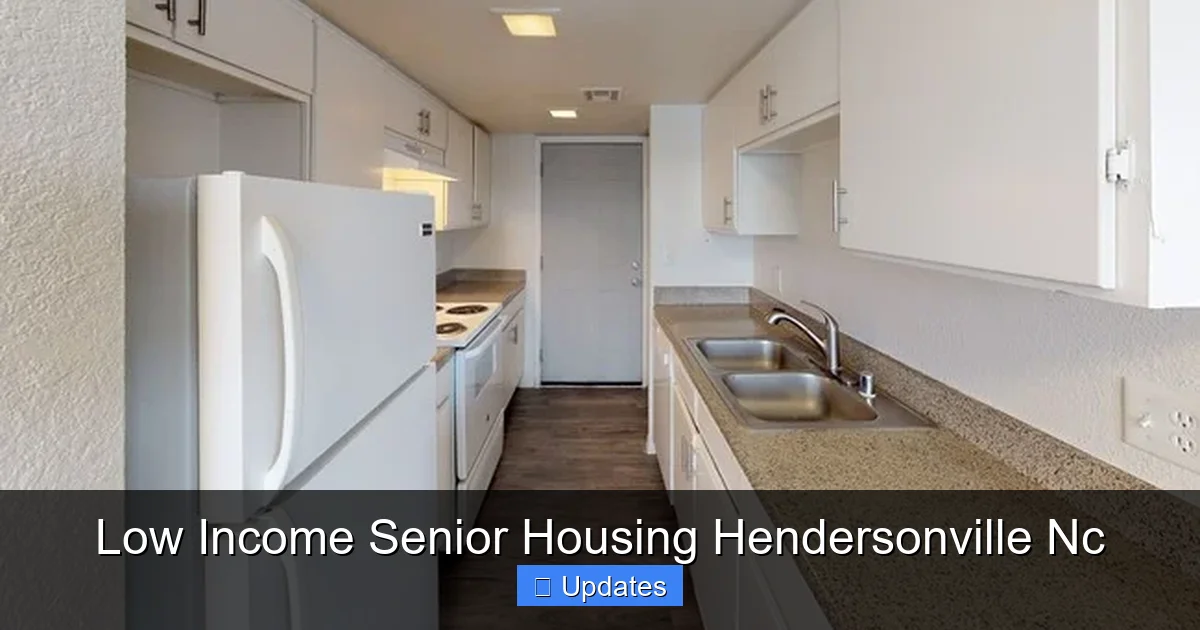
Visual guide about Low Income Senior Housing Hendersonville Nc
Image source: lowincomehousing.us
The first step toward securing low income senior housing Hendersonville NC is confirming your eligibility. While every property sets its own criteria, most follow HUD’s national standards with minor local adjustments.
To begin, gather these documents:
- A valid photo ID (driver’s license, passport, etc.)
- Proof of age (birth certificate or Social Security card showing date of birth)
- Recent pay stubs or benefit statements (Social Security, pension, disability)
- Tenant history from previous landlords (if applicable)
- Bank statements covering the last 60 days
Next, calculate your annual household income. Remember: only earned income counts toward the limit—not gifts, occasional windfalls, or interest from savings. A single-person household earning $27,000/year would likely qualify for most properties in Hendersonville, whereas someone making $45,000 might not unless their expenses are unusually high.
You’ll also need to prove residency preference if required. Some complexes prioritize local residents or veterans, so having utility bills or voter registration under your name helps.
Once you’ve confirmed you meet basic qualifications, submit your application either online via NCHFA’s portal or in person at the Henderson County Housing Authority office. Be prepared for a background check and credit review—though evictions aren’t an automatic disqualifier if explained properly.
Pro tip: Call ahead to ask about current waitlist status. If there’s a 2-year backlog, consider applying to multiple properties simultaneously to increase odds.
Application Tips and Common Mistakes to Avoid
Applying for affordable senior housing can feel daunting, especially if you’re used to managing on your own. But with preparation and patience, the process becomes much smoother. Here’s how to avoid pitfalls:
- Don’t wait until you’re desperate. Start researching 6–12 months before you need housing. Waiting lists grow longer during spring and summer when more people relocate.
- Double-check income calculations. Overstating income leads to denial and delays future applications. Understating it? Not a problem—you can always adjust later.
- Include all household members. If you have a spouse or dependent child living with you, their income must be counted too.
- Keep copies of EVERYTHING. Original documents lose quickly; scanned versions help track progress and resolve disputes.
- Ask about expedited processing. Some programs fast-track applicants over 80, disabled individuals, or those facing eviction.
One common mistake is assuming all affordable housing looks the same. In reality, cleanliness, safety features, accessibility, and neighborhood quality vary widely—even among similarly priced units. Touring properties yourself (or with a trusted friend) gives you the best sense of whether a place feels like home.
Also remember: just because you don’t qualify today doesn’t mean you won’t tomorrow. Income fluctuates, and new units occasionally open up due to turnover.
Top Properties Offering Low-Income Senior Housing in Hendersonville
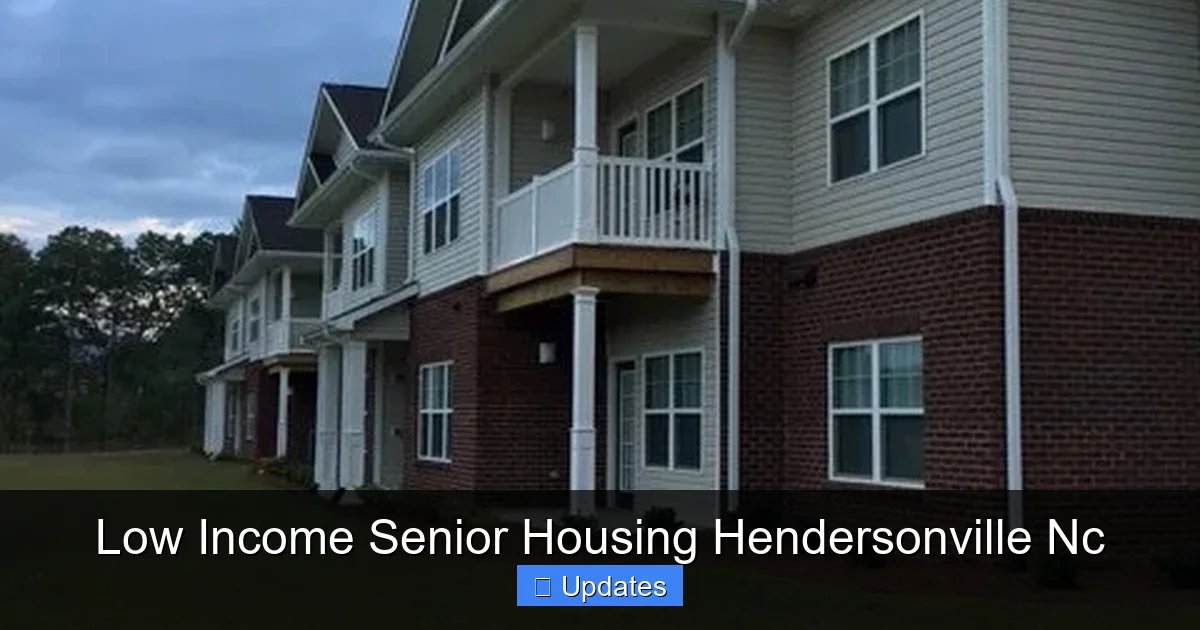
Visual guide about Low Income Senior Housing Hendersonville Nc
Image source: s3.amazonaws.com
While Henderson County doesn’t have dozens of large-scale senior housing communities, several standout properties consistently appear on waitlists and resident recommendation lists. Below are three highly rated options worth investigating:
Pine Ridge Commons
Managed by the Henderson County Housing Authority, Pine Ridge Commons offers 48 one- and two-bedroom units specifically designed for seniors. Residents enjoy subsidized rent (typically $300–$500/month), wheelchair-accessible layouts, and proximity to Ingles grocery and urgent care clinics. On-site staff organize weekly bingo nights, book clubs, and volunteer-led exercise classes. Wait time averages 18 months but drops to 6–9 months during winter lulls.
Oak Grove Senior Living
This HUD-funded Section 202 property features 32 studios and efficiency units with kitchenettes, private bathrooms, and emergency call systems. What sets Oak Grove apart is its partnership with local healthcare providers—nurses visit monthly, and shuttle service runs twice daily to Mission Hospital. Monthly rent starts at $420, and utilities are included. Applications accepted year-round, though preference is given to Henderson County residents and veterans.
Maplewood Village
Built under the LIHTC program, Maplewood Village blends modern design with Southern charm. Tenants pay 30% of income toward rent (minimum $250/month), and the complex includes a community garden, library corner, and laundry room. Recent upgrades include grab bars in showers and non-slip flooring. Waitlist currently sits at about 2 years, but applicants can add names to backup lists for future vacancies.
Beyond these, smaller independent living communities like Serenity Gardens and Harmony Heights sometimes reserve units for low-income seniors through special agreements with county social workers. Always ask your case manager or doctor’s office for referrals—they often know hidden gems.
Support Services and Community Resources
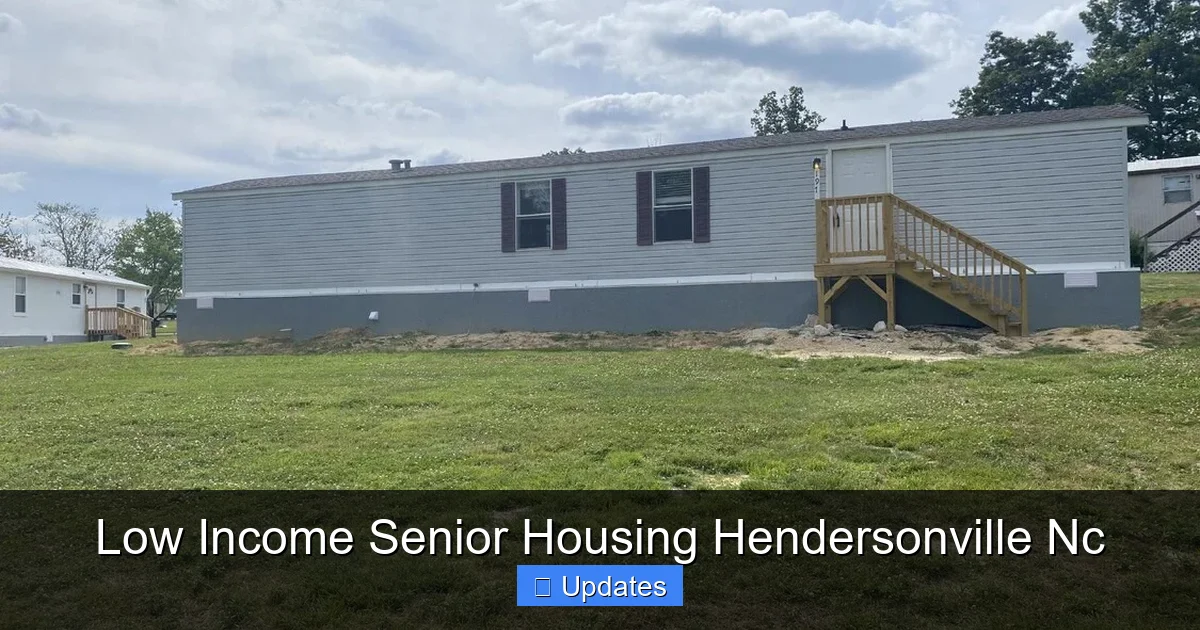
Visual guide about Low Income Senior Housing Hendersonville Nc
Image source: s3.amazonaws.com
One of the greatest advantages of low income senior housing Hendersonville NC isn’t just cheaper rent—it’s the web of wraparound services that help seniors thrive. Unlike generic apartments, many affordable senior complexes partner with nonprofits and government agencies to deliver meals, transportation, legal aid, and wellness checks.
For example, the Henderson County Aging Services Division operates Meals on Wheels Monday through Friday, bringing hot lunches to doorsteps for $3 per meal (sliding scale available). They also run the “Senior Companion Program,” matching volunteers with isolated elders for weekly visits and errands.
Transportation is another major concern. The Henderson County Transit Authority offers reduced-fare bus passes ($1/day) for seniors, and several housing sites coordinate carpools to medical appointments or grocery stores. Some buildings even host monthly “health fairs” where nurses perform blood pressure checks and flu shots right inside the lobby.
Legal assistance comes through Legal Aid of Northwest Carolina, which holds free clinics every third Thursday at Pine Ridge Commons. Topics range from Medicare appeals to power of attorney issues. Similarly, United Way of Henderson County maintains a database of emergency grants for utility bills or prescription copays—resources that can prevent homelessness altogether.
These extras transform housing from mere shelter into genuine community support. When you live in an affordable senior building, you’re rarely alone in facing challenges. Neighbors become friends, staff become advocates, and local charities step in during crises.
How to Access Additional Help
If you’re already in low income senior housing Hendersonville NC but still struggling, don’t hesitate to reach out. Most property managers welcome discussions about temporary hardship situations. Bring documentation (e.g., hospital bills, layoff notices) and propose a payment plan—many landlords will accommodate short-term setbacks.
Outside the building, here’s how to tap into broader networks:
- Call 211—the national helpline—and say you’re a senior needing housing or utility assistance. Operators connect you instantly to regional partners.
- Visit the NCHFA website for updated waiting list statuses and application links.
- Attend monthly meetings of the Henderson County Council on Aging; members share insider tips and advocate for policy changes.
- Sign up for Senior Resource Connection’s newsletter; it lists workshops on budgeting, fraud prevention, and digital literacy.
Remember: asking for help isn’t a sign of weakness—it’s wisdom. Seniors who lean on community resources tend to report higher satisfaction and lower stress levels overall.
Planning Ahead: What Happens After You Move In?
Securing low income senior housing Hendersonville NC is just the beginning. Ongoing eligibility reviews happen annually, so staying informed keeps you protected. Expect renewal packets 60 days before your lease expires. Complete them promptly—late submissions risk losing your spot to others.
During renewals, disclose any income changes immediately. Got a raise? Great! Your rent may drop next year. Lost part-time work? Let the office know—they might qualify you for additional subsidies or move you to a different unit tier.
Building relationships matters too. Friendly interactions with neighbors and staff create a safety net. If you notice mold, broken elevators, or unresponsive management, speak up immediately. Resident councils exist precisely to give voice to concerns and suggest improvements.
Financially, focus on maximizing benefits. Apply for SNAP food stamps, Medicaid waivers, and property tax deferrals through the Henderson County Tax Office. Every dollar saved reduces strain on your housing budget.
Finally, explore lifelong learning opportunities. Many affordable senior communities host free computer classes, gardening workshops, or language exchanges. Staying mentally active boosts both mood and physical health—key ingredients for aging well.
—
Living affordably doesn’t mean sacrificing joy or connection. With thoughtful planning and community engagement, low income senior housing Hendersonville NC can be the foundation for a fulfilling golden years. The key is knowing where to look, whom to trust, and how to ask for help when needed.
Whether you’re relocating soon or simply want to safeguard your current housing stability, use this guide as your roadmap. And if you know someone else navigating this journey—share it! One conversation could change everything.
Frequently Asked Questions
What is the average wait time for low income senior housing in Hendersonville?
Wait times vary by property but typically range from 12 to 24 months. Pine Ridge Commons often has openings every 6–9 months during winter, while LIHTC properties like Maplewood Village may take up to 2 years. Applying early and monitoring updates increases your chances.
Can I apply for multiple properties at once?
Yes! There’s no rule against applying to several affordable senior housing locations simultaneously. Doing so broadens your options and improves odds—just keep track of deadlines and document submissions carefully.
Are pets allowed in low income senior housing?
Most properties allow small dogs or cats with a refundable pet deposit (usually $200–$500). Service animals are always permitted regardless of breed or size. Check individual policies before applying.
Do I need to be a U.S. citizen to qualify?
No—permanent residents, refugees, and undocumented immigrants may qualify depending on the program. However, citizenship or eligible immigration status is required for federal subsidies like Section 8. Local public housing may accept non-citizens under certain conditions.
Is there transportation from affordable senior housing to doctors?
Many Hendersonville properties partner with local transit or offer shuttle services. Oak Grove Senior Living, for instance, runs scheduled trips to Mission Hospital. Contact your building manager for details—or call Henderson County Transit for discounted passes.
What should I bring to my housing interview?
Bring a photo ID, proof of age, recent bank statements, pay stubs or benefit letters, landlord references, and a list of questions. Being prepared shows responsibility and helps speed up approval.
