
Low Income Senior Housing Greenfield Wi


Pulse Oximeter Finger Monitor

Electric Recliner Lift Chair

Page Magnifier Sheet
Finding low income senior housing in Greenfield, WI is more than just a place to live—it’s about access to safe, affordable, and supportive environments tailored for older adults. With rising costs of living and limited retirement savings, many seniors rely on government-assisted programs to maintain their independence. Fortunately, Greenfield offers several housing options designed specifically for low-income residents aged 62 and over. From federally funded developments to local nonprofit partnerships, these communities provide essential services like meal programs, transportation, and health screenings. This guide walks you through everything you need to know about qualifying, applying, and thriving in senior housing in the Greenfield area. Whether you’re planning ahead or facing an urgent need, understanding your options now can make all the difference later.
Key Takeaways
- Eligibility matters: Most low income senior housing in Greenfield, WI requires applicants to be at least 62 years old and meet strict income limits based on household size.
- Waitlists are common: Due to high demand, many subsidized senior housing units have long waiting periods—some lasting over two years—so early application is strongly advised.
- Assistance programs help: Organizations like the Housing Authority of the City of Milwaukee (HACM) and Wisconsin Housing and Economic Development Authority (WHEDA) offer rental assistance and housing vouchers.
- On-site services improve quality of life: Many developments include meals, transportation, wellness checks, and social activities that support both physical and emotional well-being.
- Nonprofits fill gaps: Local groups such as the Greater Milwaukee Foundation and Catholic Charities often partner with developers to create affordable senior communities.
- Pet policies vary: While some complexes allow pets, others may restrict them due to insurance or facility rules—always ask during the application process.
- Greenfield-specific resources exist: The Village of Greenfield itself offers information through its Community Services department and collaborates with regional aging agencies.
📑 Table of Contents
- Introduction: Why Senior Housing in Greenfield, WI Matters
- Understanding Low Income Senior Housing Programs
- How to Qualify for Low Income Senior Housing in Greenfield, WI
- Where to Find Available Units in Greenfield and Surrounding Areas
- Life Inside Low Income Senior Housing: Real Stories and Amenities
- Practical Tips for Navigating the Application Process
- Future Outlook: Expanding Access to Senior Housing in Wisconsin
- Conclusion: Your Path Forward Starts Now
Introduction: Why Senior Housing in Greenfield, WI Matters
Growing older shouldn’t mean sacrificing comfort, safety, or financial stability. For thousands of seniors across Wisconsin—especially in communities like Greenfield—accessing affordable housing remains one of the biggest challenges of retirement. As life expectancies rise and fixed incomes struggle to keep pace with inflation, many older adults find themselves priced out of the private market. That’s where low income senior housing in Greenfield, WI comes in. These specially designed communities combine affordability with compassionate care, offering more than just four walls—they provide peace of mind.
Greenfield, located just west of Milwaukee along Interstate 43, is part of a larger region that includes several subsidized housing options for seniors. Unlike urban centers such as Chicago or Minneapolis, smaller cities like Greenfield face unique pressures: limited land, fewer developers willing to build affordable units, and aging infrastructure. Yet, local leaders and nonprofits are stepping up to bridge this gap. Through federal programs like Section 202 Supportive Housing for the Elderly and state-level initiatives, Greenfield residents can qualify for rent-controlled apartments that cost as little as $100 per month.
But knowing these options exist isn’t enough. Seniors and their families often don’t realize how to apply, what documents they need, or whether they truly qualify. That’s why this guide dives deep into every aspect of low income senior housing in Greenfield, WI, from eligibility requirements to on-site amenities and real-life success stories. By the end, you’ll feel confident navigating the system and securing a home that supports your health, happiness, and independence.
Understanding Low Income Senior Housing Programs
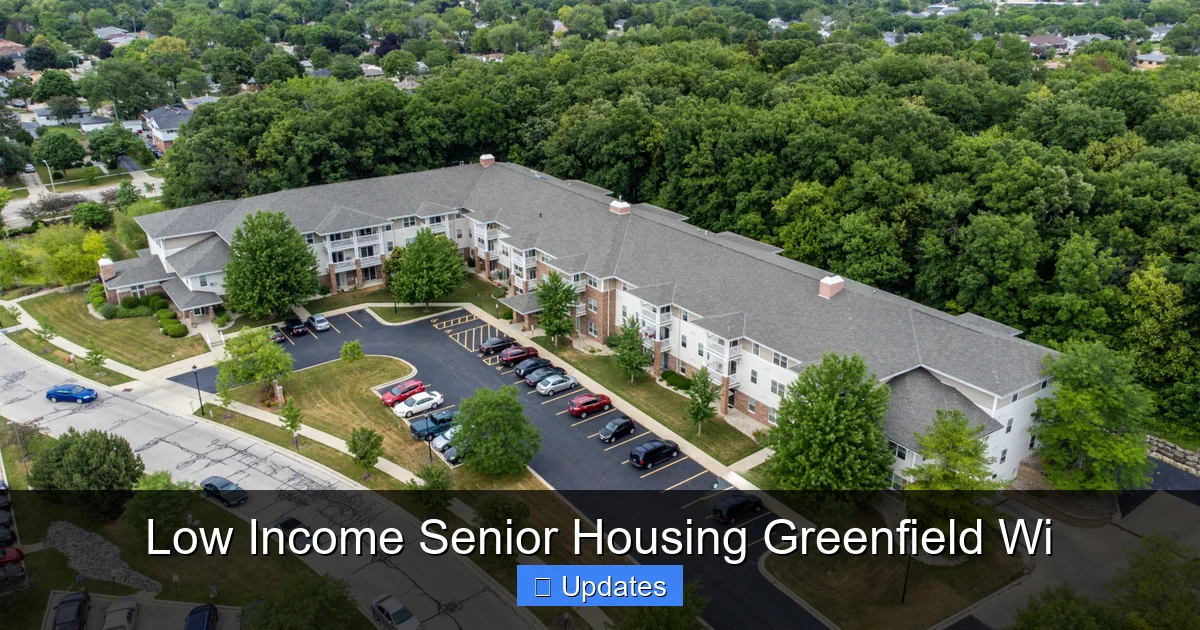
Visual guide about Low Income Senior Housing Greenfield Wi
Image source: horizonapartmenthomes.com
Before diving into specific properties or applications, it helps to understand the types of programs available. In Wisconsin, most low income senior housing falls under one of three main categories: federal, state-supported, and nonprofit-run developments. Each has its own rules, benefits, and application processes.
The Role of HUD and Section 202 Housing
The U.S. Department of Housing and Urban Development (HUD) administers the Section 202 Supportive Housing for the Elderly program. This initiative funds private developers to build and operate housing exclusively for very low-income seniors—those making no more than 50% of the Area Median Income (AMI). In the Greenfield/Milwaukee metro area, AMI for a single person is around $58,000 annually; thus, applicants must earn less than $29,000 per year to qualify.
These HUD-backed units typically charge tenants only 30% of their adjusted gross income toward rent—and sometimes even less if they use a Housing Choice Voucher (Section 8). What makes Section 202 so valuable? On-site supportive services like daily meals, housekeeping, transportation, and nursing visits. It’s not just shelter—it’s holistic support.
Wisconsin Housing and Economic Development Authority (WHEDA)
WHEDA operates several programs aimed at expanding affordable housing stock. While primarily known for first-time homebuyer loans and small business financing, WHEDA also partners with developers to fund senior housing projects. Their “Wisconsin Rental Assistance Program” provides grants to landlords who reserve units for low-income seniors, effectively lowering monthly payments for residents.
Additionally, WHEDA runs the “Senior Housing Loan Fund,” which offers below-market-rate financing to nonprofit organizations building age-restricted communities. These loans help cover construction costs so that rents stay affordable long-term.
Nonprofit Developers and Community Partners
Local charities and faith-based groups play a crucial role in developing senior housing in underserved areas like Greenfield. For example, Catholic Charities of Southeast Wisconsin has built multiple affordable apartment complexes using a mix of public grants and private donations. These facilities usually feature communal dining rooms, activity centers, and partnerships with visiting nurses.
Another key player is the Greater Milwaukee Foundation, which allocates millions annually to aging-in-place initiatives. Through its “Strong Communities” grant cycle, the foundation funds projects that prioritize accessibility, sustainability, and resident engagement.
How to Qualify for Low Income Senior Housing in Greenfield, WI
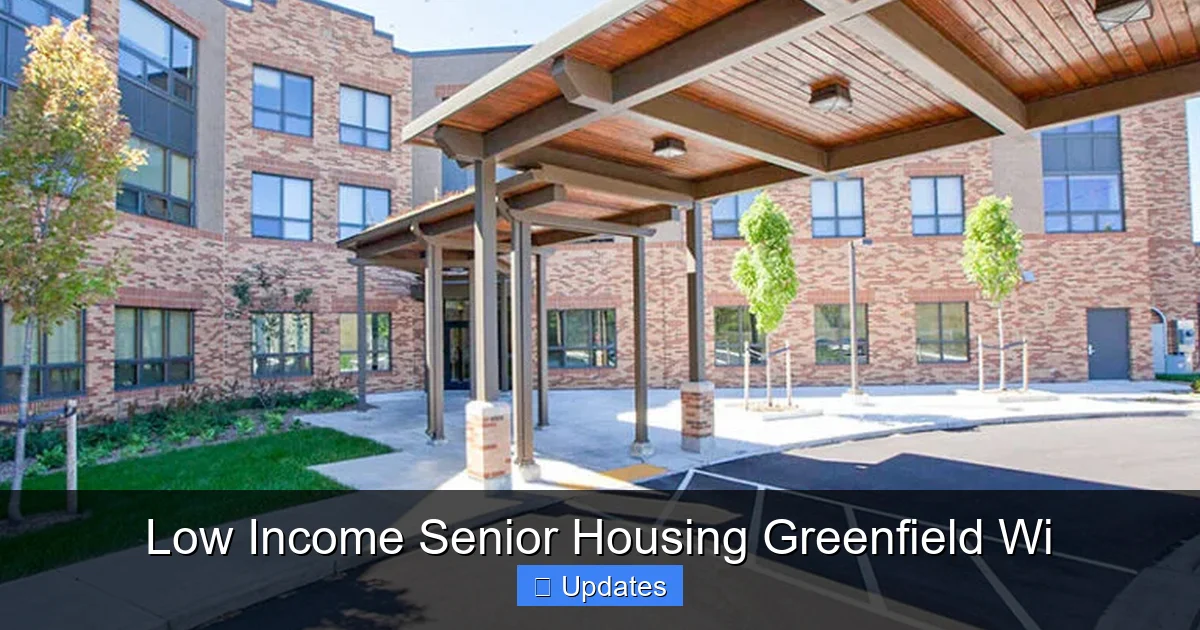
Visual guide about Low Income Senior Housing Greenfield Wi
Image source: capricommunities.com
Qualifying for low income senior housing in Greenfield, WI involves meeting several criteria set by HUD, WHEDA, or individual property managers. While exact thresholds vary slightly between programs, the following standards apply broadly:
First and foremost, applicants must be at least 62 years old—a requirement enforced by law to ensure these units serve those most likely to benefit from assisted living. Next comes income verification: households cannot exceed 50–80% of the area median income, depending on the program. For a single senior, that means earning under $35,000 annually (for 80% AMI) or under $29,000 (for 50%).
Assets also matter. HUD limits countable assets to $48,000 for individuals and $74,000 for couples. Savings accounts, stocks, and retirement funds count unless exempt (like IRAs or burial plots). However, most seniors rely solely on Social Security, pensions, or veteran benefits—all of which are treated as income but rarely push them above thresholds.
Finally, criminal background checks and residency status apply. Felony convictions related to drug use or violence may disqualify applicants, though each case is reviewed individually. Non-citizens who meet income and age requirements can still apply if they’re legal residents.
Documentation You’ll Need
Gathering paperwork ahead of time speeds up the application process significantly. Essential items include:
– Proof of age (birth certificate or passport)
– Two recent pay stubs or tax returns showing annual income
– Bank statements for the past three months
– List of all assets (checking/savings accounts, CDs, retirement accounts)
– Social Security award letters
– Lease agreements (if currently renting)
– Identification (driver’s license or state ID)
Some properties request additional forms, like a “Statement of Household Composition” listing every person living in the unit. Always confirm requirements directly with the leasing office before submitting.
Where to Find Available Units in Greenfield and Surrounding Areas
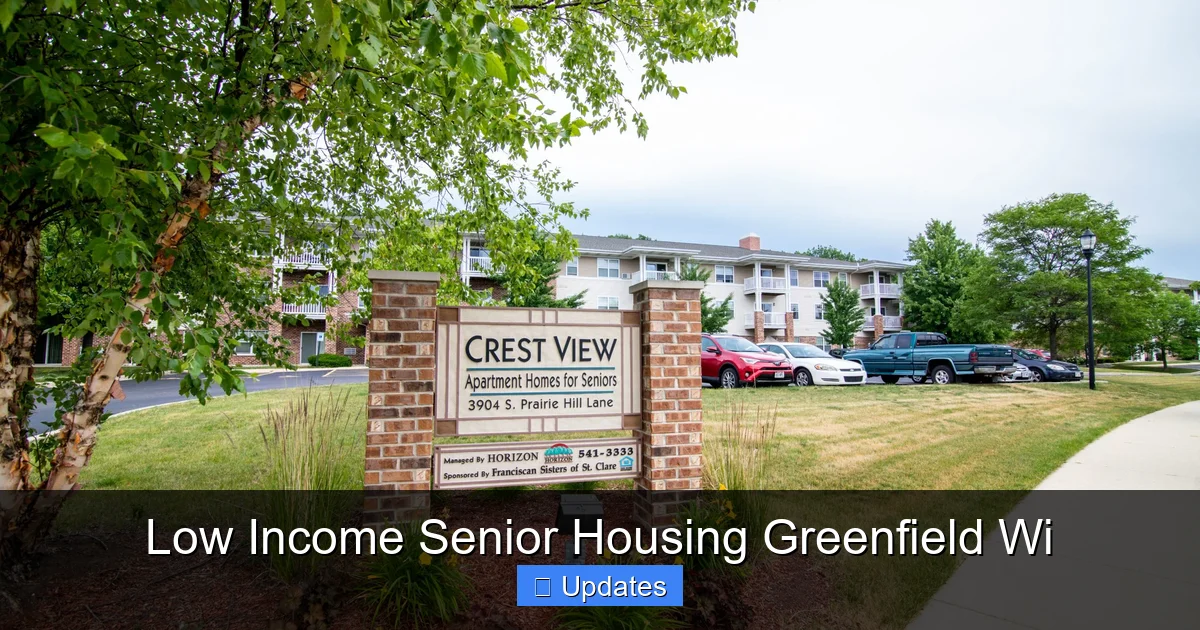
Visual guide about Low Income Senior Housing Greenfield Wi
Image source: horizonapartmenthomes.com
While Greenfield itself doesn’t host large-scale senior housing complexes, nearby Milwaukee County and Waukesha County offer numerous options within a short drive. Below are some verified properties with active waitlists or newly opened units:
Village Square Apartments (Milwaukee)
Located just east of Greenfield in Milwaukee’s historic Third Ward, Village Square offers studio and one-bedroom units for seniors earning up to 60% AMI. Residents enjoy free Wi-Fi, weekly grocery delivery, and a partnership with Ascension Wisconsin for on-site health screenings. Applications open quarterly, and the current waitlist stands at approximately 300 names. Contact HACM online or call (414) 931-4444.
Park Place Senior Residences (Wauwatosa)
Though technically in Wauwatosa, Park Place is frequently cited by Greenfield residents due to its proximity and comprehensive services. Managed by Mercy Housing, this 120-unit complex features ADA-compliant layouts, emergency call systems, and a community garden. Rent starts at $450/month for qualified applicants. Priority goes to veterans and those with mobility limitations.
St. Mary’s Place (West Allis)
Operated by Catholic Charities, St. Mary’s Place provides affordable housing with spiritual support. Units start at $300/month and include utilities. The site offers daily Mass, bingo nights, and a van service to local medical appointments. Wait times hover near 18–24 months.
Emerald Court (Franklin)
Situated in neighboring Franklin, Emerald Court specializes in pet-friendly environments—a rarity among subsidized housing. Designed for ages 62+, it features energy-efficient appliances, grab bars in bathrooms, and a fitness room. Current availability is limited, but interested parties can join the standby list via the property manager’s website.
Life Inside Low Income Senior Housing: Real Stories and Amenities
Moving into low income senior housing in Greenfield, WI isn’t just about saving money—it’s about gaining access to a vibrant community and practical support systems. Residents often report feeling less isolated, more secure, and better equipped to manage chronic conditions.
Daily Life and Community Engagement
Most complexes schedule regular events: book clubs, craft workshops, movie nights, and seasonal festivals. Weekly meals—often prepared by volunteers or caterers—provide nutritious food and conversation. Transportation services connect residents to downtown Milwaukee, grocery stores, pharmacies, and senior centers.
For those with mild cognitive decline, some buildings offer memory-care lounges or gentle exercise classes led by certified instructors. Others partner with Meals on Wheels to deliver hot dinners when residents can’t cook.
Health and Safety Features
Safety is a top priority. Buildings include smoke detectors, sprinkler systems, and panic buttons in bathrooms. Emergency response teams check in twice daily during winter storms. Nurse practitioners visit monthly to review medications and monitor vitals.
Accessibility upgrades—such as widened doorways, lever-style handles, and roll-in showers—make daily tasks easier. Many units are located on ground floors to prevent falls from stairs.
What Families Should Know
If you’re helping a parent or loved one apply, remember: dignity is just as important as affordability. Involve them in decisions about floor plans, roommate preferences, and activity schedules. Encourage participation—social connections reduce depression and loneliness.
Also, don’t assume all “low income” housing is run-down or unsafe. Modern developments blend affordability with stylish design, smart technology, and green building practices. Touring multiple sites allows comparisons and builds confidence in your choice.
Practical Tips for Navigating the Application Process
Applying for senior housing can feel overwhelming, especially if English isn’t your first language or if you’ve never dealt with bureaucracies before. Here’s how to streamline your efforts:
Start Early and Stay Organized
Don’t wait until you’re evicted or behind on rent. Begin researching and gathering documents six to twelve months before you need housing. Keep copies of everything in a binder labeled “Senior Housing Application.”
Use Online Resources Wisely
Websites like HUD’s “Find Affordable Rental Housing” tool let you filter by location, income level, and special needs. Cross-reference listings with local housing authorities to verify legitimacy. Avoid scams—official agencies never ask for upfront fees.
Attend Information Sessions
Many property managers host open houses or Q&A webinars. These sessions clarify confusing terms (like “adjusted gross income”) and give you face-to-face contact with staff. Bring questions written down so you don’t forget.
Consider Co-Applicants Strategically
If you share expenses with another adult (e.g., a spouse or caregiver), including them on the application may lower your effective income below the threshold. But remember: cohabitating doesn’t always count as a separate household unless legally married or related.
Follow Up Religiously
After submitting, call every 30 days to ask about waitlist position. Mention any changes in income or household size immediately—this could bump you up or down.
Future Outlook: Expanding Access to Senior Housing in Wisconsin
The demand for low income senior housing in Greenfield, WI shows no sign of slowing. According to the Wisconsin Council on Aging, over 1.5 million residents will be 65+ by 2030—nearly double today’s numbers. Without intervention, many will face homelessness or overcrowded family homes.
Thankfully, state legislators and advocacy groups are pushing for policy changes. Proposals include increasing WHEDA funding, simplifying application procedures, and incentivizing developers with tax credits. Meanwhile, grassroots efforts focus on education: teaching seniors how to navigate digital portals, write effective cover letters, and advocate for their rights.
Technology also plays a growing role. Virtual tours, automated appointment reminders, and telehealth integrations make housing more accessible. Some communities now accept e-signatures and upload documents via mobile apps.
Ultimately, the goal isn’t just to build more units—it’s to create inclusive, empowering environments where aging adults thrive. Whether you’re a future resident, family member, or policymaker, staying informed and engaged ensures that everyone gets the support they deserve.
Conclusion: Your Path Forward Starts Now
Finding low income senior housing in Greenfield, WI may seem daunting, but you’re not alone. With careful planning, persistence, and the right resources, affordable, dignified housing is within reach. Remember: eligibility windows close fast, waitlists move slowly, and opportunities arise unexpectedly. The sooner you begin, the better positioned you’ll be.
Reach out to local agencies like the Area Agency on Aging of South Central Wisconsin or the Housing Authority of the City of Milwaukee. Attend community meetings. Ask neighbors for recommendations. And above all, trust your instincts—you know what kind of home will make you feel safe, valued, and at ease.
This journey is about more than shelter. It’s about preserving independence, nurturing relationships, and embracing each new day with hope. Take the first step today, and let the search for senior housing become an act of self-respect.
Frequently Asked Questions
How do I know if I qualify for low income senior housing in Greenfield, WI?
To qualify, you generally need to be at least 62 years old and have an annual income below 50–80% of the area median income—currently around $29,000–$35,000 for a single person. Asset limits also apply. Check with specific properties or contact the Housing Authority of the City of Milwaukee for detailed guidance.
Are there any low income senior housing options in Greenfield itself?
Greenfield doesn’t currently host large-scale senior housing complexes, but several nearby communities in Milwaukee and Waukesha counties offer subsidized units within a short drive. Properties like Village Square (Milwaukee) and Park Place (Wauwatosa) are popular choices.
How long are typical waitlists for subsidized senior housing?
Waitlists often range from 12 to 24 months, sometimes longer. Factors like income level, disability status, and veteran status can affect priority. Apply early and follow up regularly to stay visible.
Can I bring my pet to low income senior housing?
Pet policies vary by property. Some, like Emerald Court in Franklin, welcome pets; others may restrict them due to insurance or facility rules. Always ask during the application process.
Is transportation provided to medical appointments?
Many subsidized senior housing complexes offer scheduled van services or partnerships with ride-share programs for doctor visits, pharmacies, and grocery stores. Confirm availability when touring units.
What should I bring when applying for senior housing?
Essential documents include proof of age, income (pay stubs or tax returns), bank statements, asset lists, Social Security letters, and identification. Some properties require additional forms like household composition statements.
