
Low Income Senior Housing Gainesville Fl

Electric Mobility Scooter

Jar Opener for Weak Hands

Electric Kettle with Auto Shutoff
Finding safe, affordable housing as a low-income senior in Gainesville, Florida can feel overwhelming—but it doesn’t have to. With dedicated programs, nonprofit partnerships, and community support, there are real opportunities to live comfortably and securely. This guide walks you through eligibility, available housing types, application tips, and local resources so you can make informed decisions with confidence.
Gainesville, nestled in the heart of North Central Florida, is home to a vibrant community of older adults who deserve dignity, safety, and affordability in their homes. Yet too often, rising rents, fixed incomes, and limited options leave low-income seniors feeling trapped or uncertain about where they’ll live next. The good news? There are real pathways to secure, supportive, and low-cost senior housing in Gainesville—especially when you know where to look and how to apply.
Whether you’re a retiree on Social Security, someone living with a disability, or caring for a loved one who needs assistance, understanding your options is the first step toward stability. This comprehensive guide will walk you through everything you need to know about low income senior housing Gainesville FL—from eligibility rules and application processes to local resources and practical tips that can make all the difference.
Key Takeaways
- Eligibility is based on income, age, and residency: Most low-income senior housing in Gainesville requires applicants to be 62+ years old, live in Alachua County or nearby areas, and meet strict income limits set by HUD.
- There are several housing models available: From HUD-subsidized apartments to nonprofit-run senior communities and Section 8 vouchers, each option offers different levels of support and affordability.
- Waiting lists are common but not permanent: While many programs have long wait times, staying proactive—by applying early, checking updates regularly, and exploring backup options—can improve your chances.
- Local nonprofits provide critical assistance: Organizations like The Arc of Alachua County, AARP Florida, and the Alachua County Housing Authority help seniors navigate applications, access benefits, and find transitional housing if needed.
- Transportation and healthcare access matter: Many low-income senior housing complexes in Gainesville include on-site services or partnerships with clinics and public transit to support independent living.
- Pet-friendly and accessible units are growing: Increasingly, new developments prioritize accessibility features and allow pets, making it easier for seniors to maintain their lifestyle and emotional well-being.
📑 Table of Contents
- What Is Low Income Senior Housing?
- Types of Low Income Senior Housing in Gainesville, FL
- How to Qualify for Low Income Senior Housing in Gainesville
- Where to Apply: Top Housing Authorities & Developers
- Practical Tips for Securing Your Spot
- Beyond Housing: Additional Support Services in Gainesville
- Common Misconceptions Debunked
- Conclusion: You Deserve Dignity and Stability
What Is Low Income Senior Housing?
Low income senior housing refers to affordable rental units specifically designed for adults aged 55+, though most require residents to be at least 62 years old. These properties receive federal or state funding—often through the U.S. Department of Housing and Urban Development (HUD)—to keep rent costs within reach of those whose income falls below 50% of the area median income (AMI). In Gainesville, that typically means households earning less than $35,000 annually may qualify.
These aren’t just “cheap apartments”—they’re purpose-built environments that prioritize accessibility, security, and social connection. Common features include:
– Wheelchair ramps and roll-in showers
– Emergency call systems in bathrooms
– Community kitchens and activity rooms
– Proximity to medical facilities and grocery stores
– On-site maintenance and housekeeping services
Importantly, unlike nursing homes or assisted living facilities, low income senior housing allows residents to maintain independence while receiving essential support when needed.
Types of Low Income Senior Housing in Gainesville, FL
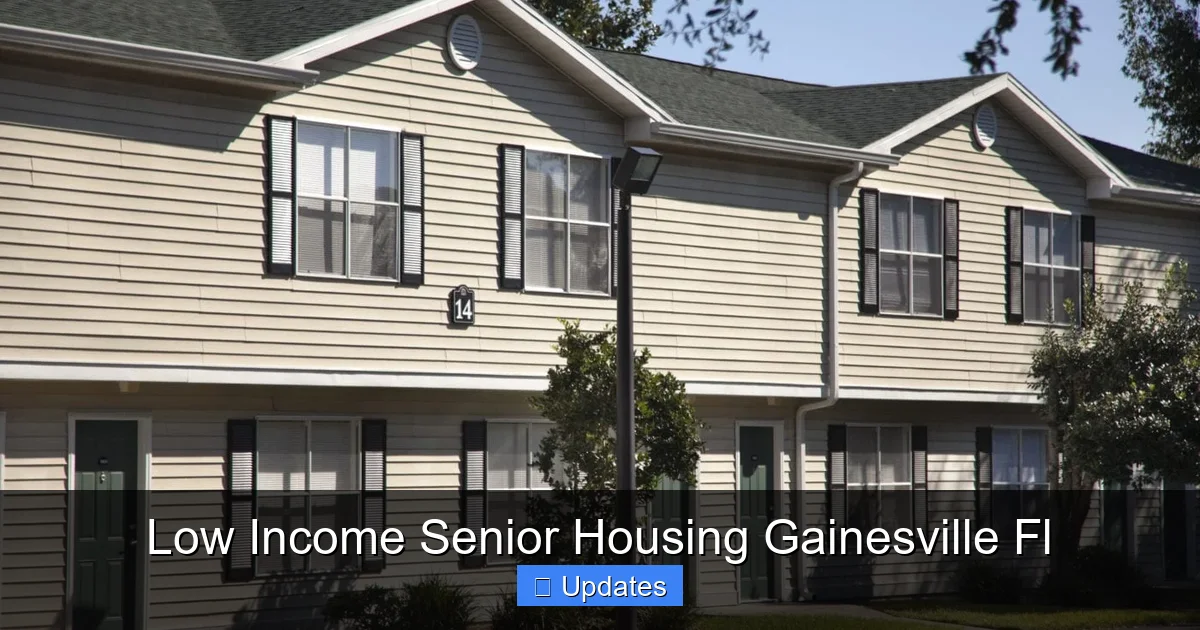
Visual guide about Low Income Senior Housing Gainesville Fl
Image source: lowincomehousing.us
Gainesville offers several distinct types of low income senior housing, each with its own structure, amenities, and application process. Understanding the differences helps you choose what fits your lifestyle best.
1. Public Housing Apartments
Managed by the Alachua County Housing Authority, public housing provides federally funded apartments at reduced rates. Residents pay no more than 30% of their adjusted gross income toward rent. Units are spread across multiple developments, including The Oaks at Willow Creek and Willowbrook Commons, both known for their quiet settings and close proximity to UF Health Shands Hospital.
Pros:
– Stable, long-term leases
– No utility bills included (tenants pay separately)
– Eligible for additional benefits like SNAP or Medicaid
Cons:
– Long waiting lists (sometimes 1–3 years)
– Limited availability for larger families
To apply, visit the Alachua County Housing Authority website or stop by their office at 120 NE 17th Street, Gainesville, FL 32601.
2. HUD-Subsidized Senior Communities
Many private landlords partner with HUD to offer subsidized rent through programs like Section 8 Project-Based Vouchers. Unlike tenant-based vouchers, these are tied to specific buildings—like Sunset Gardens or Maplewood Senior Residences—and guarantee lower rent for eligible seniors.
One standout example is Arbor Pointe Senior Living, which combines affordability with luxury touches like chef-prepared meals and weekly outings. Though primarily marketed to middle-income seniors, they do reserve units for those under 80% AMI.
Tip: Always ask if the property has a “no-waiting-list” designation. Some newer developments—such as those highlighted in our article on St. Charles, Missouri—operate on rolling admission due to high demand.
3. Nonprofit & Faith-Based Senior Housing
Nonprofits like The Arc of Alachua County and Salvation Army Adult Rehabilitation Center run supportive housing projects tailored to seniors facing homelessness or financial hardship. These aren’t traditional apartments—they might be studio units in converted homes or shared-living arrangements—but they offer wraparound services including case management, meal delivery, and transportation.
Another excellent resource is the United Way of North Central Florida, which maintains a database of emergency housing and subsidized rentals. Their helpline (3-1-1) connects callers directly with local shelters and transitional housing.
4. VA-Assisted Housing for Veterans
If you’re a veteran, you may qualify for discounted housing through the U.S. Department of Veterans Affairs. Properties like Gainesville VA Medical Center’s Community Living Centers offer low-cost assisted living for eligible former service members. Even if you don’t need full-time care, some VA-supported apartments allow independent living with optional wellness checks.
How to Qualify for Low Income Senior Housing in Gainesville
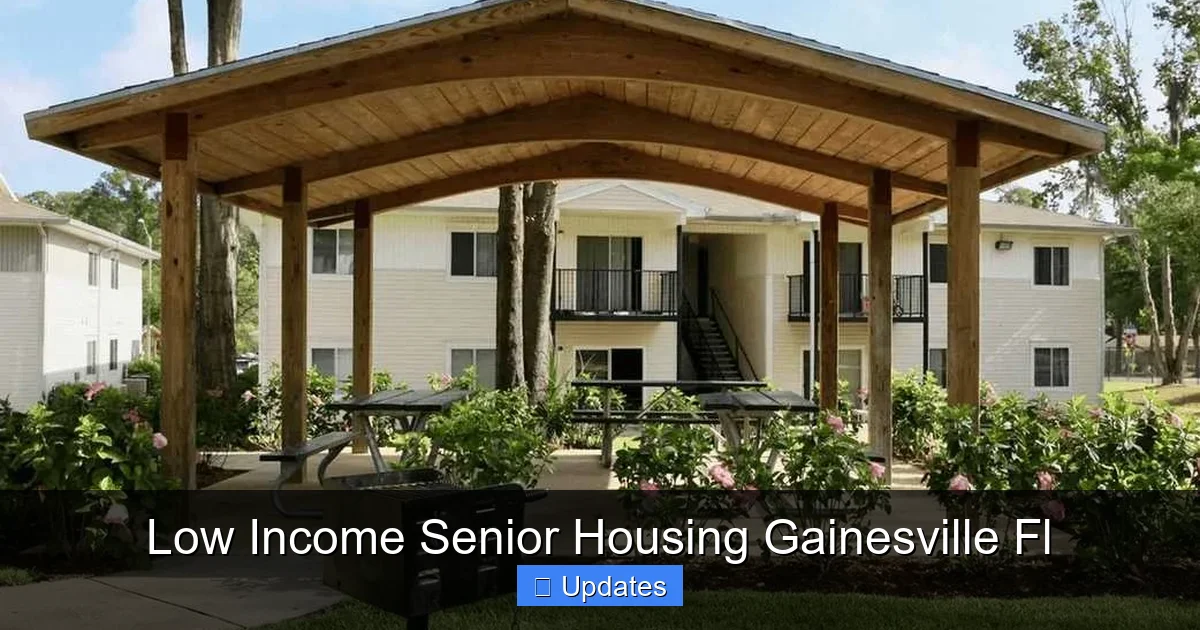
Visual guide about Low Income Senior Housing Gainesville Fl
Image source: publichousing.com
Getting into low income senior housing Gainesville FL isn’t automatic—it requires meeting specific criteria. Here’s what you’ll need:
1. Age Requirement
Most programs require tenants to be at least 62 years old. Exceptions exist for disabled individuals under 62, but documentation from a physician or government agency is required.
2. Income Limits
For 2024, the HUD income limit for a one-person household in Alachua County is approximately $42,000 annually. For a two-person household, it’s around $48,000. Remember: this is gross annual income, meaning pre-tax earnings before deductions.
3. Citizenship or Legal Residency
You must be a U.S. citizen, national, or qualified noncitizen (e.g., green card holder). Proof includes birth certificate, passport, or immigration documents.
4. Background Check
All applicants undergo criminal background and eviction history reviews. Serious offenses involving violence or fraud may disqualify you—but minor infractions or past drug convictions are often negotiable.
5. Local Residency Preference
Many Gainesville housing authorities give priority to Alachua County residents. If you’ve lived here for at least six months, highlight that on your application.
Pro tip: Gather all documents before applying. Having your ID, tax returns, bank statements, and proof of income ready speeds up the process significantly.
Where to Apply: Top Housing Authorities & Developers
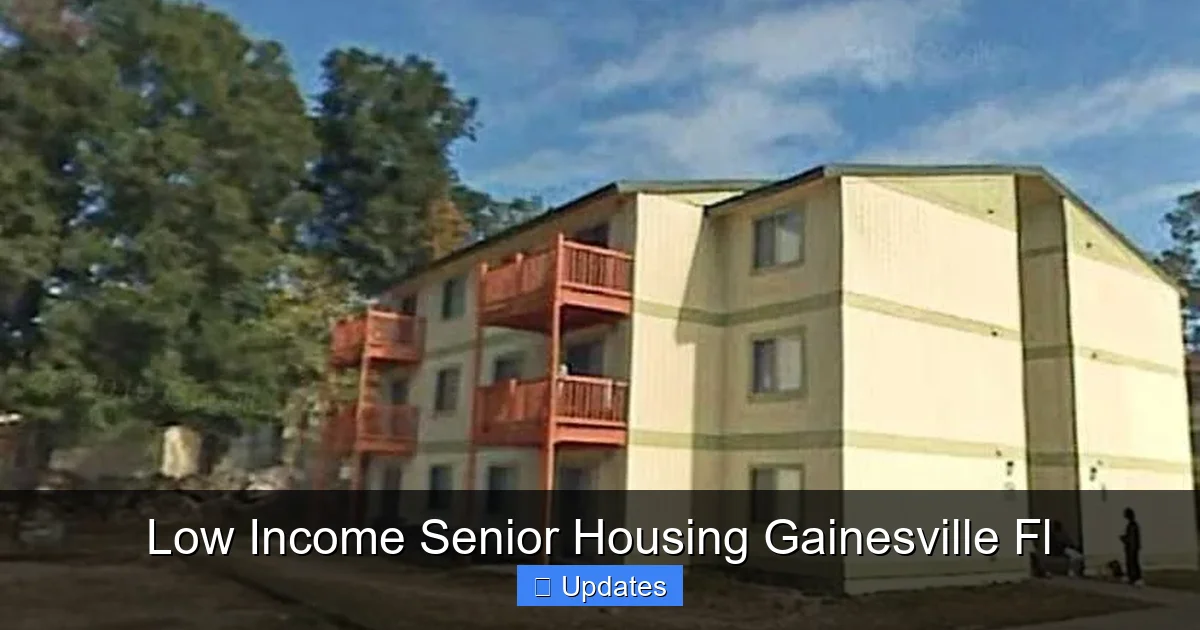
Visual guide about Low Income Senior Housing Gainesville Fl
Image source: lowincomehousing.us
Knowing where to apply makes all the difference. Here are the top places to start your search for low income senior housing Gainesville FL:
Alachua County Housing Authority
As the primary public housing agency, ACA manages over 300 units across Gainesville and surrounding towns. Their online portal allows you to submit applications digitally, track status, and schedule appointments.
Website: alachuahousing.org
Phone: (352) 378-9141
Florida Housing Finance Corporation (FHFC)
FHFC funds affordable housing statewide, including senior-specific developments. They administer the HOME Investment Partnerships Program, which subsidizes rent for qualifying seniors.
Website: floridahousing.org
Application portal: Available through participating property managers
Local Nonprofits with Housing Initiatives
– The Arc of Alachua County: Offers housing navigation and advocacy
– Community Health Centers of North Florida: Partners with FHFC to identify eligible seniors
– AARP Foundation’s Housing Stability Services: Free counseling and application assistance
Private Developers with Affordable Units
– Berkadia Affordable Housing: Manages several Gainesville senior communities
– Eden Residential Communities: Operates pet-friendly, accessible units near downtown
Always verify whether a property accepts HUD Section 8 or ACA vouchers—this expands your options immensely.
Practical Tips for Securing Your Spot
Waiting for low income senior housing Gainesville FL can take time—but there are steps you can take to increase your odds:
Start Early and Stay Organized
Begin gathering documents at least 3–6 months before you plan to move. Keep copies of everything: lease agreements, benefit letters, medical records, and contact info for referees.
Follow Up Regularly
Call or email your assigned caseworker every 30–60 days. Ask about your position on the waitlist and any changes in eligibility requirements.
Consider Backup Options
While waiting, look into:
– Shared housing programs (like Bradenton, FL)
– Rent assistance through the Florida Housing Choice Voucher Program
– Congregate housing with meal services
Network Within the Community
Attend senior center events at the Alachua County Senior Center or join Facebook groups like “Gainesville Seniors United.” Word-of-mouth referrals sometimes open doors faster than formal applications.
Be Honest About Needs
If you require wheelchair access, medication reminders, or pet accommodations, mention this upfront. Many developers retrofit units or offer waivers for special circumstances.
Remember: persistence pays off. As one Gainesville resident shared, “I waited 18 months—but finally got into Maplewood because I kept checking the portal every week.”
Beyond Housing: Additional Support Services in Gainesville
Affordable housing isn’t the whole picture. To truly thrive, seniors also need access to healthcare, nutrition, transportation, and social engagement. Fortunately, Gainesville excels in this area.
Healthcare Access
– UF Health Shands Hospital: Full-service medical campus with geriatric specialists
– Alachua County Public Transit (TheBus): Free paratransit for seniors over 60
– Caring for Others Clinic: Sliding-scale primary care for uninsured adults
Nutrition & Meals
– Meals on Wheels Gainesville: Delivers hot lunches Monday–Friday
– Golden Circle Dining Room: Senior center offering low-cost breakfast/lunch
– Food Pantries: St. Mary’s Catholic Church and First Baptist Gainesville host weekly distributions
Social & Recreational Activities
– Alachua County Parks & Recreation: Yoga classes, bingo nights, and walking clubs
– Senior Planet Academy: Online learning platform with local meetups
– Volunteer Opportunities: Tutoring kids, mentoring new immigrants, or assisting at animal shelters
These supports reduce isolation, improve health outcomes, and make aging in place far more sustainable.
Common Misconceptions Debunked
Let’s clear up some myths that prevent seniors from applying:
Myth #1: “Only homeless people qualify.”
False. Most low income senior housing Gainesville FL serves working-class retirees on fixed incomes—not just those without homes.
Myth #2: “You have to be disabled.”
Not true. While disability waivers exist, the core requirement is age + income. Healthy seniors are welcome!
Myth #3: “Applications are impossible to complete.”
With help from nonprofits like AARP or United Way, even tech-shy seniors can get support filling out forms.
Myth #4: “You’ll lose benefits if you move.”
Incorrect. Housing subsidies don’t affect SSI, Medicare, or food stamps—as long as total income stays under limits.
Understanding the facts empowers you to advocate for yourself and avoid unnecessary delays.
Conclusion: You Deserve Dignity and Stability
Navigating low income senior housing Gainesville FL doesn’t have to be stressful. With the right information, preparation, and community support, securing an affordable, safe, and welcoming home is absolutely possible. Whether you’re seeking a quiet garden apartment near the University of Florida or a vibrant community with daily activities, your options are broader than you think.
Take the first step today: download the Alachua County Housing Authority application, call Meals on Wheels to sign up for deliveries, or attend a free workshop hosted by AARP Florida. Every small action brings you closer to stability—and a life filled with comfort, choice, and connection.
And remember: you’re not alone. Thousands of seniors in Gainesville have found their footing through these very programs. Now it’s your turn.
Frequently Asked Questions
What income level qualifies for low income senior housing in Gainesville?
In 2024, most programs require annual income under $42,000 for a single person or $48,000 for a couple. Exact limits vary slightly by household size and program type.
Do I need to be a U.S. citizen to apply?
Yes, except for certain noncitizens with legal residency status. Proof of citizenship or immigration documents is required during application.
Are pets allowed in low income senior housing?
Many modern developments now allow pets, especially smaller animals like cats or dogs under 25 pounds. Always check individual policies, as some restrict breed or size.
Can I apply if I’m still working part-time?
Absolutely. As long as your total income (including wages, retirement, and benefits) falls below the HUD limit, you’re eligible.
How long are typical waiting lists?
They range from 6 months to over 2 years depending on demand. Applying early and staying engaged improves your chances significantly.
Is there help available to fill out applications?
Yes! Organizations like AARP Florida, United Way, and The Arc of Alachua County offer free application assistance and document prep workshops.