
Low Income Senior Housing Colorado Springs Co


Digital Blood Pressure Monitor

Easy Grip Knife Set

Slow Cooker Crock Pot
Low income senior housing in Colorado Springs, CO offers safe, affordable living for older adults on fixed incomes. With a mix of government-subsidized apartments, nonprofit communities, and supportive services, seniors can find dignity and comfort without financial strain.
Finding a safe, comfortable, and affordable place to live is one of the biggest concerns for low income seniors in Colorado Springs, CO. As housing costs rise across the nation, older adults living on fixed incomes—such as Social Security or pensions—often struggle to keep up with rent, utilities, and healthcare expenses. The good news? Colorado Springs offers a range of low income senior housing options designed to ease this burden and provide peace of mind.
These housing communities aren’t just about a roof over your head. They’re about creating a supportive environment where seniors can thrive. From subsidized apartments to nonprofit-run residences, the city has built a network of options that prioritize dignity, independence, and community. Whether you’re looking for a quiet place to retire or need access to daily support services, there’s likely a solution that fits your needs.
But navigating the world of senior housing can feel overwhelming. With waitlists, applications, and eligibility rules, it’s easy to get lost in the process. That’s why this guide is here—to break down everything you need to know about low income senior housing in Colorado Springs, CO. We’ll walk you through the types of housing available, how to qualify, where to apply, and how to make the most of the resources at your fingertips.
Key Takeaways
- Affordable Options Exist: Colorado Springs has multiple low income senior housing communities with rent based on income, often 30% or less of monthly earnings.
- Eligibility Requirements Apply: Most programs require applicants to be 62+ years old, meet income limits, and be U.S. citizens or eligible non-citizens.
- Subsidized and Nonprofit Models: Housing is offered through HUD, Section 202, and local nonprofits like Grecc and Silver Key.
- Support Services Available: Many communities provide meal programs, transportation, wellness checks, and social activities.
- Waitlists Are Common: Due to high demand, applying early and staying on top of renewals is crucial.
- Location Matters: Proximity to medical care, grocery stores, and public transit can greatly impact quality of life.
- Free Help Is Available: Local agencies assist with applications, advocacy, and navigating housing options.
📑 Table of Contents
Understanding Low Income Senior Housing in Colorado Springs
Low income senior housing refers to residential communities specifically designed for adults aged 62 and older who meet certain income requirements. These homes are typically more affordable than market-rate rentals because they are subsidized by government programs or operated by nonprofit organizations. The goal is to ensure that older adults can live safely and independently without spending most of their income on rent.
In Colorado Springs, these housing options come in various forms. Some are apartment complexes managed by the U.S. Department of Housing and Urban Development (HUD), while others are run by local nonprofits or faith-based groups. Many offer additional perks like on-site maintenance, community rooms, and organized activities. The key feature across the board? Rent is usually based on 30% of your monthly income, making it far more manageable than standard housing.
One of the most common types is Section 202 housing, which is part of a federal program created to support elderly individuals with very low incomes. These properties are often newer, well-maintained, and located in safe neighborhoods. Another popular option is public housing managed by the Colorado Springs Housing Authority (CSHA), which offers affordable units to seniors and people with disabilities.
It’s important to note that “low income” doesn’t mean low quality. Many of these communities are clean, secure, and filled with friendly neighbors. In fact, some are so desirable that they have long waiting lists. That’s why understanding your options early and applying as soon as possible is so important.
Types of Housing Available
There are several types of low income senior housing in Colorado Springs, each with its own benefits and application process. Here’s a breakdown of the most common options:
HUD-Subsidized Apartments: These are funded by the federal government and managed by private owners or nonprofits. Rent is typically capped at 30% of your adjusted gross income. Examples include properties under the Section 202 Supportive Housing for the Elderly program.
Public Housing: Managed by the Colorado Springs Housing Authority, these are government-owned units available to seniors and disabled individuals. They offer one- and two-bedroom apartments in various neighborhoods across the city.
Nonprofit and Faith-Based Communities: Organizations like Grecc (Garden Ridge Elderly Care Center) and Silver Key Senior Services operate housing that combines affordability with supportive services. These often include meals, transportation, and wellness programs.
Continuing Care Retirement Communities (CCRCs): While not all CCRCs are low income, some offer financial aid or sliding-scale fees for qualifying seniors. These communities provide a range of living options—from independent apartments to assisted living—all on one campus.
Shared Housing Programs: Some local groups facilitate roommate matching for seniors, allowing two or more individuals to share a home and split costs. This can be a great way to reduce expenses while building companionship.
Each type has its own application process, wait times, and eligibility rules. It’s wise to explore multiple options and apply to several programs to increase your chances of securing housing quickly.
Eligibility Requirements for Senior Housing
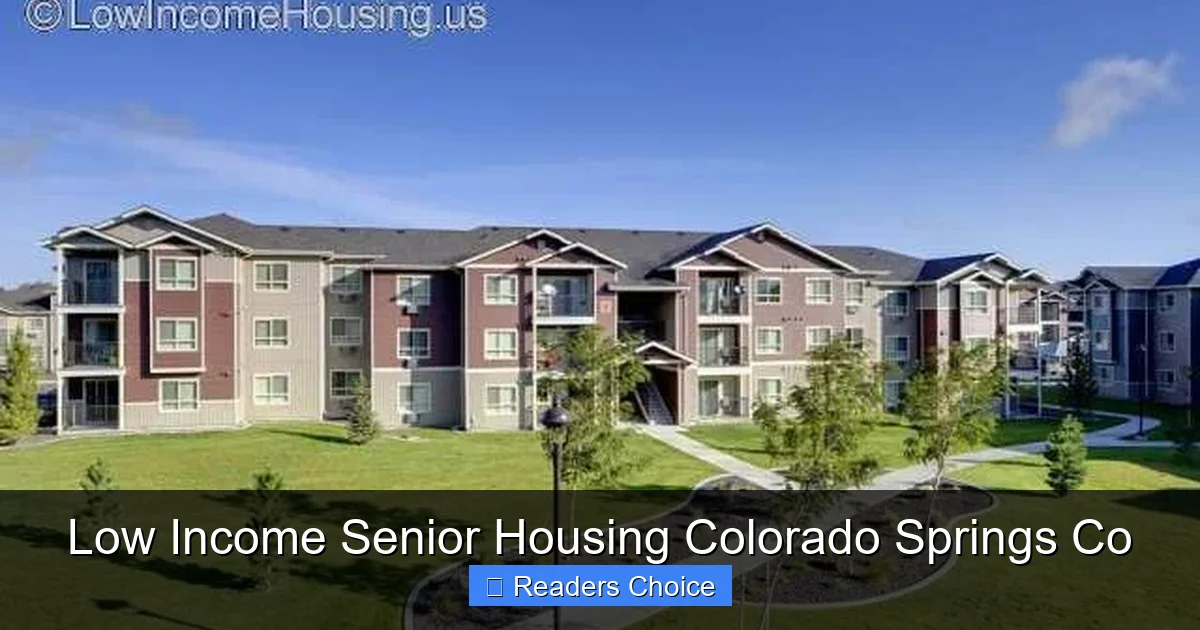
Visual guide about Low Income Senior Housing Colorado Springs Co
Image source: lowincomehousing.us
Before you start touring apartments or filling out applications, it’s essential to understand the eligibility criteria for low income senior housing in Colorado Springs. While the specifics can vary slightly between programs, most follow similar guidelines set by federal and local agencies.
The first and most obvious requirement is age. Nearly all low income senior housing programs require applicants to be at least 62 years old. Some communities may accept younger individuals if they have a documented disability, but the majority are reserved for older adults.
Next comes income. Each program sets income limits based on the Area Median Income (AMI) for El Paso County. These limits are updated annually and vary depending on household size. For example, in 2024, a single senior earning less than $32,000 per year may qualify for most subsidized programs, while a couple might qualify with a combined income under $36,800. It’s important to note that these numbers can change, so always check the most current figures from the Colorado Springs Housing Authority or HUD.
Citizenship or eligible immigration status is another common requirement. Applicants must be U.S. citizens or qualified non-citizens with proper documentation. This ensures that federal funds are used appropriately and in compliance with housing laws.
Background checks are also standard. Most housing providers will review your rental history, credit report, and criminal record. Minor issues may not disqualify you, but serious offenses—especially those involving violence or drug-related crimes—could affect your eligibility.
Finally, some programs prioritize applicants with additional needs, such as those who are homeless, have disabilities, or require supportive services. If you fall into one of these categories, you may receive priority placement on waitlists.
How to Determine Your Eligibility
To find out if you qualify, start by gathering key documents: proof of age (like a birth certificate or driver’s license), Social Security award letters, tax returns, bank statements, and any disability or veteran benefits documentation. Then, visit the website of the Colorado Springs Housing Authority or call their office to request an income eligibility worksheet.
You can also use online tools like the HUD Income Limits tool or contact local senior centers for assistance. Many nonprofits in Colorado Springs offer free counseling to help seniors understand their options and complete applications correctly.
Don’t be discouraged if you don’t qualify for one program. There are often multiple pathways to affordable housing, and eligibility can change if your income decreases or your needs increase. The key is to stay informed and proactive.
Top Low Income Senior Housing Communities in Colorado Springs

Visual guide about Low Income Senior Housing Colorado Springs Co
Image source: lowincomehousing.us
Colorado Springs is home to several well-regarded low income senior housing communities. While availability can be limited, these properties offer quality living environments with access to essential services. Here are some of the top options to consider:
Garden Ridge Elderly Care Center (Grecc): Operated by a local nonprofit, Grecc provides affordable one-bedroom apartments for seniors 62 and older. Rent is based on income, and the community includes a dining room, activity center, and weekly housekeeping. Located near downtown, it’s close to medical facilities, shopping, and public transit.
Silver Key Senior Residences: This nonprofit organization offers both housing and support services. Their senior apartments are designed for independent living, with optional meal plans, transportation, and wellness programs. Silver Key also runs a food pantry and health clinic, making it a one-stop resource for low income seniors.
Colorado Springs Housing Authority (CSHA) Properties: CSHA manages several senior housing sites, including the Hillside Village and Skyline Terrace communities. These offer one- and two-bedroom units with on-site maintenance, community rooms, and security. Applications are accepted year-round, but waitlists can be long.
St. Francis Apartments: Run by Catholic Charities, this faith-based community provides affordable housing for seniors with very low incomes. The building features elevators, laundry facilities, and a chapel. Residents often praise the friendly atmosphere and supportive staff.
Parkside Senior Apartments: A newer development under the HUD Section 202 program, Parkside offers modern, energy-efficient units with accessible design features. The community includes a computer lab, fitness room, and regular social events. It’s located near parks and medical centers, making it ideal for active seniors.
Each of these communities has its own application process and wait times. It’s a good idea to apply to multiple locations to improve your chances. Many also offer virtual tours or open houses, so you can get a feel for the environment before committing.
What to Expect When You Move In
Moving into a low income senior housing community is a big step, but it doesn’t have to be stressful. Most properties provide move-in assistance, including help with utilities setup and orientation sessions. You’ll likely receive a resident handbook outlining rules, amenities, and emergency procedures.
Many communities also host welcome events to help new residents meet their neighbors. This can be especially helpful if you’re moving from out of town or feeling isolated. Staff members are usually available to answer questions and connect you with local resources.
Once you’re settled, take advantage of the services offered. Attend fitness classes, join book clubs, or volunteer in the community garden. Staying active and engaged can greatly improve your quality of life and help you build meaningful relationships.
Remember, these communities are designed to support independence. While staff may check in periodically, you’re still in control of your daily routine. The goal is to provide a safe, affordable home—not to restrict your freedom.
How to Apply for Low Income Senior Housing

Visual guide about Low Income Senior Housing Colorado Springs Co
Image source: affordablehousingonline.com
Applying for low income senior housing in Colorado Springs involves several steps, but with the right preparation, it can be a smooth process. The first step is to identify which programs you’re eligible for and gather the necessary documents.
Start by visiting the Colorado Springs Housing Authority website or calling their office at (719) 471-1111. They can provide application packets, income guidelines, and information about current waitlists. You can also download applications online or pick them up in person at their downtown office.
Most applications will ask for personal information, proof of income, identification, and references. Be sure to fill out every section completely and accurately. Incomplete applications are often delayed or rejected.
Once you’ve submitted your application, you’ll be placed on a waiting list. Wait times can range from a few months to over a year, depending on demand and availability. To stay informed, check in regularly with the housing provider and update your contact information if it changes.
Tips for a Successful Application
To improve your chances of being accepted, follow these practical tips:
Apply Early: Don’t wait until you’re in a housing crisis. Submit your application as soon as you know you’ll need help.
Apply to Multiple Programs: Increase your odds by applying to several communities. Just be sure to notify each provider if you accept an offer elsewhere.
Keep Records: Save copies of all documents, emails, and confirmation numbers. This will help if there’s a dispute or if you need to follow up.
Seek Assistance: If you’re unsure how to complete the application, ask for help. Local senior centers, libraries, and nonprofits often offer free application support.
Stay Patient and Persistent: The process can be slow, but don’t give up. Follow up every few months and express your continued interest.
Remember, applying is just the first step. Once you’re approved, you’ll go through a screening process that may include an interview and background check. Be honest and cooperative throughout.
Support Services and Community Resources
One of the biggest advantages of low income senior housing in Colorado Springs is access to support services. These programs are designed to help seniors maintain their independence, stay healthy, and remain connected to the community.
Many housing communities partner with local organizations to offer on-site services. For example, Silver Key provides meal delivery, transportation to medical appointments, and wellness checks. Grecc offers weekly grocery shuttles and health screenings. These services can make a huge difference in daily life, especially for seniors with mobility issues or chronic health conditions.
In addition to housing-based programs, Colorado Springs has a robust network of senior resources. The Pikes Peak Area Council of Governments (PPACG) Area Agency on Aging offers free counseling, benefits assistance, and referrals to housing, healthcare, and nutrition programs. They also run the Senior Companion Program, which matches volunteers with homebound seniors for companionship and light assistance.
The Colorado Springs Senior Center is another valuable resource. Located near downtown, it offers classes in fitness, art, and technology, as well as social events and support groups. Membership is low-cost or free for qualifying seniors.
For those needing help with applications or advocacy, organizations like AARP Colorado and the Colorado Center on Law and Policy provide free guidance. They can help you understand your rights, appeal denied applications, and connect with legal aid if needed.
Transportation and Mobility Support
Getting around can be a challenge for low income seniors, especially if they no longer drive. Fortunately, Colorado Springs offers several transportation options tailored to older adults.
Mountain Metro Transit provides discounted fares for seniors 65 and older. With a reduced fare card, you can ride buses for just $1 per trip. The system covers most of the city, including routes to hospitals, shopping centers, and senior housing communities.
For those who can’t use regular buses, Mountain Metro RIDE offers door-to-door paratransit service for people with disabilities. Seniors with mobility issues can apply for this service and schedule rides in advance.
Many housing communities also operate their own shuttle vans. These typically run on fixed schedules to grocery stores, pharmacies, and medical offices. Some even offer weekend trips to cultural events or parks.
If you need help applying for transportation services, contact the PPACG or your housing provider. They can assist with paperwork and ensure you get the support you need.
Challenges and How to Overcome Them
While low income senior housing in Colorado Springs offers many benefits, it’s not without challenges. The most common issue is long waitlists. Due to high demand and limited funding, some communities have wait times of 12 to 24 months. This can be frustrating, especially if you’re in urgent need of housing.
To overcome this, apply to as many programs as possible and stay in touch with housing providers. Let them know if your situation changes—such as a health decline or loss of income—as this may move you up the list.
Another challenge is limited availability of units with accessibility features. While many newer buildings are ADA-compliant, older properties may lack elevators, grab bars, or wheelchair ramps. If you have specific mobility needs, be sure to mention them during the application process. Some providers can make modifications or prioritize accessible units.
Language barriers can also be an issue for non-English-speaking seniors. Fortunately, many local agencies offer translation services or bilingual staff. Don’t hesitate to ask for help if you need it.
Finally, some seniors worry about losing independence or feeling isolated in a group setting. To combat this, look for communities that encourage resident involvement and offer a range of activities. Getting to know your neighbors and participating in events can help you feel more at home.
Conclusion
Finding affordable, safe, and supportive housing is possible for low income seniors in Colorado Springs, CO. With a variety of subsidized apartments, nonprofit communities, and government programs, older adults have more options than ever before. The key is to start early, stay informed, and take advantage of the resources available.
From HUD-subsidized units to faith-based residences, the city offers something for everyone. While waitlists and eligibility requirements can be daunting, they’re not insurmountable. With patience, persistence, and a little help from local agencies, you can find a place that feels like home.
Remember, low income senior housing isn’t just about saving money—it’s about living with dignity, staying connected, and enjoying your golden years to the fullest. Whether you’re looking for a quiet apartment near the mountains or a vibrant community with daily activities, Colorado Springs has a place for you.
Take the first step today. Contact the Colorado Springs Housing Authority, visit a senior center, or reach out to a nonprofit for guidance. Your next chapter could be just around the corner.
Frequently Asked Questions
What is the income limit for low income senior housing in Colorado Springs?
In 2024, the income limit for a single senior is typically around $32,000 per year, while a couple may qualify with a combined income under $36,800. These limits are based on the Area Median Income and may vary slightly by program.
How long are the waitlists for senior housing in Colorado Springs?
Waitlists can range from 6 months to over 2 years, depending on the community and demand. Applying to multiple programs and updating your status regularly can help improve your chances.
Can I apply for senior housing if I’m under 62?
Most programs require applicants to be 62 or older, but some accept younger individuals with documented disabilities. Check with individual housing providers for specific age requirements.
Are pets allowed in low income senior housing?
Many communities allow small pets, such as cats or small dogs, but policies vary. Some may require pet deposits or limit the number of animals. Always confirm pet rules before applying.
What if I’m denied housing? Can I appeal?
Yes, you can usually appeal a denial. Contact the housing provider for the reason and follow their appeals process. Local advocacy groups can also assist with disputes.
Is there help available to fill out housing applications?
Absolutely. Organizations like the Colorado Springs Senior Center, PPACG, and Silver Key offer free application assistance. You can also visit the Housing Authority for in-person support.
