
Low Cost Auto Insurance for Seniors That Saves Money


Talking Clock
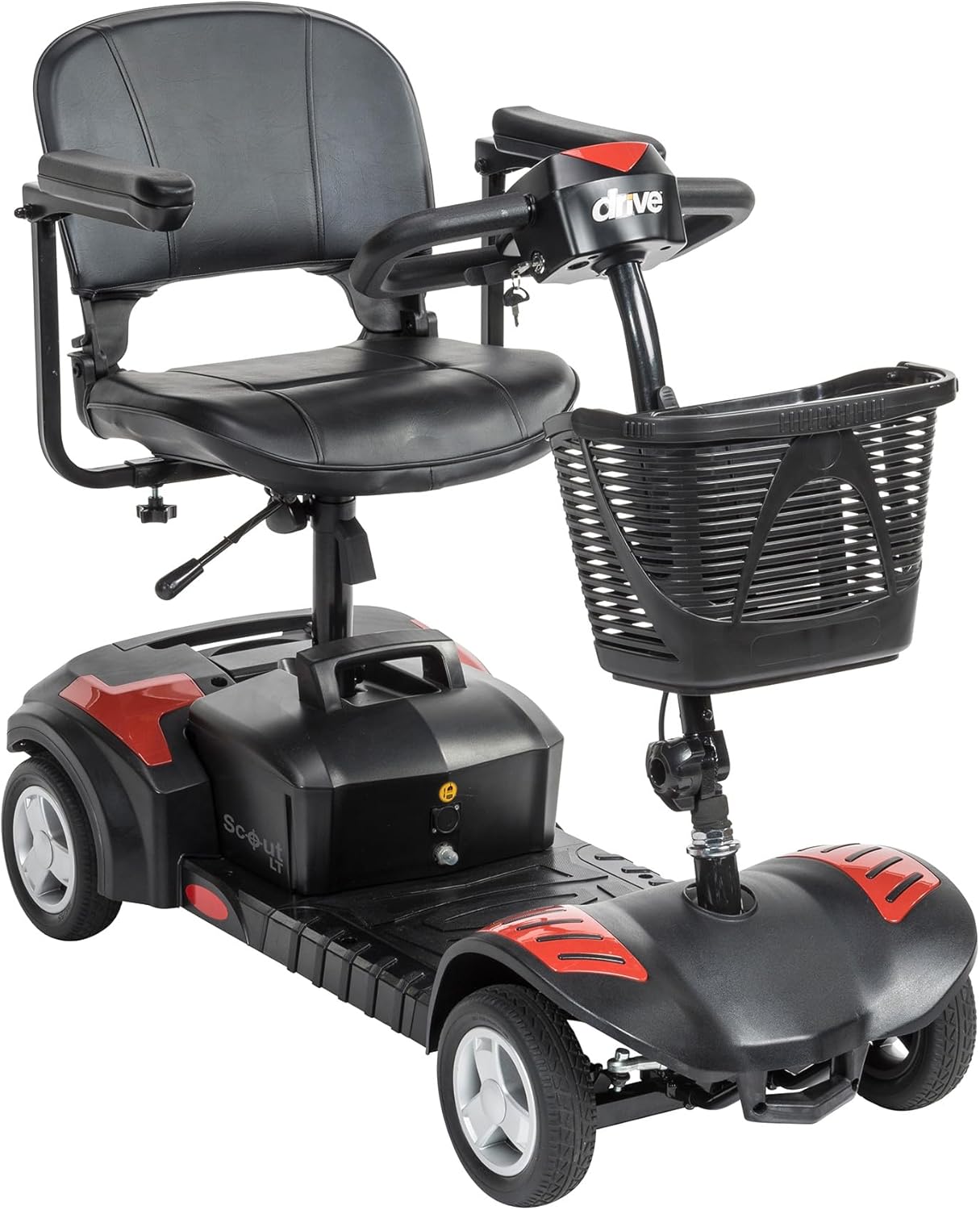
Electric Mobility Scooter

Easy Grip Knife Set
Seniors can save on auto insurance by comparing multiple quotes, using every discount available, and matching coverage to how often they really drive. The best low-cost policy is affordable, but still strong enough to protect your car, savings, and peace of mind.
Low cost auto insurance for seniors can help protect your budget without leaving you underinsured. In 2025, the smartest savings usually come from matching your coverage to how much you actually drive, then comparing discounts carefully.
- Compare carefully: Use the same coverage levels across quotes.
- Ask about discounts: Safe driving, low mileage, and bundling can help.
- Match coverage to the car: Older vehicles may not need full coverage.
- Review yearly: Retirement and lower driving can change your needs.
Why Low Cost Auto Insurance for Seniors Matters in 2025
For many older adults, car insurance is not just another bill. It is part of staying independent, getting to appointments, visiting family, and handling everyday errands safely.
At the same time, repair bills, medical costs, and general living expenses keep rising. That can make even a modest premium feel harder to manage on a fixed income.
How rising repair costs, medical expenses, and fixed incomes affect senior drivers
When a fender bender leads to higher repair costs, the price difference between a cheap policy and a well-balanced one can matter a lot. Seniors often want to protect savings while still avoiding a policy that cuts too much protection.
This is especially important for retirees who are also managing Medicare premiums, prescription costs, and household expenses. If you are weighing health-related spending too, talk to your doctor or consult your pharmacist/healthcare provider about any treatment or mobility changes that may affect driving.
What “low cost” really means for older adults: affordability vs. coverage gaps
Low cost should mean a policy that fits your budget and your real risk, not simply the smallest premium on the page. A very cheap policy can leave gaps if your car is damaged, stolen, or hit by an uninsured driver.
The goal is to keep the price reasonable without creating a bigger out-of-pocket problem later. That balance matters even more when retirement income is steady but limited.
What Senior Drivers Usually Need from an Auto Policy
Most seniors do not need a special type of auto insurance. They usually need the right mix of standard coverage, adjusted to driving habits, vehicle value, and budget.
Coverage basics: liability, collision, comprehensive, and uninsured motorist protection
Liability coverage helps pay for injuries or property damage you cause to others. Collision helps with damage to your car after an accident, while comprehensive covers many non-crash losses such as theft, fire, or storm damage.
Uninsured motorist protection can be especially helpful if another driver has little or no insurance. That coverage can reduce the financial shock after an accident that is not your fault.
When seniors can save by adjusting deductibles, mileage, and vehicle coverage
A higher deductible often lowers the monthly premium. That can be a sensible tradeoff if you have enough savings to cover the deductible in an emergency.
Seniors can also save by reducing coverage on an older car if the vehicle is not worth much anymore. If you drive fewer miles after retirement, ask whether your insurer offers a low-mileage option or related discount.
How driving habits, retirement, and seasonal use change insurance needs
Retirement often changes driving patterns. Many seniors no longer commute daily, which may reduce risk and open the door to lower premiums.
Some older adults also drive only seasonally, such as avoiding winter roads or using a second vehicle sparingly. If that sounds familiar, your policy should reflect it so you are not paying for more coverage than you need.
Best Ways to Find Low Cost Auto Insurance for Seniors
The best savings usually come from a simple process: compare, ask, review, and adjust. That approach is more effective than choosing the first quote that looks low.
Comparing quotes from multiple insurers the smart way
Try to compare similar coverage levels across several companies. A low quote is only useful if the liability limits, deductibles, and extras are actually comparable.
It can help to write down your current coverage first, then request quotes using the same details. That makes it easier to spot where one insurer is truly cheaper and where another is just offering less protection.
Discounts seniors may qualify for in 2025: safe driver, low mileage, bundling, and defensive driving
Many seniors save through safe driver discounts, low-mileage discounts, and bundling home and auto policies. Defensive driving courses may also help lower premiums in some cases, depending on the insurer and the state.
If you already belong to a retirement group, alumni association, or other membership organization, ask whether there is a related savings option. Small discounts can add up when your policy renews each year.
How telematics programs can lower premiums for careful drivers
Telematics programs use a device or app to track driving habits such as speed, braking, and mileage. Careful drivers may earn lower rates if the data shows low-risk behavior.
These programs are not ideal for everyone. Some seniors prefer not to share driving data, and some insurers may raise rates if the driving pattern looks risky, so read the terms carefully before enrolling.
Example savings scenarios for a retired couple vs. a solo senior driver
A retired couple who drives only for errands and occasional trips may save by choosing low mileage coverage, bundling policies, and keeping a practical deductible. Their savings can be meaningful if both drivers have clean records.
A solo senior who drives less often but keeps a newer car may need a different approach. That driver might save more by comparing comprehensive and collision coverage carefully rather than dropping them too quickly.
Common Mistakes That Make Senior Auto Insurance More Expensive
Many older adults overpay without realizing it. A few small mistakes can keep premiums higher than they need to be.
Keeping unnecessary coverage on an older car
If an older vehicle has a low market value, full coverage may cost more than it is worth. In that case, paying for collision or comprehensive may not make financial sense.
Still, do not remove coverage automatically. Consider the car’s value, your savings, and how hard it would be to replace the vehicle before making a change.
Choosing the cheapest policy without checking claims service and exclusions
The lowest premium is not always the best deal. Some budget policies come with stricter exclusions, weaker customer service, or slower claims handling.
That matters if you are already dealing with stress after an accident. A policy that saves a little upfront but creates frustration later may not really be the low-cost choice.
Overlooking mileage discounts, membership savings, and annual policy reviews
Insurers do not always automatically apply every discount you qualify for. If you never ask, you may miss savings tied to low mileage, safe driving, or membership programs.
An annual policy review is one of the easiest ways to keep costs down. It is also a good time to compare coverage after any change in health, driving habits, or vehicle use.
Failing to update driving status after retirement or reduced commuting
If you stop commuting but never update your insurer, you may be paying for a risk level that no longer fits. Reduced driving can sometimes lead to better pricing.
Be sure your insurer knows whether you still drive to work, only drive locally, or rarely use the car. Accurate information helps prevent pricing mistakes and coverage problems later.
Cost Comparison: Where Seniors Can Save the Most
Auto insurance pricing can vary widely. Age is only one factor, and the final quote often depends just as much on location, vehicle type, and driving history.
How premiums can vary by age, state, driving record, and vehicle type
A clean driving record usually helps keep rates down, while accidents and tickets can push costs higher. State rules also matter, since insurance requirements and pricing methods differ by location.
Vehicle type matters too. A large, expensive, or high-performance car often costs more to insure than a modest sedan with lower repair costs.
Typical cost tradeoffs between minimum coverage and full coverage
Minimum coverage usually costs less, but it may not protect your own car very well. Full coverage costs more, yet it can offer broader protection and more peace of mind.
For seniors on a tighter budget, the right choice often depends on whether the vehicle is still valuable enough to insure fully. If the car is older and inexpensive to replace, minimum coverage may be worth considering.
When a higher deductible makes sense for budget-conscious seniors
A higher deductible can reduce your premium, but only if you can afford the deductible when a claim happens. That is why it works best for seniors with some emergency savings set aside.
If your cash reserve is limited, a lower deductible may be safer even if the premium is a bit higher. The cheapest monthly payment is not always the least stressful choice.
Comparing insurance costs for high-value cars, older vehicles, and low-mileage use
High-value cars often justify fuller protection because repair and replacement costs are higher. Older vehicles may not need that same level of coverage if their market value has dropped significantly.
Low-mileage use can create another savings opportunity. If you drive only a few thousand miles a year, ask whether your insurer rewards that pattern with a better rate.
Expert Warning Signs: When to Get Help Before Buying a Policy
Some situations deserve extra care before you make a final decision. If anything feels unclear, it is better to pause and get help than to buy a policy you do not fully understand.
When medical conditions, vision changes, or limited driving may affect coverage choices
Changes in vision, reaction time, or mobility can affect how often and how safely you drive. If that is happening, talk to your doctor before making major changes to your driving routine or insurance plan.
Some seniors may also need to review whether they should keep the same vehicle use, add a driver, or shift to a lower-mileage policy. Health and driving decisions can overlap more than people expect.
If your vision, balance, memory, or medication routine has changed, ask your doctor whether it is still safe to drive regularly. Your healthcare provider can help you think through any side effects that may affect alertness or reaction time.
Why seniors should review policy language for rental reimbursement, roadside help, and exclusions
Policy details matter. Rental reimbursement, roadside help, towing, and exclusions can all change the real value of a low-cost policy.
For some seniors, a small extra premium is worth it if it prevents a larger expense after a breakdown or accident. For others, those add-ons may be unnecessary if family support or another vehicle is available.
When to consult an independent insurance agent or licensed advisor
An independent agent can compare several insurers and explain differences in plain language. That can be especially helpful if you are balancing savings with the need for reliable claims support.
If your situation is complex, such as multiple vehicles, a recent move, or health-related driving changes, a licensed advisor can help you avoid costly mistakes. The right guidance can save both money and frustration.
How to Choose the Right Low-Cost Policy Without Sacrificing Protection
The best policy is usually the one that fits your actual driving life. It should protect your finances, not just look good on a price comparison page.
A simple checklist for balancing price, coverage, and peace of mind
- Liability limits and whether they are high enough for your situation
- Deductibles you can truly afford after an accident
- Whether collision and comprehensive still make sense for your car
- Available discounts for low mileage, safe driving, and bundling
- Claims service, roadside help, and policy exclusions
Questions seniors should ask before switching insurers
Ask what is included, what is excluded, and how claims are handled. Also ask whether the quoted price will change after the first term or after a telematics review.
It is wise to confirm whether the insurer offers paperless billing, automatic payments, or senior-friendly customer support if those features matter to you. Clear answers now can prevent surprises later.
How to review policies annually as driving needs change
Annual review is one of the easiest ways to keep coverage aligned with your life. A move, a new car, fewer miles, or a change in health can all affect what you need.
Even a small change can make a difference in price. Review your policy before renewal so you are not paying for coverage that no longer fits.
Final Recap: The Smartest Way Seniors Can Save on Auto Insurance
Low cost auto insurance for seniors works best when you compare quotes, use every discount you qualify for, and avoid paying for coverage you no longer need. The cheapest policy is not always the best one, especially if it leaves you exposed to large repair or liability costs.
If you want a practical next step, start with your current policy, check your mileage and vehicle value, then request several comparable quotes. If your situation has changed because of health, retirement, or driving habits, talk to your doctor and consider speaking with an independent insurance agent before you switch.
Frequently Asked Questions
Compare several quotes with the same coverage levels, then look for discounts like safe driver, low mileage, and bundling. A policy is only a good deal if it fits both your budget and your real driving needs.
Not always. If the car is worth very little, full coverage may cost more than it is worth, but you should still consider your savings and how hard it would be to replace the vehicle.
Many seniors may qualify for discounts based on safe driving, low mileage, bundling policies, or completing a defensive driving course. Availability depends on the insurer and the state.
It can be, if you can comfortably afford the deductible after a claim. If paying that amount would strain your budget, a lower deductible may be the safer choice.
At least once a year, and also after major life changes like retirement, a move, a new car, or reduced driving. Annual reviews help make sure you are not overpaying for coverage you no longer need.
Talk to your doctor if vision, balance, memory, or medication changes may affect your driving. Your healthcare provider can help you think through safety concerns before you adjust your driving habits or insurance choices.