
Light Housekeeping for Seniors Made Easy and Safe


Back Massager with Heat
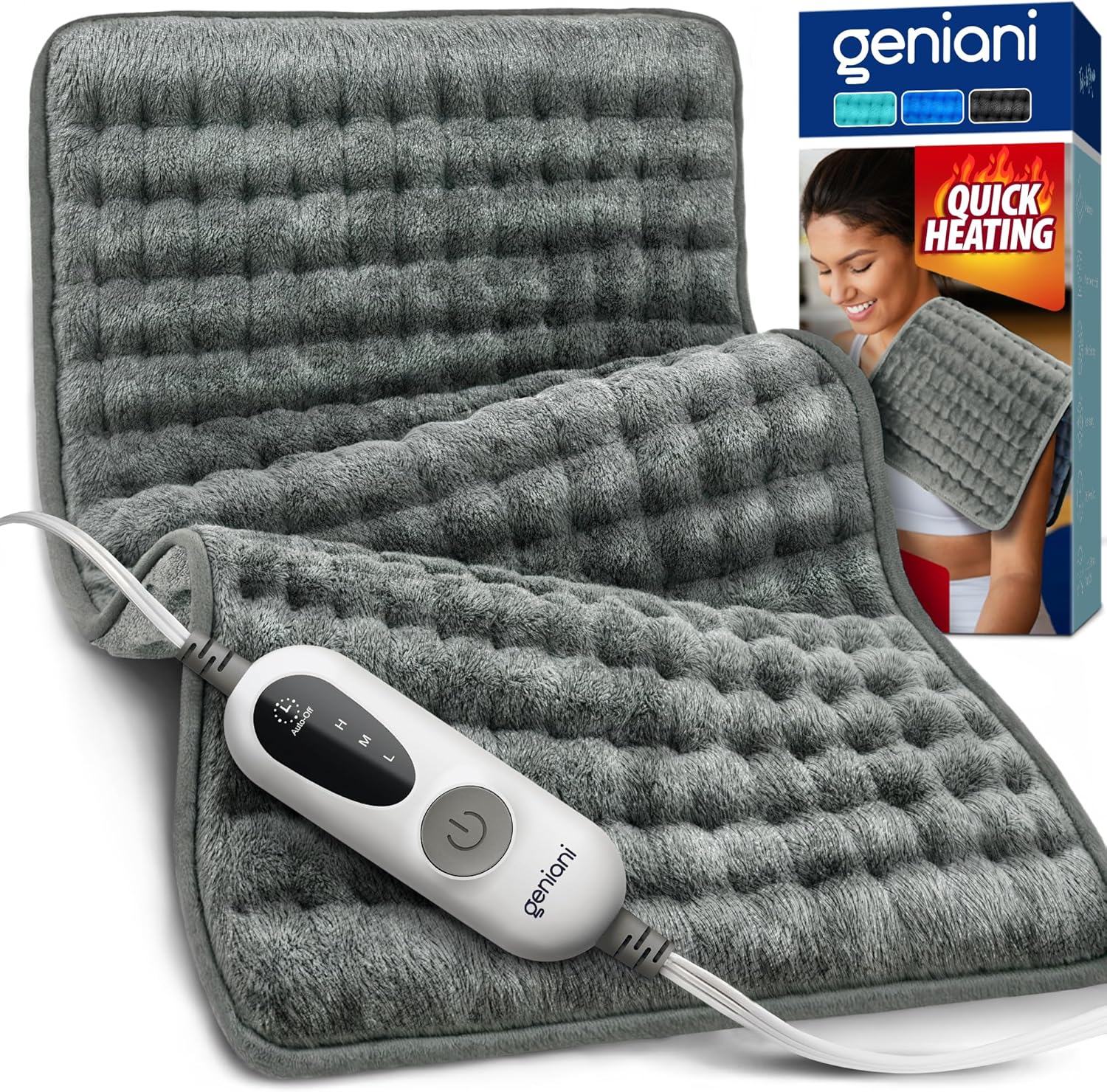
Electric Heating Pad

Upright Walker
Light housekeeping for seniors is routine help with chores like dishes, vacuuming, laundry, and clutter control. It can make the home safer, reduce strain, and help older adults stay independent longer.
Light housekeeping for seniors is one of the simplest ways to keep a home safer, calmer, and easier to live in. It is not about “taking over” a person’s home; it is about handling the small, regular chores that can become tiring, risky, or overwhelming with age.
For many families, this kind of support helps an older adult stay independent longer. It can also reduce stress for caregivers who want the home to stay clean enough for comfort, but do not have the time or energy to keep up with every task.
- Safety first: Focus on walkways, spills, and clutter that can cause falls.
- Right-sized help: Light housekeeping is not deep cleaning or medical care.
- Best fit: Match services to mobility, privacy, and daily routine needs.
- Cost planning: Prices vary by home size, tasks, and visit frequency.
What Light Housekeeping for Seniors Really Means in 2026
In 2026, light housekeeping usually means routine, low-strain home tasks that help a senior maintain a livable space. The goal is to support daily life, not to provide heavy cleaning or full household management.
How it differs from deep cleaning and full homemaking support
Light housekeeping is different from deep cleaning. Deep cleaning may involve scrubbing grout, moving heavy furniture, washing walls, or cleaning inside appliances. Those jobs are more physical and often better handled by a professional cleaning service.
It is also different from full homemaking support. Homemaking may include meal prep, errands, transportation help, medication reminders, or other non-medical assistance. If you are unsure what level of help is appropriate, talk to your doctor or healthcare provider, especially if mobility, memory, or fatigue are concerns.
Why seniors and families search for this service
Many people look for this service because the home is still manageable, but some tasks are getting harder to do safely or consistently. A little help can make a big difference when bending, lifting, reaching, or standing for long periods is uncomfortable.
Families often search for light housekeeping for seniors after noticing clutter, missed laundry, or a kitchen that is not being reset each day. Others begin looking after a hospital stay, a fall, or a change in energy level.
Common Light Housekeeping Tasks That Make Daily Life Easier
The best light housekeeping plans focus on the tasks that matter most to safety and comfort. They are usually simple, repeatable, and tailored to the senior’s routine.
Dusting, vacuuming, and floor tidying in lived-in spaces
Basic dusting and vacuuming help keep a home feeling fresh and easier to navigate. For seniors, the most useful version of this work is usually a quick tidy of high-use areas like the living room, bedroom, and entryway.
Floor tidying matters because loose rugs, cords, shoes, and clutter can become tripping hazards. Even small improvements, like moving items away from walkways, can make a home safer without changing how it feels.
Kitchen reset tasks: dishes, counters, and trash removal
A simple kitchen reset can reduce mess and make meals easier to prepare. This may include washing dishes, wiping counters, clearing the sink, and taking out trash before odors or pests become a problem.
For older adults who tire easily, these small tasks can feel like a lot by the end of the day. A cleaner kitchen also makes it easier to see what food is available, which can help reduce spoiled items and duplicate grocery purchases.
Bathroom touch-ups and laundry help for safer routines
Bathrooms are one of the most important places for light housekeeping because spills and damp surfaces can raise fall risk. Common tasks include wiping sinks, cleaning visible surfaces, and making sure toiletries are organized and easy to reach.
Laundry help can also be valuable. Carrying baskets, bending to load machines, and lifting wet clothes can strain joints and backs. If a senior has arthritis or balance problems, talk to your doctor before continuing tasks that cause pain or instability.
Bed-making, linens, and clutter reduction around the home
Making the bed, changing linens, and keeping surfaces clear can make a home feel more orderly and restful. These tasks may seem small, but they often support better daily routines and easier caregiving visits.
Clutter reduction is especially helpful in bedrooms, hallways, and near chairs or beds. A clear path can make it easier to use a cane, walker, or wheelchair, and it can also reduce stress for both seniors and family members.
How Light Housekeeping Supports Safety, Independence, and Comfort
Light housekeeping is not just about appearance. For many seniors, it is a practical support that helps them stay in control of their home while lowering daily risks.
Reducing fall risks from clutter, spills, and blocked walkways
Falls are a serious concern for older adults, especially when floors are wet, cluttered, or hard to see. Regular housekeeping can help keep walkways clear, remove spills quickly, and reduce the chance of catching a foot on loose items.
This is one reason families often start with small home tasks before considering a higher level of care. A safer home can support confidence and reduce the need to ask for help with every movement.
If a senior has frequent falls, dizziness, new weakness, or trouble walking, light housekeeping alone is not enough. Talk to your doctor or healthcare provider right away, because these symptoms may signal a medical issue that needs attention.
Helping seniors conserve energy for meals, rest, and mobility
Housekeeping can be surprisingly draining for an older adult with limited stamina. When someone has to choose between cleaning and saving energy for a meal, a shower, or a walk, the home may slowly become harder to manage.
Having help with routine chores lets seniors use their energy where it matters most. That can mean more time for rest, social visits, gentle movement, or simply enjoying the day without feeling worn out.
If chores leave you short of breath or unusually tired, pace the work into short sessions and sit down between tasks. If the fatigue is new or getting worse, consult your healthcare provider.
Supporting aging in place without taking over the home
Many older adults want to stay in familiar surroundings as long as possible. Light housekeeping supports that goal by preserving independence while easing the burden of the most tiring chores.
The key is balance. The helper should work with the senior’s preferences, not around them. That means respecting personal routines, favorite room arrangements, and privacy while keeping the home functional.
Signs a Senior May Need Light Housekeeping Help
It is not always easy to know when a little support is needed. In many homes, the signs appear gradually and are easy to dismiss at first.
Missed chores, visible clutter, or spoiled food buildup
One of the clearest signs is when routine chores start slipping. You may notice dishes piling up, laundry staying unfinished, or trash not being taken out on time.
Other warning signs include spoiled food in the refrigerator, dusty surfaces, or clutter that blocks chairs, hallways, or doorways. These are practical clues that the home may need more regular attention.
Fatigue, arthritis, balance issues, or recent hospital recovery
Health changes often make housekeeping harder. Arthritis can make gripping, lifting, and bending painful. Balance problems can make reaching high shelves or carrying items unsafe.
Recent surgery, illness, or a hospital stay can also reduce strength and stamina for a while. If recovery is part of the picture, talk to your doctor about which tasks are safe to do and which ones should be avoided.
Family caregiver burnout and inconsistent home upkeep
Sometimes the senior is not the only one struggling. Family caregivers may be juggling work, children, appointments, and their own health needs, which can make home upkeep inconsistent.
When the same chores keep falling behind, a small amount of outside help may be the most realistic solution. It can protect the relationship between family members by reducing frustration and last-minute cleaning stress.
How to Choose the Right Light Housekeeping Support
There is no single best option for every home. The right choice depends on the senior’s health, privacy concerns, budget, and how much help is actually needed.
In-home aides, private cleaners, and senior care agencies compared
In-home aides may offer light housekeeping along with companionship or other non-medical support. Private cleaners usually focus on cleaning tasks only, while senior care agencies may coordinate a broader mix of home care services.
| Option | Best For | Note |
|---|---|---|
| Private cleaner | Routine cleaning tasks | Usually best for homes that only need basic upkeep |
| In-home aide | Light chores plus support | May be a better fit if the senior needs more than cleaning |
| Senior care agency | Ongoing coordinated help | Helpful when schedules, screening, and backup coverage matter |
What to ask about training, background checks, and reliability
Before hiring anyone, ask clear questions about screening, experience, and scheduling. It is reasonable to ask whether background checks are completed, how cancellations are handled, and whether the same person will return each time.
Reliability matters because seniors often depend on a steady routine. If the service will enter the home when the senior is alone, make sure the arrangement feels safe and comfortable for everyone involved.
- Background screening and references
- Clear list of chores included
- Arrival times and cancellation policy
- Respect for privacy, pets, and personal items
Matching services to mobility level, schedule, and privacy needs
A good fit should match the senior’s physical ability and daily routine. Someone who only needs weekly tidying may not need the same support as a person recovering from a fall or living with limited mobility.
Privacy matters too. Some older adults are comfortable with a helper in the kitchen and bathroom, while others prefer limited access to certain rooms. The best arrangement is the one that feels respectful and sustainable.
If the home includes medical equipment, oxygen, or mobility devices, mention that upfront when arranging service. Some tasks or cleaning products may need to be adjusted for safety.
What Light Housekeeping Usually Costs and What Affects Pricing
Costs vary widely by location, provider type, and the amount of help needed. Because services differ so much, it is smart to ask for a written list of tasks and billing details before starting.
Hourly rates versus bundled home care services
Some providers charge by the hour, while others bundle light housekeeping into a larger home care plan. Hourly service can work well for a short task list, but bundled care may be more efficient when the senior needs regular support.
Medicare and private insurance rules can vary, especially if housekeeping is part of a larger home health or recovery plan. If you are trying to understand coverage, consult your insurance plan details or speak with the provider directly.
Factors that change cost: home size, task list, and frequency
Pricing often depends on how large the home is, how many rooms are included, and whether the work is weekly, biweekly, or occasional. A short list of tasks generally costs less than a full reset of multiple rooms.
Special circumstances can also affect price. Homes with pets, heavy clutter, stairs, or extra sanitation needs may require more time and therefore more cost.
When a lower-cost option may be enough and when it is not
For a senior who only needs kitchen cleanup and a little vacuuming, a lower-cost option may be enough. This is often true when the home is already fairly organized and the goal is simply to stay ahead of mess.
When mobility is limited, clutter is growing, or there are safety concerns, a more reliable and experienced service may be worth the extra cost. If the home situation is changing quickly, consider asking a doctor, discharge planner, or social worker for guidance.
Common Mistakes to Avoid When Arranging Housekeeping for Seniors
Good intentions are not always enough. A few common mistakes can make the arrangement less helpful or even unsafe.
Expecting a cleaner to provide medical or heavy-duty help
A light housekeeper is not the same as a nurse or medical aide. They should not be expected to lift a person, manage medical devices, or perform tasks that require clinical training.
Heavy lifting, moving large furniture, or deep scrubbing may also be outside the scope of the job. If the home needs that kind of work, hire the right service instead of stretching a light housekeeping plan beyond its limits.
If a senior needs help because of pain, swelling, shortness of breath, confusion, or sudden weakness, do not assume housekeeping is the only issue. These changes should be discussed with a doctor or healthcare provider.
Overlooking safety hazards, communication needs, or pet concerns
Housekeeping works best when the helper knows about hazards in advance. Loose rugs, poor lighting, slippery floors, and pets can all affect how the work should be done.
Communication is just as important. Some seniors need reminders spoken clearly and slowly. Others prefer a written task list. If hearing, vision, or memory changes are present, adjust the plan so instructions are easy to follow.
Setting vague task lists that lead to missed priorities
“Clean the house” is too vague for most visits. A better plan lists the rooms and tasks that matter most, such as dishes, bathroom wipe-downs, trash removal, and vacuuming the main walkways.
Clear priorities help the helper use time wisely and give the senior a better result. It also reduces disappointment, especially when the visit is short and not every chore can be completed.
- Safer walkways and fewer clutter hazards
- Less daily strain for older adults
- More consistent home comfort and routine
- Better support for aging in place
Final Recap: A Safer, Simpler Home Starts with the Right Help
Light housekeeping for seniors is a practical, respectful way to keep the home manageable without taking away independence. When the right tasks are chosen, the result is often a safer, calmer space that supports daily life.
Key takeaways for families choosing light housekeeping for seniors
Start with the jobs that matter most: floors, dishes, trash, bathroom touch-ups, laundry, and clutter control. Then match the service to the senior’s health, schedule, and comfort level.
Be clear about what is included, ask about screening and reliability, and keep communication simple. If the home situation is changing because of illness, falls, or recovery, talk to your doctor or healthcare provider before setting the plan.
When to seek professional guidance or a higher level of care
If housekeeping problems are tied to memory loss, repeated falls, severe fatigue, or trouble managing daily activities, it may be time to look beyond light cleaning. A doctor, social worker, or care manager can help you understand what level of support is appropriate.
The right help should make life easier, not more complicated. With a thoughtful plan, seniors can enjoy a cleaner home, less strain, and more peace of mind.
Frequently Asked Questions
It is routine, low-strain help with chores that keep the home tidy and safe. Common tasks include vacuuming, dishwashing, trash removal, and basic laundry.
No. Light housekeeping is non-medical support, while home health care may involve skilled medical services. If the need is tied to a health condition, talk to your doctor or healthcare provider.
Typical chores include dusting, wiping counters, cleaning the bathroom sink area, making the bed, and tidying floors. The exact list depends on the provider and the senior’s needs.
Look for missed chores, clutter, spoiled food, fatigue, or trouble keeping the home safe after an illness or fall. If symptoms seem medical, talk to a doctor.
Usually not by itself. Coverage can vary if it is part of a larger home health plan, so check the policy details or ask the provider.
Ask about background checks, reliability, and which chores are included. It also helps to choose a service that respects privacy, pets, and mobility needs.