
Knee Sleeves vs Compression Socks for Seniors


Large Button TV Remote

Quad Cane for Seniors

Smart Doorbell Camera
Knee sleeves vs compression socks can be a confusing choice when both seem to offer compression. The key difference is where they work. A knee sleeve focuses on the knee area, while compression socks mainly cover the lower leg and foot.
For seniors, the better choice depends on the reason for wearing one. A knee sleeve may make more sense when knee support and comfort are the main goals. Compression socks may be a better fit when lower-leg swelling or circulation is the concern.
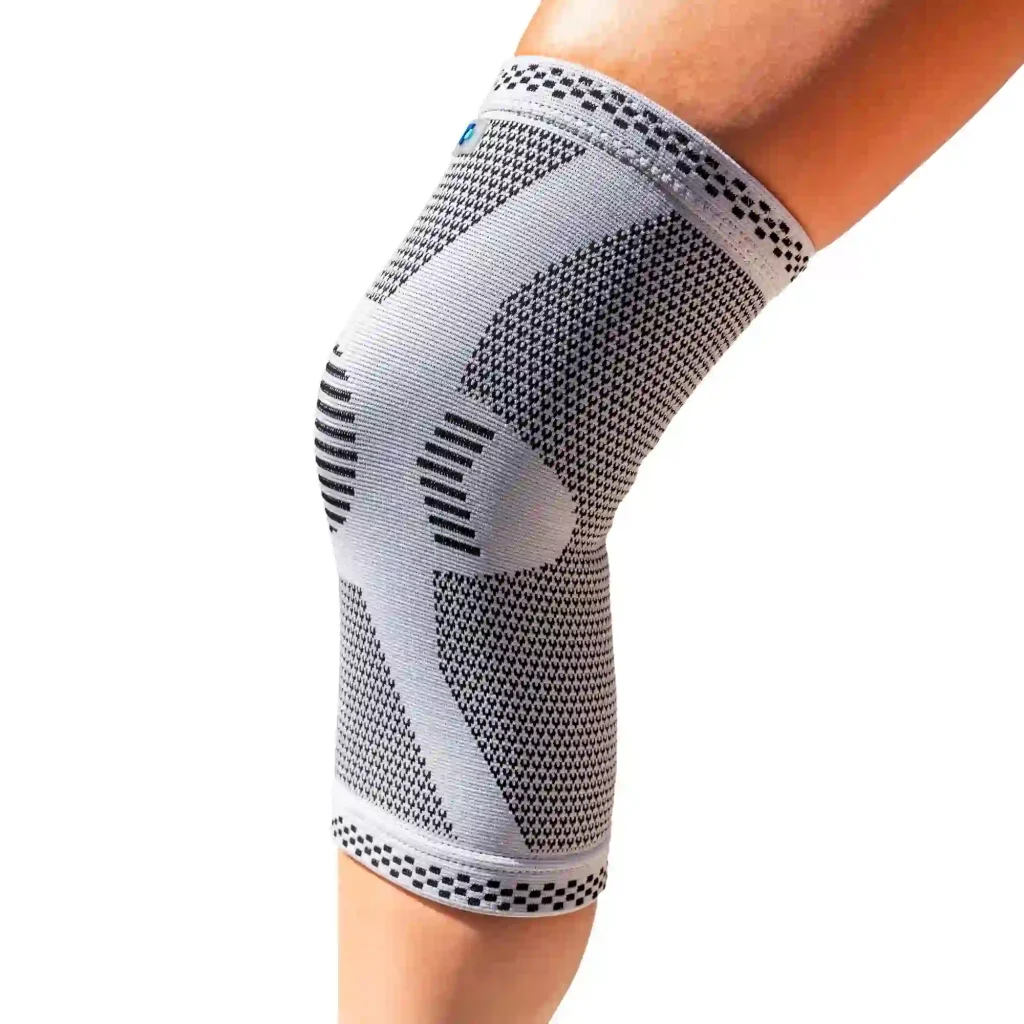
Quick Comparison
There is no single winner for everyone.
Choose a knee sleeve when the main need is light knee support, warmth, or compression around the knee.
Choose compression socks when the main concern is lower-leg swelling, heaviness, or blood pooling in the legs.
The biggest difference is simple: knee sleeves focus on the joint, while compression socks focus on the lower leg and circulation. Compression socks can help reduce fluid buildup and promote blood flow in the legs.
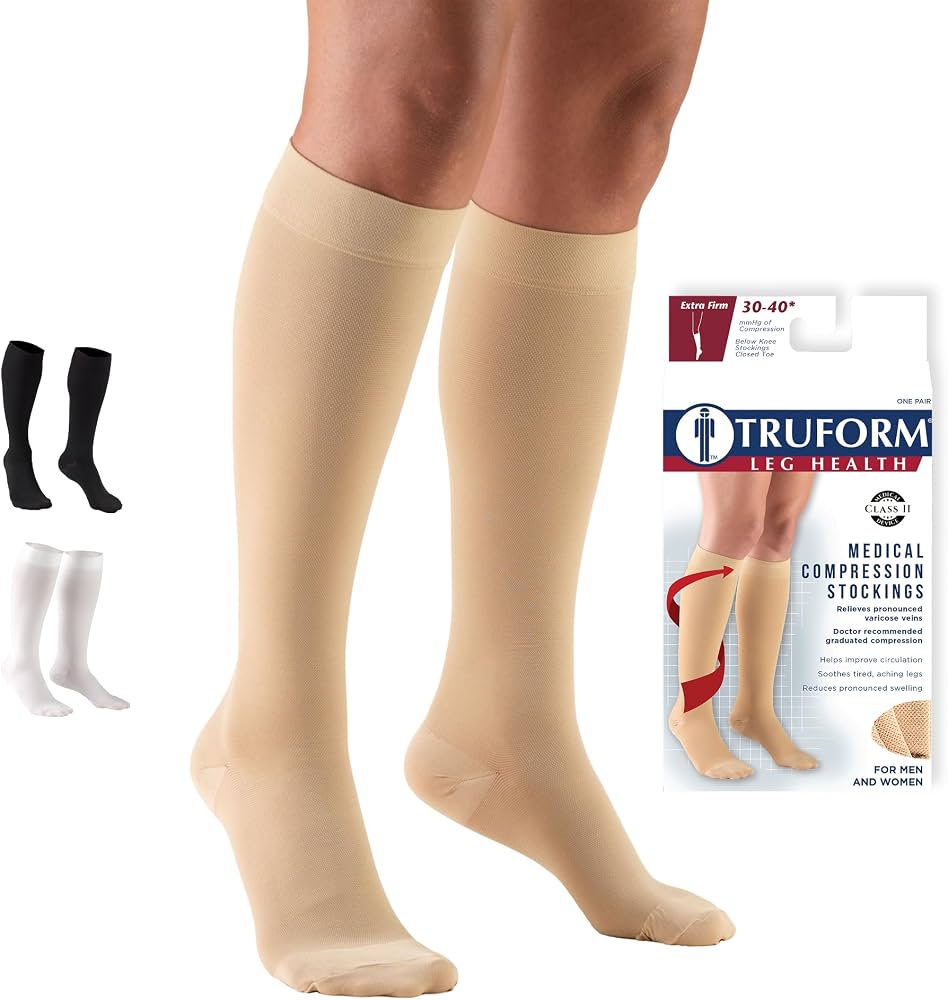
Knee Sleeves vs Compression Socks At a Glance
The two products overlap in one area: both can provide compression. Their main purpose, however, is quite different.
| Feature | Knee Sleeves | Compression Socks |
|---|---|---|
| Main focus | Knee area | Foot and lower leg |
| Main benefit | Knee compression and support | Leg compression and circulation support |
| Coverage | Around the knee | Foot to below or above the knee |
| Best for | Knee comfort and light support | Swelling and heavy-feeling legs |
| Ease of use | Usually simple | Can require more effort to put on |
| Fit | Around knee | Measured around the leg and foot |
| Medical use | Varies by product | Often used for specific circulation needs |
Knee Sleeves: A Practical Look for Seniors
A knee sleeve is designed to fit around the knee. Some provide simple compression, while others include extra support features.
For seniors who want support around the joint, a sleeve can be a practical option. Sleeve-style braces may provide compression, warmth, and some added support for mild knee pain or stiffness.
Ease of Use
A basic knee sleeve has a simple design.
There are usually no buttons, batteries, pumps, or complicated controls. You pull it over the leg and position it around the knee.
That can make it useful for someone who wants a simple product with little setup.
Still, putting on a tight sleeve can require hand strength. A sleeve that is too tight may also feel uncomfortable.
Key Strengths
- Focuses compression around the knee
- Simple design
- No electronics or controls
- Usually easy to store
- Can provide light support
- Useful during walking or daily activity for some people
Potential Drawbacks
- Does not cover the foot or lower leg
- May be difficult to pull on if very tight
- Different designs offer different levels of support
- A basic sleeve should not be confused with a medical knee brace
Compression Socks: A Practical Look for Seniors
Compression socks are designed to squeeze the leg in a controlled way. Graduated compression socks are usually tightest around the ankle and become looser farther up the leg.
This design helps move blood back toward the heart and can reduce fluid buildup in the lower legs.
Ease of Use
Compression socks can be more challenging to put on than ordinary socks.
They need to fit correctly and should not bunch or wrinkle. Mayo Clinic notes that proper fitting matters, especially when stronger compression is prescribed.
For a senior with limited hand strength, putting them on may take more effort. A stocking aid or caregiver may help when needed.
Key Strengths
- Covers the foot and lower leg
- Can help reduce lower-leg swelling
- May help with heavy or tired-feeling legs
- Available in different compression levels
- Useful for some circulation-related needs
Potential Drawbacks
- Can be harder to put on
- Incorrect sizing can cause discomfort
- Stronger compression may require professional guidance
- They do not provide the same knee-focused support as a knee sleeve
Which Is Easier for Seniors to Use?
For simple knee-focused use, a knee sleeve often has the easier design.
A compression sock can require more care because fit and compression level matter. It also covers more of the leg, which means putting it on can require more pulling and hand strength.
That does not mean every senior will find knee sleeves easier. A person with stiff hands may struggle with a tight sleeve too.
| Senior Need | Better Fit |
|---|---|
| Simple knee compression | Knee sleeve |
| Lower-leg compression | Compression socks |
| Less coverage | Knee sleeve |
| Foot and ankle coverage | Compression socks |
| Easy storage | Knee sleeve |
| Swelling in the lower leg | Compression socks |
Performance Comparison
The two products perform different jobs, so direct performance comparisons can be misleading.
A knee sleeve is better suited to localized knee compression. Compression socks are better suited to lower-leg compression.
If the concern is swelling caused by fluid buildup in the legs, compression socks may be more relevant. Medical guidance also notes that knee-high compression stockings can help with discomfort linked to fluid buildup in the legs.
If the concern is mild knee stiffness or a feeling that the knee needs extra support, a knee sleeve may make more sense.
Neither product should be treated as a cure for an underlying medical condition.
Comfort, Accessibility, and Senior-Friendly Design
Comfort depends heavily on fit.
A knee sleeve should feel snug without creating pain or excessive pressure. It should stay in place without digging into the skin.
Compression socks also need a good fit. Mayo Clinic recommends watching for bunching, wrinkles, skin irritation, redness, or other changes that may indicate a poor fit.
For someone with limited dexterity, the easier product may be the one that can be put on without excessive pulling or twisting.
The best choice is not the product with the most compression. It is the product that fits the actual need and can be used comfortably.
Features Comparison
The most useful features depend on what you want the product to do.
| Feature | Knee Sleeves | Compression Socks |
|---|---|---|
| Target area | Knee | Foot and lower leg |
| Compression | Around knee | Along lower leg |
| Support | Light support may be available | Mainly compression |
| Foot coverage | No | Yes |
| Knee coverage | Yes | Usually ends below or above knee |
| Application | Pull over knee | Pull over foot and leg |
| Fit importance | High | Very high |
Price, Maintenance, and Long-Term Value
Price varies widely by material, design, compression level, and brand.
A basic knee sleeve is usually a simple product with few parts to maintain. There are no batteries or electronic components.
Compression socks are also simple to maintain, but they can lose their shape over time. Mayo Clinic notes that stockings may need replacement when they stretch out, bunch, wrinkle, slide down, or become damaged.
For value, think about the problem you are trying to solve.
Buying compression socks for a knee-support need may not give you the right type of support. Buying a knee sleeve when lower-leg swelling is the main issue may also miss the mark.
Who Should Choose Knee Sleeves?
Choose a knee sleeve if:
- Your main concern is the knee area.
- You want light compression around the knee.
- You prefer a simple product.
- You want something easy to store.
- You want support during normal daily activity.
- You do not need foot or lower-leg compression.
A knee sleeve may be especially practical when the goal is localized comfort rather than whole-lower-leg compression.
Who Should Choose Compression Socks?
Choose compression socks if:
- Your main concern is lower-leg swelling.
- Your legs often feel heavy after sitting or standing.
- You need compression around the foot and lower leg.
- A healthcare professional has recommended compression.
- You want graduated compression rather than knee-only support.
If compression is being used for a medical reason, proper sizing and the right compression level matter. Cleveland Clinic recommends getting measured and discussing the appropriate pressure with a healthcare provider when medical compression is needed.
Knee Sleeves vs Compression Socks — Final Verdict
Best for knee-focused support: Knee sleeves
Best for lower-leg swelling: Compression socks
Best for simple design: Knee sleeves
Best for circulation-focused compression: Compression socks
There is no need to force one product to win every category. They are designed for different jobs.
A knee sleeve is the more logical choice when the knee itself is the main concern. Compression socks make more sense when the goal is compression across the foot and lower leg.
Scoring Summary
These scores are category-based judgments, not laboratory test results. They reflect how well each product type matches common senior-focused needs.
| Category | Knee Sleeves | Compression Socks |
|---|---|---|
| Ease of Use | 9/10 | 7/10 |
| Senior-Friendly Design | 8/10 | 8/10 |
| Knee Support | 9/10 | 4/10 |
| Lower-Leg Compression | 4/10 | 9/10 |
| Maintenance | 9/10 | 8/10 |
| Everyday Value | 8/10 | 8/10 |
How We Evaluate Products
This comparison focuses on practical factors that matter when choosing between the two product types.
The main areas are:
- Ease of use
- Comfort
- Fit
- Accessibility
- Support
- Compression
- Maintenance
- Safety
- Long-term practicality
- Value
These are product-category comparisons, not hands-on test results.
Senior-Specific Buying Considerations
The right choice should start with the reason for wearing compression.
Physical Effort
Think about how much pulling is needed to put the product on.
A very tight product may be difficult for someone with limited hand strength.
Fit
Do not assume that tighter is better.
Compression products need to fit correctly. Poor fit can cause discomfort and skin problems.
Maintenance
Check whether the product can be washed and cared for easily.
Simple care can make a big difference when the product is used often.
Medical Needs
If you are considering compression because of swelling, circulation problems, recent surgery, or another medical concern, ask a healthcare professional which type and pressure level are appropriate.
Compression is not suitable for everyone. Cleveland Clinic specifically advises people with certain conditions, including peripheral artery disease, to seek medical guidance before using compression socks.
Common Buying Mistakes
Avoid these common mistakes:
- Choosing based only on the word “compression”
- Buying a size that is too tight
- Assuming a knee sleeve replaces a compression sock
- Ignoring how difficult the product is to put on
- Choosing strong compression without proper guidance
- Forgetting to check the product’s coverage area
The biggest mistake is choosing the product before identifying the problem.
Safety
Compression products should feel snug, not painfully tight.
Stop using a product and seek appropriate medical advice if it causes significant pain, numbness, unusual swelling, skin discoloration, or other concerning symptoms.
New or persistent leg pain should also be evaluated rather than automatically treated with compression. Mayo Clinic notes that leg pain can have several causes and may need medical assessment.
Conclusion
Knee sleeves vs compression socks is less about finding one universal winner and more about choosing the right tool.
A knee sleeve is the better match when the knee needs localized compression or light support. Compression socks are the better match when the goal is compression across the foot and lower leg, especially when swelling or blood pooling is a concern.
For seniors, comfort and ease of use matter just as much as the product’s stated features. Choose based on the actual need, make sure the fit is right, and get professional advice when compression is being used for a medical reason.
