
How Seniors Can Improve Night Driving Safety and Confidence


Smart Doorbell Camera

Non-Slip Bathroom Mat
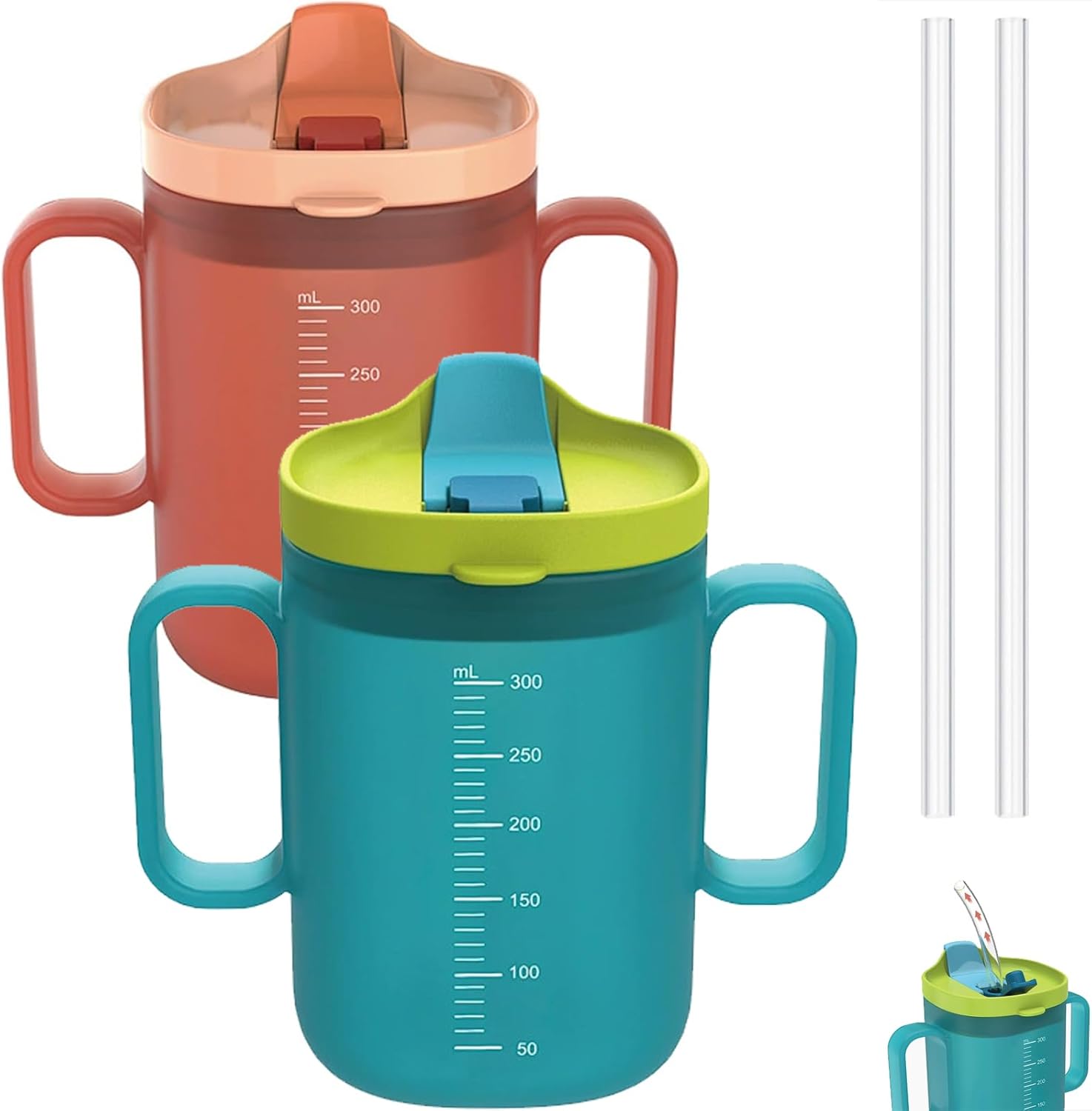
Spill-Proof Adult Cup
Seniors can improve night driving by scheduling regular eye exams and ensuring their vehicle’s headlights are clean and properly aimed. Additionally, planning routes to favor well-lit streets and knowing when to use rideshare services helps maintain safety and independence.
Improving night driving for seniors begins with proactive preparation, such as scheduling regular eye exams and ensuring your vehicle’s lighting systems are in top condition. By adjusting your habits and planning routes in advance, you can maintain your independence while significantly enhancing your safety and confidence on the road after dark.
- Vision Care: Schedule annual eye exams to manage glare and contrast sensitivity.
- Vehicle Prep: Keep headlights, taillights, and windshields clean and clear.
- Smart Planning: Choose familiar, well-lit routes and avoid driving in poor weather.
- Medication Check: Consult your doctor about side effects that might affect driving.
- Alternative Transport: Use rideshare or family rides when driving feels uncomfortable.
Understanding the Challenges of Night Driving for Older Adults
Why Vision and Reaction Times Shift After 65
As we age, our eyes undergo natural physiological changes that can make driving after sunset more difficult. The pupils often become smaller, allowing less light to enter the eye, which reduces our ability to see clearly in dim environments. Additionally, the lens inside the eye may become less transparent, which can cause images to appear slightly blurred or hazy.
Beyond vision, cognitive processing and physical reaction times can also shift. It takes longer for the brain to interpret complex visual cues in low light, such as identifying a pedestrian on a dark street or reacting to sudden brake lights ahead. Recognizing these changes is not a sign of failure; it is a vital part of staying safe behind the wheel.
The Impact of Glare and Contrast Sensitivity
One of the most common complaints among older drivers is increased sensitivity to glare. When light from oncoming headlights or streetlamps hits the eye, it can cause a “starburst” effect or temporary blindness that is harder to recover from as we age. This is often linked to a decrease in contrast sensitivity, which is the ability to distinguish an object from its background.
When contrast sensitivity drops, road markings, curbs, and dark-colored objects become much harder to see. If you find yourself frequently squinting or feeling anxious when driving toward oncoming traffic, you are experiencing a common physiological challenge that requires practical adjustments.
Immediate Steps: The Senior Night Driving Safety Checklist
Vehicle Maintenance Essentials for Better Visibility
Your vehicle is your primary tool for safety. Start by ensuring your headlights are clean; foggy or yellowed plastic lenses can significantly reduce light output. If your headlights seem dim, consult a qualified mechanic to check for bulb degradation or alignment issues.
- Clean all exterior lights, including brake lights and turn signals.
- Ensure your windshield is streak-free inside and out to reduce glare.
- Check that your cabin lights are dimmed so they don’t reflect on the windshield.
- Verify that your wiper blades are in good condition for rainy nights.
Personal Preparation Before You Turn the Key
Safety starts before you even enter the car. Ensure you are well-rested, as fatigue significantly compounds the visual challenges of the night. If you are feeling tired, it is always better to postpone your trip or choose an alternative method of travel.
Practical Adjustments to Enhance Nighttime Road Safety
Optimizing Your Vehicle Interior and Dashboard Settings
Bright dashboard lights can be a major distraction at night. Most vehicles have a dial or digital setting to dim your instrument cluster. By lowering the brightness, you help your eyes stay adjusted to the darkness outside, making it easier to spot hazards. Also, keep the interior cabin lights off while driving to prevent reflections on your glass.
Choosing the Right Eyewear and Anti-Glare Solutions
Speak with your eye doctor about lens coatings that reduce glare. Anti-reflective (AR) coatings can make a world of difference for night driving. Avoid wearing tinted or “night-vision” yellow glasses unless specifically recommended by a professional, as these can actually reduce the amount of light reaching your eyes, making it harder to see in very dark conditions.
The “Slow and Steady” Approach: Adjusting Driving Habits
Increase your following distance at night. Because your reaction time may be slower and visibility is reduced, leaving more space between you and the car ahead gives you the extra seconds needed to respond to sudden stops.
When to Avoid the Road: Recognizing Warning Signs
Physical and Cognitive Red Flags During Night Trips
Pay attention to how you feel after a nighttime drive. If you find yourself feeling unusually exhausted, experiencing headaches, or feeling nervous to the point of gripping the steering wheel tightly, these are red flags. Frequent near-misses or difficulty staying in your lane are also clear signs that you should limit or stop driving after sunset.
The Role of Medications and Medical Conditions
Many common medications for blood pressure, allergies, or sleep can cause drowsiness or blurred vision. Always consult your pharmacist or doctor to understand how your specific prescriptions might affect your ability to drive safely at night.
Route Planning and Environmental Awareness
Prioritizing Well-Lit Streets and Familiar Roads
You don’t have to drive the most direct route if it isn’t the safest. Plan your trips to favor well-lit main roads rather than dark, winding backstreets. Sticking to familiar routes reduces the mental load, allowing you to focus more on your surroundings rather than navigating complex turns.
Navigating Inclement Weather and Nighttime Hazards
Rain, fog, or snow at night creates a “perfect storm” for visibility issues. Rain reflects headlight beams, causing massive glare, while fog scatters light. If the weather is poor, it is a smart, mature decision to stay home or utilize other transport options.
Professional Guidance and Vehicle Adaptations
Seeking a Clinical Driving Evaluation
If you or your family members are concerned about your driving safety, a professional evaluation is an excellent step. A certified driver rehabilitation specialist can assess your physical and visual skills and provide personalized recommendations to keep you safe.
Consult a doctor or an occupational therapist if you notice consistent struggles with depth perception or reaction speeds. They can provide resources for senior living mobility support or suggest local driving assessments.
Adaptive Equipment and Technology for Enhanced Safety
Modern vehicles come with advanced features that can act as a “second pair of eyes.” Blind-spot monitoring, automatic high beams, and rearview cameras are incredibly helpful for older drivers. If your current car lacks these, consider talking to a mobility equipment professional about retrofitting aids, such as larger mirrors or parking sensors.
Navigating the Family Conversation About Driving Limits
How to Discuss Night Driving Concerns with Loved Ones
These conversations are best held when everyone is calm. Focus on “we” rather than “you.” For example, say, “I want us to feel confident about our safety, so let’s look at some ways to make our evening outings easier.” Frame the discussion around maintaining independence through better planning rather than taking away privileges.
Collaborating on a Transportation Plan
- Carpooling with friends for events.
- Using rideshare apps for evening errands.
- Planning social activities during daylight hours.
- Driving while tired or medicated.
- Taking long trips alone at night.
- Ignoring signs of visual fatigue.
Exploring Mobility Alternatives for Evening Needs
Utilizing Rideshare and Community Transportation Services
Rideshare services like Uber or Lyft are excellent for evening trips. If you prefer something more specialized, many communities offer senior-specific transportation services that provide door-to-door assistance. Utilizing these services allows you to attend evening events without the stress of navigating the road yourself.
Balancing Independence with Safety
True independence is about having the freedom to go where you want, safely. By embracing alternatives, you aren’t “giving up”—you are choosing a smarter way to stay connected to your community. Whether you are looking at ashton grove senior options or simply using local transit, there are many ways to remain mobile.
Final Recap: Maintaining Your Mobility and Confidence
Improving night driving safety is about preparation and self-awareness. By keeping your vehicle maintained, staying updated on your eye health, and knowing when to choose an alternative, you can continue to enjoy your active lifestyle. Remember, your safety is the most important factor in maintaining your long-term independence.
Frequently Asked Questions
Natural changes like smaller pupils, decreased contrast sensitivity, and slower reaction times make it more difficult to see clearly and respond to hazards in low-light conditions.
Generally, no. Yellow-tinted glasses can reduce the amount of light reaching your eyes, which may make it harder to see in the dark unless a doctor specifically recommends them.
Keep your windshield clean, adjust your side mirrors, and ask your eye doctor about anti-reflective lens coatings. Also, avoid looking directly at oncoming headlights.
You should consider an evaluation if you experience frequent near-misses, increased anxiety, or if family members notice consistent difficulties with your driving performance.
Approach the conversation calmly and focus on shared safety goals. Use ‘we’ language to discuss creating a transportation plan that supports your ongoing independence.
You can use rideshare services, community transportation programs, or carpool with friends and family to ensure you reach your evening destinations safely.