
Humidifier vs Vaporizer: Which Is Better for Seniors?


Orthopedic Sandals

Electric Recliner Lift Chair

Puzzle Book for Seniors
Humidifier vs Vaporizer is an important comparison for seniors who want to add moisture to dry indoor air. Both devices can help ease the discomfort of a dry nose, throat, and skin. However, they work in different ways.
A humidifier may use cool mist, a wick, or another method to add moisture. A vaporizer heats water to make steam. For older adults, the best choice depends on ease of use, cleaning needs, room conditions, and the risk of burns.
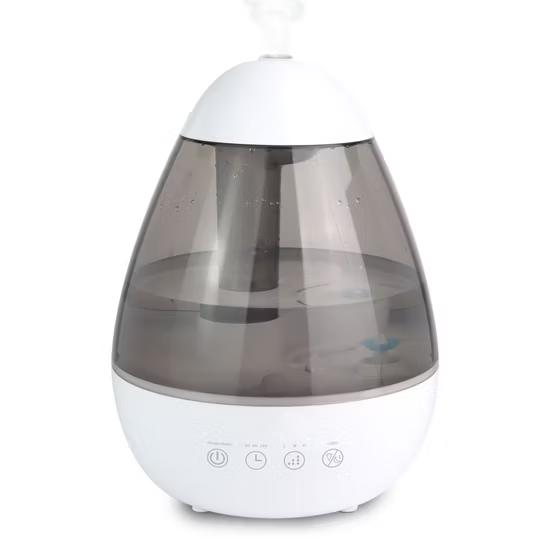
Humidifier vs Vaporizer at a Glance
Both devices add moisture to indoor air. The main differences are how they work, how they feel to use, and the care they need.
| Feature | Humidifier | Vaporizer |
|---|---|---|
| How it works | Adds moisture through mist or evaporation | Heats water to make steam |
| Heat | Cool-mist models do not boil water | Uses hot water and steam |
| Burn risk | Lower for cool-mist models | Higher due to hot water |
| Noise | Depends on the type | Depends on the model |
| Cleaning | Needs regular cleaning | Needs regular cleaning |
| Mineral buildup | Varies by type | Usually lower mineral release |
| Ease of use | Often simple | May need extra care when hot |
| Best fit | Everyday moisture with no hot steam | People who prefer steam and can manage the heat risk |
For many seniors, a simple cool-mist humidifier is the more practical starting point. A vaporizer may suit someone who prefers warm steam, but hot water needs careful handling.
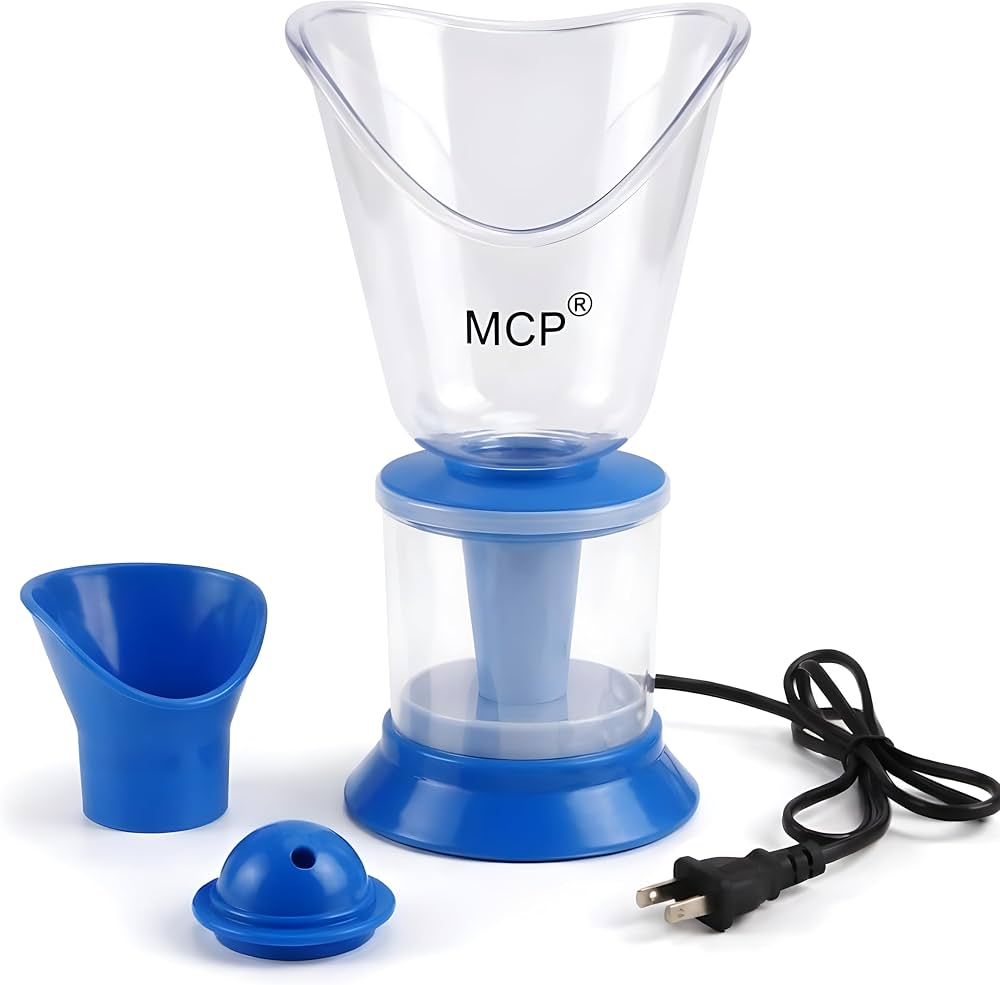
Cool-Mist Humidifier Review
A cool-mist humidifier adds moisture without boiling water. Some models use ultrasonic vibrations, while others use a fan and a wet wick. These designs suit different rooms and care routines.
Ease of Use
Many cool-mist models have simple controls and a water tank. Some also offer a timer or automatic shutoff. Features vary, so check the controls before buying.
A model with a wide tank opening may be easier to refill and clean. A light unit with a secure handle may also help someone who has trouble lifting heavy objects.
Key Strengths
- No boiling water during normal operation.
- Often a good fit for daily use.
- Many sizes are available for bedrooms and living rooms.
- Some models have simple controls and automatic shutoff.
- No hot steam is released by cool-mist designs.
Potential Drawbacks
- The water tank needs regular cleaning.
- Some models need filters or replacement parts.
- Ultrasonic models may leave white mineral dust when used with mineral-rich water.
- Small tanks may need frequent refilling.
The main point is simple: a cool-mist model avoids the hot-water hazard, but it still needs proper care.
Steam Vaporizer Review for Older Adults
A steam vaporizer heats water and releases steam into the air. This is different from a cool-mist unit, even though both add moisture to a room.
Ease of Use
A vaporizer may have basic controls, but the hot water makes placement and handling more important. It should sit on a stable surface away from walking paths, bedding, and places where someone might knock it over.
Refilling and cleaning may also require waiting until the unit cools. Anyone with limited grip, balance, or mobility may prefer help with these tasks.
Key Strengths
- Adds moisture by heating water.
- Typically releases fewer minerals into the air than ultrasonic models.
- May appeal to people who prefer warm steam.
- Some models have straightforward controls.
Potential Drawbacks
- Hot water and steam can cause burns.
- Spilled water may create a serious hazard.
- The unit must cool before safe handling and cleaning.
- It may be less suitable for people with balance or dexterity difficulties.
A vaporizer is not automatically better because it heats water. The extra heat creates a real handling risk, especially when the unit sits near a bed or walking route.
Which Is Easier for Seniors to Use?
Ease of use depends on the exact model and the person’s needs. Still, cool-mist humidifiers often have an advantage because they avoid hot water during normal operation.
| Daily task | Cool-Mist Humidifier | Steam Vaporizer |
|---|---|---|
| Filling the tank | Usually straightforward | Requires care around hot parts |
| Moving the unit | Easier when the model is light | Should be moved only when cool and empty |
| Cleaning | Regular cleaning needed | Regular cleaning needed after cooling |
| Handling spills | Water may wet the floor | Hot water can cause burns |
| Nighttime use | No boiling water | Must be placed with extra care |
For seniors with weak grip, poor balance, or limited mobility, a lightweight model with a large opening and simple controls may be the better choice.
Caregivers can help by setting up the unit, placing it safely, and making cleaning part of a routine.
Performance Comparison
Both devices add moisture, so neither is automatically more effective in every room. The result depends on the model, its output, room size, and current humidity.
A humidifier may use cool mist or evaporation. A vaporizer uses heat to create steam. That difference affects how the device works, but it does not prove that one will provide greater comfort for every person.
Look for these details before buying:
- Room coverage: Match the rated room size to the space.
- Moisture output: Check whether the unit can meet the room’s needs.
- Noise: Look for a quiet model if it will run in a bedroom.
- Controls: Choose settings that are easy to read and adjust.
- Humidity control: A built-in humidistat can help prevent excess moisture.
The goal is comfortable indoor humidity, not the largest possible amount of mist.
Comfort, Accessibility, and Senior-Friendly Design
A good device should fit the user’s daily routine. It should not create extra work or make the room harder to move around in.
A few design details can make a real difference:
- Large controls: Easier to see and operate.
- Easy-fill tank: Less lifting and fewer spills.
- Stable base: Helps reduce the chance of tipping.
- Simple cleaning: Fewer awkward parts can save effort.
- Clear water-level indicator: Makes it easier to know when a refill is needed.
- Convenient placement: Keeps cords and the unit away from walking routes.
A cool-mist humidifier is often the safer choice when someone may accidentally knock over the device. A vaporizer needs extra care because the water can be hot.
Features Comparison
Features can improve convenience, but they should not make the device harder to maintain.
| Feature | Humidifier | Vaporizer |
|---|---|---|
| Cool mist | Available on cool-mist models | No |
| Steam output | Not on standard cool-mist models | Yes |
| Humidistat | Available on some models | Depends on the model |
| Filter or wick | Needed on some models | Often not needed, but varies |
| Automatic shutoff | Available on some models | Available on some models |
| Easy-clean tank | Depends on design | Depends on design |
Check the product manual before assuming a feature is included. Product design varies widely, even within the same category.
Price, Maintenance, and Long-Term Value
The total cost includes more than the price on the box. Water use, replacement filters, cleaning supplies, and electricity can affect long-term value.
| Cost factor | Humidifier | Vaporizer |
|---|---|---|
| Purchase price | Varies by type and size | Varies by model |
| Electricity | Depends on technology | Used to heat water |
| Replacement parts | Filters or wicks on some models | Depends on design |
| Cleaning supplies | Needed | Needed |
| Long-term care | Regular cleaning and possible filter changes | Regular cleaning and safe cooling before handling |
A basic model may offer better value than a feature-heavy one. Before buying, check replacement-part costs and whether the tank can be cleaned without much effort.
Who Should Choose a Humidifier?
A cool-mist humidifier may be the better choice for seniors who:
- Want to add moisture without hot steam.
- Prefer a device for regular bedroom use.
- Need simple controls and easy refilling.
- Want to reduce the risk of burns from heated water.
- Can clean the unit regularly or have help with maintenance.
Choose a model with a stable base, an easy-to-open tank, and controls that are clear and simple.
Who Should Choose a Vaporizer?
A steam vaporizer may suit people who:
- Prefer a device that heats water to create steam.
- Can safely manage hot equipment.
- Have a stable, secure place for the unit.
- Do not mind waiting for the device to cool before handling it.
- Are comfortable following its cleaning and safety instructions.
A vaporizer is less appealing when someone has trouble lifting, balancing, or handling hot water. In those cases, a cool-mist model is usually the more practical option.
Humidifier vs Vaporizer — Final Verdict
The best choice depends on the user’s needs, but cool-mist humidifiers have a practical advantage for many seniors because they avoid the burn hazard of boiling water.
- Best for everyday senior use: Cool-mist humidifier.
- Best for avoiding hot-water burns: Cool-mist humidifier.
- Best for people who prefer steam: Vaporizer, provided it can be handled safely.
- Best for long-term value: Depends on purchase price, electricity use, filters, and maintenance.
- Best for easy handling: A lightweight cool-mist model with a simple tank and controls.
Neither option should be treated as a cure for an illness. Both are tools for managing indoor humidity.
Scoring Summary
These are general editorial assessments of the two device types, not laboratory results or hands-on test scores.
| Category | Cool-Mist Humidifier | Vaporizer |
|---|---|---|
| Ease of use | 9/10 | 7/10 |
| Senior-friendly design | 9/10 | 6/10 |
| Moisture output | Model-dependent | Model-dependent |
| Maintenance | 7/10 | 7/10 |
| Burn safety | 9/10 | 5/10 |
| Value | 8/10 | 8/10 |
The scores are indicative rather than measured. Individual models can perform better or worse, and maintenance depends on the design.
How We Evaluate Products
This comparison focuses on practical factors that matter when choosing a home appliance for an older adult.
We consider:
- Ease of operation and refilling.
- Burn risks and safe placement.
- Cleaning and replacement-part needs.
- Moisture output and room suitability.
- Purchase cost and long-term upkeep.
The comparison uses general product characteristics and public guidance. No personal testing or hands-on experience is claimed.
Senior-Specific Buying Considerations
Before choosing either device, check a few important details.
Physical Effort
A full tank can be heavy. Choose a size the user can lift safely, or arrange help with refilling.
Controls
Look for clearly marked buttons and easy-to-read settings. Complicated controls can make daily use frustrating.
Maintenance
Both types need regular care. The US Environmental Protection Agency recommends emptying portable units daily and cleaning them regularly to reduce the buildup of microorganisms and minerals. Follow the specific manufacturer’s instructions.
Storage and Setup
Place the unit on a stable, level surface away from walking paths. Keep cords out of the way and allow enough room to clean and refill the tank.
Room Humidity
Too much moisture can encourage mold and dust mites. Aim to keep indoor relative humidity at or below 50%, and reduce output if condensation appears on windows or walls.
Common Buying Mistakes
Avoid these mistakes when comparing humidifiers and vaporizers.
- Choosing by price alone: A cheap model may have a tank that is hard to clean.
- Ignoring burn risks: Hot steam and spilled water can cause serious burns.
- Buying a unit that is too large: Match the device to the room.
- Overlooking cleaning needs: A water tank requires regular attention.
- Ignoring replacement costs: Check whether filters or other parts need replacing.
- Using too much moisture: Excess humidity can create damp surfaces and encourage mold.
Safety Tips for Seniors
Safety matters with both devices, but vaporizers need extra care because they heat water.
- Keep a vaporizer on a stable surface where it cannot be knocked over.
- Do not move or refill a hot unit.
- Keep electrical cords away from walking paths and wet areas.
- Unplug the device before cleaning.
- Follow the manual for cleaning and water choice.
- Stop using the device if it causes respiratory symptoms and seek medical advice.
If a senior has a lung condition or persistent breathing symptoms, consult a healthcare professional about whether a humidifier is appropriate. A humidifier can add moisture, but it does not replace medical care.
Frequently Asked Questions
Is a humidifier better than a vaporizer for seniors?
A cool-mist humidifier is often the more practical choice because it avoids hot steam and boiling water. The best option still depends on the user’s needs and the specific model.
What is the main difference between a humidifier and a vaporizer?
A humidifier can use several methods to add moisture to the air. A steam vaporizer heats water to produce steam. Cool-mist humidifiers do not boil water.
Does a vaporizer use more electricity?
A steam vaporizer uses electricity to heat water. The actual running cost depends on its power rating and how long it operates. Compare the wattage of the models you are considering.
Do both devices need cleaning?
Yes. Both need regular cleaning to reduce buildup and microbial growth. Follow the product manual and use clean water as directed.
Can a humidifier help with a dry nose and throat?
Adding moisture to dry indoor air may ease discomfort in the nose and throat. However, results vary, and a humidifier does not treat the underlying cause of persistent symptoms.
Is cool mist safer than hot steam?
Cool mist avoids the burn risk associated with hot water and steam. This can make it a sensible choice for seniors who have difficulty with balance, grip, or safe handling.
Conclusion
In the Humidifier vs Vaporizer comparison, a cool-mist humidifier is often the more practical choice for seniors who want to add moisture to indoor air without handling boiling water. It still needs regular cleaning and careful humidity control.
A vaporizer may suit someone who prefers steam and can handle the heat safely. Before choosing either device, consider the user’s mobility, cleaning routine, room size, and comfort. The right appliance is one that fits the person’s needs and can be used safely every day.