
Hospital Bed vs Regular Bed for Seniors: Which?


Spill-Proof Adult Cup

Adjustable Bed Frame

Mattress Topper Memory Foam
For seniors, Hospital Bed vs Regular Bed is often less about sleep and more about daily comfort and care. A regular bed works well for normal sleeping, while a hospital bed can offer more control over bed height and body position.
The right choice depends on how the bed will be used. A senior who mainly wants a comfortable place to sleep may prefer a regular bed. Someone who needs frequent position changes or help from a caregiver may benefit from a hospital bed.
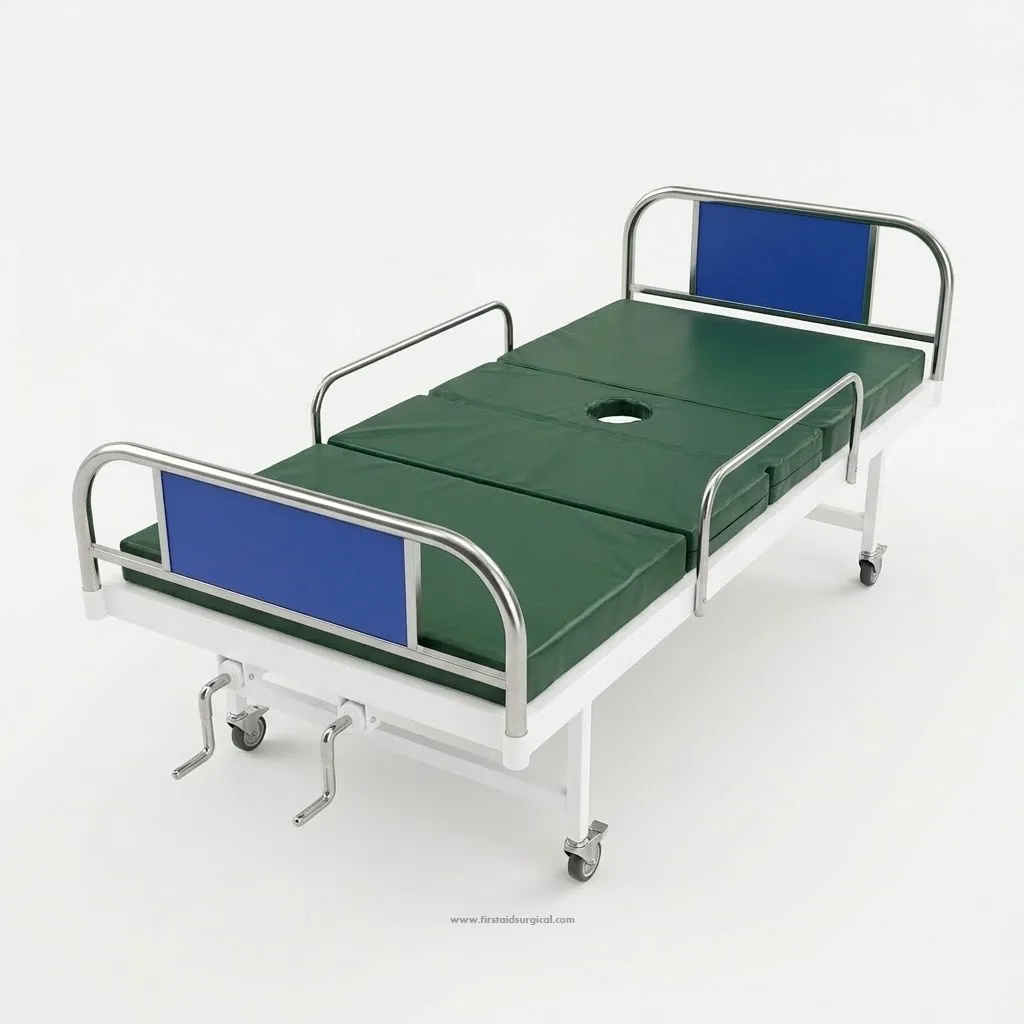
Quick Comparison
A hospital bed is usually the more practical choice when positioning, transfers, or caregiver access are important. Many models can raise or lower the bed and adjust the head or foot sections.
A regular bed is simpler and usually feels more like a normal bedroom bed. It can be a better fit for seniors who do not need medical-style adjustments or care features.
The best bed is the one that matches the user’s daily needs, not simply the bed with more features.
Hospital Bed vs Regular Bed At a Glance
Here is a simple look at the main differences.
| Feature | Hospital Bed | Regular Bed |
|---|---|---|
| Height adjustment | Usually available | Usually fixed |
| Head adjustment | Usually available | Usually fixed |
| Foot adjustment | Often available | Usually fixed |
| Bed rails | Available on some models | Usually separate |
| Caregiver access | Easier | More limited |
| Appearance | Medical-style | Bedroom-style |
| Setup | More involved | Usually simple |
| Best use | Care and positioning | Everyday sleeping |
Hospital Bed: A Practical Choice for Home Care
A hospital bed is designed around care, positioning, and easier access. Home-use hospital beds can include electric controls that change bed height and surface position.
This can make a major difference when a senior spends a lot of time in bed or needs help from another person.
Ease of Use
Electric hospital beds can let the user or caregiver adjust the bed with a control. Raising the head can make sitting up easier. Raising or lowering the whole bed can also help with transfers and caregiver tasks.
The learning curve is higher than with a regular bed. There are more controls, moving parts, and safety considerations.
Key Strengths
- Adjustable head and foot positions
- Height adjustment on many models
- Easier caregiver access
- Can support different care routines
- Some models include side rails or assist features
- Useful when frequent repositioning is needed
Potential Drawbacks
- More expensive and complex than a basic bed
- Can look more clinical
- Takes more planning to install
- Electric models need power
- Rails and accessories require careful selection
- Some models have limited mattress and size choices
Hospital beds are also medical devices in the United States, and FDA guidance highlights the importance of proper bed, mattress, rail, and accessory combinations.
Regular Bed: Simple and Familiar for Everyday Sleep
A regular bed is designed mainly for sleeping. It normally has a fixed frame and a separate mattress, with no medical-style height or position controls.
For an independent senior who can get in and out of bed without much difficulty, this simple design may be all that is needed.
Ease of Use
There is very little to learn. The user simply gets into bed, adjusts pillows or bedding, and sleeps.
This simplicity can be useful. There are fewer controls, fewer moving parts, and fewer accessories to manage.
Key Strengths
- Familiar bedroom design
- Simple operation
- Wide choice of mattresses and frames
- Usually easier to match with bedroom furniture
- Easy to replace or upgrade
- Good fit for normal sleeping needs
Potential Drawbacks
- Fixed height on most models
- No built-in head or foot adjustment
- Less convenient for caregivers
- Getting in or out may be harder if the height is not suitable
- Does not provide the positioning options of a hospital bed
Which Is Easier for Seniors to Use?
For basic sleeping, a regular bed is easier because there is almost nothing to operate.
For care-related tasks, a hospital bed may be easier. Height adjustment can help a caregiver work at a more suitable level. Head and foot adjustments can also reduce the need to use pillows or manually reposition the entire body.
This difference matters most for seniors who spend long periods in bed or need regular assistance.
A senior with good mobility may not gain much from all these controls. A senior who needs frequent assistance may find them much more useful.
Performance Comparison
The two beds are built for different jobs.
A regular bed performs its main job well: providing a stable surface for sleep. Its simplicity is one of its main advantages.
A hospital bed adds positioning and care functions. Depending on the model, it may allow the head, foot section, and overall bed height to be adjusted.
| Performance Area | Hospital Bed | Regular Bed |
|---|---|---|
| Sleeping | Good | Good |
| Position adjustment | Excellent | Limited |
| Height adjustment | Usually available | Usually fixed |
| Caregiver access | Better | Basic |
| Transfer support | Better suited | Depends on frame height |
| Everyday simplicity | Moderate | Excellent |
The hospital bed has more functional flexibility. The regular bed has fewer features but also fewer things to operate.
Comfort, Accessibility, and Senior-Friendly Design
Comfort depends heavily on the mattress, bed height, and personal preference.
A regular bed can provide a more familiar bedroom feel. It also offers a large range of mattress types and furniture styles.
A hospital bed focuses more on function. Adjustable positioning can make it easier to sit up or change position. Height adjustment may also help with transfers and caregiving.
For someone who values a normal bedroom appearance, a regular bed may feel more natural. For someone who values adjustability, the hospital bed offers more practical control.
Features Comparison
The biggest difference is not the mattress itself. It is the bed frame and its functions.
| Feature | Hospital Bed | Regular Bed |
|---|---|---|
| Head adjustment | Common | Usually no |
| Foot adjustment | Common on many models | Usually no |
| Height adjustment | Common on many models | Usually no |
| Side rails | Available on some models | Usually separate |
| Electric controls | Available on many models | No |
| Care-focused design | Yes | No |
Not every hospital bed has the same features. Check the exact model before buying.
Price, Maintenance, and Long-Term Value
A regular bed is often simpler to own. There are many frame and mattress choices, and replacement parts are generally easier to find.
A hospital bed can cost more because it includes additional mechanisms and care-related features. Electric models may also have motors, controls, wheels, rails, and other components that need attention.
Maintenance can also be different. Hospital bed mattresses and accessories should be compatible with the specific bed system. FDA guidance warns that bed rails, mattresses, and frames are not automatically interchangeable.
| Cost Factor | Hospital Bed | Regular Bed |
|---|---|---|
| Initial cost | Usually higher | Often lower |
| Accessories | More likely needed | Fewer |
| Maintenance | More components | Simpler |
| Replacement mattress | Model-dependent | Wide choice |
| Long-term flexibility | Care-focused | Furniture-focused |
The better value depends on whether the extra features will actually be used.
Who Should Choose a Hospital Bed?
Choose a hospital bed if:
- Bed height adjustment would make transfers easier.
- The user spends a lot of time in bed.
- Frequent position changes are important.
- A caregiver needs better access to the user.
- Head or foot adjustment would be useful.
- A care-focused bed is more practical than a normal bedroom bed.
Who Should Choose a Regular Bed?
Choose a regular bed if:
- The main purpose is normal sleeping.
- The user can get in and out of bed comfortably.
- Adjustable positioning is not needed.
- A traditional bedroom appearance matters.
- You want a wider range of mattress and furniture choices.
- Simplicity is more important than medical-style features.
Hospital Bed vs Regular Bed — Final Verdict
Best for care and positioning: Hospital bed
Best for normal everyday sleeping: Regular bed
Best for caregiver access: Hospital bed
Best for simplicity: Regular bed
Best value: Depends on actual needs
A hospital bed is not automatically the better choice simply because it has more features. Those features matter most when the senior actually needs adjustable positioning, height control, or easier caregiver access.
A regular bed can be the more sensible option when the senior is independent and mainly needs a comfortable place to sleep.
Scoring Summary
These scores are a practical editorial comparison, not laboratory test results.
| Category | Hospital Bed | Regular Bed |
|---|---|---|
| Ease of Use | 8/10 | 9/10 |
| Senior-Friendly Design | 9/10 | 7/10 |
| Positioning | 10/10 | 5/10 |
| Caregiver Access | 10/10 | 6/10 |
| Simplicity | 6/10 | 10/10 |
| Value for General Sleeping | 7/10 | 9/10 |
The scores reflect the different purposes of the two bed types rather than treating one as universally better.
How We Evaluate Products
This comparison focuses on practical factors that can affect everyday senior use.
We consider:
- Ease of use
- Accessibility
- Comfort
- Safety
- Positioning
- Caregiver access
- Maintenance
- Setup
- Long-term practicality
- Overall value
No hands-on testing is claimed here. The comparison is based on product-category characteristics and available safety guidance.
Senior-Specific Buying Considerations
Before choosing a bed, think about how it will be used every day.
Physical Effort
Consider how easily the senior can get into and out of bed. Bed height can make a difference during transfers.
Controls
If choosing an electric hospital bed, check whether the controls are clear and easy to reach.
Maintenance
Hospital beds have more moving parts than regular beds. Check how the bed, mattress, rails, and accessories should be maintained.
Setup
Measure the room before buying. Check the bed’s dimensions, clearance, power needs, and access around the bed.
Safety
Do not assume that bed rails automatically make a bed safer. FDA guidance notes that rails can create entrapment and other risks and recommends assessing their use for the individual.
Common Buying Mistakes
Avoid these mistakes when comparing the two:
- Choosing a hospital bed when its extra features will never be used
- Choosing a regular bed without considering transfer height
- Buying a hospital bed without checking room space
- Using incompatible mattresses or accessories
- Adding bed rails without checking whether they are appropriate
- Focusing only on the purchase price
- Forgetting the needs of the caregiver
Safety
Hospital beds need more attention to safety than a simple fixed bed because they can include moving sections, rails, wheels, and powered controls.
Bed rails deserve special care. FDA reports that hospital-bed rail systems can create risks such as entrapment, strangulation, and falls when used incorrectly.
Use the mattress and accessories recommended for the specific bed. Do not modify the bed or add incompatible equipment without checking the manufacturer’s instructions.
If the bed is being chosen because of a significant mobility or care need, discussing the setup with an appropriate healthcare professional or qualified equipment provider can be helpful.
Conclusion
The main difference between a hospital bed and a regular bed is function. A regular bed is designed mainly for comfortable sleep, while a hospital bed adds positioning, height adjustment, and care-focused features.
For an independent senior, a regular bed may provide all the simplicity and comfort needed. For someone who needs frequent assistance, position changes, or caregiver support, a hospital bed may offer much more practical flexibility.