
Healthiest Wet Cat Food for Senior Cats


OMRON Bronze Upper Arm Blood Pressure Monitor

RMS 32 Inch Reacher Grabber, 2 Pack

Amazfit Bip 6 Smart Watch, 1.97" AMOLED Display, GPS
Senior cats need special nutrition to stay strong and comfortable as they age. The healthiest wet cat food for senior cats supports joint health, digestion, and energy levels while being easy to chew and digest. Look for high-quality proteins, omega fatty acids, and limited ingredients to meet your aging companion’s changing needs.
Key Takeaways
- Hydration is crucial: Wet food helps senior cats maintain proper hydration, which supports kidney function and overall health.
- High-quality protein matters: Senior cats still need strong muscle support, so choose foods with named meat sources as the first ingredient.
- Limited ingredients reduce risks: Fewer additives mean less chance of triggering allergies or sensitivities common in older cats.
- Joint and mobility support: Ingredients like glucosamine and chondroitin help ease stiffness and improve movement.
- Low sodium content: Helps protect heart and kidney health, especially important for aging felines.
- Easy-to-chew texture: Softer pâtés or shreds-in-juice are ideal for cats with dental issues or missing teeth.
- Consult your vet: Always check with a veterinarian before making major diet changes, especially if your cat has chronic conditions.
As your beloved cat enters their golden years, their nutritional needs begin to shift. Just like humans, senior cats (typically 7 years and older) require food that supports not only basic nutrition but also joint health, digestion, and energy levels. One of the most effective ways to meet these evolving needs is by feeding them the healthiest wet cat food for senior cats. Wet food offers superior hydration, easier chewing, and often better nutrient absorption—making it an ideal choice for aging felines.
Unlike dry kibble, which can contain up to 10% moisture, premium wet cat food delivers over 70%, helping prevent urinary tract issues and supporting kidney function. This added fluid intake is especially vital for senior cats, who are more prone to dehydration due to reduced thirst drive and potential kidney decline. Plus, the soft texture makes mealtime less stressful for cats with dental pain or missing teeth—common concerns in older pets.
When choosing the best option, focus on whole-food ingredients, balanced macronutrients, and targeted supplements that address age-related challenges. Whether your cat struggles with weight management, stiff joints, or sensitive digestion, the right wet food can make a world of difference. Let’s explore what sets the truly healthy options apart and how to pick one that fits your senior cat’s unique lifestyle.
Key Takeaways
- Understanding healthiest wet cat food for senior cats: Provides essential knowledge
📑 Table of Contents
- Why Wet Food Is Ideal for Senior Cats
- Top Ingredients That Support Senior Cat Health
- How to Choose the Best Brand for Your Senior Cat
- Practical Tips for Transitioning to Senior Wet Food
- Top Recommended Brands (With Examples)
- Common Mistakes to Avoid When Feeding Seniors
- Conclusion: Small Choices, Big Impact
Why Wet Food Is Ideal for Senior Cats
Wet cat food isn’t just a preference—it’s a necessity for many senior felines. As cats grow older, their bodies undergo subtle but significant changes that affect how they eat, absorb nutrients, and stay hydrated. Wet food directly addresses several of these age-related concerns in one convenient package.
First and foremost, hydration takes center stage. Dehydration is a leading cause of health decline in older cats and can accelerate kidney problems. Since senior cats often don’t drink enough water on their own, wet food becomes a powerful tool to boost fluid intake. The high moisture content mimics natural prey, encouraging cats to consume more water without even realizing it.
Second, wet food typically features softer textures—like pâté, loaf-style, or shredded varieties—that are gentler on aging teeth and gums. Many senior cats experience tooth loss, gum disease, or oral discomfort, making traditional dry kibble difficult or painful to eat. Wet food eliminates this struggle, ensuring your cat gets the calories and nutrients they need without stress.
Finally, wet diets are generally easier to digest. Older cats may have slower metabolisms and reduced enzyme production, so highly processed or grain-heavy foods can sit poorly in their systems. High-quality wet foods use simple, recognizable ingredients that break down quickly and provide sustained energy throughout the day.
In short, the healthiest wet cat food for senior cats combines hydration, comfort, and digestibility into every bite—laying the foundation for longer, happier years together.
Top Ingredients That Support Senior Cat Health
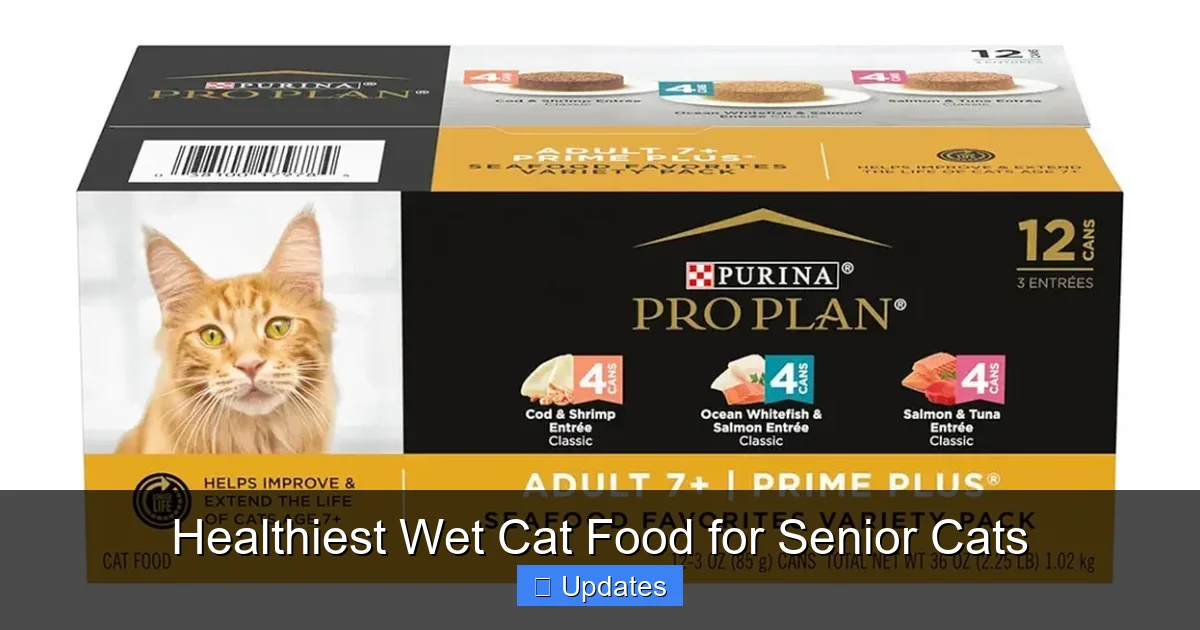
Visual guide about Healthiest Wet Cat Food for Senior Cats
Image source: cats-magazine.com
Not all wet cat foods are created equal. To truly nourish your aging feline, look for formulations packed with science-backed ingredients that target age-specific health issues. Here’s what to prioritize:
High-Quality Animal Protein
Protein remains non-negotiable for senior cats. Unlike younger animals, older felines lose muscle mass faster—even when they’re eating well. Aim for foods where real meat (like chicken, turkey, or salmon) is listed as the #1 ingredient. Avoid vague terms like “meat by-products” or “animal digest.” Instead, choose brands that specify whole meats or organs, which offer complete amino acid profiles essential for maintaining lean body mass.
For example, a formula featuring deboned chicken as the primary ingredient ensures your cat gets easily digestible protein without fillers or artificial flavorings. This supports everything from immune function to coat shine—key indicators of overall wellness in seniors.
Omega-3 Fatty Acids
These essential fats do double duty in senior cat care. Found naturally in fish oil and flaxseed, omega-3s reduce inflammation throughout the body, which helps ease joint stiffness and supports brain health. They also promote healthy skin and a glossy coat, counteracting the dullness that can come with age-related metabolic slowdown.
Look for explicit mentions of EPA and DHA—the active forms of omega-3s—on the ingredient label. Brands that include salmon, herring, or mackerel as ingredients often supply these benefits naturally, reducing the need for synthetic additives.
Glucosamine & Chondroitin
Joint degeneration is one of the biggest complaints among senior cats. Arthritis, stiffness, and reluctance to jump or climb become more frequent as cartilage wears thin. Supplements like glucosamine sulfate and chondroitin sulfate help rebuild joint tissue and reduce pain signals.
Some premium senior formulas include these compounds directly, while others rely on natural sources like green-lipped mussel or turmeric. Either way, regular inclusion supports mobility and encourages your cat to stay active—something crucial for mental stimulation and weight control.
Probiotics & Prebiotics
Digestive health often declines with age, leading to constipation, bloating, or irregular bowel movements. Probiotic cultures (live beneficial bacteria) and prebiotic fibers (which feed those good bacteria) work together to restore balance in the gut microbiome.
Foods containing chicory root extract, dried Bacillus subtilis, or yeast derivatives help maintain regularity and reduce gas. A happy tummy means better nutrient absorption and fewer trips to the vet for digestive upset.
Controlled Sodium Levels
Excess salt stresses the kidneys and heart—both vulnerable organs in older cats. Opt for low-sodium formulas, especially if your cat has early signs of kidney disease or hypertension. Most reputable brands list sodium content clearly on packaging or online product pages.
At the same time, avoid ultra-low-sodium foods that compensate with artificial flavors. True low-sodium options use herbs and natural seasonings instead, preserving taste without compromising health.
By focusing on these core ingredients, you ensure your senior cat receives comprehensive support tailored to their life stage. Remember: the healthiest wet cat food for senior cats doesn’t just fill the bowl—it actively promotes vitality.
How to Choose the Best Brand for Your Senior Cat
Visual guide about Healthiest Wet Cat Food for Senior Cats
Image source: catfoodhouse.com
With dozens of brands claiming to be “senior-friendly,” narrowing down choices can feel overwhelming. Start by reading ingredient panels carefully and comparing them side-by-side. But beyond labels, consider your cat’s individual health status, preferences, and any existing medical conditions.
If your cat has kidney disease, for instance, you’ll want a low-phosphorus, moderate-protein formula rather than a high-protein blend. Similarly, cats struggling to gain weight benefit from calorie-dense recipes enriched with healthy fats like chicken fat or fish oil. For picky eaters, rotating flavors (e.g., chicken, duck, salmon) keeps meals interesting without confusing their stomach.
Also pay attention to preservatives. While BHA/BHT are common in budget brands, opt for those using mixed tocopherols (natural vitamin E) or rosemary extract instead. These alternatives preserve freshness without introducing unnecessary chemicals.
Another smart strategy is checking third-party certifications like AAFCO statements or vet recommendations. Reputable companies publish full nutritional analyses and feeding guidelines based on life stage, so you know exactly what you’re getting. And don’t forget to consult your veterinarian—they can recommend specific brands based on bloodwork results or physical exams.
Ultimately, the best brand is one your cat will actually eat consistently. If they turn up their nose at the first offering, try another texture or flavor profile. Trial and error is normal, but persistence pays off when you find the right fit.
Practical Tips for Transitioning to Senior Wet Food
Visual guide about Healthiest Wet Cat Food for Senior Cats
Image source: catfoodhouse.com
Switching your cat’s diet should never happen overnight. Sudden changes trigger digestive upset, refusal to eat, or behavioral resistance. Instead, follow a gradual transition plan over 7–10 days to allow their system to adapt comfortably.
Begin by mixing a small amount of new wet food with their current diet—perhaps 25% new, 75% old. Monitor stool consistency, appetite, and energy levels daily. If all looks good, increase the ratio to 50/50 after three days, then 75/25, and finally go fully to the new formula.
Keep portions consistent during this period unless advised otherwise by your vet. Overfeeding during transitions can lead to obesity, especially in less-active seniors. Use kitchen scales to weigh food if you’re unsure about scoop sizes; commercial measuring cups vary widely in accuracy.
Tempting as it might be, resist adding tuna juice, broth, or treats to boost palatability—these extras disrupt balanced nutrition and can encourage begging. Stick to plain, unseasoned wet food to preserve its intended benefits.
Once transitioned, store opened cans in the refrigerator for up to 3 days and always refrigerate uneaten portions promptly. Never leave wet food out for more than 2 hours at room temperature to prevent bacterial growth.
Following these steps minimizes stress and maximizes acceptance of the healthiest wet cat food for senior cats. Your cat deserves a smooth, positive mealtime experience in their later years.
Top Recommended Brands (With Examples)
While individual cat preferences vary, several brands consistently earn praise for quality, transparency, and efficacy in senior populations. Below are five standout options worth considering:
Wellness Complete Health Senior Recipe: This pâté-style formula emphasizes real turkey and chicken as top ingredients, plus added glucosamine for joint support. It’s grain-free, free of artificial colors, and contains probiotics for digestive harmony. The mild flavor appeals to finicky eaters, and the 85% moisture content encourages drinking.
Hill’s Science Diet Adult 7+ Chicken Meal & Rice Recipe: Vet-recommended and clinically tested, this line provides balanced nutrition with controlled minerals to support kidney health. It includes L-carnitine to maintain lean muscle and antioxidants for immune defense. Available in both pâté and shreds-in-gravy textures.
Blue Buffalo Wilderness Senior Grain-Free: Made with deboned chicken, sweet potatoes, and peas, this recipe avoids grains entirely while delivering high animal protein. Free-range chicken liver adds variety, and fish meal supplies extra omega-3s. Note: some cats may react to legumes, so monitor closely.
Merrick Before Grain Senior Dry & Wet: Features real deboned beef as the first ingredient, followed by brown rice and oats for steady energy. Added probiotics aid digestion, and the shredded texture pleases cats with dental sensitivity. Also available in salmon & sweet potato variety.
Royal Canin Veterinary Diet Renal Support: Not a consumer brand per se, but invaluable for cats diagnosed with chronic kidney disease. Formulated with reduced phosphorus and high-quality protein sources, it slows disease progression when used under veterinary supervision. Often prescribed alongside regular senior maintenance foods.
Each of these represents a step toward optimal health using clean, purposeful ingredients. Rotate between two or three within the same brand family to keep mealtime exciting without risking tummy trouble.
Remember: no single product works for every cat. What matters most is matching the formulation to your pet’s specific needs—and staying consistent once you find the right match.
Common Mistakes to Avoid When Feeding Seniors
Even well-meaning owners occasionally slip up when caring for aging cats. Being aware of these pitfalls helps you avoid unnecessary health setbacks:
Overlooking Dental Needs: Assuming all wet food is automatically gentle enough ignores the fact that some cats still struggle with chewing. If your cat drops food mid-bite or seems reluctant to eat, ask your vet about dental exams or softened options.
Ignoring Weight Changes: Senior cats fluctuate in weight more easily than younger ones. Gaining too much leads to arthritis strain; losing too much indicates illness. Weigh your cat monthly and adjust portions accordingly—or switch to weight-management formulas if needed.
Skipping Vet Checkups: Nutrition decisions should always align with recent bloodwork and physical exams. What was safe last year may no longer suit your cat now.
Feeding Exclusively One Texture: Variety prevents boredom and ensures exposure to different nutrients. Try offering pâté one day, shreds the next, and gravy-based meals occasionally.
Neglecting Water Sources: Even on wet food, provide fresh water daily. Some seniors prefer running water (fountain style), while others stick to bowls. Experiment to see what they favor.
Avoiding these mistakes positions you as a proactive caregiver, maximizing the impact of whichever healthiest wet cat food for senior cats you select.
Conclusion: Small Choices, Big Impact
Choosing the right wet food isn’t about perfection—it’s about making thoughtful, informed decisions that honor your cat’s evolving needs. The healthiest wet cat food for senior cats does more than fill their bellies; it fuels their comfort, mobility, and joy each day. By prioritizing hydration, quality protein, joint support, and gentle digestion, you give them the best possible start to their senior journey.
Whether you opt for a mainstream vet-recommended brand or a boutique formula with innovative ingredients, consistency and compassion matter most. Observe your cat’s response, listen to your intuition, and never hesitate to involve your veterinarian in the process.
Your senior cat has given you years of love and companionship—now it’s your turn to return the favor with nutritious meals that nurture their body and spirit. With the right wet food as part of a holistic care plan, your furry friend can enjoy their twilight years with strength, curiosity, and purrs of contentment.
—
Frequently Asked Questions
What makes wet food healthier for senior cats than dry food?
Wet food provides up to 70% moisture, combating dehydration common in older cats. Its soft texture eases chewing difficulties, and higher protein content supports muscle retention. Additionally, it’s easier to digest and less likely to contribute to urinary issues compared to dry kibble.
Can I feed my senior cat only wet food?
Yes, many vets recommend exclusive wet diets for senior cats due to their hydration benefits and gentler texture. However, if your cat has dental disease severe enough to prevent swallowing solids, consult your vet about pureed or lickable options instead.
How much wet food should a senior cat eat per day?
Portion sizes depend on weight, activity level, and health status. Generally, feed 3–4 ounces per 5 pounds of body weight daily, divided into 2 meals. Adjust based on your cat’s response and vet guidance—especially if managing weight or kidney disease.
Are grain-free formulas better for senior cats?
Grain-free isn’t inherently superior unless your cat has allergies or sensitivities. Many healthy seniors tolerate grains well. Focus instead on high-quality protein sources, limited ingredients, and age-appropriate nutrients like glucosamine and omega-3s.
Should I add supplements to my senior cat’s wet food?
Generally no—most senior formulas already include necessary vitamins and minerals. Adding extra supplements without veterinary advice can cause toxicity or imbalances. If considering joint or digestive aids, discuss with your vet first.
How do I know if my senior cat isn’t eating enough?
Watch for weight loss, lethargy, poor coat condition, or increased thirst/urination. Schedule a vet visit promptly if you notice changes. Loss of appetite in seniors can signal serious underlying issues needing immediate attention.