
Gunnisonville Meadows Senior Assisted Living


Anti-Glare Reading Glasses

Glucose Monitor Kit

Easy Grip Kitchen Utensils
Gunnisonville Meadows Senior Assisted Living provides a warm, resident-centered environment where seniors receive personalized care while enjoying an engaging, maintenance-free lifestyle. This community blends comfortable accommodations, 24/7 support, and a robust activity calendar to promote independence and well-being. It’s an ideal choice for families seeking a balance of assistance and autonomy for their loved ones in the Gunnisonville area.
Choosing the right senior living option is one of the most significant and emotional decisions a family can make. It’s about finding a place where a loved one feels safe, respected, and genuinely happy—a place that feels like home, but with the support they need. In the heart of Texas, Gunnisonville Meadows Senior Assisted Living has emerged as a beacon of compassionate care and vibrant community living. This isn’t just a facility; it’s a neighborhood within a neighborhood, designed to foster connection, dignity, and joy for its residents. Whether you’re just starting your search or have narrowed it down, understanding what makes this community special can provide immense clarity and confidence.
Assisted living bridges the gap between completely independent living and the intensive care of a nursing home. It’s for seniors who need a hand with daily tasks like bathing, dressing, or managing medications but who do not require round-the-clock medical supervision. Gunnisonville Meadows excels at this balance. The philosophy here is rooted in the belief that aging should be an active, engaging chapter of life. The staff isn’t just there to provide care; they’re there to build relationships, celebrate achievements, and support residents in pursuing their passions. This approach transforms the routine of daily assistance into opportunities for connection and purpose.
In this comprehensive guide, we’ll walk through every aspect of life at Gunnisonville Meadows. We’ll explore the thoughtfully designed living spaces, the intricacies of their personalized care programs, the wealth of amenities and activities, and the practical considerations of cost and location. Our goal is to give you a vivid, honest picture of what daily life looks like, helping you envision if this could be the right next chapter for your family member. Let’s begin by stepping through the doors and seeing the community firsthand.
Key Takeaways
- Person-Centered Care: Care plans are tailored to each resident’s unique needs, preferences, and health goals, ensuring support that respects individuality.
- Vibrant Community Life: A diverse calendar of social, educational, and recreational activities keeps residents engaged, connected, and mentally stimulated.
- Comprehensive Amenities: From chef-prepared meals to housekeeping and transportation, the community handles daily tasks so residents can focus on enjoying life.
- Safety & Security Focus: Features like 24-hour staffing, emergency call systems, and secure environments provide peace of mind for residents and families.
- Transparent Pricing: Clear pricing structures with options for different levels of care help families budget effectively without surprise costs.
- Location Advantages: Situated in Gunnisonville, the community offers easy access to local healthcare, shopping, and natural beauty while maintaining a peaceful setting.
📑 Table of Contents
- A Warm Welcome: The Community & Its Philosophy
- Personalized Care Plans: Support Tailored to You
- A Day in the Life: Amenities and Engagement
- Understanding the Investment: Costs and Financial Planning
- Health, Safety, and Medical Coordination
- Is It the Right Fit? A Guide for Families
- The Gunnisonville Meadows Difference: What Sets It Apart?
- Making the Move: Practical Steps and Emotional Support
- Conclusion: A Decision of the Heart and Mind
A Warm Welcome: The Community & Its Philosophy
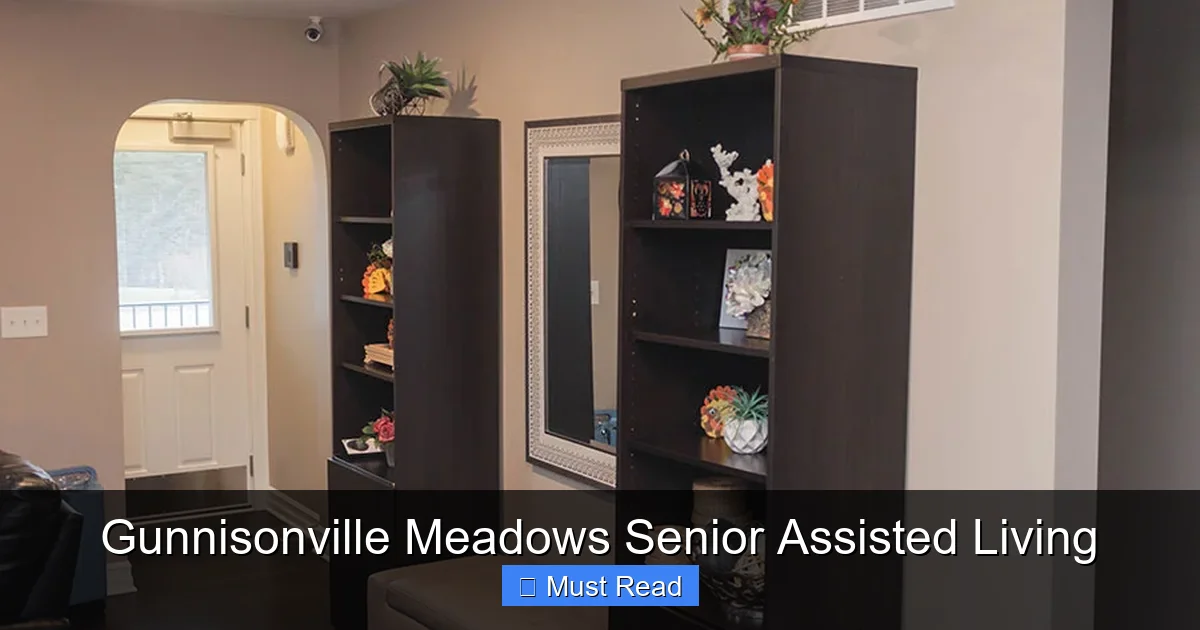
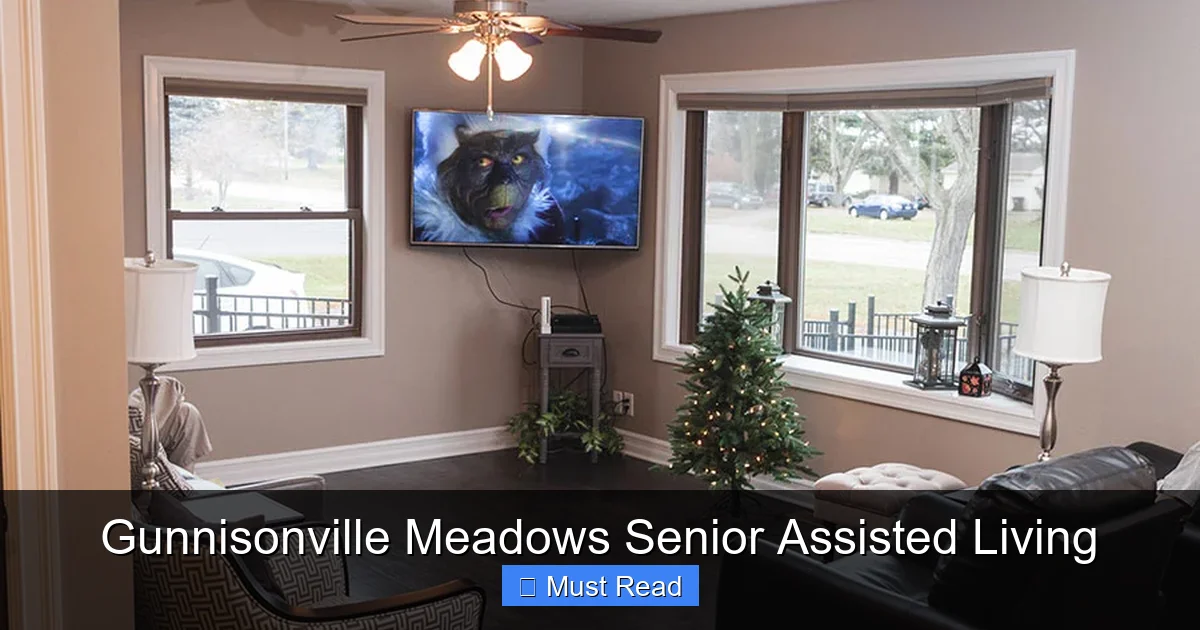
From the moment you arrive at Gunnisonville Meadows, the atmosphere is one of calm hospitality. The architecture and landscaping are designed to be both beautiful and functional, with wide, well-lit corridors, plenty of natural light, and secure outdoor patios and gardens where residents can enjoy the Texas weather. The community typically features a mix of studio, one-bedroom, and sometimes two-bedroom apartment-style residences. These are not institutional rooms; they are private homes where residents can bring their own cherished furniture and decor, creating an immediate sense of familiarity and ownership.
Designing for Comfort and Accessibility
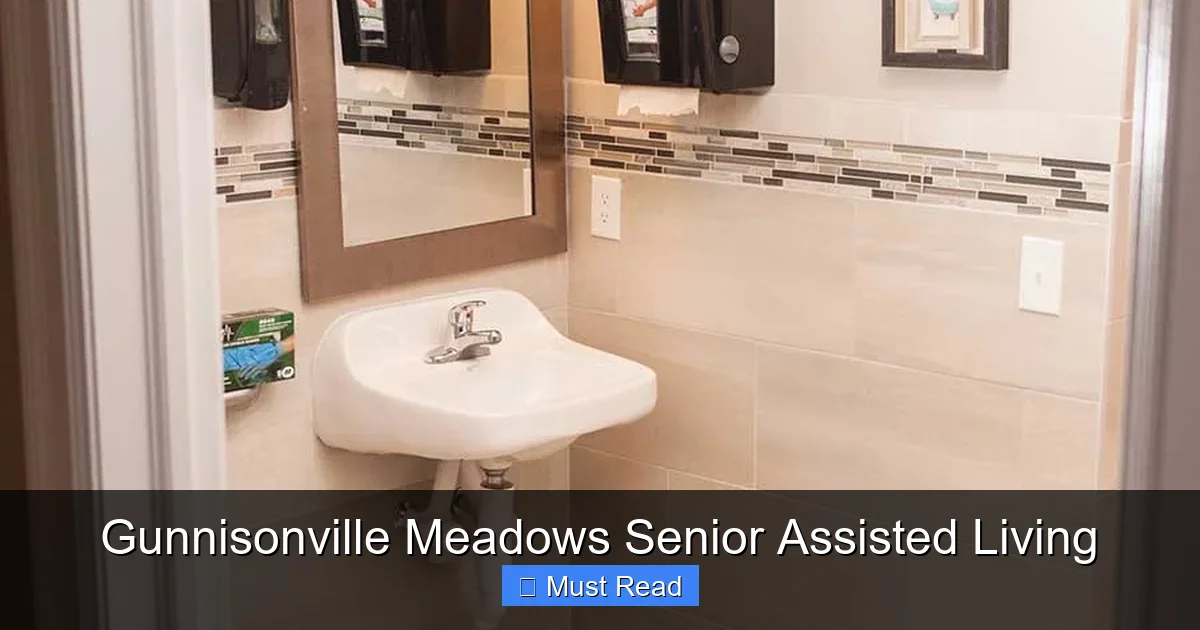
Every detail in the living spaces is chosen with mobility and safety in mind. You’ll find no-threshold showers, grab bars in bathrooms, emergency call buttons in strategic locations, and non-slip flooring. Kitchenettes are often included, allowing residents to prepare simple snacks or beverages, which supports a sense of independence. Corridors are designed to be easily navigable with walkers or wheelchairs, and common areas like the living room, dining room, and activity rooms are centrally located to minimize walking distances. This “universal design” approach ensures that as a resident’s needs change, their home remains a comfortable and safe sanctuary.
The Heart of the Home: Staff and Culture
The true soul of any assisted living community is its people. At Gunnisonville Meadows, the emphasis is on hiring not just skilled caregivers, but compassionate individuals who resonate with the community’s core values. Staff training goes beyond clinical skills to include communication techniques, empathy, and understanding the emotional journey of transitioning to assisted living. The turnover rate is often lower than industry averages, which means residents build lasting, trusting relationships with the nurses, aides, and activity directors. This consistency is crucial for emotional well-being. The culture is one of respect—residents are called by their preferred names, their choices are honored, and their life stories are celebrated. It’s a place where a caregiver might know a resident’s favorite coffee order or their love for classic country music, weaving personal details into the fabric of daily care.
Personalized Care Plans: Support Tailored to You
One-size-fits-all care does not exist at Gunnisonville Meadows. The journey begins with a comprehensive assessment conducted by a registered nurse and care coordinator. This isn’t a simple checklist; it’s a conversation. The team meets with the prospective resident and their family to discuss medical history, current medications, physical capabilities, cognitive status, daily routines, hobbies, and personal goals. They ask questions like: “What tasks are most challenging for you?” “What activities make you happiest?” “What are your biggest concerns about moving?” This holistic view forms the foundation of the Individualized Service Plan (ISP).
Visual guide about Gunnisonville Meadows Senior Assisted Living
Image source: gunnisonvillemeadows.com
Levels of Care and Flexibility
The ISP outlines the specific level of assistance required across various domains:
- Activities of Daily Living (ADLs): Assistance with bathing, grooming, dressing, toileting, and eating.
- Instrumental Activities of Daily Living (IADLs): Help with medication management, meal preparation, housekeeping, laundry, and transportation.
- Mobility Support: Assistance with transferring (e.g., bed to chair), walking, and using mobility aids.
- Health Monitoring: Regular checks on vital signs, glucose levels, and overall well-being, with clear communication to families and outside physicians.
Importantly, these plans are not static. They are reviewed and updated regularly—often quarterly or after any significant health event—to ensure they continue to meet the resident’s evolving needs. This flexibility means a resident can “age in place” comfortably, receiving more support as necessary without the trauma of moving to a different level of care facility.
Memory Care Considerations
For families navigating Alzheimer’s disease or other forms of dementia, the question of specialized memory care is paramount. While Gunnisonville Meadows primarily offers traditional assisted living, many communities have dedicated memory care neighborhoods or wings. It’s essential to inquire directly about their capabilities for residents with mild to moderate cognitive impairment. If the community does not have a secured, specialized unit, they will have protocols for caring for residents with dementia within the general population, which may include heightened staff training, secure outdoor areas, and structured activities designed for cognitive engagement. For those needing more intensive memory support, the community should have established partnerships or referrals to dedicated memory care homes in the area. Understanding this distinction is a critical step during your tour. You can learn more about the differences in what assisted living for seniors entails and how it compares to other levels of care.
A Day in the Life: Amenities and Engagement
Life at Gunnisonville Meadows is designed to be rich, purposeful, and easy. The community removes the burdens of home maintenance, cooking, and cleaning, freeing up time for residents to pursue interests and socialize. The daily rhythm is a gentle blend of structure and spontaneity.
Visual guide about Gunnisonville Meadows Senior Assisted Living
Image source: gunnisonvillemeadows.com
Dining: More Than Just a Meal
Meals are a social highlight. Prepared by an in-house culinary team (or a trusted vendor), the menu is typically designed with input from residents and dietitians, offering balanced, appetizing choices. Meals are served restaurant-style in a bright, welcoming dining room, though room service is available for those who prefer privacy. Special dietary needs—low sodium, diabetic-friendly, texture-modified—are readily accommodated. The dining experience is about nourishment and camaraderie; residents often look forward to gathering at their tables, sharing stories over breakfast or dinner.
Activity and Wellness Calendar
A stagnant routine is the enemy of well-being. The activity director is a key figure, curating a diverse calendar that caters to various interests and abilities. A typical week might include:
- Physical: Morning stretch or chair yoga, walking clubs, low-impact aerobics, and balance classes.
- Cognitive: Brain games, book clubs, current events discussions, and art or craft workshops.
- Social: Happy hours, birthday celebrations, movie nights, themed dances, and intergenerational visits with local school children.
- Spiritual: On-site chaplain services, transportation to local places of worship, and meditation groups.
- Community Outings: Scheduled trips to grocery stores, botanical gardens, museums, or local restaurants.
The goal is to offer something for everyone, ensuring no resident feels isolated or bored. Many communities also partner with local organizations to bring in musicians, lecturers, or therapists for specialized programming.
Practical Conveniences
The “all-inclusive” nature of assisted living is a major draw. Beyond care and activities, the community typically handles:
- Housekeeping & Laundry: Regular cleaning of apartments and linens.
- Utilities: Often included in the monthly rate (electric, water, heat/AC).
- Transportation: Scheduled van service for medical appointments, shopping, and group outings.
- Beauty & Barber Services: On-site or visiting stylists for haircuts, perms, and manicures.
- 24-Hour Staffing: A nurse or caregiver is always on-site to respond to needs or emergencies.
This bundle of services simplifies life immensely for both the resident and their family, eliminating the stress of coordinating multiple vendors.
Understanding the Investment: Costs and Financial Planning
Navigating the cost of assisted living can feel daunting, but transparency is key. Gunnisonville Meadows, like most communities, operates on a monthly fee structure rather than a long-term lease. Understanding what’s included and what’s extra is non-negotiable.
Visual guide about Gunnisonville Meadows Senior Assisted Living
Image source: gunnisonvillemeadows.com
Breaking Down the Monthly Fee
The base monthly rate typically covers:
- The apartment rental
- Three meals per day plus snacks
- Weekly housekeeping and linen service
- All utilities (except possibly phone/TV)
- Access to all amenities and activities
- Basic care (often a set number of ADL assists per day)
Additional fees are assessed based on the level of personal care required. This is where the individualized care plan directly impacts cost. The assessment will determine a “level of care” (e.g., Level 1: minimal assistance, Level 3: extensive assistance with multiple ADLs). Each level has a set monthly surcharge. It’s vital to get this breakdown in writing. Ask: “What is the base rate, and what are the additional costs for each level of care? Are there any one-time fees (community fee, assessment fee)?”
Payment Methods and Financial Assistance
Private pay (out-of-pocket) is the most common method. However, families often explore other avenues:
- Long-Term Care Insurance: If the resident has a policy, it may cover a portion of assisted living costs. The community’s business office can help with the claims process.
- Veterans Benefits: The Aid and Attendance pension benefit can provide a significant monthly stipend for eligible veterans and their surviving spouses to cover assisted living. This is a valuable but underutilized resource; the Veterans Affairs office or a VA-accredited elder law attorney can assist with applications.
- Medicaid: Unfortunately, traditional Medicaid does not cover room and board in assisted living. However, some states have Medicaid waivers that can help with care costs. Texas has specific programs; inquire with the community’s social worker or a local aging and disability resource center.
- Life Insurance Conversions: Some life insurance policies can be converted into a long-term care benefit.
A financial planner specializing in elder care can be an invaluable partner in creating a sustainable payment strategy.
Health, Safety, and Medical Coordination
For families, the question of medical care is often at the top of the list: “Who will manage Mom’s diabetes? How will Dad get to his cardiologist appointments?” Gunnisonville Meadows operates as a supportive environment, not a medical facility, but it is expertly designed to coordinate with outside healthcare providers.
On-Site Health Support
The community employs licensed nurses (LVNs or RNs) who oversee the care staff and resident health plans. They conduct regular wellness checks, manage medication administration (a huge relief for families), and are the point of contact for any health concerns. Many communities also have visiting physicians, nurse practitioners, or therapy companies (physical, occupational, speech) that provide on-site services, making it incredibly convenient for residents to receive routine care without leaving the premises.
Medication Management
This is a cornerstone service. Trained medication technicians, under nurse supervision, ensure residents take the right medications at the right times. They maintain detailed logs, coordinate with pharmacies for refills, and communicate any changes to families and doctors. This system eliminates the risk of missed or double doses, which is a common worry for families.
Emergency Protocols and Partnerships
Each apartment is equipped with an emergency call system (pull cords or wearable pendants). Pressing it alerts the 24-hour staff desk. For medical emergencies, staff are trained in first aid and CPR, and emergency services (EMS) are called immediately. The community maintains strong relationships with nearby hospitals and clinics. They will have a list of preferred providers and can facilitate smooth transitions if a hospital stay is needed. It’s also wise to ask about their infection control protocols, especially in light of recent global health events, to understand their procedures for keeping residents safe.
Is It the Right Fit? A Guide for Families
Now that we’ve explored the “what,” let’s focus on the “how.” How do you determine if Gunnisonville Meadows is the right place for your loved one? It starts with honest reflection and ends with a series of visits and questions.
Assessing Needs vs. Wants
Create two lists. On one, list the medical and safety needs: number of medications, need for assistance with bathing, history of falls, cognitive status. On the other, list the lifestyle preferences: desire for social activities, importance of a specific location (near family or a particular doctor), need for a pet, religious preferences. The right community will meet the needs list without compromising the wants list. For example, if your loved one is an avid gardener, a community with no outdoor space might not be the best fit, even if the care is excellent.
The Importance of Multiple Visits
Never rely solely on marketing materials or a single, staged tour. Visit at different times of day—during a meal, during a quiet afternoon, during a popular activity. Observe:
- Are residents engaged and smiling, or are they sitting alone, looking disinterested?
- Does the staff seem genuinely happy and interactive, or rushed and harried?
- Is the environment clean and free of lingering odors (a key indicator of quality housekeeping and nursing care)?
- Do the residents in the memory care unit (if touring one) appear calm and supported?
Try to have a private conversation with a current resident’s family member if possible. Their unfiltered perspective is gold.
Key Questions to Ask
When you meet with the community director, arm yourself with questions:
- “What is your staff-to-resident ratio during the day, evenings, and nights?”
- “How do you handle a change in a resident’s condition, like a fall or a UTI?”
- “What is your turnover rate for direct care staff?” (High turnover is a red flag).
- “Can I see a copy of your most recent state inspection survey?” (This is public record and will show any deficiencies).
- “What happens if my loved one’s needs increase significantly? How will that affect costs and care?”
- “What is your discharge process? What are the grounds for asking a resident to leave?”
Their answers—and how they answer them—will tell you volumes about transparency and professionalism. Comparing Gunnisonville Meadows to other top-tier options like Tallgrass Creek Senior Living Community or Deer Park Village Senior Living can also help you benchmark expectations for amenities, care models, and pricing in the region.
The Gunnisonville Meadows Difference: What Sets It Apart?
Every community claims to be special. What might genuinely distinguish Gunnisonville Meadows? Based on common differentiators in the industry, look for these potential strengths:
Local Roots and Community Integration
Is the management team local? Do they partner with nearby churches, schools, and volunteer organizations? A community deeply embedded in its local area often has richer programming and a stronger sense of belonging. Residents might feel they are part of the broader Gunnisonville community, not isolated in a senior bubble. Inquire about their outreach programs—do they host community events? Are local students regular volunteers?
A Focus on Holistic Wellness
Beyond physical care, does the community invest in emotional, social, and spiritual wellness? This might manifest as:
- Partnerships with local mental health professionals for counseling.
- A robust “volunteer” program where residents can contribute their skills (e.g., knitting for charity, tutoring students).
- Meditation or mindfulness sessions.
- A dedicated “family room” or space for private family gatherings.
This holistic approach recognizes that wellness is multifaceted.
Culinary Excellence
Food is a huge part of quality of life. Ask to see a sample menu. Is it varied and appealing? Is food prepared fresh on-site? Do they accommodate special diets seamlessly? Do they offer “flexible dining” options, like the ability to have a later dinner or a lighter lunch? A community that takes food seriously demonstrates a commitment to resident pleasure and health.
Making the Move: Practical Steps and Emotional Support
The logistics of moving are challenging enough, but the emotional transition for your loved one can be profound. It’s a major life change involving leaving a long-time home, downsizing possessions, and adjusting to a new routine. Gunnisonville Meadows should have a move-in coordinator or social worker to guide families through this process.
Downsizing and Rightsizing
The apartment size will necessitate letting go of many items. The community may offer or recommend professional senior move managers who can help sort, donate, sell, or dispose of belongings with sensitivity. Frame it not as “losing things” but as “curating a new, beautiful space” and “sharing treasures with others.” Encourage your loved one to keep items that hold deep sentimental value and to visualize how their favorite chair or painting will look in their new home.
The First 30 Days: A Period of Adjustment
The first month is an adjustment period for everyone. Residents may experience a rollercoaster of emotions—excitement, sadness, anxiety, and eventually, contentment. Tips for families:
- Visit Frequently, But Not Overwhelmingly: Daily visits can hinder a resident’s ability to form new bonds. Aim for regular, predictable visits (e.g., every Sunday for brunch).
- Get to Know the Staff: Introduce yourself to the caregivers, dining staff, and activity directors. Building that relationship shows your loved one you trust the community.
- Encourage Participation, But Don’t Force: Gently suggest trying an activity, but respect if they need a quiet day.
- Communicate Openly with Staff: Share your observations and concerns. The staff are your partners in care.
Patience is key. It often takes 60-90 days for a resident to truly settle in and find their “groove” within the community.
Conclusion: A Decision of the Heart and Mind
Choosing Gunnisonville Meadows Senior Assisted Living is about aligning practical needs with a vision for a fulfilling future. It’s about finding a place where your loved one’s dignity is upheld, their safety is guaranteed, and their days are filled with moments of joy and connection. The community offers a compelling package of personalized care, engaging lifestyle, and practical convenience, all set within a warm, Texas-style atmosphere.
As you continue your search, remember that the best community is the one that feels right for your family member. Take your time, ask tough questions, and trust your instincts during visits. The goal is to find not just a care provider, but a new home—a place where the next chapter can be one of peace, purpose, and friendship. Gunnisonville Meadows stands as a strong contender in the assisted living landscape, built on the fundamental belief that seniors deserve to live their later years with grace, support, and abundant joy.
Frequently Asked Questions
What is the average monthly cost at Gunnisonville Meadows Senior Assisted Living?
The cost varies based on apartment size and the level of personal care required. Base rates typically start in a specific range for a studio apartment, with additional monthly fees added for higher levels of ADL assistance. The community provides a detailed, personalized quote after the initial assessment. It’s important to ask for a complete breakdown of all fees, including any one-time community fees.
How are medications managed for residents?
Medication management is a core service. Trained and certified medication technicians, supervised by licensed nurses, administer all prescriptions and over-the-counter medications according to physician orders. They maintain accurate records, coordinate with residents’ pharmacies for refills, and monitor for any side effects or changes, communicating promptly with families and doctors.
Can residents bring their own furniture and pets?
Yes, residents are strongly encouraged to bring their own belongings, including favorite furniture, artwork, and mementos, to make their apartment feel like home. Many communities have pet-friendly policies, often with weight or breed restrictions and a one-time pet deposit. Always confirm the specific pet policy during your tour.
What level of medical care is provided on-site?
The community provides non-medical personal care and 24/7 staffing for support and emergencies. On-site clinical staff includes licensed nurses who oversee care plans and wellness. The community does not provide skilled nursing care like injections, wound care, or IV therapy. They coordinate closely with outside physicians, therapists, and home health agencies who can provide these services if needed.
How do you ensure residents who are more introverted or have dementia are comfortable?
The activity calendar includes a mix of large-group and small-group or individual options. Staff are trained to gently encourage participation without pressure. For residents with dementia, the community may offer specialized programming in smaller, calmer settings with structured routines. The key is the staff’s ability to know each resident personally and engage them in ways that align with their abilities and interests.
What is the process if a resident’s health declines and they need more care?
The resident’s care plan is reviewed regularly. If a decline is noted, the care coordinator will discuss the need for an increased level of care with the family. The new care plan and associated cost are presented for agreement. The goal is to provide seamless addition of services so the resident can continue living in the same apartment, a concept known as “aging in place.”