
Green Valley Senior Care Home


Orthopedic Pillow

Talking Clock

Mattress Topper Memory Foam
Green Valley Senior Care Home offers a warm, resident-focused community dedicated to providing exceptional assisted living and memory care services. With a commitment to personalized attention, robust amenities, and a nurturing atmosphere, it stands out as a trusted choice for families seeking a supportive and vibrant home for their seniors. This comprehensive review explores everything you need to know, from daily life and care options to costs and how it compares to other local senior living choices.
Key Takeaways
- Person-Centered Care: Green Valley prioritizes individualized care plans that respect each resident’s history, preferences, and needs, fostering dignity and independence.
- Holistic Wellness Focus: The community integrates physical health, cognitive stimulation, and social engagement through structured programs, nutritious dining, and purposeful activities.
- Specialized Memory Support: For residents with Alzheimer’s or dementia, dedicated programs and secure environments provide safety, routine, and compassionate expertise.
- Transparent Financial Planning: Understanding senior care costs is crucial; Green Valley offers clear pricing structures and guidance to help families navigate financial options effectively.
- Vibrant Community Life: Beyond care, the home cultivates a lively social scene with events, outings, and communal spaces designed to combat isolation and promote joy.
- Family Partnership: Families are encouraged to be active participants in care planning and community life, ensuring open communication and shared decision-making.
📑 Table of Contents
- Finding a Second Home: The Journey to Green Valley Senior Care Home
- Understanding the Landscape: What Type of Care Does Green Valley Provide?
- A Day in the Life: The Green Valley Experience
- Beyond the Brochure: Core Amenities and Features to Scrutinize
- The Financial Puzzle: Understanding Costs at Green Valley Senior Care Home
- How Does Green Valley Stack Up? A Framework for Evaluation
- Conclusion: Is Green Valley Senior Care Home the Right Fit?
Finding a Second Home: The Journey to Green Valley Senior Care Home
Imagine a place where the morning aroma of fresh coffee mingles with the sound of shared laughter. Where a hallway conversation isn’t a lonely moment but a connection. Where care isn’t a task on a checklist, but a genuine, knowing smile. This is the promise of a great senior care home, and for many families, the search for that promise leads to Green Valley Senior Care Home. Choosing a senior living community is one of the most profound and emotional decisions a family can make. It’s about balancing safety and support with freedom and joy. It’s about trusting strangers to become advocates and friends. In this deep dive, we’ll walk together through every aspect of what makes Green Valley a notable option, stripping back the marketing to explore the real experience of daily life, the philosophy behind the care, and the practical considerations every family must face.
We’ll move beyond a simple list of amenities. Instead, we’ll paint a picture of a day in the life, examine the financial landscape with clear eyes, and provide you with the questions you *should* be asking. Whether you’re just beginning your research or have narrowed your choices to a few finalists, this guide aims to equip you with the knowledge and confidence to make the best decision for your loved one. The goal is simple: to help you find a place where your parent, spouse, or friend can not only live safely but truly thrive.
Understanding the Landscape: What Type of Care Does Green Valley Provide?
Before we explore the specifics of Green Valley, it’s essential to understand the broader senior living spectrum. Terms like “assisted living,” “memory care,” and “nursing home” are often used interchangeably but represent vastly different levels of care and environments. Green Valley Senior Care Home primarily operates as an assisted living community, often with a dedicated memory care neighborhood or wing. This distinction is critical.
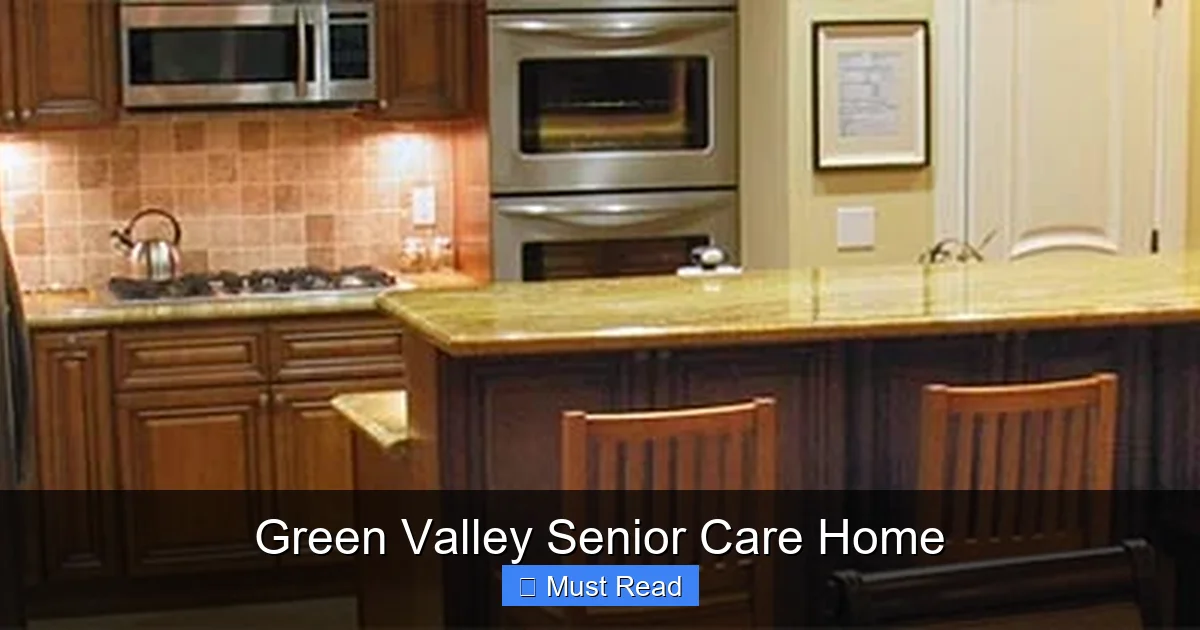
Visual guide about Green Valley Senior Care Home
Image source: fountainvalleyseniorcare.com
Assisted Living vs. Other Care Settings
Assisted living is designed for seniors who are largely independent but need help with activities of daily living (ADLs) like bathing, dressing, medication management, or mobility. It’s a residential model, not a medical one. There is typically 24/7 staff, but not the intensive, around-the-clock nursing care found in a skilled nursing facility. For families considering in-home support first, it’s helpful to compare this model to services like those from Hearts At Home Senior Care, which brings assistance directly to a senior’s existing residence. The choice often comes down to the desired environment: the social, built-in community of an assisted living home versus the familiarity of one’s own home with visiting caregivers.
Many assisted living communities, including Green Valley, also offer a memory care unit. This is a secure, specialized environment for individuals living with Alzheimer’s disease or other forms of dementia. Staff here receive enhanced training in dementia care, and the physical layout, programming, and approach are all tailored to reduce anxiety, ensure safety, and engage residents meaningfully. When touring, you must ask specifically about the staff-to-resident ratio in both the general assisted living and memory care areas, as this directly impacts the quality and attentiveness of care.
A Day in the Life: The Green Valley Experience
What does life actually look and feel like at Green Valley? The best way to understand is to walk through a typical day, but remember, every resident’s routine is personalized. The magic is in the balance between structured support and free choice.
Visual guide about Green Valley Senior Care Home
Image source: gvseniorcare.com
Morning: A Gentle Start with Choice
The day might begin with a gentle wake-up call or a resident choosing to sleep in. Staff, often called caregivers or resident assistants, are available to help with morning routines—whether that’s a full assist or just a check-in. Breakfast is served in a communal dining room, which is far more than just a meal; it’s a primary social hub. Menus are often designed with nutritional needs in mind, offering choices and accommodating special diets. You might see a resident enjoying a made-to-order omelet while another chats with a neighbor about the morning news. The key here is observation: is the atmosphere cheerful and relaxed, or rushed and institutional? After breakfast, the day opens up. Some residents might attend a morning exercise class—think chair yoga, light stretching, or a walk in a secure garden. Others may opt for quiet time in a library or their own apartment.
Afternoon: Engagement and Purpose
The heart of the day is filled with purposeful activity. This is where a community truly reveals its soul. Green Valley’s activity calendar should be robust and varied, catering to different interests and cognitive levels. It might include:
- Creative Pursuits: Art classes, gardening clubs, or music therapy sessions.
- Cognitive Stimulation: Book clubs, trivia, or reminiscence therapy (especially vital in memory care).
- Social Connection: Happy hours, birthday celebrations, movie afternoons, or themed parties.
- Intergenerational Programs: Visits from local school children, which bring immense joy and energy.
- Outings: Trips to local parks, museums, or shops, ensuring residents maintain a connection to the wider community.
A red flag is an activity calendar that is sparse, repetitive, or heavily focused on passive entertainment like watching television. Engagement is not a luxury; it’s a cornerstone of well-being for seniors.
Evening: Wind Down and Community
Evenings often revert to a quieter, more intimate pace. Dinner is another major social event. Post-dinner, you might find residents playing cards, enjoying live music, or simply gathering in a common area to talk. For those in memory care, evening routines are especially important to minimize “sundowning” (increased confusion or agitation in the late afternoon/evening) with calming activities and consistent staff. The goal is for every resident to feel a sense of closure and peace at the end of the day.
Beyond the Brochure: Core Amenities and Features to Scrutinize
When you first look at Green Valley’s website or brochure, you’ll see a list of amenities: a beauty salon, a fitness room, a chapel, landscaped grounds. These are important, but their quality and accessibility matter more than their mere existence. Your tour is your investigation.
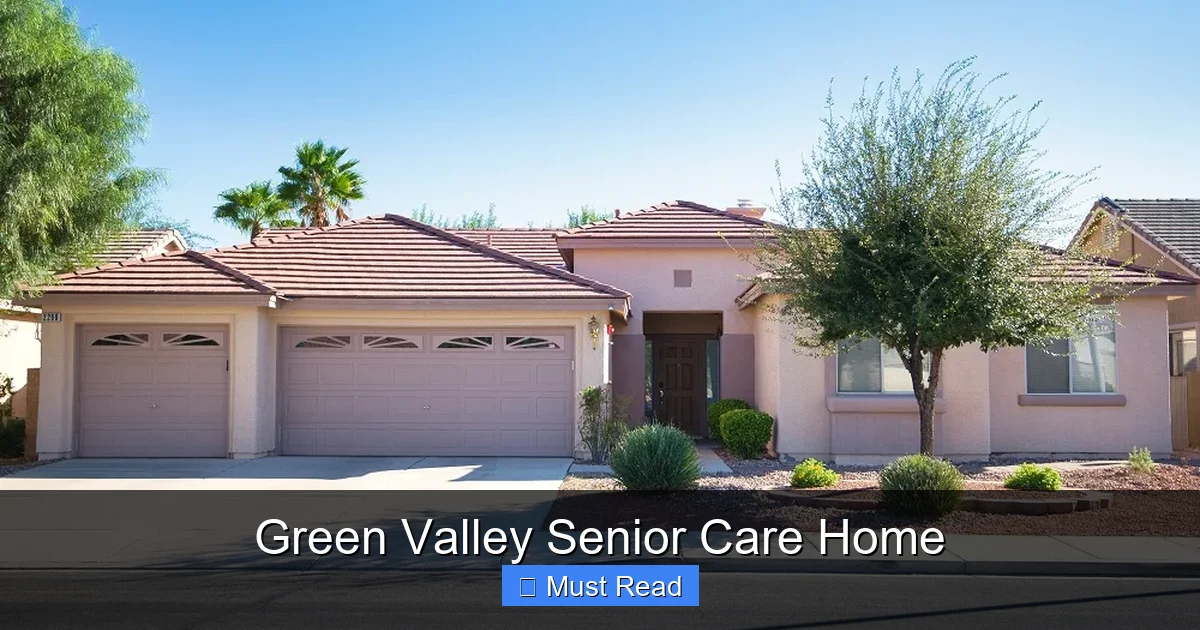
Visual guide about Green Valley Senior Care Home
Image source: d13iq96prksfh0.cloudfront.net
The Physical Environment: Safety, Comfort, and Wayfinding
Walk the halls. Does the building smell clean, or is there a persistent scent of disinfectant or food? Lighting should be ample, especially in hallways and common areas, to prevent falls. Flooring must be non-slip. For memory care, look for features that aid wayfinding: clear signage with both words and pictures, color-coded hallways, and personal memory boxes outside resident doors. Are there plenty of comfortable, homelike seating areas for spontaneous conversation? Is there easy, secure outdoor access? A beautiful garden is useless if residents can’t safely get to it. Check the resident apartments: do they have enough natural light? Is there secure storage? Can residents bring their own furniture and cherished possessions? The ability to personalize space is huge for creating a sense of “home.”
Dining: More Than Just Food
Food is a daily pleasure and a critical health component. During your tour, try to eat a meal. Observe the food: is it appetizing, visually appealing, and appropriately textured? Is the menu rotated regularly? How are dietary restrictions handled? Most importantly, watch the interaction between staff and residents during meals. Are residents being encouraged to eat? Is help provided discreetly and respectfully? A well-run dining program is a daily celebration of community and health.
The Financial Puzzle: Understanding Costs at Green Valley Senior Care Home
Let’s talk numbers. This is often the most stressful part of the journey. Senior care is expensive, and costs vary dramatically by location, level of care, and community type. Green Valley Senior Care Home will likely operate on a monthly base rate that covers rent, utilities, meals, and basic services. This is then supplemented by “levels of care” or “personal care” fees based on the amount of ADL assistance a resident needs. Memory care almost always carries a significant additional monthly premium due to the specialized staffing and security.
Decoding the Pricing Model
When you receive a quote, ask for it to be broken down in writing. Understand exactly what the base rate includes. Does it include all housekeeping and laundry? How many “care minutes” or what level of care is included before fees increase? Ask about the assessment process: how do they determine a resident’s level of care, and how often is it re-evaluated? Prices can change if a resident’s needs increase. Also, inquire about move-in fees, community fees (often non-refundable), and what happens if a resident needs to leave temporarily (e.g., for a hospital stay).
Funding the Journey: Options and Strategies
Most families pay through a combination of sources:
- Private Pay: Savings, investments, or the sale of a home.
- Long-Term Care Insurance: If the resident has a policy, it will have specific requirements for covered facilities.
- Veterans Benefits: The VA’s Aid and Attendance benefit can help eligible veterans and their spouses cover costs.
- Medicaid: This is complex. Traditional Medicaid does not cover assisted living, but many states have Medicaid waivers or state-specific programs that can provide some funding for in-home care or limited community-based services. Green Valley Senior Care Home should be able to tell you if they accept any Medicaid-related programs or if they are a “Medicaid-pending” facility (meaning they will hold a spot while you apply). Do not assume they take Medicaid; most assisted living homes are primarily private pay.
For a broader view of national cost averages and what influences pricing, resources like our article on how much does senior day care cost can provide a useful baseline, even though day care is a different service model. The key is planning. Start financial conversations early and involve a financial advisor or elder law attorney if possible.
How Does Green Valley Stack Up? A Framework for Evaluation
You’re likely looking at a few different communities. How do you objectively compare them? Create a scorecard based on your loved one’s specific needs and your family’s priorities. Use this framework during every tour.
The Intangibles: Culture and Philosophy
You can walk into two communities with identical floor plans and price points, and one will feel warm and inviting while the other feels sterile. This is the “culture.” How do staff interact with residents? Do they use names and know personal stories? What is the management’s philosophy? Is the focus on “residents” or “patients”? Ask about staff turnover rates—high turnover is a major red flag for poor management and resident dissatisfaction. A great way to gauge culture is to ask to speak with a current resident’s family member if possible. Their honest perspective is invaluable. For comparison, looking at the approach of a community like Pacifica Senior Living Green Valley (if it exists in your area) can highlight different operational styles and amenity focuses within a similar geographic and price bracket.
The Practical Checklist: Questions for Your Tour
Come prepared with a list. Here are non-negotiables:
- Staffing: What are the staff-to-resident ratios day/night/weekends? What is the average staff tenure? What training is provided, especially for dementia care?
- Safety & Emergency: How are emergencies handled? Is there a nurse on-site or on-call? What is the protocol for a fall or a medical crisis? How are medications managed (by staff or by a visiting pharmacy)?
- Family Communication: How often will we receive updates? What is the process for care plan meetings? How do we address concerns?
- Move-In Process: What is the assessment like? What paperwork is required? What is the trial period policy?
- Exits: What are the contract terms? What is the notice period for termination by either party? What is the refund policy on the community fee or pre-paid rent?
Taking detailed notes after each tour is crucial. Your gut feeling matters, but concrete answers to these questions will give you the data to make a sound decision.
Conclusion: Is Green Valley Senior Care Home the Right Fit?
The search for the right senior care home is a journey of the heart and the head. Green Valley Senior Care Home presents itself as a community built on person-centered care, vibrant engagement, and professional support. Its potential strengths lie in creating a homelike atmosphere where residents are known as individuals, not room numbers. The true test, however, is in the details you observe and the answers you receive during your personal visit. Does the light in the resident rooms feel warm? Do the caregivers’ interactions with residents seem patient and genuine? Is the activity calendar alive with variety? Does the financial model align with your long-term plan?
Remember, there is no “perfect” community. There is only the right community for your loved one, with their unique history, personality, and needs. Use this guide to ask sharper questions, look deeper beyond the polish, and trust your instincts. The best decision is an informed one, made with love and clarity. Take your time, involve your family, and know that finding a place where your loved one can live with purpose and peace is a wonderful and worthy goal.
Frequently Asked Questions
What levels of care does Green Valley Senior Care Home offer?
Green Valley typically offers assisted living for seniors needing help with daily activities and often provides a dedicated, secure memory care unit for those with Alzheimer’s or dementia. The specific levels and associated costs are determined by a personalized assessment of each resident’s needs.
How do they ensure resident safety, especially for those with memory impairment?
Safety is addressed through 24/7 staffing, secure perimeters for memory care wings, emergency call systems in apartments, and staff trained in fall prevention and dementia-specific safety protocols. The physical environment is designed with non-slip flooring, clear hallways, and wayfinding aids.
What is the typical staff-to-resident ratio?
Ratios vary by time of day and unit (assisted living vs. memory care). You must ask for the specific numbers for day, evening, and night shifts during your tour. Memory care almost always requires a lower ratio (more staff per resident) due to the higher needs. Ask how they adjust ratios based on the overall census of the community.
Are there additional costs beyond the monthly base rate?
Yes, almost always. The base rate covers room, board, and basic services. Additional fees are charged for higher levels of personal care (ADL assistance), medication management, and memory care. Always request a detailed, written fee schedule and understand how care levels are assessed and re-assessed.
What types of activities are available to keep residents engaged?
A robust community offers a daily calendar with options for physical (exercise, walks), cognitive (games, book clubs), social (parties, outings), creative (art, music), and spiritual activities. For memory care, programs are adapted to be sensory-based and failure-free, focusing on enjoyment rather than achievement.
Can we try a short-term stay or respite care before committing?
Many assisted living communities, including potentially Green Valley, offer respite stays or short-term trial periods. This is an excellent way for a resident to experience the community and for the family to observe the care. You must inquire directly about availability, cost (often at a higher daily rate), and the application process for a trial stay.