
Grandchild Friendly Senior Living Community


Handheld Shower Head

Robot Vacuum Cleaner

Digital Thermometer
Grandchild friendly senior living communities are designed to welcome children with open arms, creating joyful moments between generations. These special neighborhoods offer activities, spaces, and programs that let grandparents and grandchildren bond through play, learning, and shared experiences. Living in a family-friendly community means more than just comfort—it means building lasting memories together.
Key Takeaways
- Intergenerational bonds strengthen: Grandchildren bring energy, laughter, and new perspectives that keep seniors mentally and emotionally engaged.
- Specialized spaces make all the difference: Play areas, gardens, game rooms, and event spaces designed for multi-generational use encourage natural interactions.
- Structured activities build connection: Storytime, craft projects, cooking classes, and outdoor adventures give families shared goals and fun memories.
- Safety and accessibility matter most: Communities with secure environments, age-appropriate facilities, and trained staff ensure peace of mind for parents and grandparents.
- These communities enhance quality of life: Regular visits from grandchildren improve mood, reduce loneliness, and support cognitive health in seniors.
- Family involvement is part of the culture: From volunteer opportunities to holiday celebrations, grandchild friendly senior living isn’t just a feature—it’s a lifestyle.
📑 Table of Contents
- What Is a Grandchild Friendly Senior Living Community?
- Features That Make a Community Grandchild Friendly
- Activities Designed for Multi-Generational Fun
- How to Find the Right Grandchild Friendly Senior Living Community
- Overcoming Common Concerns
- Real Stories: Families Thriving Together
- The Future of Grandchild Friendly Senior Living
- Conclusion: More Than a Home—A Family Hub
What Is a Grandchild Friendly Senior Living Community?
Picture this: your grandmother sits in her cozy chair, smiling as your toddler hands her a crayon drawing. Outside, you hear giggles from the playground where your five-year-old is teaching your mom how to swing. That’s the magic of a grandchild friendly senior living community. These aren’t just places where older adults live—they’re warm, welcoming neighborhoods built with families in mind.
A grandchild friendly senior living community is designed specifically to welcome children with open arms. It’s more than having a park nearby or allowing occasional visits. It’s about creating an environment where grandparents can safely enjoy time with their grandchildren, where families feel comfortable bringing little ones along, and where intergenerational connections become part of everyday life.
These communities understand that aging doesn’t mean losing touch with joy, creativity, or the simple happiness that comes from watching a child’s face light up. Instead of isolating seniors from younger generations, they bridge the gap—making it easy, safe, and delightful for families to grow together across ages.
Why Families Choose Grandchild Friendly Communities
Families today want more than just a place for their loved ones to live. They want a home where memories are made. A senior living community that welcomes grandchildren offers something rare: continuity. Grandparents get to be present in their children’s lives during childhood milestones. Grandkids get to know their elders not just through stories, but through shared hugs, silly games, and real-life lessons.
For many families, moving a parent into senior care feels like a loss—of daily presence, of weekend pancakes, of bedtime stories. But in a grandchild friendly community, that sense of closeness stays strong. Kids can run through the halls without worry. Parents drop by for coffee and conversation. And grandparents? They get to experience the pride of seeing their grandchild learn to tie their shoes or say “I love you” for the first time—right at home.
The Emotional Benefits of Intergenerational Living
Loneliness affects millions of seniors. According to the CDC, social isolation increases the risk of depression, dementia, and even heart disease. But when grandchildren visit regularly, those risks shrink dramatically. Children bring spontaneity, curiosity, and unconditional joy—things that spark the brain and lift the spirit.
Studies show that seniors who interact with children often report higher levels of happiness and purpose. Playing with grandchildren improves motor skills, reduces stress hormones, and even lowers blood pressure. For kids, spending time with grandparents builds empathy, strengthens memory, and creates a sense of security rooted in family history.
In a grandchild friendly senior living community, these benefits aren’t accidental—they’re intentional. Staff members plan events that mix ages, design spaces that accommodate both toddlers and wheelchairs, and train caregivers to appreciate the value of family time.
Features That Make a Community Grandchild Friendly
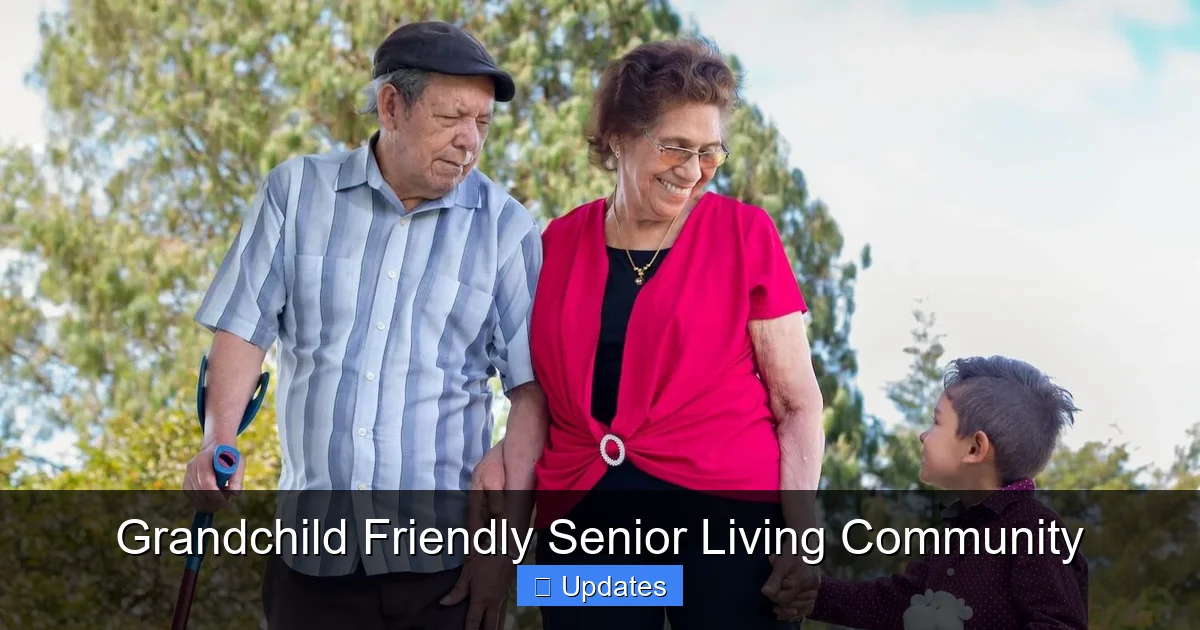
Visual guide about Grandchild Friendly Senior Living Community
Image source: bonaventuresenior.com
Not every senior living community is ready to welcome a preschooler with open arms. But the best ones have clear features that make intergenerational living not only possible—but enjoyable.
Safe, Accessible Outdoor Spaces
The first thing families notice is the playground. Not just any playground—one built with safety rails, soft ground cover, shade, and benches nearby so grandparents can sit while supervising. Some communities even have sensory gardens where kids can touch plants, smell herbs, and watch butterflies, while seniors benefit from the calming effects of nature.
Look for features like:
- Fenced-in play areas with gates that lock automatically
- Wide pathways for strollers and walkers
- Shaded seating under trees or pavilions
- Water features (like small fountains) that are shallow and supervised
- Adaptive swings or merry-go-rounds for children with special needs
At Poinciana Gardens Senior Living Community, for example, residents enjoy a beautifully landscaped courtyard with a sandbox, climbing structure, and plenty of space for tag or hide-and-seek. Families often host birthday parties there, and staff help set up tables and clean up afterward—freeing parents to relax and enjoy the moment.
Indoor Activity Rooms for All Ages
Rainy days shouldn’t stop family fun. That’s why top grandchild friendly communities include indoor spaces designed for mixed-age play. These might be multipurpose rooms with:
- Craft supplies (glitter glue, pipe cleaners, paper)
- Board games and puzzles
- Musical instruments (xylophones, drums)
- Reading nooks with picture books
- Kitchen areas for baking cookies together
Some communities even host weekly “Grandparent & Grandkid Club” days, where families rotate through stations—art, science experiments, storytime, and snack time. These events give grandparents a chance to participate actively, not just watch from the sidelines.
Flexible Visiting Policies
A true grandchild friendly community doesn’t require appointments just to see a grandma or grandpa. It understands that life happens—kids nap at odd hours, school schedules change, and unexpected visits are part of family love.
Look for communities that:
- Allow walk-ins during daylight hours
- Have quiet zones for older residents who need rest
- Offer extended visiting hours on weekends
- Provide transportation services so families can bring grandkids from farther away
Policies should balance openness with respect for privacy. For instance, some communities designate certain floors or wings as “family zones” where noise is managed, but others remain calm for quieter residents. The key is flexibility without compromise.
Activities Designed for Multi-Generational Fun
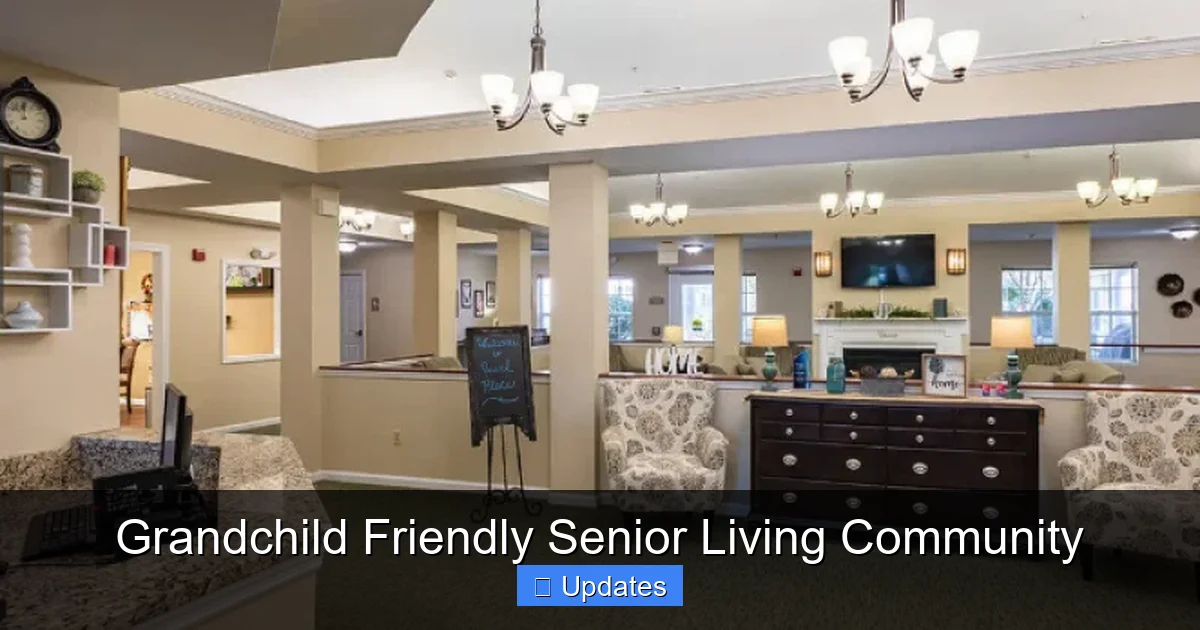
Visual guide about Grandchild Friendly Senior Living Community
Image source: seniorliving.com
Programs are what truly transform a community into a hub of family connection. Grandchild friendly senior living communities don’t just allow visits—they celebrate them.
Story Time & Puppet Shows
Every Tuesday morning, the activity room fills with the sound of giggles and rustling pages. A resident reads a favorite children’s book aloud, using voices for different characters. Sometimes, they even bring in handmade puppets made by another grandparent. Grandkids lean forward, eyes wide, while grandparents smile remembering their own childhood stories.
These sessions do more than entertain. They boost language development in young children and stimulate memory recall in seniors. Plus, volunteers often join in, reading stories in Spanish or sign language to include everyone.
Baking & Cooking Together
There’s nothing quite like the smell of chocolate chip cookies fresh from the oven—especially when grandma taught you the recipe years ago. Many communities host monthly “Family Kitchen Days,” where families roll up their sleeves and make pies, bread, or holiday treats together.
For seniors with mobility issues, adaptive tools help. For kids, mixing bowls become giant paintbrushes. And for everyone? Shared meals create conversation, laughter, and tradition.
At Heritage Crossing Senior Living Community, residents recently made gingerbread houses with their grandkids. One grandfather, who hadn’t cooked since his own children were born, proudly decorated a house with licorice and gumdrops. His granddaughter said, “You’re the bestest grandpa ever!” Moments like that? Priceless.
Outdoor Adventures & Nature Walks
Even in winter, outdoor activities keep families connected. Guided nature walks through wooded trails, birdwatching excursions, or seasonal scavenger hunts engage both generations. Seniors share observations about plants and animals they’ve seen for decades; kids ask endless questions and collect pinecones or feathers.
Some communities partner with local schools or nonprofits to offer environmental education programs. Others simply provide binoculars, field guides, and comfortable walking shoes for residents and visitors alike.
Music & Movement Classes
From toddler dance parties to senior line dancing, music brings people together. Many grandchild friendly communities host weekly movement sessions—think “Zumba for Grands,” “Circle Time Songs,” or even ukulele lessons where kids strum while grandmas sing along.
Music activates parts of the brain linked to emotion and memory. For seniors with early-stage dementia, singing familiar songs can spark recognition and conversation. For kids, it builds rhythm, coordination, and confidence.
How to Find the Right Grandchild Friendly Senior Living Community

Visual guide about Grandchild Friendly Senior Living Community
Image source: hksinc.com
Choosing a senior living community is a big decision. When grandkids are involved, it becomes even more personal. Here’s how families can find the perfect fit.
Visit During Family Hours
Don’t rely solely on brochures or virtual tours. Call ahead and ask if you can visit during a time when families are likely to stop by—weekends, after school, or around lunchtime. Bring your grandchild! Observe how staff interact with kids. Do they smile? Ask questions? Offer assistance?
Pay attention to whether the environment feels welcoming or restrictive. Are there signs saying “No Children Under 12”? Or does it feel like a place where families naturally gather?
Ask About Policies & Procedures
During your tour, ask direct questions:
- Are there age restrictions for visitors?
- Do you provide cribs, high chairs, or booster seats?
- How do you handle emergencies involving children on site?
- Can we bring our own snacks or food for gatherings?
- Are pets allowed? (Many grandparents love dogs, and kids adore them too!)
Honest answers will tell you everything. If a community says, “We’ll try to accommodate,” that’s a red flag. The best ones have clear, supportive policies baked into their culture.
Talk to Residents & Their Families
Real stories matter. Ask current residents if they’ve hosted grandkids recently. Did they enjoy it? Would they do it again? Listen for enthusiasm—not hesitation.
You might also speak with adult children who drop by regularly. What keeps them coming back? What could improve the experience?
At Avery Point Senior Living Community, one resident told us, “My great-grandson comes every Thursday. We read books, color, and sometimes I teach him how to fold origami. He calls me ‘Grandpa Superstar.’ I didn’t know joy could feel like that again.”
That’s the kind of feedback that shows a community truly gets it.
Check for Certifications & Partnerships
Some communities go beyond basic friendliness. They partner with organizations like Generations United or participate in Age-Friendly City initiatives. Others train staff in intergenerational programming or maintain advisory boards with family representatives.
While not required, these efforts signal a deeper commitment to inclusive living.
Overcoming Common Concerns
Even the most welcoming communities face questions—from worried parents or skeptical seniors. Addressing these concerns head-on makes all the difference.
“Won’t My Parent Get Overstimulated?”
It’s natural to worry. But research shows that moderate, positive stimulation improves mental clarity. The key is balance. Communities that offer structured activities (like supervised art time) rather than chaotic play help seniors recharge afterward. Quiet rooms, nap times, and calm corners ensure peace is always available.
“Are the Hallways Safe for Kids?”
Safety is non-negotiable. Look for:
- Rounded furniture edges
- Non-slip flooring
- Secure elevators and stairwells
- Staff trained in first aid and CPR
- Emergency call systems in bathrooms
Many communities also assign “family liaisons”—staff members whose job includes helping plan visits and troubleshooting any issues that arise.
“Will My Grandparent Feel Left Out?”
In a busy community full of kids, could seniors feel overlooked? Not if the culture values both ages. Successful programs ensure seniors aren’t just spectators—they’re leaders. Teaching kids about history, gardening, cooking, or crafts gives them purpose. And celebrating senior achievements (birthdays, anniversaries, wisdom quotes) reinforces dignity and belonging.
Real Stories: Families Thriving Together
Meet the Johnsons. Grandma Eleanor moved into Green Park Senior Living Community last year. At first, her daughter hesitated to bring her two-year-old grandson, worried he’d be bored or disruptive. But within weeks, Eleanor started hosting “Toddler Tuesdays”—reading Dr. Seuss books, playing with blocks, and singing nursery rhymes. Now, Leo visits every week, and Eleanor’s mood has lifted noticeably. “He teaches me new words,” she says. “And I teach him about daisies.”
Or take Carlos and his wife Rosa. They live in Fields Of Florence Senior Living Community, which hosts a monthly “Cultural Celebration Day.” Last fall, they brought their granddaughter, Sofia, to make pan dulce and share folktales from Mexico. Rosa taught Sofia how to knead dough—a skill passed down for generations. Sofia giggled as flour dusted her nose. Rosa wiped it off with a smile. “This is heritage,” she whispered. “This is home.”
These aren’t isolated incidents. They’re proof that when communities embrace intergenerational living, everyone wins.
The Future of Grandchild Friendly Senior Living
As society ages, demand for inclusive housing will grow. Already, developers are designing new communities with dual-purpose spaces—living rooms that double as playrooms, kitchens that host family dinners, courtyards that serve as picnic grounds.
Technology will also play a role. Virtual reality field trips, digital photo albums shared across generations, and telehealth check-ins that let grandparents stay connected with pediatricians or teachers—all enhance inclusion without sacrificing safety.
But at its heart, grandchild friendly senior living is about humanity. It’s recognizing that life isn’t measured in years alone, but in relationships. When a grandparent holds their grandchild’s hand through a hallway, when a child laughs at a joke only an elder would understand—that’s legacy. That’s love. That’s living well, together.
Conclusion: More Than a Home—A Family Hub
Choosing a senior living community isn’t just about finding a roof over someone’s head. It’s about choosing a place where dignity, joy, and connection thrive. A grandchild friendly senior living community does exactly that—by weaving families into the fabric of daily life.
Whether it’s through a shared cookie recipe, a backyard game of catch, or a bedtime story read by moonlight, these communities turn ordinary moments into extraordinary memories. And for seniors, that’s the greatest gift of all: knowing they’re still needed, still cherished, still alive—in every sense that matters.
So if you’re considering senior living for a loved one, look beyond square footage and meal plans. Ask about playgrounds, puppet shows, and grandkid clubs. Because the best communities don’t just house people… they nurture families.
—
Frequently Asked Questions
What defines a grandchild friendly senior living community?
A grandchild friendly senior living community intentionally welcomes children through safe spaces, family activities, flexible visiting policies, and staff trained to support intergenerational interaction. It goes beyond allowing visits—it creates a culture where grandparents and grandchildren can connect meaningfully.
Are all senior living communities suitable for grandchildren?
No. While some communities allow children occasionally, true grandchild friendly communities have specific features like age-appropriate play areas, structured family events, and policies that prioritize safety and inclusion for all ages.
How can I ensure my grandparent’s safety during visits?
Choose communities with secure entrances, non-slip floors, rounded furniture edges, trained staff, and emergency protocols. Also, confirm they offer quiet spaces for rest and have clear rules about supervision during playtime.
Do grandchildren benefit from visiting seniors in these communities?
Absolutely. Interacting with grandparents improves emotional intelligence, strengthens memory, builds empathy, and provides a sense of security rooted in family. It also teaches kids respect for elders and lifelong learning.
Can seniors with dementia participate in family activities?
Yes, often in adapted ways. Simple activities like looking at photo albums, listening to music, or folding laundry together can be engaging and comforting. Staff in grandchild friendly communities typically receive training in dementia care and intergenerational programming.
How do I convince a reluctant senior to welcome grandchildren?
Start small—invite one grandchild for a short visit. Focus on shared interests like music, cooking, or storytelling. Emphasize that their presence brings joy, not disruption. Most seniors respond positively when they see how much grandchildren cherish spending time with them.