
Foam Mattress vs Air Mattress for Seniors


Fall Detection Smart Watch

Bed Exit Alarm Sensor

Sock Aid for Seniors
Foam Mattress vs Air Mattress is a useful comparison when comfort, support, and easy daily use matter. Both can provide a softer sleep surface, but they work in very different ways.
A foam mattress offers a fixed sleep surface with little setup. An air mattress uses air pressure to change its firmness. For seniors, the better choice often depends on comfort needs, mobility, storage, and how often the mattress will be used.
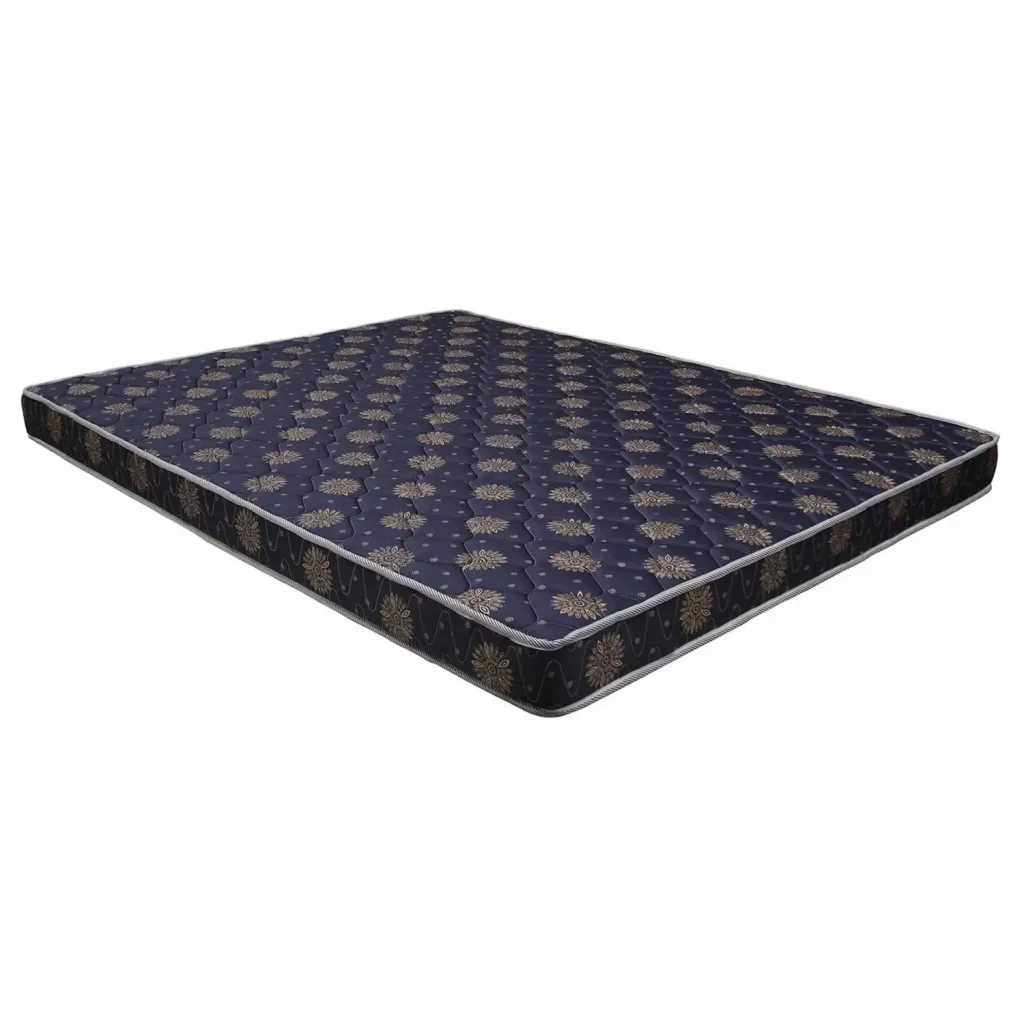
Quick Comparison
For most seniors who want a simple bed for everyday use, a foam mattress is usually the easier choice. It needs no inflation and does not need a pump.
An air mattress may be better for adjustable firmness, temporary use, or easier storage. The trade-off is that it needs inflation and may need more care over time.
The best choice is not only about softness. It is also about how easy the mattress is to set up, use, clean, and maintain.
Foam Mattress vs Air Mattress At a Glance
Both options can work well, but their main strengths are different.
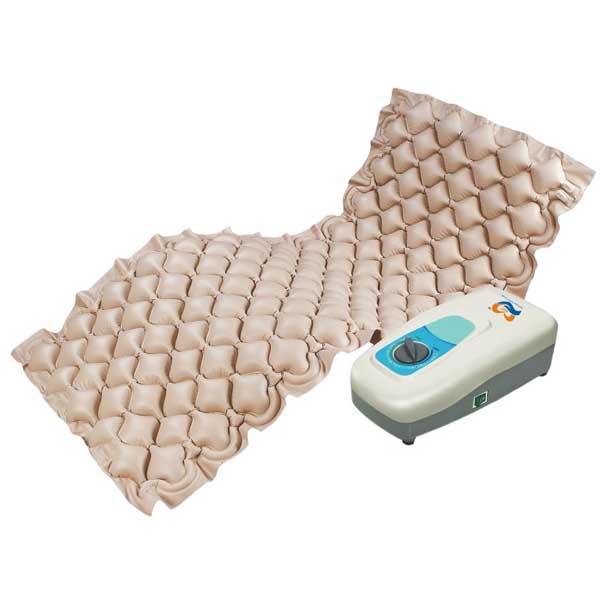
| Feature | Foam Mattress | Air Mattress |
|---|---|---|
| Setup | Simple | Needs inflation |
| Firmness | Mostly fixed | Adjustable |
| Daily use | Very convenient | Depends on design |
| Storage | Takes more space | Easier when deflated |
| Maintenance | Low | May need pump and leak checks |
| Power needed | No | Some models need electricity |
| Best use | Regular sleep | Temporary or flexible use |
Foam Mattress Review for Senior Comfort
A foam mattress gives a stable sleep surface without pumps, valves, or air controls. This makes it a simple option for seniors who want a mattress that is ready to use.
The exact feel depends on the type and thickness of foam. Some foam mattresses feel soft, while others feel firmer. The mattress should match the sleeper’s comfort preference and bed setup.
Ease of Use
Foam mattresses are simple to use after setup. There is no inflation step before bed.
They also do not need a pump or power source. This can make everyday use easier.
The main challenge is moving the mattress. Foam can be bulky and hard to carry, especially in larger sizes.
Key Strengths
- No pump is needed.
- No inflation is required.
- Simple for everyday use.
- No air pressure to adjust.
- Usually needs little day-to-day attention.
- Offers a stable sleep surface.
Potential Drawbacks
- Can be heavy or bulky to move.
- Firmness cannot be changed as easily.
- Storage can be harder.
- Different foam types can feel very different.
Air Mattress Review for Senior Comfort
An air mattress uses air instead of a solid foam core. Its firmness can often be changed by adding or removing air.
This can be useful when one person prefers a softer surface while another prefers more firmness. It can also be helpful when the mattress is only needed for a limited period.
Ease of Use
The biggest difference is setup. An air mattress usually needs to be inflated before use.
Some models use an electric pump, while others may use a manual inflation method. A built-in or easy-to-use pump can reduce effort, but the controls still need to be simple enough for the user.
Deflating the mattress can make storage much easier than storing a full-size foam mattress.
Key Strengths
- Firmness can often be adjusted.
- Easy to deflate for storage.
- Useful for temporary sleeping needs.
- Can be moved when deflated.
- Offers flexibility for different comfort preferences.
Potential Drawbacks
- Requires inflation.
- Some models need electricity.
- A pump adds another component to manage.
- Air pressure may need adjustment.
- Punctures or leaks can create problems.
Which Is Easier for Seniors to Use?
For simple daily use, foam usually has the advantage.
Once a foam mattress is in place, there is little to operate. There are no buttons, pumps, valves, or air settings.
An air mattress offers more flexibility, but that flexibility adds another step. The user must inflate it and may need to adjust the air level.
For a senior with limited hand strength or dexterity, an air mattress may be easier if the pump and controls are simple. However, a complex pump system can have the opposite effect.
The best choice depends on the person’s ability to handle the setup.
Performance Comparison
Mattress performance is about more than softness. Support, stability, firmness, and comfort all matter.
A foam mattress provides a consistent surface. Its feel mainly depends on the foam design.
An air mattress allows changes in firmness. This can be useful for people who prefer more control over how the mattress feels.
However, air pressure can change the feel of the mattress. The result may also depend on the design of the air chambers and the amount of air used.
| Performance Area | Foam Mattress | Air Mattress |
|---|---|---|
| Stable surface | Strong advantage | Depends on design |
| Firmness control | Limited | Strong advantage |
| Easy daily use | Strong advantage | Moderate |
| Temporary use | Good | Strong advantage |
| Storage after use | Less convenient | Strong advantage |
Comfort, Accessibility, and Senior-Friendly Design
Comfort is personal. A mattress that feels great to one person may feel too firm or too soft to another.
Foam may suit someone who wants a stable surface with no adjustments. Air may suit someone who wants to change the firmness.
Accessibility also matters.
A mattress that is easy to get in and out of can be more practical than one that simply feels soft. The height of the bed, the frame, and the sleeper’s mobility can all affect daily use.
For someone who has trouble bending or lifting, setting up an air mattress may be harder. For someone who needs to store the mattress often, the air option may be easier.
Features Comparison
The useful features are not the same for both types.
| Feature | Foam Mattress | Air Mattress |
|---|---|---|
| Firmness adjustment | Usually limited | Usually available |
| Pump | Not needed | Often needed |
| Power | Not needed | May be needed |
| Deflation | Not applicable | Available |
| Portability | Lower | Higher when deflated |
| Setup | Simple | More involved |
Avoid paying extra for features that will not make daily use easier.
Price, Maintenance, and Long-Term Value
Price varies widely based on mattress size, materials, construction, and brand. It is better to compare the overall value than to focus only on the initial price.
A foam mattress has a simple design. There is no pump to replace and no air chamber to check.
An air mattress may have extra parts, such as a pump, valves, and repair materials. These can add to long-term care.
For regular use, the simplicity of foam can make it a strong value. For occasional use, an air mattress may provide better value because it can be deflated and stored.
Who Should Choose a Foam Mattress?
Choose a foam mattress if:
- You want a simple everyday mattress.
- You do not want to use a pump.
- You prefer a stable sleep surface.
- You want minimal daily maintenance.
- You do not need to change firmness often.
- Storage space is not a major concern.
Who Should Choose an Air Mattress?
Choose an air mattress if:
- Adjustable firmness is important.
- The mattress will be used temporarily.
- Easy storage is a priority.
- You need to move or store the mattress often.
- You are comfortable using a pump.
- You want more control over firmness.
Foam Mattress vs Air Mattress — Final Verdict
Best for most seniors: Foam Mattress
Best for adjustable firmness: Air Mattress
Best for easy daily use: Foam Mattress
Best for compact storage: Air Mattress
Best for low maintenance: Foam Mattress
There is no single winner for every senior. Foam is the simpler choice for regular use. Air is more flexible when firmness and storage matter most.
Scoring Summary
The scores below are practical comparison scores, not laboratory test results.
| Category | Foam Mattress | Air Mattress |
|---|---|---|
| Ease of Use | 9/10 | 7/10 |
| Senior-Friendly Design | 9/10 | 8/10 |
| Daily Convenience | 9/10 | 7/10 |
| Maintenance | 9/10 | 7/10 |
| Flexibility | 7/10 | 9/10 |
| Storage | 6/10 | 9/10 |
| Value | 9/10 | 8/10 |
How We Evaluate These Mattresses
The comparison focuses on practical factors that can affect senior use.
These include:
- Ease of setup
- Everyday operation
- Comfort
- Firmness control
- Maintenance
- Storage
- Portability
- Safety
- Long-term practicality
- Overall value
These ratings are based on the typical differences between foam and air mattress designs. They are not based on personal product testing.
Senior-Specific Buying Considerations
A few simple checks can make the choice easier.
Physical Effort
Think about lifting, moving, inflating, and storing the mattress.
A foam mattress may be easy to use but hard to move. An air mattress may be easier to move when deflated but require more setup.
Controls
If the air mattress has a pump, check whether the controls are clear and easy to reach.
Simple controls are usually better than unnecessary settings.
Maintenance
Consider how much care the mattress needs.
Foam generally has fewer mechanical parts. An air mattress may need attention if air loss or a leak occurs.
Storage
If the mattress will be stored often, an air mattress has a clear advantage once deflated.
A foam mattress usually needs a larger storage area.
Setup
For a regular bed, simple setup is valuable. For occasional use, easy inflation and deflation may matter more.
Safety
Place either mattress on a suitable surface and follow the manufacturer’s setup instructions.
Avoid using a mattress in a way that creates a fall or stability risk. If the mattress is being considered because of a medical condition, significant mobility problem, or pressure-related concern, discuss the choice with a healthcare professional.
Common Buying Mistakes
Avoid these mistakes when choosing between foam and air:
- Choosing only by price.
- Ignoring the effort needed for setup.
- Forgetting storage space.
- Assuming softer always means better.
- Buying an air mattress without considering the pump.
- Ignoring the bed frame and overall bed height.
Frequently Asked Questions
Is a foam mattress better than an air mattress for seniors?
For many seniors, foam is easier for everyday use because it needs no inflation or pump. An air mattress may be better when adjustable firmness or easy storage is more important.
Is an air mattress comfortable for older adults?
It can be comfortable, but comfort depends on the design, air level, and personal preference. The ability to adjust firmness can be useful.
Which mattress is easier to maintain?
A foam mattress is generally simpler because it has fewer mechanical parts. An air mattress may require checking the pump, valves, and air pressure.
Which mattress is easier to store?
An air mattress usually has the advantage because it can be deflated and folded for storage.
Can seniors use an air mattress every day?
Some air mattresses are designed for regular use, while others are better suited to temporary sleeping. Always check the manufacturer’s intended use before making a decision.
Conclusion
Foam Mattress vs Air Mattress comes down to simplicity versus flexibility. A foam mattress is usually easier for daily use, while an air mattress offers adjustable firmness and easier storage.
For a senior who wants a simple mattress with little daily effort, foam is often the better fit. For someone who needs a temporary mattress or values firmness adjustment and compact storage, an air mattress may make more sense.
