
Fecal Incontinence in Senior Dogs


Compression Socks

Lap Desk for Reading

Automatic Can Opener
Fecal incontinence in senior dogs is a common but distressing condition where older pets lose control of their bowel movements. It can result from aging-related nerve issues, muscle weakness, or underlying health problems like arthritis or cognitive decline. With proper diagnosis, dietary adjustments, and supportive care, most senior dogs can maintain quality of life and dignity.
As our beloved dogs grow older, they begin to show signs of aging just like we do. One of the less-discussed but increasingly common issues in senior dogs is fecal incontinence. This means your furry friend is having trouble holding in their poop—sometimes even when they’re sleeping or resting quietly. While it might be uncomfortable to talk about, it’s something many dog owners face, and understanding what’s happening can help you provide better care.
Fecal incontinence isn’t just about accidents on the floor—it’s a sign that something in your dog’s body is changing. It could be related to aging, medical conditions, or even behavioral shifts. The good news? With the right approach, you can manage it effectively and keep your senior pup comfortable and dignified.
In this article, we’ll walk through everything you need to know about fecal incontinence in senior dogs: what causes it, how to spot it early, and most importantly—what you can do to help. Whether you’ve already noticed some accidents or want to stay ahead of the curve, this guide will give you practical tips and compassionate advice.
Key Takeaways
- Common in aging dogs: Fecal incontinence often appears after age 7 and becomes more frequent as dogs enter their senior years (typically 7+ years old).
- Not always serious: While it can signal health issues like spinal disease or diabetes, many cases are due to normal aging and muscle weakening.
- Vet visit is essential: Always consult your veterinarian to rule out infections, tumors, or neurological conditions before managing at home.
- Diet and routine matter: Scheduled feeding, high-fiber diets, and regular bathroom breaks can significantly reduce accidents.
- Padded bedding helps: Using absorbent bedding or dog diapers makes cleanup easier and protects your home.
- Cognitive changes may play a role: Just like in humans, older dogs can experience confusion that affects bathroom habits.
- Emotional support is key: Stay patient and consistent—your calm presence helps your dog feel secure during this time.
📑 Table of Contents
What Is Fecal Incontinence in Senior Dogs?
Simply put, fecal incontinence means your dog isn’t able to control when they go to the bathroom. Unlike training regressions seen in young puppies, this usually happens gradually and is more common in dogs over seven years old. You might notice:
– Accidents while your dog is sleeping
– Leakage after meals
– Sudden urges without warning
– Straining or discomfort during defecation
This condition doesn’t happen overnight. It often develops slowly, which gives you time to notice patterns and adjust care accordingly. Think of it like losing bladder control during the night—except with bowel movements instead.
It’s important to remember that incontinence isn’t just about physical ability. Emotional and mental factors can also play a role, especially as dogs age and their brains begin to change.
Why Do Senior Dogs Experience Fecal Incontinence?

Visual guide about Fecal Incontinence in Senior Dogs
Image source: topdogtips.com
There are several reasons why older dogs might struggle with bowel control. Let’s break them down so you can understand what might be going on with your pet.
Aging-Related Changes
Just like humans, dogs experience wear and tear over time. Their muscles weaken, nerves don’t send signals as quickly, and organs don’t function quite as efficiently. The muscles around the rectum—called the anal sphincter—can become less responsive, making it harder to hold stool.
This is similar to how seniors sometimes have trouble remembering things or moving as quickly. Your dog’s body is just slowing down, and that includes the systems that control digestion and elimination.
Neurological Issues
Sometimes, the problem lies in the nerves that tell your dog’s brain when their bowels are full. If these pathways get damaged or inflamed—due to conditions like intervertebral disc disease (IVDD), spinal tumors, or even strokes—your dog may not realize they need to go until it’s too late.
For example, a dog with IVDD might still be able to walk normally but lose sensation in their hind legs or tail area, leading to accidental soiling. That’s why a thorough vet exam is so important.
Chronic Health Conditions
Certain diseases can increase the risk of incontinence. These include:
– Diabetes: Causes frequent urination and can lead to loose stools
– Hypothyroidism: Slows metabolism and affects gut motility
– Colitis or inflammatory bowel disease (IBD): Inflammation makes stools soft and hard to control
– Arthritis: Painful joints can make it difficult for dogs to get into position comfortably
If your senior dog has been diagnosed with any of these, discuss with your vet whether fecal incontinence could be a side effect.
Cognitive Decline
Just as Alzheimer’s affects memory in people, canine cognitive dysfunction syndrome (CDS) impacts dogs. Symptoms include confusion, disorientation, and changes in sleep-wake cycles. A dog with CDS might forget where the bathroom is or lose track of time, increasing the chance of accidents.
Interestingly, CDS shares similarities with human dementia, including changes in brain chemistry and reduced alertness. Early detection and management can slow progression and improve quality of life.
How to Recognize the Signs Early
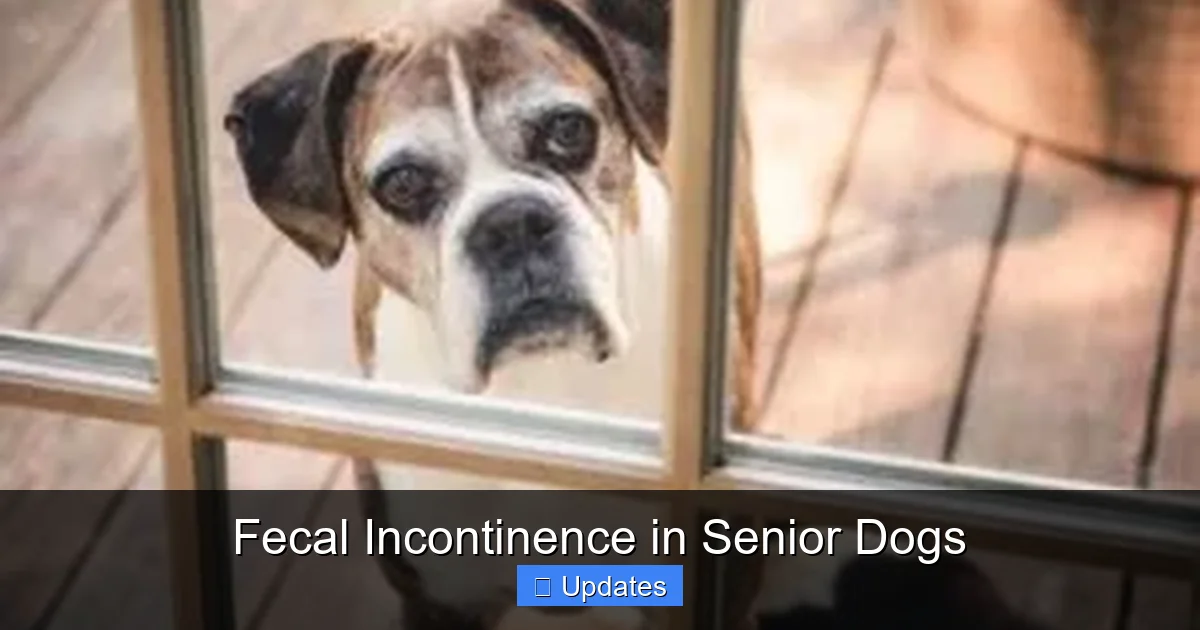
Visual guide about Fecal Incontinence in Senior Dogs
Image source: topdogtips.com
Spotting fecal incontinence early makes a big difference. Here’s how to tell if your senior dog is starting to have trouble:
Watch for Patterns
Keep a simple log noting when accidents happen—after eating, before bedtime, during naps. Over time, you’ll see triggers like post-meal leakage or nighttime episodes. This helps your vet pinpoint potential causes.
Notice Changes in Stool Consistency
Soft, mushy, or watery stools are harder to control than firm ones. If your dog suddenly passes very loose poops more frequently, it could indicate an underlying issue like food intolerance or infection.
Observe Behavioral Shifts
Is your dog restless at night? Avoiding lying flat? Straining to defecate? These behaviors suggest discomfort or difficulty controlling bowel movements. Also, watch for signs of pain, such as whining or stiffness.
Check for Other Symptoms
Fecal incontinence rarely comes alone. Be alert for:
– Weight loss or gain
– Increased thirst or appetite
– Lethargy or decreased activity
– Blood in stool
– Swollen abdomen
Any combination of these should prompt a vet visit immediately.
When to See the Vet: Red Flags
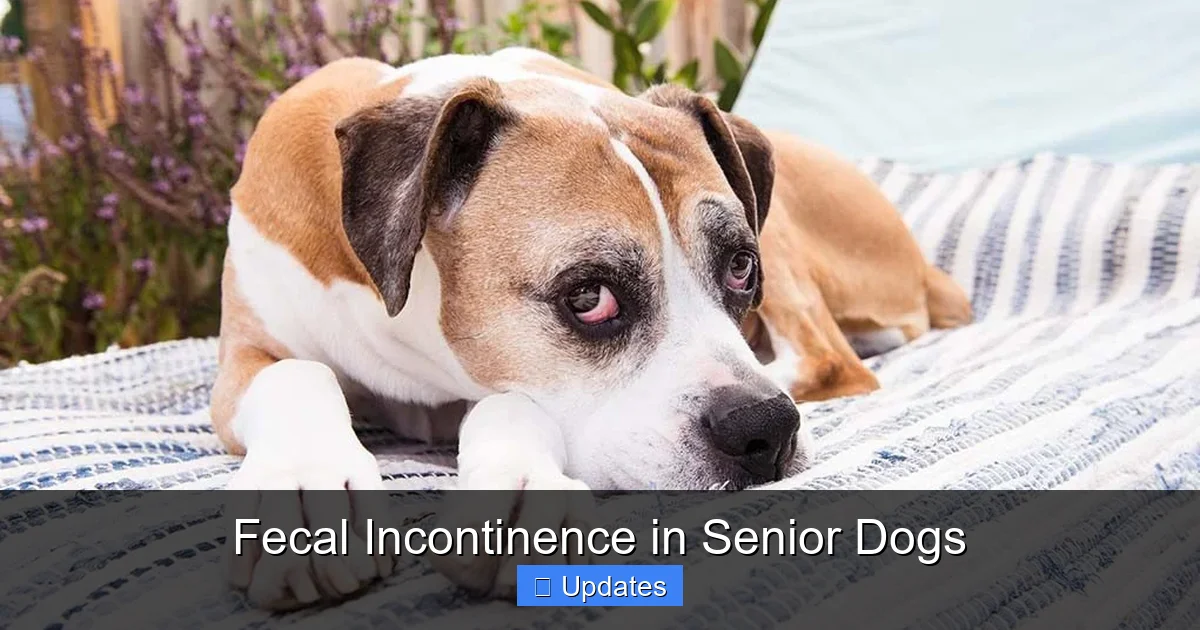
Visual guide about Fecal Incontinence in Senior Dogs
Image source: topdogtips.com
While occasional accidents are normal in senior dogs, certain situations require professional attention:
– Sudden onset: If your previously house-trained dog starts having accidents without warning, it could signal a sudden health problem.
– Painful defecation: Straining, vocalizing, or blood in stool suggests inflammation or obstruction.
– Weight loss or lethargy: These systemic signs point to possible cancer, organ failure, or chronic illness.
– Urinary incontinence: Bladder and bowel control are closely linked; if both are affected, neurological issues are likely.
Your vet will perform a physical exam, possibly run blood tests, check spine mobility, and evaluate anal reflexes. Don’t delay seeking help—early intervention improves outcomes dramatically.
Managing Fecal Incontinence at Home
Once your vet rules out serious illness, you can take steps to manage incontinence and improve your dog’s comfort.
Establish a Consistent Routine
Feed your dog at the same times every day and take them out shortly afterward. Most dogs eat once or twice daily, then need to go within 15–30 minutes. For night feeders, consider a small evening meal followed by a bathroom trip before bed.
Use a timer or calendar to stay on track. Consistency helps train your dog’s internal clock, reducing surprise accidents.
Adjust Their Diet
Diet plays a huge role in stool consistency. High-fiber foods add bulk and firm up stools, making them easier to control. Look for senior-specific formulas rich in fiber from sources like pumpkin, beet pulp, or psyllium husk.
Avoid low-quality kibble with fillers like corn or soy, which can cause loose stools. Consider consulting a veterinary nutritionist for custom recommendations. You might also try grain-free dog food for senior dogs if sensitivities are suspected.
Hydration matters too—dehydration leads to hard stools, while overhydration can contribute to diarrhea. Monitor water intake and ensure fresh water is always available.
Use Absorbent Bedding
Protect your floors with washable pads, waterproof mattress covers, or even puppy diapers designed for larger breeds. Brands like Tushies or Doggie Diapers offer absorbency without irritation.
Place these near your dog’s favorite resting spots. Not only does it prevent messes, but it also reduces stress knowing they won’t soil their own bed.
Encourage Regular Exercise
Light exercise supports healthy digestion and strengthens pelvic floor muscles. Short walks, gentle play sessions, or even swimming can help maintain muscle tone without overexertion.
Avoid intense activity if your dog has joint pain or mobility issues. Instead, focus on range-of-motion exercises recommended by your vet.
Consider Medications (Under Vet Supervision)
In some cases, your vet may prescribe medications like:
– Lubiprostone: Helps regulate bowel movement timing
– Probiotics: Support gut health and stool formation
– Antidiarrheals: Control loose stools temporarily
Never give human medications without approval. Dosages and safety vary greatly between species and ages.
Supporting Your Dog Emotionally
Beyond physical care, emotional well-being is crucial. Dogs pick up on our anxiety, and stress can worsen incontinence. Stay calm and reassuring, even during cleanup.
Praise your dog gently when they use the potty correctly. Avoid scolding—accidents aren’t intentional, and punishment increases fear and confusion.
Create a safe, predictable environment. Keep their food and water in one place, their bed in the same spot, and their leash ready for scheduled outings. Predictability builds confidence.
If your dog shows signs of cognitive decline, speak with your vet about supplements like S-adenosylmethionine (SAMe) or antioxidants shown to support brain health in aging dogs.
Prevention Tips for Future Senior Years
You can’t always prevent incontinence, but proactive care reduces risks:
– Maintain a healthy weight through balanced diet and moderate exercise
– Schedule regular vet checkups starting at age 7
– Treat infections or illnesses promptly
– Provide mental stimulation through puzzle toys and training
– Monitor hydration and stool quality weekly
Early detection of conditions like hypothyroidism or diabetes can prevent complications later.
Remember, aging is a natural process. While fecal incontinence may be part of it, it doesn’t define your dog’s worth or your bond. With love, patience, and smart strategies, you can help your senior companion live comfortably.
Frequently Asked Questions
Is fecal incontinence normal in senior dogs?
Yes, it’s fairly common in dogs over seven years old due to muscle weakening and neurological changes. However, it’s not inevitable and should be evaluated by a vet to rule out serious conditions.
Can diet help with fecal incontinence?
Absolutely. Feeding a high-fiber senior dog food can firm up stools and improve control. Consult your vet before making major diet changes.
Should I use diapers for my senior dog?
Dog diapers can be helpful for managing accidents, especially at night or during travel. Choose breathable, absorbent brands and change them regularly to avoid skin irritation.
Could cognitive decline cause incontinence?
Yes. Canine cognitive dysfunction syndrome affects memory and awareness, making it harder for dogs to recognize bathroom cues or reach designated areas.
How often should a senior dog go to the bathroom?
Most senior dogs need two potty breaks per day, ideally shortly after meals. Nighttime accidents are common and often manageable with timed feedings.
When is it an emergency?
Seek immediate vet care if your dog shows signs of pain while defecating, loses control of both bowels and bladder, or experiences sudden weight loss or lethargy.