
Your Family Caregiver Support Plan Guide Explained


Orthopedic Pillow
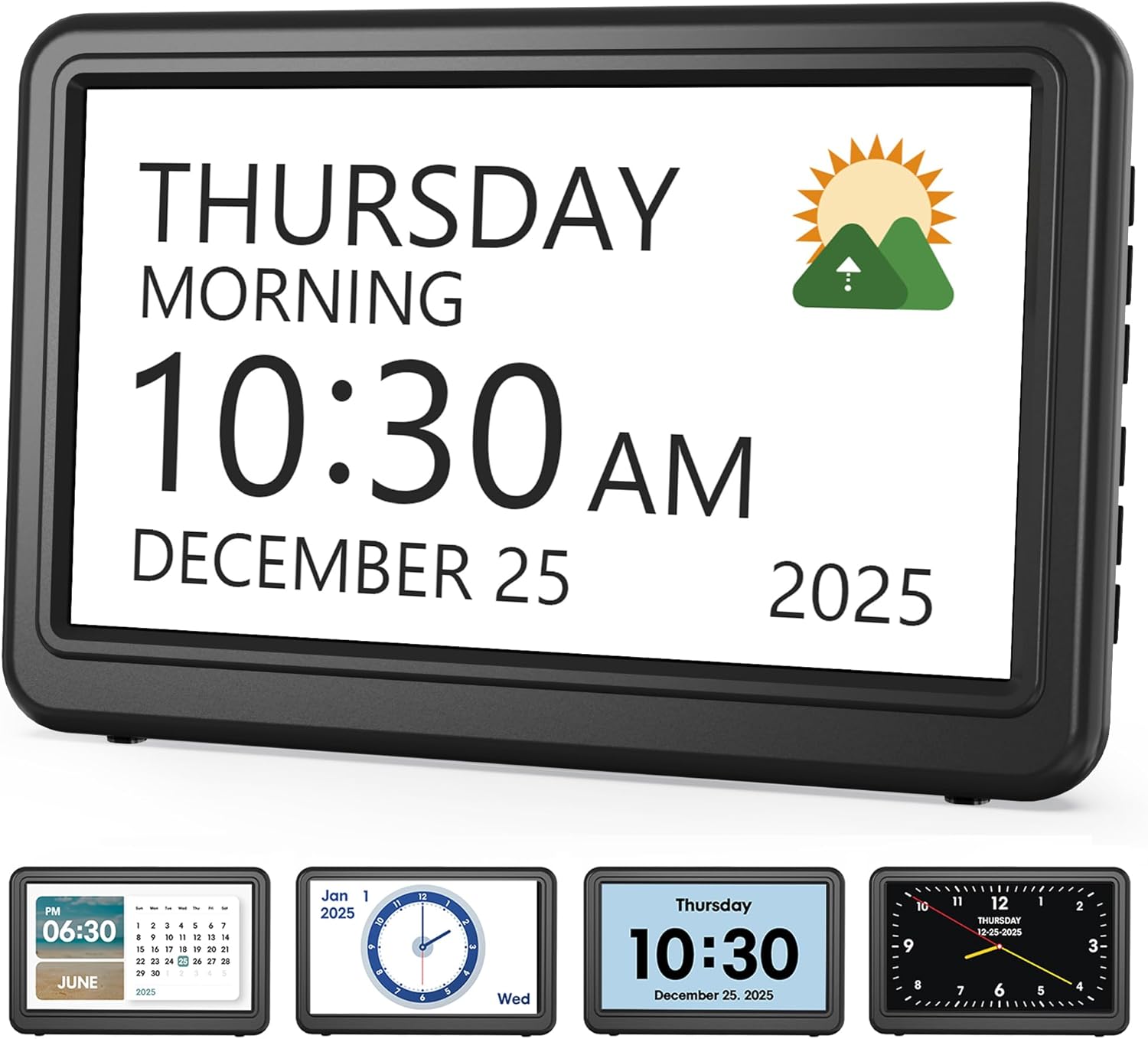
Medication Reminder Alarm

Digital Thermometer
family caregiver support plan guide becomes easier to understand when you focus on the key facts, common mistakes, and practical steps first.
Caring for a loved one can be a deeply rewarding experience, but it also comes with significant challenges. As the needs of your family member grow, so does the complexity of providing consistent, quality care. This is where a well-structured family caregiver support plan becomes not just helpful, but essential. It’s a roadmap designed to ensure both the care recipient and the caregiver receive the support they need to navigate this journey with dignity, safety, and well-being. SeniorsProTalk is here to guide you through creating a plan that fits your unique situation.
- Start simple: Understand the main idea before comparing details.
- Check context: The best answer can change by model, year, condition, or location.
Understanding the Need for a Family Caregiver Support Plan in 2026
The landscape of eldercare is constantly shifting, influenced by medical advancements, societal changes, and evolving family structures. By 2026, these trends will likely bring new considerations for family caregivers.
The Evolving Landscape of Eldercare: What’s New for 2026?
As we look ahead to 2026, expect a greater emphasis on aging in place, supported by technology. The demand for home-based care services will continue to rise, alongside innovative solutions for remote monitoring and telehealth. The increasing lifespan also means many caregivers are also managing their own aging parents while potentially still working or raising younger families. This multi-generational caregiving dynamic requires even more robust planning and support systems.
Identifying the Signs You Need a Support Plan (User Intent: Recognition)
Sometimes, the need for a formal plan isn’t immediately obvious. You might be managing day-to-day tasks well, but feeling overwhelmed, stressed, or unsure about the future. Here are common signs that indicate it’s time to develop a comprehensive support plan:
- You’re constantly feeling exhausted or burnt out.
- You’re worried about making mistakes in caregiving tasks.
- You’re experiencing financial strain due to caregiving expenses.
- Family disagreements arise about care decisions.
- You’re unsure how to handle medical emergencies.
- Your own health is suffering due to caregiving demands.
- You’re feeling isolated and lacking social connection.
Building Your Foundation: Key Components of a Family Caregiver Support Plan
A strong support plan is built on clear understanding, defined roles, and open communication. It’s a living document that evolves with your loved one’s needs.
Assessing Needs: A Practical Checklist for Care Recipient and Caregiver
Begin by thoroughly assessing the needs of the person you are caring for, as well as your own. This step is crucial for identifying all areas that require attention.
- Care Recipient’s Needs:
- Medical conditions and current treatments?
- Medication schedule and management?
- Mobility and physical assistance requirements?
- Dietary needs and meal preparation support?
- Personal hygiene assistance?
- Cognitive abilities and memory support?
- Social and emotional well-being needs?
- Safety concerns (falls, wandering, home hazards)?
- Daily living activities (dressing, bathing, toileting)?
- Caregiver’s Needs:
- Physical health and any existing conditions?
- Emotional and mental well-being?
- Time availability and daily schedule?
- Financial resources and budget constraints?
- Skills and knowledge gaps for care tasks?
- Need for breaks or respite?
- Social support network?
Defining Roles and Responsibilities: Who Does What? (Practical Example: Daily Medication Management)
Clearly defining who is responsible for each task prevents confusion and ensures accountability. This is especially important when multiple family members or friends are involved in care.
Practical Example: Daily Medication Management
Let’s say your mother, Sarah, needs to take several medications daily. A support plan would outline:
- Who purchases medications: Typically a designated family member or the care recipient if able.
- Who refills prescriptions: This might be a family member coordinating with the pharmacy.
- Who administers medications: This could be the primary caregiver, or perhaps Sarah can manage some doses herself.
- When medications are taken: Specific times for morning, noon, and evening doses.
- How medications are organized: Using a weekly pill organizer filled by a responsible party.
This clarity reduces the chance of missed doses or accidental double-dosing.
Communication Strategies: Keeping Everyone in the Loop
Effective communication is the backbone of any successful caregiving team. Establish regular check-ins and a clear method for sharing information.
Consider:
- Regular Family Meetings: Schedule weekly or bi-weekly calls or in-person meetings to discuss progress, challenges, and upcoming needs.
- Shared Calendar: Use a digital calendar (like Google Calendar) or a physical one to track appointments, medication times, and caregiver schedules.
- Designated Point Person: If there are many people involved, having one person as the main contact can streamline communication.
- Open Dialogue: Encourage honesty about feelings, concerns, and limitations. It’s okay to say “I can’t” or “I need help.”
When discussing caregiving responsibilities, remember to be sensitive to the abilities and limitations of each person involved. Not everyone can take on the same tasks.
Navigating the Practicalities: Resources and Tools for Your Support Plan
Beyond the daily care tasks, a comprehensive support plan addresses financial, legal, and technological aspects of caregiving.
Financial Planning for Caregiving: Budgeting and Benefit Exploration
Caregiving can impose significant financial burdens. Proactive financial planning is essential to manage these costs.
Understanding Eldercare Costs in 2026: A Look Ahead
By 2026, the cost of in-home care services, medical equipment, and prescription medications may continue to rise. It’s wise to research current costs and anticipate potential increases. Explore all available benefits and financial assistance programs that might help offset these expenses.
Investigate programs like Medicaid, Veterans’ benefits, and local eldercare resources. Tax deductions for medical expenses, including some caregiving costs, may also be available. Consult a financial advisor specializing in eldercare to understand your options.
Many employers offer Employee Assistance Programs (EAPs) that can provide resources and counseling for caregivers.
Legal Considerations: Power of Attorney and Advance Directives
Legal documents ensure your loved one’s wishes are honored and that you have the authority to act on their behalf when needed. These are critical components of a support plan.
- Power of Attorney (POA): Designates someone to make financial or legal decisions. A Durable POA remains in effect even if the person becomes incapacitated.
- Healthcare Power of Attorney / Medical Proxy: Appoints someone to make medical decisions if the individual can no longer make themself.
- Living Will / Advance Directives: Outlines the individual’s wishes regarding medical treatments, end-of-life care, and resuscitation.
Discuss these legal and medical preferences with your loved one and consult an elder law attorney to ensure all documents are properly drafted and legally sound.
Leveraging Technology: Assistive Devices and Digital Tools for Support
Technology can significantly enhance safety, independence, and communication for both the care recipient and the caregiver.
- Personal Emergency Response Systems (PERS): Wearable devices that can call for help in an emergency.
- Smart Home Devices: Voice-activated assistants for reminders, controlling lights, or calling family.
- Medication Reminders: Smart pill dispensers or apps that alert users to take their medication.
- Telehealth Platforms: For remote doctor’s appointments, reducing travel needs.
- Communication Apps: Tools for sharing updates with family members, like a private group chat or a caregiving app.
- Assistive Devices: Grab bars, stairlifts, adaptive eating utensils, and other tools to aid daily living.
Researching these options can seem daunting, but many are user-friendly and can make a significant difference in quality of life and peace of mind.
Addressing Emotional and Physical Well-being: The Heart of Your Support Plan
Caregiving is a marathon, not a sprint. Prioritizing your own health and well-being is crucial for sustainable caregiving.
Preventing Caregiver Burnout: Strategies for Self-Care (Practical Example: Scheduling Respite Care)
Caregiver burnout is a state of physical, emotional, and mental exhaustion. It’s vital to incorporate regular breaks and self-care into your plan.
Practical Example: Scheduling Respite Care
Respite care provides temporary relief for caregivers. This could involve:
- In-home respite: A professional caregiver comes to your home for a few hours or days.
- Adult day centers: Your loved one spends the day in a supervised, engaging program.
- Short-term stays: Many assisted living or nursing facilities offer short-term respite stays.
Regularly scheduling these breaks, even for just a few hours each week, can help prevent exhaustion and maintain your energy levels. For more options, explore our respite care options for caregivers checklist guide.
Even small moments of self-care count – a quiet cup of tea, a short walk, listening to music, or a phone call with a friend can make a difference.
Mental Health Support for Caregivers: Recognizing the Signs and Seeking Help
The emotional toll of caregiving can be immense. Feelings of guilt, frustration, sadness, anxiety, and anger are common. Acknowledging these feelings is the first step.
If you experience persistent symptoms like:
- Loss of interest in activities you once enjoyed
- Changes in sleep or appetite
- Difficulty concentrating
- Feelings of hopelessness or worthlessness
- Thoughts of self-harm
It’s important to speak with your doctor or a mental health professional. They can offer support, coping strategies, or recommend therapy. Support groups for caregivers can also provide a sense of community and shared understanding.
Remember, seeking help for your mental health is a sign of strength, not weakness. Taking care of yourself allows you to be a better caregiver. For further guidance on managing stress, consider caregiver stress relief tips.
Physical Health Maintenance for Caregivers: Staying Strong for Your Loved One
Your physical health is foundational. Neglecting it can lead to illness, injury, and an inability to provide the care needed.
- Regular Exercise: Aim for at least 150 minutes of moderate-intensity aerobic activity per week.
- Healthy Diet: Focus on balanced meals rich in fruits, vegetables, and whole grains.
- Adequate Sleep: Prioritize 7-9 hours of quality sleep per night.
- Regular Medical Check-ups: Don’t skip your own doctor’s appointments.
- Proper Lifting Techniques: If you assist with transfers, learn and use safe methods to prevent back injuries.
If you’re struggling to find time for these, even short bursts of activity or mindful eating can contribute to your well-being. Maintaining your physical health is as critical as any other part of your caregiving plan.
Common Pitfalls and How to Avoid Them: Mistakes to Sidestep
Many caregivers face similar challenges. Being aware of these common pitfalls can help you proactively avoid them.
Mistake 1: Underestimating Time and Energy Commitments
Caregiving needs can grow gradually, making it hard to grasp the full scope of the commitment. It’s easy to say “yes” to more than you can realistically handle.
How to Avoid: Be honest about your capacity. Build in buffer time for unexpected needs. Don’t be afraid to delegate tasks or say “no” to non-essential commitments.
Mistake 2: Neglecting Your Own Health and Well-being
Putting your own needs last is a common trap. This leads to burnout and can compromise your ability to care for your loved one.
How to Avoid: Schedule self-care activities as non-negotiable appointments. Prioritize sleep, nutrition, and exercise. Seek support from friends, family, or professionals. Explore caregiver stress relief tips at home for practical strategies.
Mistake 3: Lack of Clear Communication and Expectations
Assuming everyone knows what’s happening or what needs to be done leads to misunderstandings and conflicts. Unclear expectations can strain family relationships.
How to Avoid: Establish clear lines of communication from the outset. Hold regular family meetings. Document care plans and responsibilities. Ensure everyone involved understands their role and how to communicate concerns.
Expert Insights and When to Seek Professional Assistance
While family caregivers are invaluable, there are times when professional help is not only beneficial but necessary.
When to Call in the Professionals: Signs You Need External Support (Expert/Help Warning)
Recognizing when you need assistance is a sign of responsible caregiving. It’s about ensuring the best possible care for your loved one and preventing your own exhaustion.
If caregiving tasks become physically too demanding, if complex medical needs arise that you’re not equipped to handle, or if your own health and well-being are significantly deteriorating, it’s time to seek professional support.
Other signs include:
- Your loved one’s needs are escalating beyond your capabilities.
- You are experiencing significant emotional distress or physical exhaustion.
- You lack the necessary skills or knowledge for specific care tasks.
- You need reliable, regular breaks to prevent burnout.
- You are facing legal or financial complexities related to care.
Types of Professional Support Available: Home Health Agencies, Geriatric Care Managers, etc.
A variety of professionals and services can supplement family caregiving:
- Home Health Agencies: Provide skilled nursing care, therapy, and personal care assistance in the home.
- Geriatric Care Managers: Assess needs, develop care plans, coordinate services, and provide support and advocacy.
- Home Care Agencies: Offer non-medical assistance with daily living activities, companionship, and light housekeeping.
- Hospice and Palliative Care: Focus on comfort and quality of life for individuals with serious illnesses.
- Rehabilitation Centers: For recovery after illness, surgery, or injury.
- Assisted Living Facilities/Nursing Homes: Provide residential care with varying levels of support.
Exploring options like respite care options for caregivers for families can offer immediate relief and long-term solutions.
Your Family Caregiver Support Plan: A Recap and Next Steps
Creating a family caregiver support plan is an ongoing process, not a one-time task. It’s a commitment to providing the best possible care while safeguarding everyone’s well-being.
- A support plan is essential for organized, sustainable caregiving.
- Key components include needs assessment, defined roles, and clear communication.
- Financial, legal, and technological resources are critical practicalities.
- Prioritizing caregiver well-being prevents burnout and ensures quality care.
- Knowing when to seek professional help is a sign of responsible caregiving.
Reviewing and Adapting Your Plan Over Time
Your loved one’s health and needs will change. Your caregiver support plan must be flexible and reviewed regularly, perhaps every 6-12 months, or after any significant health event. Update responsibilities, resources, and contact information as needed.
Empowering Yourself: Taking Control of Your Caregiving Journey
Developing a comprehensive family caregiver support plan empowers you. It provides structure, reduces stress, and ensures that you and your loved one receive the support necessary to navigate your caregiving journey with confidence and peace of mind. Remember, you are not alone, and resources are available to help.
Frequently Asked Questions
Start with the main purpose, the common mistakes, and the safety or cost details that apply to your situation.
It matters because the wrong choice can waste time, cost more money, or create avoidable problems later.
Check the details for your vehicle, product, location, or use case before making a final decision.
The most common mistake is following generic advice without checking condition, model, usage, and real-world limits.
Get professional help if the task involves safety risk, expensive parts, electrical systems, legal issues, or anything you are not confident handling.
Review it whenever prices, products, tools, rules, or your situation changes, because some details can become outdated.