
Fall Prevention for Seniors 10 Simple Safety Tips


Lightweight Aluminum Walker
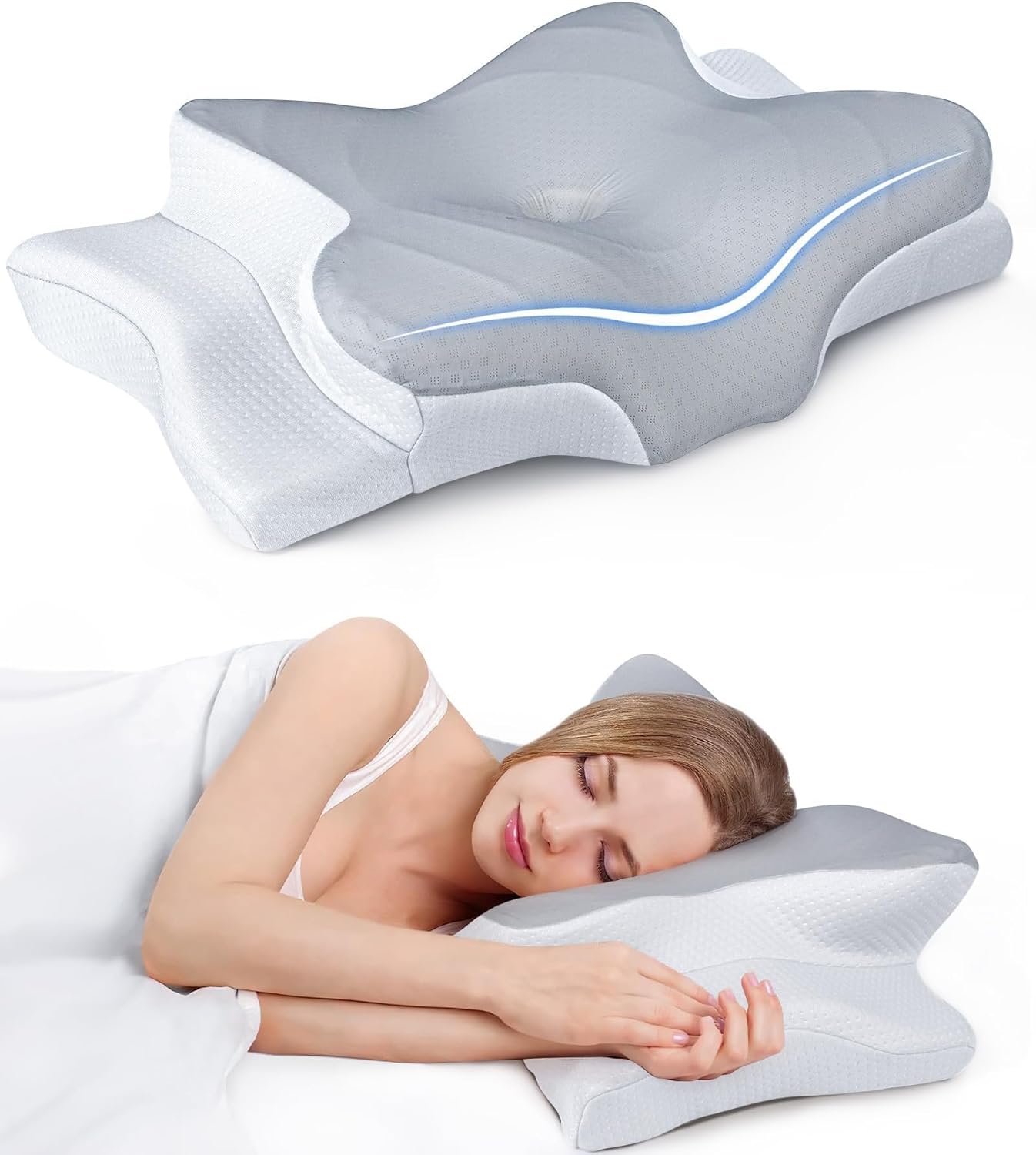
Orthopedic Pillow

Sudoku Puzzle Book
Fall prevention for seniors starts with simple changes at home, safer shoes, better lighting, and a review of medications and balance. If falls keep happening, talk to your doctor, pharmacist, or physical therapist so the cause can be checked properly.
Falls can change a senior’s day in an instant, and the effects often last far longer than the bruise or sprain. The good news is that many falls are preventable with a few practical changes at home, better lighting, safer footwear, and a closer look at health factors that affect balance.
This guide from the SeniorsProTalk Editorial Team covers fall prevention for seniors in a simple, room-by-room way. If you are caring for an older adult, these tips can help you make the home safer without turning it into a hospital room.
- Check the home first: Remove clutter, loose rugs, and other trip hazards.
- Improve visibility: Add night lights and better lighting in key areas.
- Support safe walking: Wear non-slip shoes and use mobility aids correctly.
- Reduce bathroom risk: Use grab bars, non-slip mats, and shower seating.
- Review health factors: Ask a doctor or pharmacist about dizziness, meds, and balance.
Why Fall Prevention for Seniors Matters More in 2026
As more adults age at home, fall prevention has become one of the most important parts of caregiving and home safety. A fall can lead to pain, fear of moving around, a loss of confidence, and sometimes a move to more supportive care than the person originally needed.
How falls affect independence, recovery time, and long-term care needs
For many seniors, the biggest concern after a fall is not just the injury itself. It is the ripple effect: less walking, more sitting, weaker muscles, and a growing worry about falling again. That fear can lead to avoiding stairs, showers, or even daily exercise, which may make balance worse over time.
Recovery can also take longer with age, especially if a fall causes a fracture, head injury, or a hospital stay. In some cases, a fall may be the event that reveals a need for more help at home, physical therapy, or a change in living situation.
Who is most at risk: mobility limits, medications, vision changes, and home hazards
Some seniors are more likely to fall because of mobility limits, arthritis, weakness, or trouble getting up from a chair. Others face risks from medications that cause dizziness or sleepiness, vision changes that make it harder to see steps, or home hazards like clutter and loose rugs.
If you are unsure whether a medication, health condition, or balance problem is contributing to falls, talk to your doctor or consult your pharmacist. The right advice depends on the full picture, including age, diagnoses, and the medicines a person takes.
A single fall can be a warning sign of a larger problem. If a senior has repeated falls, sudden weakness, fainting, chest pain, confusion, or a head injury, seek medical help right away.
1. Start With a Room-by-Room Home Safety Check
The simplest way to begin is to walk through the home and look for anything that could catch a foot, block a path, or make someone lose balance. This does not have to be a major project. A careful 15-minute check can reveal several easy fixes.
Practical examples: loose rugs, poor lighting, cords, cluttered walkways, and slippery bathrooms
Common hazards include loose throw rugs, curled edges on carpet, power cords across walking paths, shoes left in the hallway, and clutter near chairs or beds. Bathrooms can be especially risky because water, soap, and smooth floors create slippery surfaces.
Stairs, entryways, and narrow hallways deserve extra attention. Even a small object on the floor can become a major obstacle for someone who uses a cane, walker, or bifocals.
Simple fixes seniors and caregivers can make the same day
Start with the fastest changes: remove loose rugs, move cords against the wall, clear walkways, and store frequently used items within easy reach. Keep the floor open around beds, recliners, and the path to the bathroom.
If a task feels too heavy or unsafe, ask a family member, neighbor, or home care helper to assist. For seniors who want more independence with daily routines, tools like how seniors can use Alexa at home may also support reminders for lights, calls, or medication timing.
- Loose rugs and mats
- Clutter in hallways and doorways
- Cords, pet bowls, and small furniture
- Bathroom floor traction
- Stair railings and entry steps
2. Improve Lighting and Visibility in High-Risk Areas
Good lighting matters more than many families realize. A room can look bright in the daytime and still be unsafe at night or early in the morning when eyes need extra help adjusting.
Best places to add night lights, motion lights, and brighter bulbs
Add night lights in hallways, bedrooms, bathrooms, and along the path from the bed to the toilet. Motion-activated lights can be helpful near closets, stairs, and entry doors because they turn on automatically when someone walks by.
Brighter bulbs may also help in kitchens, laundry rooms, and reading areas, especially for seniors with vision changes. If glare is a problem, choose bulbs and fixtures that spread light evenly rather than creating sharp brightness.
Common mistake: relying on overhead lighting alone
Overhead lighting is useful, but it does not always light the floor well enough to prevent a stumble. Shadows near furniture, stairs, or corners can hide obstacles, especially at night.
Think of lighting as layered protection. One ceiling light is rarely enough on its own. A few smaller lights placed in the right spots often work better than one bright fixture in the center of the room.
3. Choose Safer Footwear and Mobility Support
Feet and walking aids play a bigger role in fall prevention than many people expect. Shoes that fit poorly, slippers that slide, or a cane set at the wrong height can all throw off balance.
What to look for in non-slip shoes, supportive slippers, and proper cane or walker use
Look for shoes with firm soles, closed backs, and good grip. Supportive slippers should stay on the foot securely and should not have slick bottoms that slide on tile or wood floors.
If a cane or walker is used, it should be the correct height and in good condition. Rubber tips, wheels, and hand grips wear out over time. A physical therapist, doctor, or durable medical equipment supplier can help check whether the device still fits properly.
Even a small change in shoe grip or cane height can affect posture and balance. That is why a professional fit check is often worth the time.
When worn-out shoes or incorrect device height increase fall risk
Worn-out shoes may lose traction, collapse at the heel, or allow the foot to slide inside the shoe. That can make walking less stable, especially on stairs or uneven ground.
Incorrect device height can also create problems. A cane that is too short or too tall may cause leaning, shoulder strain, or uneven steps. If you are not sure whether a mobility aid is fitted correctly, consult your healthcare provider or physical therapist.
4. Reduce Bathroom and Bedroom Fall Hazards
Bathrooms and bedrooms are two of the most common places for falls because people move there in low light, often when they are tired or in a hurry. A few targeted changes can make both rooms much safer.
Grab bars, shower chairs, raised toilet seats, and non-slip mats
Grab bars near the toilet and inside the shower can provide steady support when sitting, standing, or stepping over a tub edge. Shower chairs help reduce the need to balance on one foot while washing.
Raised toilet seats and non-slip mats can also reduce strain and slipping. Be careful with towel bars and sink fixtures; they are not designed to hold body weight and should not be used as grab bars.
Bed height, bedside essentials, and nighttime bathroom trips
In the bedroom, make sure the bed is not too high or too low for easy standing. Seniors should be able to place both feet on the floor and rise without struggling.
Keep essentials within reach: glasses, hearing aids, a phone, water, tissues, and a flashlight. If nighttime bathroom trips are frequent, use a clear path and consider a bedside commode only if a doctor or home care professional recommends it.
Bathroom safety products may be covered differently depending on insurance, medical need, and where you buy them. Medicare and other plans may cover some durable medical equipment in certain situations, but coverage varies.
5. Review Medications, Balance, and Health Conditions With a Professional
Not every fall starts with a trip or slip. Some begin with dizziness, a sudden drop in blood pressure, blurry vision, or a medication side effect that makes standing less steady.
How dizziness, blood pressure changes, and sedating medications contribute to falls
Some medicines can make a person sleepy, lightheaded, or slow to react. Blood pressure changes, dehydration, and low blood sugar can also affect balance and reaction time.
This is why medication reviews matter. A pharmacist can often help spot combinations that raise fall risk, while a doctor can check whether symptoms may be caused by a health condition rather than just age.
Expert warning signs that require a doctor, pharmacist, or physical therapist
Call a doctor if falls happen more than once, if there is new dizziness, if walking suddenly becomes harder, or if a senior begins holding onto furniture to move around the house. These can be signs that balance, vision, or strength needs attention.
A physical therapist may also help if a person feels unsteady after illness, hospitalization, or a previous fall. The right exercises and walking strategy depend on the individual, so do not guess when symptoms are persistent or worsening.
If a senior has fallen, feels dizzy when standing, or has started a new medication recently, ask a doctor or pharmacist to review the situation. Do not stop prescription medicine on your own unless a healthcare provider tells you to.
6. Build Strength and Balance Into the Weekly Routine
Safe movement is one of the best long-term tools for fall prevention for seniors. Stronger legs, better balance, and more confidence can make everyday tasks feel less risky.
Safe examples: walking, chair exercises, tai chi, and simple balance drills
Gentle walking, chair exercises, tai chi, and simple balance drills may help improve stability when done regularly. The best activity is one that feels safe, realistic, and easy to keep up.
Chair-based movement is a good starting point for people with limited stamina or joint pain. A caregiver can help by making sure the area is clear and that sturdy furniture is used for support if needed.
How to start slowly after inactivity or a previous fall
After a long period of inactivity or after a fall, it is wise to begin slowly. Short sessions are often better than long ones, especially if there is fear of falling or weakness in the legs.
Talk to your doctor before starting a new exercise routine if there is heart disease, severe arthritis, recent surgery, or another condition that affects movement. A physical therapist can suggest safer ways to rebuild strength step by step.
- Better leg strength for standing and walking
- Improved balance and coordination
- More confidence with daily movement
- Lower chance of activity-related fear
7. Compare Safety Upgrades: Low-Cost Fixes vs. Higher-Value Equipment
Not every fall-prevention change has the same cost or effort level. Some fixes can be done the same day for very little money, while others are bigger investments that may be worth it for long-term safety.
Budget-friendly options: adhesive strips, plug-in lights, and decluttering
Low-cost improvements include adhesive non-slip strips, plug-in night lights, better organization, and removing clutter from walking paths. These are often the first changes to make because they are simple and can help right away.
They are also a good choice when you are renting, helping a parent on a fixed income, or trying to improve safety before deciding on larger changes.
Higher-cost investments: walk-in tubs, stair lifts, medical alert systems, and professional home assessments
Some homes need larger upgrades, such as a walk-in tub, stair lift, or medical alert system. These can be especially helpful when stairs, bathing, or being alone at home create ongoing risk.
A professional home assessment may also be worthwhile if falls keep happening or if the home has many steps, narrow hallways, or other design challenges. Costs and insurance coverage vary, so check with the provider, Medicare, or a supplemental plan before making a purchase.
| Option | Best For | Note |
|---|---|---|
| Adhesive strips | Slippery floors and tubs | Simple, low-cost traction |
| Night lights | Hallways and bathrooms | Helpful for nighttime trips |
| Medical alert system | Seniors who live alone | Useful if a fall happens when no one is nearby |
| Home assessment | Repeated falls or complex homes | Can identify hidden hazards |
8. Final Recap: The 10 Simple Safety Tips That Make the Biggest Difference
The most effective fall-prevention plan is usually a mix of small changes, regular checkups, and a realistic look at what the home and the body need. You do not have to fix everything at once to make a meaningful difference.
Common mistakes to avoid when trying to prevent falls at home
One common mistake is focusing only on the floor while ignoring lighting, shoes, or medication side effects. Another is using furniture, towel bars, or unstable objects for support instead of proper grab bars or mobility aids.
It is also easy to delay action because the home “seems fine” after one fall. But a near-miss is a warning, and repeated stumbles deserve attention from a doctor or other healthcare professional.
Quick action plan for seniors, family caregivers, and home care supporters
Start with the highest-risk areas: bathroom, bedroom, stairs, and hallways. Then check shoes, mobility devices, medications, and lighting. If needed, bring in a trusted family caregiver, home care helper, pharmacist, or physical therapist to help build a safer routine.
For readers who are also exploring supportive living options, it may help to compare home safety with broader lifestyle choices such as senior living vs independent living. If balance, strength, or daily support needs are changing, that context can make the next decision easier.
Fall prevention for seniors works best when it is practical, personal, and updated as needs change. A safer home, better lighting, stronger footing, and timely medical advice can help many older adults stay more confident at home.
Frequently Asked Questions
Start with a room-by-room safety check. Focus on loose rugs, clutter, lighting, bathroom surfaces, and stairs.
Yes, especially for nighttime bathroom trips and early-morning walking. They help reduce shadows and make the path easier to see.
Yes, some medicines can cause dizziness, sleepiness, or lower blood pressure. Ask your doctor or pharmacist to review all prescriptions and over-the-counter products.
Choose shoes with firm soles, good grip, and a secure fit. Avoid worn-out shoes and slippery slippers.
Yes. Grab bars are designed to support body weight, while towel bars are not safe for that purpose.
See a doctor if there are repeated falls, dizziness, weakness, confusion, pain, or any head injury. A fall can be a sign that balance or a medical issue needs attention.