
Elderly Driver Rural Road Driving Checklist Safety Tips

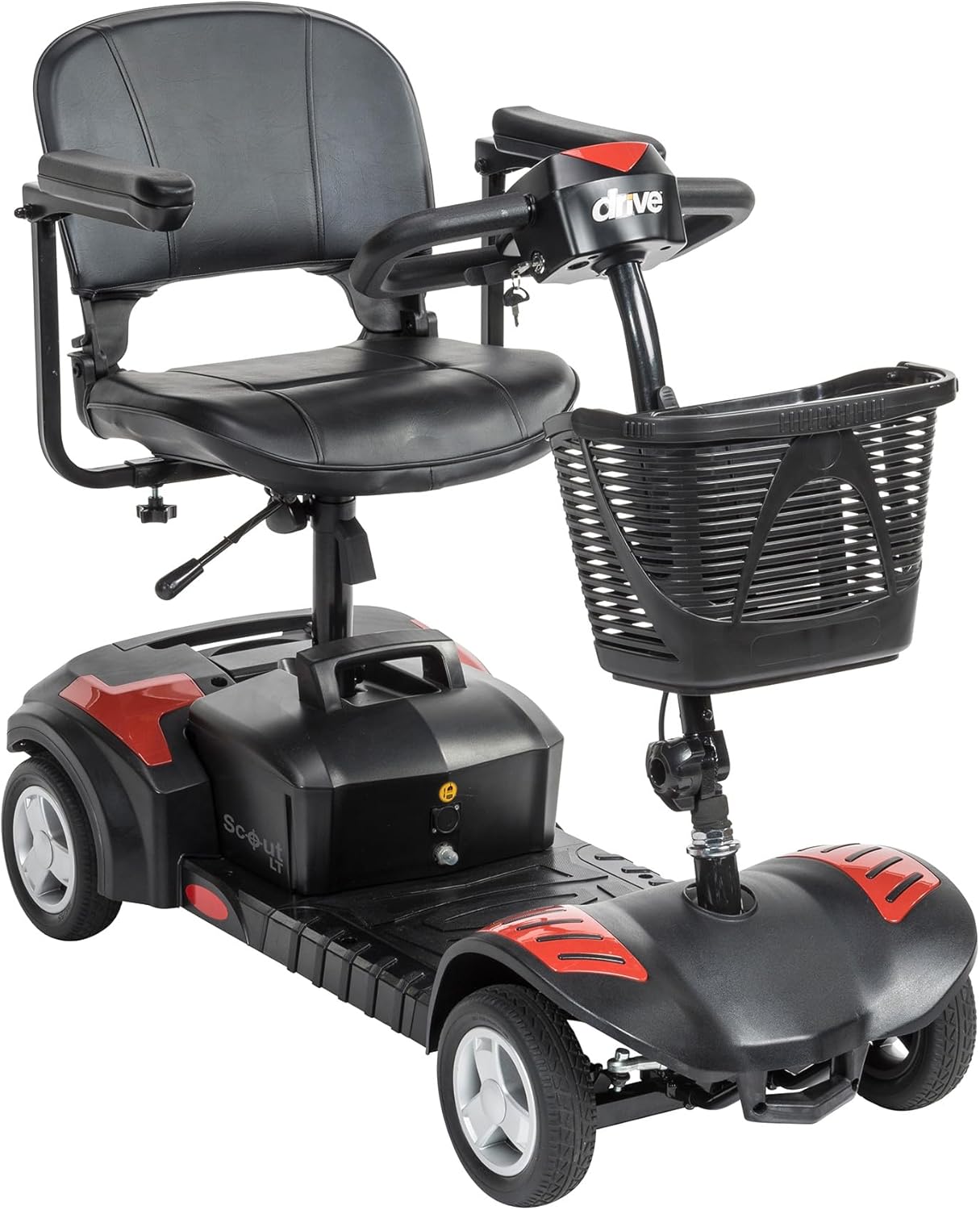
Electric Mobility Scooter

Smart Plug with Alexa

Kitchen Timer with Large Display
This elderly driver rural road driving checklist focuses on vehicle maintenance, personal readiness, and adapting driving techniques to navigate country roads safely. It also covers recognizing when to seek alternatives and leveraging new technologies.
Rural roads offer freedom and beautiful scenery, but they also present unique challenges, especially for senior drivers. This checklist is designed to help elderly drivers navigate these routes safely and confidently in 2025. We’ll cover everything from vehicle checks to on-road techniques.
- Vehicle Check: Ensure tires, brakes, lights, and wipers are in optimal condition before driving.
- Personal Assessment: Evaluate your vision, hearing, energy, and medication side effects for driving fitness.
- Route Vigilance: Plan your route, be aware of potential hazards like wildlife and poor road conditions.
- Adapt Driving: Adjust speed, increase following distance, and enhance observation on rural roads.
- Know Limits: Consult professionals and explore transportation alternatives if driving safety is a concern.
Elderly Driver Rural Road Driving Checklist: Navigating Safely in 2025
As we age, our driving needs and capabilities can change. Rural driving, with its distinct characteristics, requires careful preparation and awareness. This guide provides a comprehensive checklist to ensure seniors can continue to drive safely on country roads.
Understanding the Unique Challenges of Rural Driving for Seniors
Rural environments are vastly different from urban settings, and these differences can impact driving safety for older adults.
The Evolving Landscape of Rural Roads
Rural roads are not always perfectly maintained. They can vary greatly in surface quality, from smooth asphalt to gravel or even dirt paths. The surrounding landscape can also change, with dense foliage or rolling hills affecting visibility.
Sensory and Physical Changes Affecting Driving
As we get older, changes in vision, hearing, and reaction time are common. Reduced night vision, slower reflexes, and potential stiffness can make it harder to adapt to the unpredictable nature of rural roads.
It’s important to be aware of how age-related changes might affect your driving abilities and to take proactive steps to mitigate any risks.
Common Rural Road Hazards for Elderly Drivers
Several specific hazards are more prevalent in rural areas and require extra attention from senior drivers.
Unpredictable Wildlife and Livestock
Animals, whether wild or farm animals, can suddenly dart into the road. Deer, rabbits, or even escaped livestock pose a significant risk, especially at dawn and dusk.
Varying Road Conditions (Gravel, Dirt, Potholes)
Rural roads may not be paved or may suffer from disrepair. Gravel roads can be slippery, dirt roads can become muddy and rutted, and potholes can cause sudden jolts or control loss.
Limited Visibility (Curves, Hills, Weather)
Sharp curves, steep hills, and overgrown vegetation can create blind spots. Poor weather conditions like fog, heavy rain, or snow can further obscure vision, making it difficult to see oncoming traffic or hazards.
Infrequent Signage and Markings
Signage on rural roads can be sparse, faded, or damaged. Road markings may be absent, making it harder to understand speed limits, turns, or potential dangers ahead.
Pre-Drive Preparation: The Essential Elderly Driver Rural Road Driving Checklist
Thorough preparation before getting behind the wheel is crucial for safe rural driving.
Vehicle Maintenance: Ensuring Your Car is Road-Ready
A well-maintained vehicle is your first line of defense on any road, but especially on less predictable rural routes.
- Tires: Check for proper inflation and adequate tread depth. Worn tires can lose grip, especially on gravel or wet surfaces.
- Brakes: Ensure brakes are responsive and provide smooth stopping power. Listen for any unusual noises.
- Lights: Verify all headlights, taillights, brake lights, and turn signals are working correctly. This is vital for visibility.
- Wipers: Test windshield wipers and ensure the washer fluid reservoir is full. Clear visibility is paramount in changing weather.
- Fluids: Check oil, coolant, and windshield washer fluid levels. Low fluids can lead to mechanical issues.
Tire Pressure and Tread Depth
Proper tire pressure ensures optimal handling and fuel efficiency. Worn tread can significantly reduce traction, increasing the risk of skidding, particularly on wet or unpaved surfaces.
Brake System Check
Your brakes are critical for safety. Have them inspected regularly to ensure they are in good working order, especially if you notice any sponginess or hear grinding noises.
Lights and Wipers Functionality
Ensure all lights are clean and working, including headlights, taillights, and turn signals. Functional wipers and clean windshields are essential for visibility in rain or fog.
Fluid Levels (Oil, Coolant, Washer Fluid)
Regularly check and top up essential fluids like engine oil, coolant, and windshield washer fluid. This prevents unexpected breakdowns and ensures proper vehicle operation.
Personal Readiness: Is it a Good Day to Drive?
Beyond vehicle checks, assessing your own physical and mental state is vital for safe driving.
Your ability to drive safely can fluctuate daily. It’s wise to be honest with yourself about your condition before starting a trip.
Assessing Physical Well-being (Vision, Hearing, Energy Levels)
Are your eyes feeling rested and your vision clear? Is your hearing adequate to detect important sounds like sirens or horns? Do you have enough energy for the drive, or are you feeling fatigued?
If you have concerns about your vision, hearing, or overall physical condition impacting your driving, consult your healthcare provider. Regular check-ups are essential.
Medication Side Effects and Driving
Many medications can cause drowsiness, dizziness, or impaired judgment. Always review medication labels and discuss potential side effects with your doctor or pharmacist.
Don’t assume a medication is safe for driving. Ask your pharmacist about any potential side effects that could affect your ability to operate a vehicle.
Mental Alertness and Focus
Are you feeling mentally sharp and able to concentrate? Stress, lack of sleep, or distracting thoughts can impair your focus on the road.
Route Planning: Navigating with Confidence
Knowing your route in advance can significantly reduce stress and potential missteps.
Familiarizing with the Route
Before you leave, study your route. Use maps or GPS to understand turns, distances, and potential landmarks. If the route is new, consider driving it once during daylight hours when you’re not rushed.
Identifying Potential Road Hazards in Advance
Look for any known tricky intersections, steep hills, or areas prone to fog on your planned route. This preparation allows you to be more vigilant.
Having a Backup Plan or Alternative Route
What if there’s unexpected road closure or construction? Having an alternative route in mind can prevent disorientation and frustration if your primary path becomes impassable.
On the Road: Essential Driving Techniques for Rural Environments
Once you’re on the road, adapting your driving style to rural conditions is key.
Adapting to Speed and Distance
Rural roads often have higher speed limits than city streets, but conditions can necessitate slower speeds.
Maintaining Safe Following Distances on Varied Surfaces
On gravel or dirt roads, increase your following distance significantly. This gives you more time to react if the vehicle ahead brakes suddenly or encounters a hazard.
Adjusting Speed for Curves and Blind Spots
Slow down before entering curves, especially those with limited visibility. Be prepared to slow further if approaching a blind hill or curve where oncoming traffic could appear unexpectedly.
Always match your speed to the road conditions and visibility, not just the posted speed limit.
Enhanced Observation and Awareness
Rural driving demands constant vigilance. Your senses need to be on high alert.
Scanning for Unexpected Obstacles (Debris, Animals)
Continuously scan the road ahead, the shoulders, and the ditches for potential hazards like fallen branches, debris, or animals preparing to cross.
Utilizing Mirrors Effectively for Wider Peripheral Vision
Regularly check your rearview and side mirrors. They provide crucial information about traffic behind and beside you, expanding your awareness beyond what you see directly ahead.
Being Prepared for Oncoming Traffic on Narrow Roads
On narrow rural roads, be ready to slow down or even pull over slightly if you encounter an oncoming vehicle, especially larger trucks or farm equipment.
Navigating Intersections and Junctions
Rural intersections can be less clearly marked and may lack traffic signals.
Recognizing and Reacting to Limited Signage
Pay close attention to any signs present. A simple stop sign or yield sign might be the only warning of an approaching intersection.
Understanding the Importance of Clear Visibility Before Proceeding
Before entering any intersection, ensure you have a clear view in all directions. Wait until it’s absolutely safe, even if you have the right of way.
Dealing with Uncontrolled Intersections
At intersections without signs or signals, treat them as if you have a stop sign. Yield to any traffic already in the intersection or approaching from your right.
Practice maintaining a calm demeanor. Frustration or anxiety can impair judgment and reaction time, so take deep breaths if you feel stressed.
Common Mistakes to Avoid on Rural Roads
Being aware of common errors can help prevent dangerous situations.
Overestimating Abilities and Underestimating Risks
Don’t assume your driving skills are unchanged or that rural roads are inherently safe. Always err on the side of caution.
Driving During Poor Weather or Low Light Conditions
Fog, heavy rain, snow, dusk, and nighttime significantly reduce visibility. If conditions are poor, it’s often best to postpone your trip.
Distracted Driving (GPS, passengers, in-car devices)
Even a moment of distraction can be dangerous on rural roads. Keep your focus solely on driving and navigating.
Hesitation and Indecision Leading to Hazardous Situations
While caution is good, prolonged hesitation at intersections or during maneuvers can create confusion for other drivers and lead to accidents.
Ignoring Vehicle Warning Lights or Unusual Sounds
If a warning light illuminates on your dashboard or you hear an odd noise, don’t ignore it. Pull over safely and assess the situation, or call for assistance.
When to Seek Expert Advice or Reconsider Driving
Recognizing when driving may no longer be safe is a responsible and important step.
Recognizing Signs of Driving Decline
Are you experiencing more near misses? Do friends or family express concerns about your driving? Have you received citations or warnings? These can be signs it’s time to re-evaluate.
Self-assessment is crucial, but objective feedback from trusted sources can provide valuable insight into your driving safety.
Consulting with Healthcare Professionals (Doctors, Optometrists)
Regular medical check-ups are essential. Discuss any concerns about your vision, hearing, reaction time, or cognitive function with your doctor or eye specialist.
Discuss any new medications or changes in health conditions with your doctor, as they can affect your driving ability.
Exploring Driving Assessment Programs
Many communities offer professional driving evaluations specifically for seniors. These assessments can identify specific areas needing improvement or determine if driving is still safe.
Options for Transportation Alternatives
If driving becomes challenging, there are many excellent alternatives available to maintain independence and mobility.
Public Transportation Services in Rural Areas
While less common than in cities, some rural areas have limited public transport options, such as dial-a-ride services or community shuttles.
Ride-Sharing and Taxi Services
Local taxi companies and ride-sharing services are becoming more available, even in some rural communities. These can be excellent options for appointments or errands.
Family and Community Support Networks
Relying on family, friends, or neighbors for rides can be a wonderful way to stay connected and mobile. Community volunteer driver programs also exist in many areas.
Maintaining social connections is vital for well-being. Exploring alternative transportation can ensure you can still participate in community activities and visit loved ones.
The Future of Senior Mobility: Technology and Support Systems
Advancements in technology and community programs are making it easier for seniors to stay mobile safely.
In-Car Driver Assistance Technologies (ADAS)
Modern vehicles offer features like automatic emergency braking, lane departure warnings, and adaptive cruise control that can enhance safety.
GPS Navigation Tools and Real-Time Traffic Updates
GPS devices and smartphone apps can provide turn-by-turn directions and alert you to traffic delays or hazards, simplifying navigation.
Community Programs and Driving Refresher Courses
Many organizations offer defensive driving courses tailored for seniors, which can help refresh skills and introduce new safety techniques.
Final Recap: Your Comprehensive Elderly Driver Rural Road Driving Checklist Summary
Safe rural driving for seniors involves a combination of careful preparation, mindful driving techniques, and a willingness to adapt. By following this checklist, older adults can enhance their safety and confidence on country roads.
- Vehicle Preparedness: Ensure tires, brakes, lights, and wipers are in top condition.
- Personal Readiness: Assess your physical and mental state, considering medication effects.
- Route Planning: Familiarize yourself with the route and identify potential hazards.
- On-Road Techniques: Adapt speed, maintain distance, and be extra observant.
- Hazard Awareness: Be vigilant for wildlife, varying road conditions, and limited signage.
- Know When to Reassess: Consult professionals and consider alternatives if driving becomes unsafe.
Frequently Asked Questions
Rural driving presents challenges like unpredictable wildlife, varying road conditions (gravel, potholes), limited visibility on curves and hills, and infrequent signage. Seniors may also face sensory changes affecting vision and hearing.
Preparation includes ensuring the vehicle is road-ready (tires, brakes, lights), assessing personal well-being (vision, energy, medication effects), and planning the route in advance, including backup options.
Key techniques include adapting speed to conditions, maintaining safe following distances on varied surfaces, adjusting speed for curves and blind spots, and practicing enhanced observation for unexpected obstacles.
Avoid overestimating abilities, driving in poor weather or low light, being distracted, hesitating excessively, and ignoring vehicle warning lights or unusual sounds.
Consider seeking advice if you notice signs of driving decline, such as near misses or concerns from loved ones. Consulting healthcare professionals or driving assessment programs is recommended.
Alternatives include public transportation services (where available), ride-sharing and taxi services, and leveraging family, friends, or community volunteer driver programs.