
Essential Elder Care Documents Checklist For Peace of Mind


Talking Clock
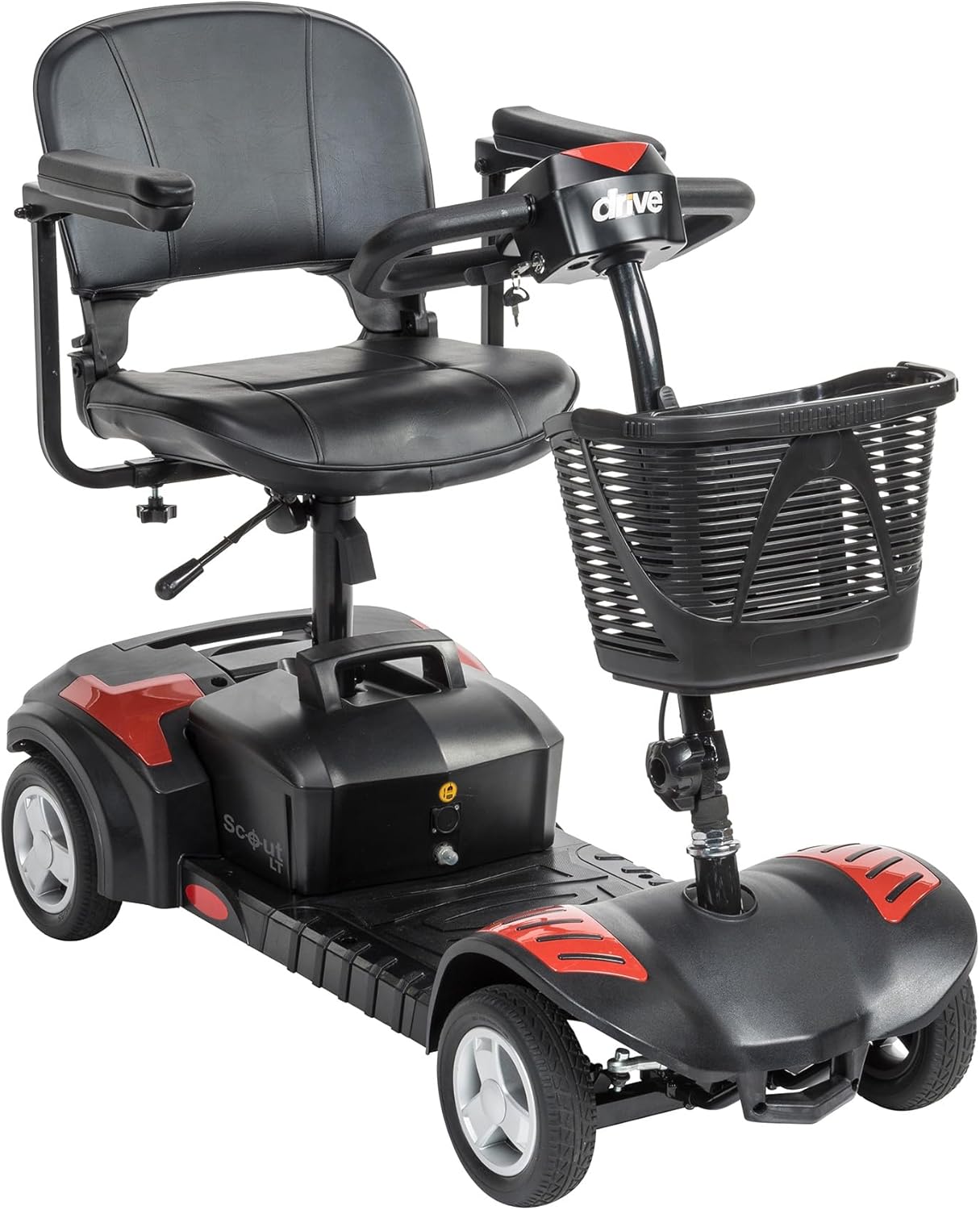
Electric Mobility Scooter

Digital Blood Pressure Monitor
An essential elder care documents checklist covers legal authority, healthcare management, financial planning, and personal contacts to ensure your loved one’s wishes are honored. Proactive organization provides peace of mind for families navigating future care needs.
As our loved ones age, ensuring their continued well-being and autonomy becomes a top priority. Navigating the complexities of elder care can feel overwhelming, but having the right documents in order can provide immense peace of mind for both seniors and their families. This comprehensive checklist is designed to guide you through the essential paperwork needed for effective elder care planning in 2026.
- Legal Authority: Secure Durable Power of Attorney and Advance Healthcare Directives to empower trusted decision-makers.
- Healthcare Management: Organize medical records, medication lists, and insurance details for efficient care.
- Financial Planning: Address wills, trusts, and asset management to secure future stability.
- Personal Information: Maintain an up-to-date emergency contact list and essential personal document copies.
- Proactive Planning: Avoid common pitfalls like procrastination and lack of communication by starting early and seeking.
Navigating the Essentials: Your 2026 Elder Care Documents Checklist
Preparing for future care needs is a proactive step that honors your loved one’s wishes and simplifies decision-making during challenging times. This checklist will help you gather and organize critical documents, ensuring that your family is prepared for various scenarios.
Why This Checklist is Crucial for Families in 2026
In today’s evolving landscape of healthcare and financial planning, having a clear set of elder care documents is more important than ever. This preparation ensures that your loved one’s preferences are known and respected, their finances are managed responsibly, and their healthcare decisions are guided by their own wishes, even if they become unable to communicate them.
Understanding the Core Categories of Elder Care Documents
To make this process manageable, we’ve broken down the essential documents into key categories: Legal Authority, Healthcare Management, Financial Planning, and Personal Information. Each section addresses specific needs and ensures comprehensive coverage.
I. Legal Authority: Empowering Decisions When It Matters Most
Legal documents are the bedrock of elder care planning, providing clear directives for decision-making when a senior loses capacity. These documents ensure that a trusted individual can act on their behalf.
Durable Power of Attorney for Finances: What to Include and Why
A Durable Power of Attorney (DPOA) for Finances allows a designated person, often called an agent or attorney-in-fact, to manage financial affairs. This is crucial for paying bills, managing investments, and handling other financial matters if the senior becomes unable to do so themselves. It remains effective even if the principal becomes incapacitated.
Example: Designating a trusted adult to manage bills and investments.
For instance, a daughter might be appointed to pay her father’s monthly utility bills, manage his retirement account withdrawals for living expenses, and file his taxes. This prevents financial disruption and ensures his needs are met.
Advance Healthcare Directive (Living Will/Healthcare Power of Attorney): Ensuring Your Loved One’s Wishes Are Honored
This vital document outlines a senior’s wishes regarding medical treatment, especially in end-of-life situations. It typically includes a Living Will (stating preferences for life-sustaining treatments) and a Healthcare Power of Attorney (appointing someone to make medical decisions if the senior cannot).
Example: Specifying preferences for medical treatments and end-of-life care.
A senior might specify that they do not wish to be kept alive by artificial means or that they would prefer comfort care over aggressive treatments if their condition is irreversible.
It’s essential that these documents are specific and clearly state the individual’s wishes to avoid ambiguity and potential family disputes.
Guardianship and Conservatorship: When Formal Legal Appointments Are Necessary
If a senior has not established a Durable Power of Attorney or Advance Healthcare Directive, and later becomes unable to manage their affairs or make decisions, a court may need to appoint a guardian (for personal care decisions) or conservator (for financial decisions). This process can be lengthy, costly, and may not result in the person of choice managing affairs.
Common Mistake: Delaying these crucial legal documents until a crisis occurs.
Waiting until a crisis hits is a frequent misstep. Establishing these legal authorities proactively ensures that the senior’s chosen representatives can act swiftly and according to their wishes, avoiding the need for court intervention.
II. Healthcare Management: Keeping Track of Medical Information
Organized medical information is key to ensuring proper care and timely treatment. Having these details readily available can save precious time and prevent errors.
Medical Records and History: A Comprehensive Overview
Gathering all relevant medical history, including past diagnoses, surgeries, allergies, and current conditions, is crucial. This provides a complete picture for any healthcare provider involved in the senior’s care.
Practical Tip: Organizing doctor’s contact information and past diagnoses.
Create a binder or digital folder containing a list of all healthcare providers, their contact details, and a chronological record of significant health events and diagnoses.
Medication Lists: Simplifying Complex Regimens
Many seniors manage multiple medications. A clear, up-to-date medication list is essential to prevent dangerous interactions, missed doses, or accidental overdoses. This list should include prescription drugs, over-the-counter medications, vitamins, and supplements.
Example: Creating a clear, up-to-date list of all prescriptions, dosages, and schedules.
An example list would detail the drug name, dosage (e.g., 10mg), frequency (e.g., twice daily), and the reason for taking it (e.g., for high blood pressure).
Review your medication list with your doctor or pharmacist at least every six months, or whenever a new medication is prescribed.
Insurance Information: Navigating Coverage Effectively
Understanding health insurance coverage is vital for managing healthcare costs. This includes Medicare, Medicaid, supplemental insurance policies, and any private insurance plans.
Cost Consideration: Understanding the impact of Medicare, Medicaid, and supplemental plans in 2026.
In 2026, various Medicare Advantage plans, traditional Medicare with supplemental plans, and state-specific Medicaid programs will offer different coverage levels and costs. Knowing which plans are in place and what they cover is essential for budgeting healthcare expenses.
III. Financial Planning: Securing Future Stability
Thoughtful financial planning ensures that a senior’s assets are managed according to their wishes and that their financial future is secure.
Wills and Trusts: Estate Planning for Seniors
A will dictates how assets are distributed after death. Trusts can offer more complex estate planning benefits, such as avoiding probate or providing for ongoing management of assets for beneficiaries. These documents are critical for ensuring a smooth transfer of wealth and assets.
Expert Warning: The importance of consulting an estate planning attorney to avoid costly errors.
Mistakes in drafting or executing wills and trusts can lead to significant legal challenges and unintended distribution of assets, making professional legal advice indispensable.
This estate planning checklist can help guide you through the initial considerations.
Retirement Accounts and Investment Statements: Access and Management
Details regarding pensions, 401(k)s, IRAs, stocks, bonds, and other investment accounts are crucial. Knowing where these accounts are held and how to access them ensures continuity of income and asset management.
Property Deeds and Titles: Owning and Transferring Assets
Documentation related to real estate ownership, including deeds and titles, is essential. This clarifies ownership and facilitates any future transfer or sale of property as per the senior’s estate plan.
IV. Personal and Contact Information: The Foundation of Support
Beyond legal and financial documents, having a readily accessible list of personal contacts and important information is fundamental for daily support and emergencies.
Emergency Contact List: Immediate Access to Key Individuals
A list of emergency contacts, including family members, close friends, and neighbors, with their phone numbers and email addresses, is vital for quick communication during any unforeseen event.
Keep this list in multiple accessible locations, such as on the refrigerator, in a wallet, and on a mobile device.
Important Personal Documents: Birth Certificates, Social Security Cards, and More
Essential personal identification documents like birth certificates, Social Security cards, passports, and marriage certificates should be kept safe but accessible. These are often needed for legal, financial, and healthcare purposes.
Practical Tip: Storing these securely but accessibly.
Consider a fireproof safe or a secure digital storage service for these irreplaceable documents. Ensure a trusted individual knows how to access them if needed.
For a more detailed look at organizing these items, refer to our important papers checklist.
Service Provider Information: Home Care Agencies, Therapists, and More
If the senior receives services from home care agencies, therapists, elder care attorneys, or financial advisors, keep a list of these providers and their contact information. This streamlines communication and ensures continuity of care and services.
A comprehensive caregiver emergency plan should include this information.
V. Common Pitfalls and How to Avoid Them
Many families encounter similar challenges when preparing elder care documents. Awareness of these common pitfalls can help you navigate the process more smoothly.
Mistake 1: Procrastination – The Biggest Obstacle
The most significant hurdle is often delaying the process. This can lead to rushed decisions, incomplete documentation, or a lack of necessary legal authority when a crisis arises.
Start the conversation and the process early. It’s never too soon to begin planning for future care needs.
Mistake 2: Lack of Communication – The Silent Killer of Planning
Failing to have open and honest conversations with the senior about their wishes, fears, and preferences is a common oversight. This can lead to assumptions and decisions that don’t align with their desires.
Open communication with loved ones is key to reducing caregiver stress.
Mistake 3: Incomplete or Outdated Documents – Rendering Them Useless
Documents that are not properly executed, are missing key clauses, or haven’t been updated to reflect changes in circumstances (like marital status, new assets, or evolving healthcare preferences) can become invalid or ineffective.
Expert Advice: Regularly reviewing and updating all elder care documents.
Schedule annual reviews of all legal, financial, and healthcare documents. Update them as life events occur or as laws change to ensure they remain relevant and legally sound.
VI. Seeking Professional Guidance: When to Call in the Experts
While this checklist provides a roadmap, certain aspects of elder care planning require professional expertise.
When to Consult an Elder Law Attorney
An elder law attorney can draft essential legal documents like Powers of Attorney and Advance Healthcare Directives, advise on estate planning, and help navigate complex issues such as long-term care planning, Medicaid eligibility, and guardianship. They ensure your documents are legally sound and meet your specific needs.
When to Seek Advice from a Financial Advisor
A financial advisor can help manage investments, plan for retirement income, and ensure that financial resources are adequate for projected long-term care costs. They can also advise on the financial implications of various care options.
Financial advisors can also offer guidance on protecting elderly parent finances from fraud.
When to Engage a Geriatric Care Manager
Geriatric care managers are professionals who assess a senior’s needs and coordinate various services, including healthcare, housing, and social support. They act as a liaison between the senior, family, and service providers, offering invaluable support and expertise in navigating the elder care system.
VII. Bringing It All Together: Your Actionable 2026 Elder Care Documents Checklist
Organizing these documents can seem daunting, but a systematic approach makes it achievable. The goal is to create a readily accessible and secure system.
Step-by-Step Guide to Gathering and Organizing
Go through each section of this checklist and identify which documents your loved one already has and which need to be created or updated.
Collect all current legal, financial, and medical documents. Make copies for easy reference.
Schedule appointments with an elder law attorney, financial advisor, or other necessary professionals to create or review documents.
Use a binder, filing cabinet, or secure digital system to group documents logically by category.
Let the designated agents, your spouse, or adult children know where the documents are stored and who holds legal authority.
Creating a Centralized, Secure Location for Documents
Choose a safe and accessible place for all these crucial papers. Options include a fireproof safe at home, a safe deposit box at a bank, or a secure cloud-based storage service. Ensure that your designated representatives know how to access this location.
Establishing a System for Regular Review and Updates
Life changes, and so do needs and wishes. Set a recurring reminder, perhaps annually or on the senior’s birthday, to review all documents. This ensures they remain current and reflect the individual’s latest circumstances and preferences.
Consistent caregiving documentation is essential for ongoing care management.
Recap: The Lasting Peace of Mind Achieved Through Preparedness
Completing an elder care documents checklist is more than just paperwork; it’s an act of love and responsibility. It ensures that your loved one’s wishes are protected, their affairs are in order, and your family can navigate future challenges with confidence and clarity. This proactive planning provides invaluable peace of mind for everyone involved.
Frequently Asked Questions
The most critical legal documents for elder care include a Durable Power of Attorney for Finances, an Advance Healthcare Directive (Living Will/Healthcare Power of Attorney), and potentially a Will or Trust for estate planning.
A Durable Power of Attorney for Finances allows a trusted person to manage your loved one’s financial affairs if they become unable to do so themselves, ensuring bills are paid and assets are managed.
An Advance Healthcare Directive should specify your loved one’s wishes regarding medical treatments, including end-of-life care preferences and who should make decisions if they cannot.
Organize medical information by keeping a comprehensive list of past diagnoses, allergies, current conditions, doctor’s contact details, and an up-to-date medication list.
Common mistakes include procrastination, lack of communication with the senior, and using incomplete or outdated documents, which can render them ineffective.
You should seek professional guidance from an elder law attorney for legal documents, a financial advisor for financial planning, and potentially a geriatric care manager for coordinating care services.