
Dressing Assistance for Elderly Made Easy and Safe

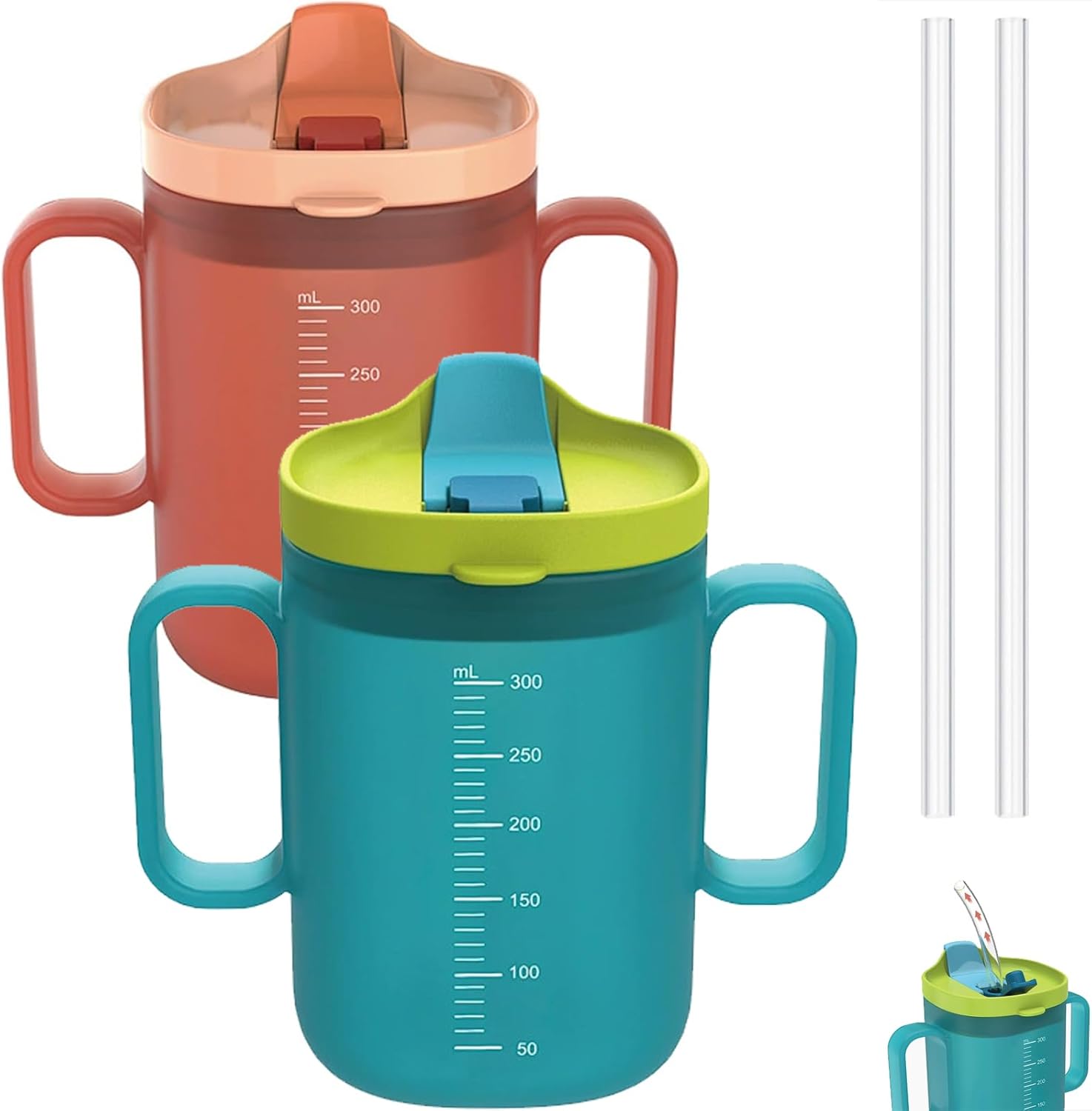
Spill-Proof Adult Cup

Bedside Commode Chair

Electric Food Chopper
Dressing assistance for elderly adults works best when it protects safety, comfort, and dignity while still encouraging independence. Simple clothing choices, adaptive tools, and calm step-by-step help can make the routine much easier.
Dressing assistance for elderly adults should make life safer, calmer, and more comfortable, not more stressful. The best support protects dignity, preserves independence where possible, and reduces the risk of falls, pain, and frustration during a daily routine many people take for granted.
For families and caregivers, the goal is not to “do everything,” but to help in a way that fits the person’s abilities on that day. Small changes in clothing choices, timing, and technique can make a big difference, especially when mobility, arthritis, memory changes, or fatigue are part of the picture.
- Safety first: Seated dressing and clutter-free spaces help reduce falls.
- Support independence: Help only where needed and offer simple choices.
- Use the right tools: Sock aids, button hooks, and shoehorns can reduce strain.
- Watch for warning signs: Sudden pain, weakness, or confusion needs medical review.
- Check costs carefully: Coverage and out-of-pocket expenses vary by plan and service.
Why Dressing Assistance for Elderly Matters in 2026
As more older adults choose to age at home, dressing support has become a practical part of everyday caregiving. Simple tasks like pulling on socks or fastening buttons can become difficult after surgery, with chronic pain, or when balance is unsteady.
Good dressing assistance can also help prevent falls. Reaching, twisting, standing on one foot, or hurrying to get ready can all increase risk, especially in a bedroom with tight spaces or slippery floors. If you are also planning other home supports, it may help to review options like how seniors can use Alexa at home for reminders and hands-free help around the house.
Try to dress at the time of day when energy is best. Many older adults do better after rest, pain medication that has been approved by a doctor, or a warm-up period after getting out of bed.
Dressing support also matters because it affects confidence. A person who feels rushed, exposed, or embarrassed may resist help, even when they need it. Respectful routines can reduce tension and make mornings smoother for everyone.
Common Dressing Challenges Older Adults Face at Home
Many dressing problems are not caused by one single issue. They often come from a mix of physical limits, fatigue, clothing design, and emotional stress. Understanding the cause makes it easier to choose the right kind of help.
Mobility limits, arthritis, and balance concerns
Stiff joints can make it hard to lift arms overhead, bend at the waist, or reach feet. Arthritis in the hands may make buttons, zippers, and small clasps painful or hard to manage. Hip, knee, back, or shoulder problems can also make simple dressing movements uncomfortable.
Balance concerns are another common issue. Standing to put on pants or shoes can feel unsafe, especially if the person has dizziness, weakness, or a history of falls. In these situations, sitting down for most of the dressing routine is usually safer.
If dressing causes pain, shortness of breath, dizziness, or repeated near-falls, stop and reassess. These may be signs that the routine needs to change, or that the person should be checked by a healthcare provider.
Cognitive changes, fatigue, and frustration during dressing
Memory loss, confusion, or trouble with sequencing can make it hard to remember the order of dressing. A person may put items on backward, wear layers in the wrong order, or become upset when the process feels too complicated.
Fatigue can also make dressing feel overwhelming. Someone who is normally independent may need more help on days when they are tired, ill, or recovering from a medical procedure. Patience matters because frustration often increases resistance.
Many older adults do better when clothes are laid out in the order they will be worn. A simple setup can reduce confusion and help preserve independence.
Safe and Practical Dressing Assistance Techniques for Caregivers
The safest dressing help usually starts with observation. Watch what the person can still do on their own, and only step in where support is truly needed. This protects dignity and keeps muscles and movement in use as long as possible.
Step-by-step support without reducing independence
Make sure the room is warm, well lit, and free of clutter. Have clothing, shoes, and any aids ready before starting.
Let the person choose between two safe outfits when possible. Small choices help preserve control and reduce resistance.
Use simple directions, one step at a time. Give the person time to complete any part they can do safely.
Ask whether anything feels tight, itchy, twisted, or painful. Comfort matters as much as appearance.
If the person has memory changes, short instructions work better than long explanations. Calm, familiar routines often reduce stress and make dressing assistance for elderly adults feel more natural.
How to assist with shirts, pants, socks, shoes, and outerwear
For shirts, start with the weaker or more painful arm first, unless a doctor or therapist has given different instructions after surgery or injury. Gentle support at the elbow or sleeve can help without pulling on the shoulder.
For pants, seated dressing is usually safer. Help the person thread one leg at a time, then stand only if they can do so steadily and with support nearby. Avoid tugging hard at the waistband, which can cause loss of balance.
Socks and shoes are often the hardest part. A long-handled aid can reduce bending, and shoes with wide openings or Velcro-style closures can be easier than laces. If you are comparing practical dressing tools, the button hook dressing aid guide may help you understand how small tools can simplify daily routines.
Outerwear should be easy to put on and remove, especially if the person gets warm quickly or needs frequent appointments. Lightweight layers, front openings, and roomy sleeves are often easier than tight pullovers.
Helpful Clothing and Adaptive Tools That Make Dressing Easier
The right clothing can reduce strain before the dressing routine even begins. Adaptive choices are not “special” in a negative way; they are simply designed to make daily life easier for people with real physical limits.
Adaptive clothing features to look for
Look for features such as elastic waistbands, magnetic closures, side openings, wide necklines, and soft fabrics. These details can help people with arthritis, limited range of motion, or hand weakness dress with less pain.
Seams should be smooth, and waistbands should not dig into the skin. Clothing that is too tight can be hard to manage and may also be uncomfortable for people with swelling, sensitive skin, or mobility devices.
- Less bending, pulling, and twisting
- Faster dressing with less frustration
- Better comfort for sensitive joints and skin
- More independence for the older adult
Tools, aids, and product comparisons for everyday use
Common dressing aids include reachers, sock aids, long-handled shoehorns, button hooks, and dressing sticks. The best choice depends on the person’s strength, balance, hand grip, and willingness to use the tool regularly.
| Option | Best For | Note |
|---|---|---|
| Button hook | Small fasteners and arthritic hands | Helpful for shirts and some pants, but may take practice |
| Sock aid | People who cannot bend easily | Works best with loose or medium-weight socks |
| Long-handled shoehorn | Putting on shoes without bending | Good for daily use if shoes fit well |
| Dressing stick | Pulling clothing into place | Useful for people with shoulder or back limits |
Before buying a tool, consider whether the person will actually use it. A simpler aid that matches their habits is often better than a more complicated device that ends up in a drawer. If you also need help with safe mobility at home, look at related supports such as a shower chair for elderly safety to reduce fall risk in another high-risk routine.
Common Mistakes to Avoid When Helping an Older Adult Dress
Even well-meaning caregivers can accidentally make dressing harder. The most common problems are rushing, taking over too much, or choosing items that are unsafe or uncomfortable.
Rushing, overhelping, and ignoring comfort or dignity
Rushing can increase anxiety and lead to mistakes. Overhelping can also be discouraging, especially when the older adult is still able to do part of the task on their own.
Try to speak respectfully and explain what you are doing before touching clothing or the person’s body. Privacy matters. Close doors, keep the room warm, and cover the person as much as possible during changes.
Preserving dignity is not just emotional support. When a person feels respected, they are often more willing to accept help and cooperate with the routine.
Choosing unsafe clothing or poor-fitting footwear
Clothing that drags on the floor, catches on walkers, or requires too much bending can create hazards. Shoes that are loose, slippery, or too tight may raise fall risk or cause foot pain.
Footwear should fit well, stay on securely, and have a stable sole. If a person has diabetes, swelling, foot deformities, or circulation problems, talk to your doctor or healthcare provider before changing shoe styles in a major way.
When Dressing Difficulties Signal a Need for Professional Help
Some dressing trouble is expected with aging, but sudden changes or worsening problems deserve attention. A professional evaluation can reveal whether the issue is related to pain, weakness, memory changes, medication side effects, or another health concern.
Warning signs that require occupational therapy or medical review
Consider occupational therapy or medical review if the person can no longer manage clothing they once handled easily, has repeated falls during dressing, or shows strong pain with routine movements. Occupational therapists can suggest safer techniques and adaptive tools.
Also watch for new confusion, one-sided weakness, swelling, numbness, severe stiffness, or a sudden change in balance. These symptoms should not be ignored.
If dressing has become difficult very quickly, or if pain, weakness, dizziness, or confusion is getting worse, consult your doctor or healthcare provider. A medication review may also be helpful if side effects are making the routine harder.
When to consider home care support versus family caregiving
Family caregiving works well when the person needs only light help and the helper has enough time, strength, and patience. But if dressing requires lifting, repeated supervision, or daily physical support, in-home care may be safer and less stressful for everyone.
Professional home care can be especially useful after surgery, during recovery, or when a spouse or adult child is feeling overwhelmed. The right balance often depends on the person’s health, budget, and local service options.
Cost Considerations and Best Value Options for Dressing Support
Costs can vary widely depending on the clothing, tools, and level of help needed. In many cases, the best value comes from a mix of low-cost aids, smart clothing choices, and targeted professional support only when needed.
Budget-friendly adaptive clothing and low-cost aids
Start with the least expensive changes first. Elastic waist pants, slip-on shoes with good support, and easy-open tops may cost less than a full adaptive wardrobe and can still make a big difference.
Low-cost aids such as a shoehorn, sock aid, or button hook may be enough for many people. If you shop carefully, you can often improve safety without replacing every item in the closet.
Coverage rules differ by plan, location, and medical need. If you are considering therapy or home care, check your insurance details and ask whether any part of the service may be covered. When in doubt, consult your pharmacist or healthcare provider about the most practical options.
Comparing in-home assistance, therapy, and assistive products
Assistive products are often the lowest-cost starting point, but they may not solve every problem. Occupational therapy can be a strong value when the person needs training, not just equipment.
- Lower ongoing cost than daily paid help
- Can improve independence over time
- May reduce fall risk and strain
- Some tools take practice
- Not every product fits every body type
- Home care may still be needed for complex cases
If the person also needs broader support at home, family caregivers may want to compare help levels with local senior services, community resources, or private aides. The right choice depends on how often dressing support is needed and whether other daily tasks are becoming harder too.
Final Recap: Making Dressing Assistance for Elderly Safer, Easier, and More Dignified
Effective dressing assistance for elderly adults is about more than getting clothes on. It is about reducing pain, preventing falls, supporting independence, and keeping the person comfortable and respected.
With the right routine, the right clothing, and the right tools, dressing can become calmer and safer for both caregivers and older adults. If problems are sudden, painful, or tied to confusion or weakness, talk to your doctor or healthcare provider before the issue gets worse.
Frequently Asked Questions
The safest approach is to prepare the room, use seated dressing when possible, and give simple step-by-step help. Let the person do any part they can manage safely to protect independence and dignity.
Clothing with elastic waistbands, wide necklines, soft fabrics, and easy closures is often easier to manage. Adaptive features like magnetic fasteners or side openings can also help people with arthritis or limited mobility.
Talk to your doctor if dressing becomes suddenly harder, causes pain, dizziness, weakness, or repeated falls, or if confusion is getting worse. These changes may point to a medical issue that should be reviewed.
Yes, many dressing aids are worth trying if bending, reaching, or fastening clothes has become difficult. Simple tools like a sock aid, button hook, or long-handled shoehorn can improve safety and independence.
Offer choices, explain each step, and only help with the parts the older adult cannot do safely. This keeps the routine respectful while still giving needed support.
Coverage depends on the service, your plan, and your medical need. Medicare and other insurance plans may cover some therapy or home health services, but not all clothing or dressing aids, so it is best to check your benefits directly.
