
Best Door Alarm for Elderly Care to Improve Safety

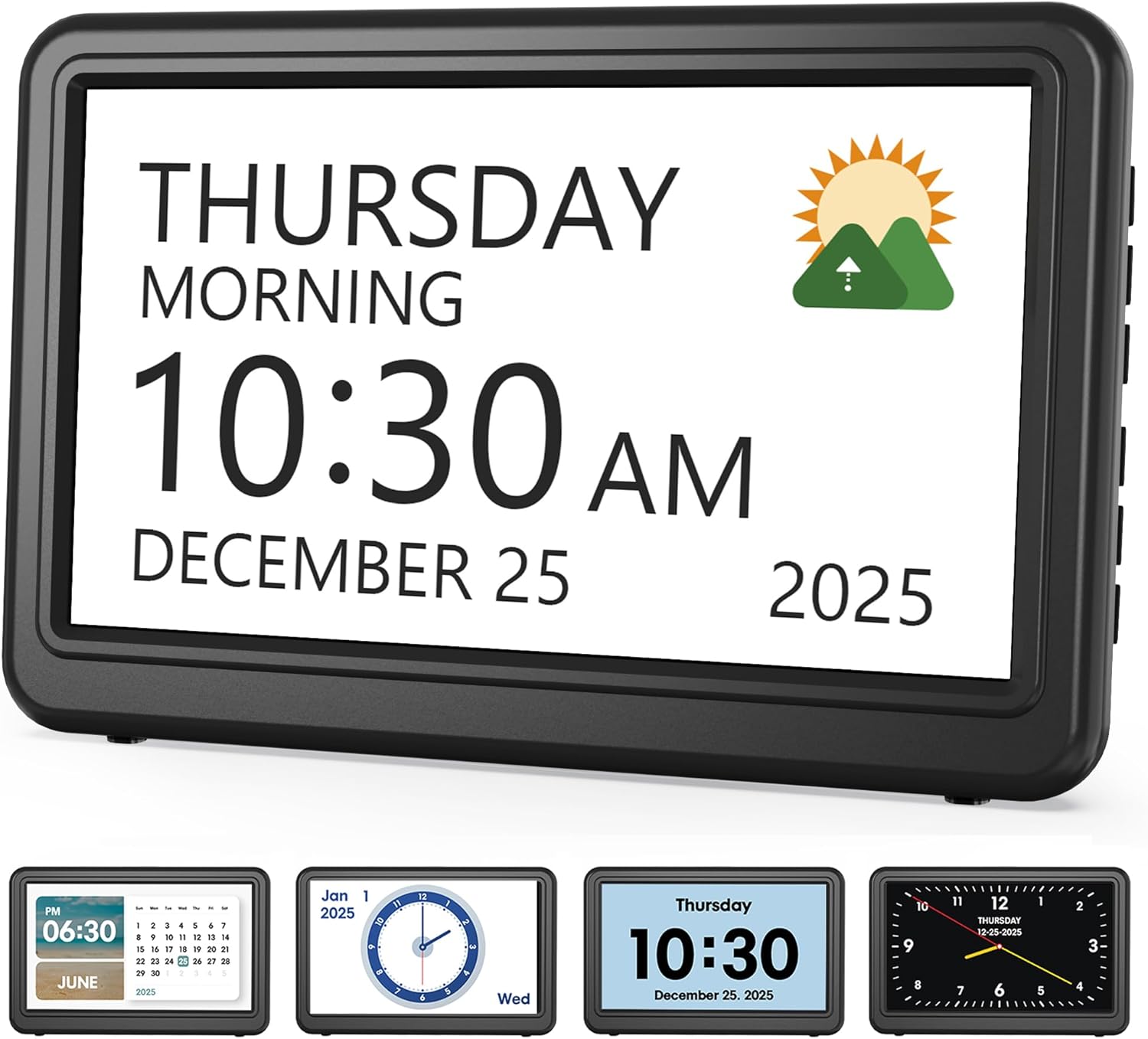
Medication Reminder Alarm

Digital Blood Pressure Monitor

Sudoku Puzzle Book
A door alarm for elderly care can help alert caregivers when a senior opens a door unexpectedly, which may reduce wandering risk and improve peace of mind. The best choice depends on the home layout, alert type, battery life, and how easy the alarm is to install and reset.
A door alarm for elderly care can be a simple but powerful way to improve safety at home. It alerts caregivers when a door opens, helping reduce wandering risk, support nighttime supervision, and add peace of mind for families.
- Safety layer: Door alarms add support, but they do not replace supervision.
- Best fit: Match the alarm to hearing ability, mobility, and wandering risk.
- Simple setup: Easy installation and reset features matter a lot.
- Cost check: Medicare usually does not cover basic door alarms.
- Professional help: Ongoing confusion or falls may need expert review.
What a Door Alarm for Elderly Care Does and Why It Matters in 2026
A door alarm for elderly care is designed to notify someone when a door, gate, or exit has been opened. In 2026, many families use these alarms as part of a wider home safety plan, especially when a senior lives alone, has memory loss, or may wake up confused at night.
These devices are not a replacement for personal care or medical advice. But they can be a helpful layer of protection, especially when paired with good lighting, clear walkways, and regular check-ins.
How door alarms support fall prevention, wandering prevention, and caregiver peace of mind
Door alarms can help caregivers respond sooner if a senior gets up at night and heads toward an exit. That matters because many falls happen during rushed or low-light moments, such as walking to the door, hallway, or bathroom.
They also help prevent wandering, which can be dangerous for people who may not recognize where they are or how to get back inside safely. For many families, the biggest benefit is peace of mind: knowing they will be alerted if a door opens unexpectedly.
Many caregivers use door alarms together with bed exit alarms and motion lights to create a more complete nighttime safety setup.
Who benefits most: seniors with dementia, Alzheimer’s, mobility issues, or nighttime confusion
These alarms are especially useful for seniors living with dementia or Alzheimer’s disease, since memory changes can make it harder to judge safety or remember routines. They can also help people with mobility issues who may need support before leaving the home.
Seniors who become confused at night, especially after waking suddenly, may also benefit. If confusion, balance problems, or repeated wandering are becoming more common, talk to your doctor or healthcare provider about whether a door alarm should be part of the care plan.
How to Choose the Best Door Alarm for Elderly Care
The best choice depends on the senior’s needs, the layout of the home, and how quickly a caregiver needs to respond. A good alarm should be easy to use, reliable, and appropriate for the level of supervision required.
Entry/exit monitoring, alert type, sound volume, and notification range
Start by deciding what you want to monitor. Some alarms are made for a front door, back door, bedroom door, or even a hallway entrance, while others work better for general movement monitoring.
Alert type matters too. Some alarms make a sound in the home, while others send a signal to a caregiver’s phone or pager. If the senior has hearing loss, choose a louder chime, a flashing light, or a phone alert that can be noticed quickly.
Notification range is also important. A simple alarm may work well in a small apartment, but a larger house may need a stronger signal or a smart system that sends alerts to a phone.
Wireless vs. wired options for apartments, houses, and assisted living rooms
Wireless alarms are often easier to install and move, which can be helpful in apartments or assisted living rooms where permanent changes may not be allowed. They are also useful for families who want a simple setup without drilling into walls.
Wired alarms may be more dependable in some homes, but they can be harder to install and less flexible if the room layout changes. For many caregivers, wireless is the more practical starting point unless a professional recommends otherwise.
If you are helping a loved one compare home safety tools, you may also find it useful to review related options such as bed exit alarm sensor options for nighttime support.
Battery life, installation ease, and reliability during power outages
Battery life matters because an alarm is only helpful if it is ready when needed. Look for a model with a clear low-battery warning and a battery type that is easy to replace.
Installation should be simple enough that a family caregiver can set it up without stress. Reliability during power outages is another key point, especially if the alarm depends on Wi-Fi or a wall outlet. A battery backup can be a smart feature.
- Does the alarm fit the door type and frame?
- Is the alert loud enough for the home?
- Will it still work if the power goes out?
- Can the caregiver reset it easily?
Top Features Caregivers Should Look For Before Buying
Not every alarm is built the same. The best models usually combine easy setup, clear alerts, and a design that fits the senior’s daily routine without causing stress.
Adjustable chimes, motion sensors, magnetic contacts, and smart app alerts
Adjustable chimes are helpful because one home may need a soft alert, while another needs a louder tone. Motion sensors can detect movement near a doorway, while magnetic contacts trigger when the door opens.
Smart app alerts can be useful if a caregiver is in another room, outside the home, or checking in from work. Still, smart features are only helpful if the phone app is easy to use and the internet connection is stable.
If your loved one already uses voice assistants or connected devices, it may help to see how seniors can use Alexa at home for reminders and simple alerts. Just remember that smart tools should be set up carefully to protect privacy.
Compatibility with hearing aids, caregiver phones, and home security systems
Some seniors do not hear standard chimes well, even with hearing aids. In that case, look for alarms with louder sound levels, visual flashes, or vibration-based alerts for a caregiver device.
It can also help if the alarm works with a caregiver’s phone or an existing home security system. That way, the family does not need to manage several separate devices for one safety concern.
Privacy-friendly designs and non-intrusive alerts for shared living spaces
In shared homes, assisted living rooms, or multigenerational households, alarms should be noticeable without being disruptive. A privacy-friendly design alerts the right person without creating unnecessary noise for everyone else.
That balance matters. A door alarm for elderly care should support safety, not make the home feel tense or over-monitored. Choosing the least intrusive alert that still meets the safety need is often the best approach.
Best Use Cases and Practical Examples for Home Safety
Door alarms work best when they are matched to a real-life routine. A good setup should fit the senior’s habits, sleep patterns, and level of supervision.
Preventing nighttime wandering from bedrooms, front doors, and back exits
Nighttime wandering is one of the most common reasons families buy a door alarm. If a senior wakes up confused and heads toward a bedroom door, front door, or back exit, the alarm can alert a caregiver before the person gets too far.
This is especially helpful in homes with stairs, slippery floors, or outdoor access. In some cases, a door alarm can buy a caregiver enough time to guide the senior safely back to bed or to the bathroom.
Using door alarms for memory care routines, bathroom checks, and caregiver shifts
Door alarms can also support daily routines in memory care. For example, they may help caregivers know when a senior is leaving a room, heading toward the bathroom, or approaching the kitchen without help.
They are also useful during caregiver shift changes, when one person is resting and another is on duty. A clear alert can reduce gaps in supervision and make handoffs smoother.
Door alarms work best when everyone in the home understands what the alert means and how to reset it safely after a false alarm.
Real-world examples: solo aging, live-in caregiving, and family caregiving setups
For solo aging, a simple alarm can help alert a nearby neighbor, family member, or emergency contact if a door opens unexpectedly. This can be especially useful for seniors who want independence but still need a safety backup.
In live-in caregiving, the alarm may be used on a bedroom or exterior door so the caregiver can respond quickly at night. In family caregiving setups, the alert may go to a parent, adult child, or shared phone so the right person can act fast.
Common Mistakes to Avoid When Setting Up a Door Alarm for Elderly Care
Even a good alarm can be frustrating if it is set up poorly. A few small mistakes can lead to missed alerts, false alarms, or a device that no one wants to use.
Choosing an alarm that is too loud, too weak, or too complicated to reset
An alarm that is too loud may scare the senior, while one that is too weak may not be heard in time. The goal is a clear alert that gets attention without causing panic.
Complicated reset steps are another common problem. If the caregiver cannot reset the alarm quickly, it may be turned off and forgotten, which defeats the purpose.
Placing sensors incorrectly on uneven doors or high-traffic entrances
Sensor placement is important. If the door frame is uneven, the contact may not line up correctly, causing false alerts or missed openings.
High-traffic entrances can also create problems if the alarm is too sensitive. Before installing, test the door several times and make sure the sensor stays secure.
Ignoring false alarms, maintenance, and battery replacement schedules
False alarms can become annoying, but they should not be ignored. They often point to a placement problem, a weak battery, or the wrong alarm type for the space.
Regular maintenance matters too. Check batteries, test the sound, and clean the sensors on a schedule. If the senior has new confusion, dizziness, or balance changes, talk to your doctor because the safety issue may be bigger than the alarm itself.
Cost Comparison: Budget, Mid-Range, and Smart Door Alarm Options
Door alarms come in a wide range of prices, and the best option is not always the most expensive one. What matters most is whether the alarm fits the home and the level of care needed.
What you can expect at different price points in 2026
Budget alarms are usually simple magnetic devices that sound when a door opens. These can be a good starting point for families who want basic monitoring without extra features.
Mid-range models may offer louder sounds, better build quality, adjustable settings, or multiple sensors. Smart alarms usually add phone alerts, app control, and sometimes integration with other home devices.
When a simple magnetic alarm is enough versus when smart monitoring is worth it
A simple magnetic alarm is often enough for a small home, a single doorway, or a caregiver who is usually close by. It is also a practical choice when ease of use matters more than advanced features.
Smart monitoring may be worth it if the caregiver is not always in the same room, if the senior is at higher risk of wandering, or if family members need alerts on their phones. If you are comparing options across a broader safety plan, related tools like GPS trackers for elderly may also be worth considering for some families.
Value factors: durability, subscription fees, and replacement costs
When comparing value, do not focus only on the sticker price. A low-cost alarm that fails often or needs frequent battery changes may cost more over time.
Smart systems can also include subscription fees, replacement parts, or app-related costs. Before buying, check the full cost picture and ask whether the features truly match the senior’s needs.
Expert Safety Tips and When to Seek Professional Help
A door alarm is most useful when it is part of a broader plan for safety, mobility, and daily support. It should not be the only tool you rely on if the senior has ongoing confusion or repeated nighttime exits.
When a door alarm should be part of a broader fall-prevention or dementia-safety plan
Door alarms are helpful, but they work best with other safety steps such as night lights, clear floors, grab bars, and regular routines. For someone with dementia, the plan may also include supervision, door camouflage, or scheduled check-ins.
If your loved one already has a fall risk, a door alarm should be treated as one layer of protection rather than a complete solution.
Warning signs that a senior may need additional supervision or home modifications
Look for signs such as repeated nighttime wandering, trouble recognizing doors, increased falls, or getting lost inside the home. These may mean the current setup is no longer enough.
Other warning signs include confusion after waking, unsafe attempts to leave the house alone, or a caregiver feeling overwhelmed. In those cases, more supervision or home changes may be needed.
If a senior suddenly becomes more confused, unsteady, or agitated, seek medical advice promptly. These changes can sometimes be linked to illness, medication side effects, dehydration, or another treatable problem.
When to consult an occupational therapist, geriatric care manager, or home safety specialist
An occupational therapist can help assess movement, balance, and home safety needs. A geriatric care manager can help families build a practical care plan, especially when several concerns are happening at once.
A home safety specialist may be useful if the house has challenging door layouts, stairs, or multiple exits. If medications may be affecting alertness or balance, consult your pharmacist or healthcare provider as well.
Final Recap: Choosing the Right Door Alarm for Elderly Care
The best door alarm for elderly care is the one that fits the senior’s routine, the home layout, and the caregiver’s ability to respond. The right model should be easy to install, easy to reset, and reliable enough to use every day.
Quick summary of the most important buying factors and safety benefits
Focus on alert type, sound level, battery life, installation ease, and whether the alarm works well in the exact space you need to monitor. A good alarm can reduce wandering risk, support fall prevention, and give caregivers more confidence.
How to match the right alarm to the senior’s needs, home layout, and caregiver routine
Choose a basic magnetic alarm for simple monitoring, or a smarter system if phone alerts and remote notifications are important. Match the device to the senior’s hearing, mobility, and level of confusion, and keep the setup as simple as possible.
If you are unsure what level of monitoring is appropriate, talk to your doctor or healthcare provider and consider a home safety evaluation. The right door alarm should make daily life safer without making the home feel complicated or overwhelming.
Frequently Asked Questions
The best door alarm depends on the senior’s needs, home layout, and caregiver routine. Look for easy installation, clear alerts, reliable batteries, and a sound level that matches the space.
Yes, door alarms can help alert caregivers when a senior with dementia or Alzheimer’s opens a door unexpectedly. They are especially useful as part of a broader safety plan for wandering prevention.
Wireless alarms are often easier to install and move, which makes them a practical choice for many homes and assisted living rooms. Wired alarms may be more permanent, but they can be harder to set up.
The alarm should be loud enough for the caregiver to hear without being so loud that it startles the senior. Homes with hearing loss or larger layouts may need louder chimes or phone alerts.
Medicare usually does not cover simple door alarms, but coverage can vary by plan and situation. Check with your insurance provider and healthcare team for the most accurate information.
Seek professional help if wandering, falls, or confusion are becoming more frequent. An occupational therapist, geriatric care manager, or home safety specialist can help improve the setup.