
Dementia Caregiver Burnout Signs and Relief Tips


Big Button Mobile Phone
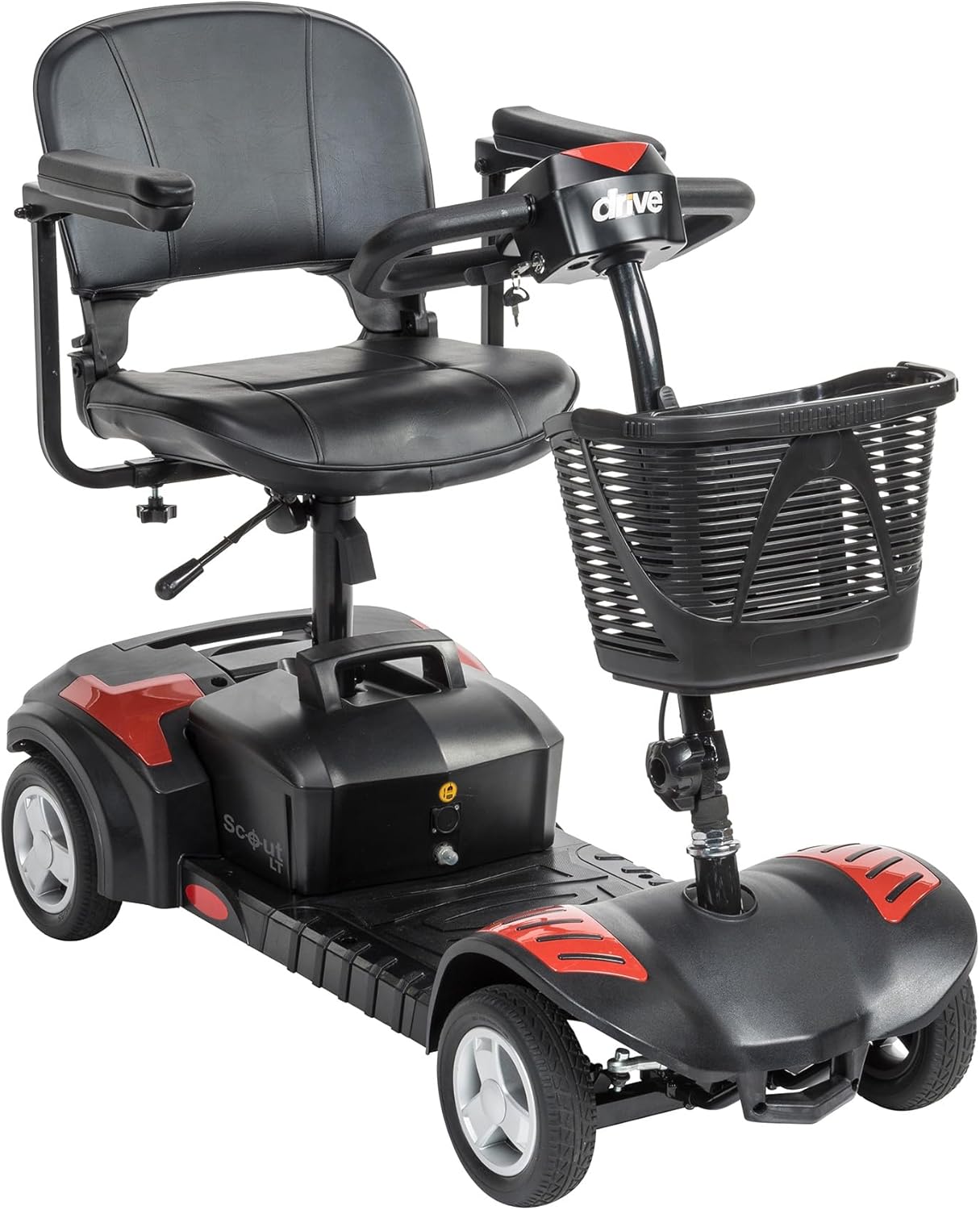
Electric Mobility Scooter

Bed Rail for Seniors
Dementia caregiver burnout is a state of ongoing exhaustion that can affect your mood, sleep, health, and caregiving safety. Relief usually starts with regular breaks, asking for help, and talking to your doctor if symptoms are getting worse.
Dementia caregiver burnout can build slowly, then suddenly feel overwhelming. If you are helping a spouse, parent, or other loved one with dementia, the signs may show up in your mood, sleep, health, and patience long before you realize you need relief.
This guide from the SeniorsProTalk Editorial Team explains what burnout looks like, why dementia care is especially draining, and which practical steps can help you recover. If you are already feeling stretched thin, you are not failing—you may simply be carrying too much for too long.
- Early signs: Irritability, fatigue, sleep trouble, and emotional numbness matter.
- Why it happens: Dementia care often involves constant supervision and sleep disruption.
- Best relief: Use respite care, family help, and short daily breaks.
- Safety first: Get professional help if burnout affects judgment or health.
- Plan ahead: Support works better before a crisis starts.
What Dementia Caregiver Burnout Looks Like in 2026
Dementia caregiver burnout is more than feeling tired after a busy day. It is a state of physical, emotional, and mental exhaustion that can make everyday caregiving feel harder than it used to.
In 2026, many caregivers are balancing medical appointments, family communication, online paperwork, and round-the-clock supervision. That constant pressure can wear down even a very devoted caregiver. If you need a simple starting point for organizing daily tasks, our senior caregiver daily checklist can help you create more structure.
Emotional, physical, and mental warning signs caregivers often ignore
Burnout often begins with small changes. You may feel less patient, more tearful, or unusually irritable. Some caregivers notice they stop enjoying things they once liked, even outside of caregiving.
Physical signs can include constant fatigue, headaches, stomach upset, tight muscles, or trouble sleeping. Mental signs may include forgetfulness, trouble focusing, or feeling mentally “foggy.” These are not just normal annoyances; they can be early warning signs that your body and mind need rest.
When you notice a new symptom, write it down for a few days. Patterns often become clearer when you track sleep, mood, and stress together.
How burnout differs from normal stress or a hard week
Everyone has hard weeks. Burnout is different because it does not improve much after one good night of sleep or one quiet afternoon. The stress feels ongoing, and even small tasks can seem too heavy.
With burnout, you may feel emotionally drained before the day begins. You may also feel more detached from the person you care for, which can be frightening and guilt-inducing. That does not mean you do not love them. It usually means you have been under strain for too long.
Why Dementia Caregiving Creates Unique Burnout Risks
Dementia care is emotionally demanding because the person’s needs can change from hour to hour. A loved one may be calm one moment and upset, confused, or restless the next.
Unlike many other caregiving situations, dementia often requires near-constant awareness. That level of vigilance can wear down the nervous system and make it hard to relax, even when you are technically “off duty.”
Behavior changes, wandering, sundowning, and sleep disruption
Many families are surprised by how much behavior changes can affect burnout. Repeated questions, agitation, suspiciousness, wandering, and resistance to care can all create daily tension.
Sundowning—when confusion or agitation gets worse later in the day—is especially stressful because it can disrupt evenings, meals, and bedtime routines. Sleep disruption is another major issue. If your loved one is awake at night, you may be awake too, which quickly adds up.
Behavior changes are part of dementia, but sudden worsening can also be caused by infection, pain, medication side effects, or dehydration. Talk to your doctor if symptoms change quickly.
The toll of constant supervision and decision fatigue
Many caregivers spend the day making dozens of small decisions: Is it safe to leave the room? Should I repeat the answer again? Do I need to step in now or wait? That constant decision-making can be exhausting.
Over time, the brain gets tired of staying alert. This is often called decision fatigue. When that happens, even simple choices can feel overwhelming, and mistakes become more likely.
Why family caregivers are especially vulnerable to isolation
Family caregivers often feel they should “just handle it.” They may also be embarrassed to ask for help or may not have nearby relatives who understand what daily dementia care really involves.
That isolation matters. Without regular breaks, support, and conversation with people who understand, stress has fewer chances to ease. If you are feeling alone, it may help to connect with a local support group, a trusted friend, or a senior activity center in your area.
Common Dementia Caregiver Burnout Symptoms to Watch For
Burnout can show up in mood, body, and caregiving behavior. The earlier you notice the signs, the easier it is to make changes before the situation turns into a crisis.
Irritability, resentment, guilt, and emotional numbness
Caregivers often describe feeling short-tempered, resentful, or guilty for wanting time away. Others say they feel emotionally numb, as if they are going through the motions without much feeling at all.
These reactions can be painful, but they are common when someone has been under pressure for too long. If you notice yourself snapping more often or feeling detached, that is a sign to slow down and get support.
Physical red flags: exhaustion, headaches, appetite changes, poor sleep
Burnout can affect the whole body. You may feel exhausted even after resting, or you may wake up already tired. Headaches, appetite changes, and trouble falling or staying asleep are also common.
Some caregivers eat less because they are too busy. Others eat more because stress makes them seek quick comfort. Either pattern can leave you feeling worse over time.
Signs burnout is affecting caregiving quality and safety
Burnout becomes more serious when it starts affecting safety. You may forget medications, miss appointments, leave doors unlocked, or react more sharply than you intended.
If you are making more mistakes, feeling too overwhelmed to supervise safely, or noticing that your patience is getting dangerously thin, it is time to get help. That is not a weakness; it is a safety issue.
If burnout is causing chest pain, panic symptoms, severe insomnia, ongoing sadness, or thoughts of harming yourself or someone else, seek medical help right away. Call your doctor, a mental health professional, or emergency services if needed.
Practical Relief Tips That Actually Help Caregivers Recover
Relief does not usually come from one big fix. It comes from building small, repeatable breaks into your routine and lowering the pressure you place on yourself.
Building short daily breaks into the care routine
Even 10 minutes can matter if it is truly yours. Step outside, sit quietly, stretch, or make a cup of tea without multitasking. Short breaks work best when they are planned, not taken only after you are already overwhelmed.
Pick a realistic time each day, such as after breakfast or before dinner.
Ask another person to cover, or use a safe activity to keep your loved one occupied.
Do not turn the break into another chore. The goal is recovery, not productivity.
Using respite care, adult day programs, and family rotation plans
Respite care gives caregivers temporary relief. It may come from a relative, a friend, a paid helper, an adult day program, or a short-term facility stay, depending on what is available in your area.
Family rotation plans can also help. Even if relatives cannot provide daily care, they may be able to cover specific tasks such as meals, rides, overnight stays, or weekend breaks. The key is to be specific rather than hoping someone will “help more.”
| Option | Best For | Note |
|---|---|---|
| Family rotation | Shared support from relatives | Works best when duties are clearly assigned |
| Adult day program | Daytime supervision and social activity | Availability varies by location |
| Respite care | Short breaks for the primary caregiver | May involve in-home or facility-based care |
Setting realistic expectations and lowering “perfect caregiver” pressure
Many caregivers feel they must do everything perfectly. That pressure can become a major source of burnout. In real life, good care is usually “good enough,” consistent, and safe—not flawless.
Give yourself permission to simplify. Frozen meals, a shorter to-do list, and a less polished home are often reasonable tradeoffs when you are carrying a heavy caregiving load.
- Lower stress by reducing perfection pressure
- Save energy for the most important tasks
- Make caregiving more sustainable over time
Simple stress reset habits: meals, hydration, movement, and rest
When caregivers skip meals or water, stress feels worse. Try to keep easy snacks and drinks nearby so you do not go too long without fuel.
Gentle movement can also help. A short walk, stretching, or standing up to change position may ease tension. If you have health conditions, balance issues, or pain, talk to your doctor before starting a new routine.
Examples of Burnout Triggers in Real-Life Dementia Care
Some of the hardest moments in dementia care are not dramatic. They are repetitive, unpredictable, and emotionally draining in ways that outsiders may not see.
Managing repetitive questions, agitation, and resistance to bathing
Hearing the same question over and over can wear down even a patient caregiver. So can arguing about bathing, dressing, or other daily tasks that the person may now find frightening or confusing.
These moments often trigger guilt and frustration at the same time. A calmer approach, a simpler routine, and a safety-first mindset can help, but they do not remove the stress completely.
If bathing, dressing, or transfers are becoming unsafe for either of you, get help from a healthcare provider or home care professional. Falls and injuries can happen quickly when everyone is exhausted.
Handling nighttime wake-ups and sleep deprivation
Nighttime wandering, bathroom trips, or repeated wake-ups can leave caregivers running on empty. Sleep loss affects mood, memory, balance, and judgment, which makes caregiving harder the next day.
If sleep deprivation is ongoing, ask your doctor about safe ways to improve the situation. The right approach depends on the person’s health conditions, medications, and care setting.
Balancing caregiving with work, children, and household duties
Many family caregivers are also trying to work, raise children, manage bills, and keep the household running. That double or triple load can make burnout much more likely.
In these situations, the problem is not lack of effort. It is too many responsibilities competing for the same hours and energy. This is one reason outside help can be so important.
Common Mistakes That Make Burnout Worse
Some habits keep caregivers stuck in survival mode. Recognizing them early can help you make a different plan before you are completely drained.
Trying to do everything alone
Many caregivers believe asking for help means they are failing. In reality, trying to do everything alone often leads to worse health, less patience, and more mistakes.
Even small help matters. A neighbor who sits for an hour, a relative who handles errands, or a friend who brings a meal can make a real difference.
Waiting until a crisis to ask for help
It is much harder to make decisions when everyone is already exhausted. Waiting until a fall, hospitalization, or emotional breakdown can limit your choices.
Try to build support before the crisis. That may include talking with family, exploring respite options, or meeting with a social worker to plan ahead.
Ignoring depression, anxiety, or chronic health problems
Burnout can overlap with depression or anxiety, but they are not exactly the same. If you feel hopeless, panicky, or unable to function, it is important to get professional support.
Chronic conditions like high blood pressure, diabetes, arthritis, or heart problems can also worsen under stress. If your own health is slipping, talk to your doctor and review your medications with a pharmacist or healthcare provider.
Skipping legal, financial, or care planning support
Unclear plans can create extra stress. Questions about bills, decision-making, driving, or future living arrangements often become urgent at the worst possible time.
Planning ahead may include legal documents, financial organization, and a basic care plan. Depending on your situation, an elder law attorney, social worker, or care manager may be helpful.
When to Get Professional Help and What Support May Cost
Some burnout can improve with rest and better support. Other situations need medical, mental health, or social service help. Knowing the difference can protect both you and the person you care for.
Warning signs that require medical or mental health support
Get help if you are having panic attacks, severe depression, thoughts of self-harm, unsafe anger, or ongoing insomnia. You should also seek help if you are forgetting important tasks, feeling confused, or relying on alcohol or other substances to get through the day.
If the person with dementia is suddenly much worse, has new agitation, or seems physically unwell, contact their doctor. Sudden changes can signal pain, infection, dehydration, or a medication problem.
When to contact a doctor, counselor, or social worker
Your doctor can help rule out medical causes of exhaustion and stress-related symptoms. A counselor can help with coping skills, grief, guilt, and anxiety. A social worker may help you find local services, transportation support, or caregiver resources.
If you are not sure where to start, begin with your primary care doctor. They can often point you toward the right next step based on your needs and insurance.
Caregiver stress can affect memory, sleep, and blood pressure. Taking breaks is not selfish—it is part of staying healthy enough to keep caring.
Comparing relief options: in-home help, respite care, adult day care, and support groups
Different relief options solve different problems. In-home help can cover personal care or household tasks. Respite care gives you time away. Adult day care offers daytime supervision and activity. Support groups help reduce isolation.
- More rest for the caregiver
- Safer supervision for the person with dementia
- Less isolation and emotional strain
- Availability varies by location
- Some services need advance scheduling
- Not every option fits every budget or care need
How cost, insurance coverage, and local programs can affect choices
Cost is often a major factor. Coverage can vary widely by insurance plan, local programs, and the type of service you need. Medicare, supplemental insurance, Medicaid, and community programs may each cover different pieces—or none at all.
Because rules differ by location and plan, it is best to confirm details directly with the provider, your insurance company, or your healthcare team. If you are comparing options, ask about hourly rates, minimum visit times, transportation fees, and cancellation policies.
Final Recap: Protecting the Caregiver Protects the Person With Dementia
Dementia caregiver burnout is a real health issue, not a personal failure. The most important signs to watch for are constant exhaustion, irritability, sleep problems, emotional numbness, and caregiving mistakes that affect safety.
Key signs to remember and immediate next steps for relief
If you recognize yourself in these signs, start with one small change today. Ask for one specific form of help, schedule one short break, and contact your doctor if your symptoms are affecting your health or safety.
Why early action can prevent crisis burnout and improve long-term care
Early support can help you stay healthier, calmer, and more effective over time. When caregivers are protected, the person with dementia usually benefits too, because care becomes safer, steadier, and less rushed.
If you are already overwhelmed, please do not wait for things to get worse. Talk to your doctor, reach out to family or community support, and take the next small step toward relief.
Frequently Asked Questions
Early signs often include irritability, poor sleep, constant fatigue, and feeling emotionally drained. Some caregivers also notice more forgetfulness or less patience than usual.
A hard week usually improves after rest or a short break. Burnout tends to last longer and can affect your health, mood, and caregiving safety.
The most helpful steps are regular breaks, respite care, family help, and lowering perfection pressure. Eating, drinking water, and sleeping as well as you can also matter.
Talk to your doctor if stress is causing chest pain, panic, severe insomnia, depression, or thoughts of self-harm. You should also seek help if burnout is affecting your safety or health.
Yes. Burnout can lead to missed medications, less patience, and more caregiving mistakes, which can affect safety and daily care.
Coverage varies by plan, location, and service type. Check directly with Medicare, your insurer, or the provider to confirm what is included and what you may pay out of pocket.