
Cumberland Trace Family First Senior Living Photos


Toilet Seat Bidet Attachment

Portable Wheelchair

Bedside Commode Chair
Cumberland Trace Family First Senior Living photos provide a visual window into the community’s atmosphere, care quality, and daily activities. These images help families remotely assess spaces, resident engagement, and overall environment. Use this guide to interpret photos effectively and make informed senior living choices.
Choosing a senior living community is a deeply personal and significant decision. You want to ensure your loved one will be safe, happy, and engaged. In our digital world, photos have become a vital first step in this process. They offer an immediate, emotional connection to a place, helping you envision life there before you ever visit. For communities like Cumberland Trace Family First Senior Living, photos are more than just pictures—they’re a storytelling tool that communicates their values, care, and spirit.
Cumberland Trace Family First Senior Living emphasizes a family-centered approach, but what does that look like in practice? Their photos—found on websites, social media, and brochures—bring that philosophy to life. You see the bustling activity rooms, the cozy apartments, the shared meals, and the smiling faces. This article will walk you through how to explore these Cumberland Trace Family First Senior Living photos meaningfully. We’ll cover what to look for, how to decode the images, and how to use them alongside other research to make a confident choice.
Whether you’re a son or daughter living out of state, a spouse considering a move together, or a senior exploring options, mastering the art of “reading” senior living photos is empowering. So, let’s dive in and discover how these images can guide your journey.
Key Takeaways
- Photos Reveal Real Community Life: Images from Cumberland Trace show authentic resident interactions, spaces, and programs, offering insights beyond brochures.
- Virtual Access Saves Time: Online photos enable thorough initial research without travel, especially valuable for distant families.
- Look for Genuine Engagement: Candid shots of residents laughing or participating indicate a vibrant, caring environment.
- Assess Maintenance and Cleanliness: Consistent neatness in photos signals strong operational standards and resident pride.
- Balance Professional and Candid Images: Marketing photos highlight features, while resident shots offer unfiltered daily reality.
- Use Photos to Prepare Questions: Visual details can spark specific inquiries about care, events, or policies during conversations with staff.
- Compare Across Communities: Cross-reference Cumberland Trace photos with other senior living options for balanced perspective.
📑 Table of Contents
- Why Photos Are Your First Step in Senior Living Research
- A Detailed Look at Cumberland Trace Family First Senior Living Through Photos
- How to Decode Cumberland Trace Family First Senior Living Photos Like a Pro
- Professional Shots vs. Candid Moments: Which Tell the True Story?
- Practical Tips: Using Photos to Make Your Decision
- Beyond Cumberland Trace: Using Photos to Compare Senior Living Options
- Conclusion
Why Photos Are Your First Step in Senior Living Research
Gone are the days when families depended only on phone calls and printed brochures. Today, a quick online search yields dozens of photos for any senior living community. This visual abundance is a game-changer. Photos provide concrete evidence of claims about amenities, care, and atmosphere. They help you filter options quickly and emotionally invest in or rule out communities from your living room.
The Instant Emotional Connection
Our brains process images in milliseconds, triggering feelings faster than text. A single photo of residents sharing a laugh in a sun-drenched lounge can evoke warmth and trust. A dimly lit, empty corridor might spark concern. For families, this gut reaction is valuable data. It tells you whether the community’s vibe resonates with your loved one’s personality. If Cumberland Trace Family First Senior Living photos consistently show vibrant, happy scenes, it builds immediate reassurance.
Consider the alternative: reading a description of “active social programs” versus seeing a photo of a group painting together, fully engaged. The latter is undeniable proof. Photos bridge the gap between marketing language and lived experience. They make abstract concepts like “community” or “person-centered care” tangible.
Bridging the Distance Gap
Many families aren’t local to the communities they’re exploring. Travel for multiple tours can be exhausting and expensive. High-resolution photos and virtual tours solve this problem. You can explore Cumberland Trace’s grounds, apartments, and activity rooms at 2 a.m. if needed. This accessibility lets you conduct thorough preliminary research, narrowing your list to the most promising candidates before investing in travel.
During health crises or busy schedules, this virtual access is indispensable. It maintains momentum in your search when in-person visits are delayed. Communities that invest in rich photo galleries demonstrate transparency and confidence in what they offer. It’s a sign they have nothing to hide.
Moreover, photos help you assess logistics. A series of images showing wide hallways, elevators, and garden paths can indicate accessibility for wheelchairs or walkers. You can gauge layout flow and size without being there. This is especially helpful for seniors with specific mobility or spatial needs.
A Detailed Look at Cumberland Trace Family First Senior Living Through Photos
Let’s break down the typical categories of photos you’ll encounter for Cumberland Trace Family First Senior Living. Understanding what each category should reveal helps you evaluate comprehensively.
Visual guide about Cumberland Trace Family First Senior Living Photos
Image source: nursinghomes.com
Common Areas: The Heart of Community Life
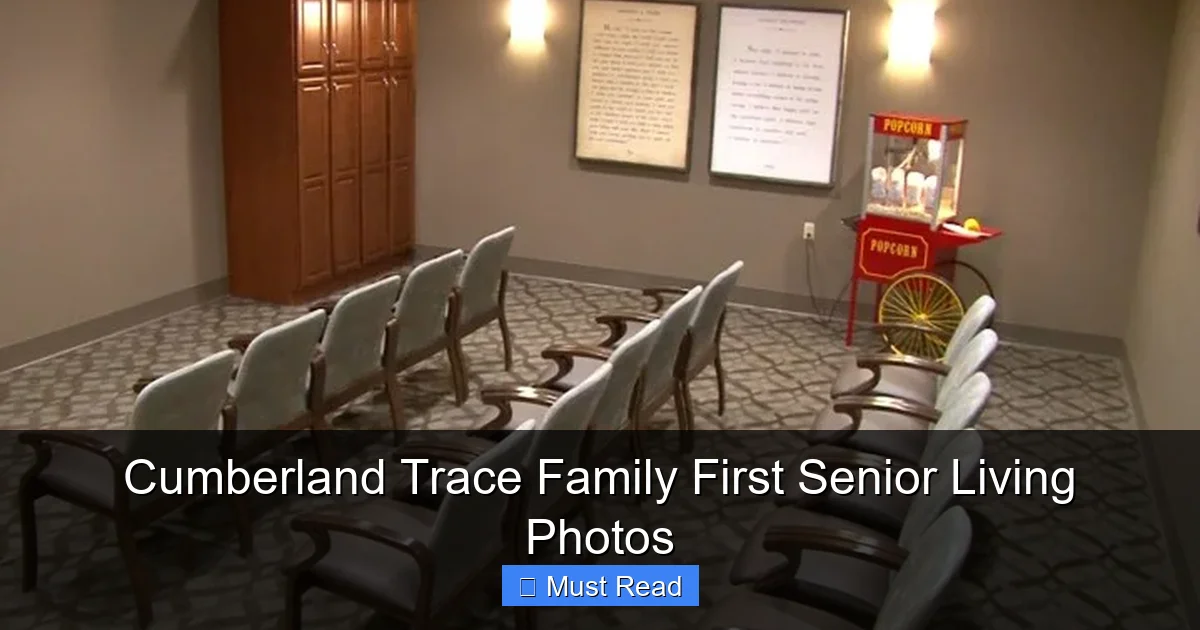
Common areas are where residents mingle, attend events, and simply relax. Photos here are critical. Look for images of lounges with comfortable seating arranged for conversation, not just facing a TV. Libraries should have well-stocked shelves and cozy reading nooks. Multipurpose rooms might be set for a birthday party, a movie night, or a fitness class.
Key details matter: Is the furniture modern and clean? Are there personal touches like resident artwork on walls? Does the space feel homelike or institutional? A community that invests in warm decor and flexible seating prioritizes resident comfort and social connection. For instance, a photo showing a small group playing cards in a lounge with soft lighting suggests a relaxed, engaging atmosphere.
Also, notice the size and variety of common areas. A large community might have multiple lounges—some quiet for reading, others lively for games. This variety caters to different personalities and moods, a sign of thoughtful design.
Residential Apartments: Personal Sanctuaries
Private living spaces are where residents spend most of their time. Cumberland Trace Family First Senior Living likely offers studio, one-bedroom, or larger floor plans. Photos should showcase these units clearly.
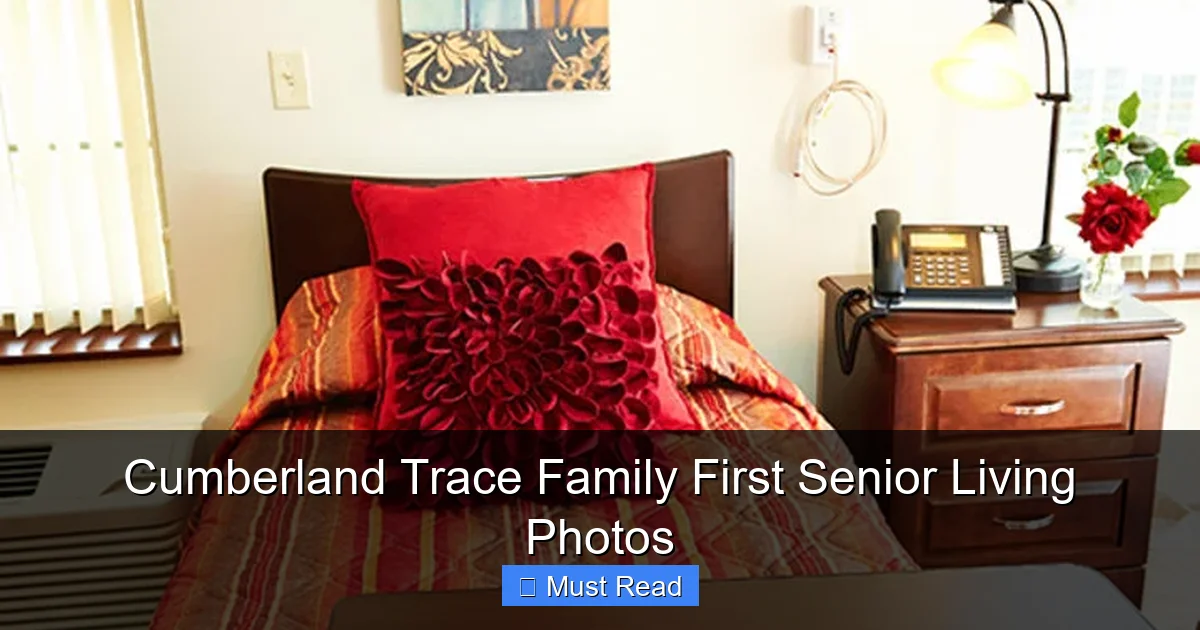
Prioritize images that highlight natural light (large windows), storage (closets, cabinets), and safety features (grab bars in bathrooms, no-threshold showers). Note the layout: Is there a separate sleeping area? Is the kitchenette functional? Decor should feel residential—think soft furnishings, personal items, and neutral colors—not clinical.
Beware of only seeing model units. These are staged and may not reflect how residents actually live. Seek out photos of “real” apartments if available, perhaps from resident Facebook posts or community galleries. A slightly cluttered but cozy room with family photos feels more authentic than a perfectly arranged model.
Also, check for outdoor access. Does the apartment have a balcony or patio? Photos showing potted plants or outdoor chairs indicate opportunities for fresh air and nature, which boost well-being.
Dining Experiences: More Than Just Meals
Food quality and dining atmosphere are top concerns for families. Cumberland Trace photos should display their dining rooms, meal presentations, and social dining scenes.
Look for restaurant-style settings with tables dressed with linens and real plates, not trays. Images of colorful, appetizing meals—fresh salads, grilled proteins, homemade soups—signal a focus on nutrition and enjoyment. Photos of residents dining together, chatting and smiling, show that meals are social events, not just routines.
Also, look for evidence of dietary accommodations. If the community promotes chef-prepared meals or special diets, photos might show a salad bar, a pastry chef at work, or a staff member discussing menu options with a resident. This visual proof reinforces claims about personalized care.
Consider the dining room’s ambiance: Is it bright and cheerful? Are there windows with views? A pleasant environment makes dining a highlight of the day.
Wellness and Activities: Keeping Life Engaging
An active community offers diverse programs. Cumberland Trace Family First Senior Living photos should capture residents in motion—doing yoga, painting, gardening, or on outings.
Diversity is key. Do you see fitness classes, creative arts, intellectual games, and spiritual activities? This range ensures there’s something for every interest. Photos should include both group activities and quieter pursuits, like a resident reading in a garden.
Staff involvement is crucial. Are instructors actively leading or assisting? Photos showing staff participating in a sing-along or helping with an art project indicate engaged, caring team members. Also, look for intergenerational programs—like visits from schoolchildren—which enrich resident life.
Outdoor activities are a big plus. Images of gardening, walking paths, or patio games show a commitment to nature and physical health. These are often resident favorites.
How to Decode Cumberland Trace Family First Senior Living Photos Like a Pro
Not all photos are equally informative. Learn to read between the pixels to extract maximum insight.
Visual guide about Cumberland Trace Family First Senior Living Photos
Image source: nursinghomes.com
Reading Resident Happiness and Social Dynamics
Authentic joy is hard to fake. Look for natural smiles, eye contact, and body language that shows engagement—people leaning in, touching, or fully absorbed in an activity. Group photos where everyone is looking at the camera and smiling broadly might be posed; look for shots where people are interacting with each other, not the photographer.
Diversity in photos matters. Do you see residents of different ages, ethnicities, and abilities? An inclusive community will reflect this. Also, note if residents are alone or in groups. A balance is healthy: some enjoying solitude, others socializing. If all photos show large groups, it might pressure those who prefer quieter moments.
Consider the context: A resident smiling while working on a puzzle suggests cognitive engagement. A photo of a staff member holding a resident’s hand during a walk indicates compassionate care. These micro-moments speak volumes.
Evaluating Cleanliness and Maintenance Standards
Cleanliness is non-negotiable in senior living. Scrutinize every photo for clues. In common areas, check floors for dust or litter, furniture for stains, and walls for scuff marks. Bathrooms should gleam, with no mold or mildew. Outdoor spaces need tidy landscaping, clean walkways, and maintained equipment.
In resident apartments, look for fresh linens, organized shelves, and functioning fixtures. A neatly made bed with a decorative throw pillow suggests attention to detail. Conversely, clutter, dust, or broken items in any photo are red flags.
Consistency is key. If most photos show pristine conditions, that’s a strong positive. But one or two messy shots could indicate variability. Ask the community about their housekeeping protocols during a tour.
Spotting Staff Engagement and Professionalism
Staff are the heart of care. In photos, observe their demeanor: Are they smiling, making eye contact, and appearing attentive? Do they wear clean, professional uniforms? Are they participating in activities or just observing?
Photos of staff training or team meetings show investment in education. Shots of staff chatting casually with residents over coffee suggest familial relationships. If staff are only in formal, posed photos, that might indicate a lack of genuine integration into daily life.
Also, note staff-to-resident ratios in activity photos. Are there enough staff to engage everyone? A crowded room with only one or two staff members might suggest understaffing.
Professional Shots vs. Candid Moments: Which Tell the True Story?
Senior living marketing uses both professional photography and resident-generated content. Each has strengths and limitations.
Visual guide about Cumberland Trace Family First Senior Living Photos
Image source: pdffiller.com
The Polish of Professional Photography
Professional photos are high-quality, well-composed, and staged to showcase the community’s best features. They use lighting, angles, and styling to create an aspirational image. The upside is clear: you see beautiful, inviting spaces at their best. This helps you visualize potential.
But be aware of potential downsides. Staging can exaggerate size (wide-angle lenses) or hide flaws. Residents might be asked to pose, so interactions look perfect but not necessarily typical. Overly glossy photos might feel impersonal or detached from reality.
To gauge authenticity, look for variety. Do professional photos show different times of day, seasons, and unscripted moments? A mix of wide shots and close-ups, with natural expressions, is more trustworthy. Also, check if photos are dated; recent professional shoots are more reliable than years-old images.
The Grit of Resident-Generated Content
Photos taken by residents, families, or staff on personal devices offer an unfiltered view. These appear on social media, review sites, or community blogs. They capture real moments: a resident’s birthday cake, a rainy day indoor activity, a pet visit.
The charm of these photos is their rawness. They show the community as lived—slightly messy craft tables, personal items on shelves, genuine laughter. They reveal the little things that matter: the quality of coffee, the friendliness of neighbors, the comfort of furniture.
Technical quality may be lower—blurry, poorly lit, or cropped—but the content is gold. If multiple residents post similar positive experiences, it’s a strong endorsement. Search hashtags like #CumberlandTraceLife or check the community’s tagged photos on Instagram for this content.
Ask the community if they encourage resident sharing. Some have official hashtags or photo contests, which generate a wealth of authentic material.
Practical Tips: Using Photos to Make Your Decision
Photos are tools, not verdicts. Here’s how to wield them effectively in your search for Cumberland Trace Family First Senior Living or any community.
Build Your Own Photo Checklist
Before browsing, list your non-negotiables and preferences. This might include: apartment size, outdoor access, specific amenities (like a salon or chapel), activity types, or safety features. As you view Cumberland Trace photos, systematically check off items.
For example, if your loved one has Alzheimer’s, look for secure outdoor spaces, clear wayfinding signs, and calm activity rooms in memory care photos. If they love to cook, seek images of kitchenettes and communal kitchens.
Also, note what’s absent. If you can’t find any photos of the garden in winter or the fitness equipment, ask why. Gaps might indicate underutilization or lack of facilities.
Here’s a practical checklist to use:
- Apartment Layout: Clear images of bedroom, bathroom, living area. Check for size, storage, accessibility (grab bars, no thresholds).
- Common Spaces: Lounges, dining rooms, activity rooms. Assess cleanliness, comfort, and social setup.
- Outdoor Areas: Gardens, patios, walking paths. Look for safety (railings, lighting) and appeal (plantings, seating).
- Dining: Meal presentation, dining room ambiance, resident interaction during meals.
- Activities: Range of programs, staff involvement, resident participation levels.
- Staff Presence: How staff interact with residents in photos—are they engaged and respectful?
- Authenticity: Mix of professional and candid shots; genuine smiles and interactions.
Maximize Virtual Tours and 360-Degree Views
If Cumberland Trace offers a 360-degree virtual tour, use it fully. Click through rooms, zoom in on details, and navigate as if you’re walking. This gives a sense of scale and flow that static photos can’t. Listen for background sounds if the tour includes audio—chatter, music, or silence can indicate the community’s soundscape.
Virtual tours are great for understanding layout. Can you easily find the dining room from the apartment? Are there long corridors that might feel isolating? This spatial awareness is crucial for those with dementia or mobility issues.
But remember, virtual tours are curated. They might skip less attractive areas. Use them alongside still photos and always request to see any “behind-the-scenes” areas during an in-person visit.
Don’t Hesitate to Ask for More
If the online photo gallery leaves you with questions, ask the community directly. Request additional images of specific areas: “Could you send photos of the memory care wing’s secure garden?” or “Can I see pictures of a typical resident room at night?” Transparent communities will accommodate.
Also, ask for recent event photos. A community that regularly updates its gallery with current activities is likely dynamic and communicative. If they only have old, generic images, that might signal stagnation.
Some communities provide private online portals for prospective families with extensive photo libraries. Inquire about this. It’s a sign they value thorough, honest disclosure.
Beyond Cumberland Trace: Using Photos to Compare Senior Living Options
Photos are a comparative tool. Let’s see how to use them to weigh Cumberland Trace against other communities, even those in different regions.
Side-by-Side Visual Analysis
Gather photo sets from Cumberland Trace and 2-3 other communities you’re considering. Compare similar areas: dining rooms, apartments, activity spaces. Which feels more inviting? Which shows more resident engagement? Which has better-maintained grounds?
For example, compare apartment photos. Which offers more natural light? Which has more accessible bathrooms? This visual side-by-side can quickly highlight differences in design philosophy and resident focus.
Also, compare activity photos. Does one community show a wider variety of programs—fitness, arts, learning, spirituality? A broad spectrum suggests a holistic approach to wellness. Look for evidence of outdoor activities, which are crucial for mental health.
Remember, photos are subjective. One community’s “cozy” might feel cramped to you. That’s why personal preference matters. Use photos to identify which communities align with your loved one’s tastes and needs.
Integrate Photos with Broader Research
Photos should complement, not replace, other research. Combine them with:
- In-person tours: Verify what you saw online. Does the reality match the photos?
- Reviews and testimonials: Do resident experiences align with the happy images shown?
- Cost and contract details: Photos don’t show value; discuss pricing and services separately.
- Care level assessments: If memory care is needed, ask specifically about staff training and security features, even if photos imply them.
For context, explore broader senior living resources. If you’re considering options in Texas, senior living in Houston Texas provides an overview of the local market, including communities like Cumberland Trace if applicable. This helps you understand regional trends, pricing, and types of care available.
Similarly, if apartment-style living appeals to you, review senior living apartments in Houston to see typical layouts, amenities, and pricing. This benchmark helps you assess whether Cumberland Trace’s offerings are competitive and suitable.
For care-specific insights, especially if weighing community living against in-home care, resources like hearts at home senior care optimize living discuss how to adapt home environments for aging. This can inform your decision about which setting best meets your loved one’s needs.
By weaving photos with these additional layers of research, you build a comprehensive picture. Photos spark questions and provide visual evidence, but the full story comes from direct experience and detailed conversations.
Conclusion
Cumberland Trace Family First Senior Living photos are a powerful window into what life there could be like. They reveal the community’s character—the warmth of staff, the joy of residents, the quality of spaces, and the richness of activities. By learning to look beyond the surface—assessing authenticity, maintenance, and engagement—you can extract immense value from these images.
Remember, photos are a starting point, not the finish line. Use them to shortlist communities, prepare for tours, and formulate smart questions. Then, visit in person, talk to residents and staff, and trust your instincts. The right community will feel like home, and photos can help you find that feeling from afar.
As you explore Cumberland Trace Family First Senior Living and other options, let these images guide you. They are a testament to the life your loved one could lead—active, cared for, and connected. With careful observation and a blend of visual and traditional research, you’ll make a choice that brings peace of mind to your family and a joyful new chapter to your loved one.
Frequently Asked Questions
What specific areas should I focus on in Cumberland Trace Family First Senior Living photos?
Focus on resident apartments (size, safety features), common areas (cleanliness, social setup), dining spaces (meal quality, ambiance), and activity rooms (program variety, staff involvement). Also, note outdoor areas and staff-resident interactions for a holistic view.
How can I tell if Cumberland Trace photos are recent and not outdated?
Check for date stamps on the community’s website or social media. Look for seasonal clues (holiday decorations, seasonal foliage). Ask the community directly for recent event photos. Regularly updated galleries indicate an active, transparent community.
Do Cumberland Trace Family First Senior Living photos typically show memory care or specialized units?
Many communities include photos of all care levels. Look for images of secure outdoor spaces, calm activity rooms, and staff providing attentive, patient care in memory care areas. If not shown, request specific photos during your inquiry.
Can I rely on photos alone to choose a senior living community?
No, photos are an excellent first filter but must be paired with in-person visits, staff interviews, and resident references. They can’t convey sounds, smells, or the true feel of a place. Use photos to narrow options, then verify in person.
What red flags should I watch for in Cumberland Trace photos?
Red flags include consistently empty common areas, cluttered or dirty rooms, lack of staff in activity photos, overly staged (unnatural) images with no candid shots, and absence of outdoor or accessibility features. These may indicate low engagement, poor maintenance, or lack of transparency.
How do I use photos to ask better questions during a tour?
If a photo shows a beautiful garden but you don’t see seating, ask: “I saw the garden online—are there shaded areas to sit?” If activity photos look vibrant, ask: “How often do you offer similar programs, and who leads them?” Photos provide concrete references for meaningful discussions.