
Country Villa Senior Citizen Mobile Home Park


GPS Tracker for Elderly

Reading Light for Bed

Indoor Security Camera
Country Villa Senior Citizen Mobile Home Park offers a unique blend of affordability, community, and low-maintenance living for active adults 55 and older. These parks provide owned homes on leased land, creating financial predictability and a strong neighborly bond. It’s an ideal solution for seniors seeking independence without the burdens of traditional homeownership.
Let’s have a real talk about senior living options. The landscape is vast—from sprawling assisted living facilities to cozy independent apartments. But there’s a sweet spot many future retirees are discovering: the country villa senior citizen mobile home park. It’s not about “trailers” or a transient lifestyle. It’s about smart, community-focused living that puts you in control of your budget and your time. Imagine a peaceful, tree-lined neighborhood where everyone is around your age, the lawns are mowed for you, and you own your home, but without the massive price tag and upkeep of a traditional house. That’s the promise, and for thousands, it’s a reality that delivers.
This guide is your friendly, comprehensive walkthrough. We’ll unpack what a country villa style mobile home park truly is, who it’s perfect for, the dollars and cents, and the day-to-day joy of living there. Whether you’re researching for yourself, a parent, or a client, this article will give you the clear, honest picture you need.
Key Takeaways
- Affordable Ownership Model: Residents own their mobile home but lease the land, significantly reducing upfront costs compared to traditional houses while building equity.
- Age-Restricted Community: Typically for those 55+, ensuring a peaceful, peer-based environment with shared life experiences and interests.
- Low-Maintenance Lifestyle: Park management often handles common area upkeep, landscaping, and sometimes exterior home maintenance, freeing residents from heavy chores.
- Built-In Social Network: Clubhouses, planned activities, and shared spaces foster natural friendships and combat isolation, a major benefit for senior health.
- Financial Predictability: Monthly lot rent is stable, and there are no unexpected large-scale repair bills for the land, making budgeting easier for fixed incomes.
- Location & Accessibility: These parks are strategically placed near shopping, medical centers, and essential services, balancing serene living with convenience.
- Important Considerations: Rules are governed by a homeowners association (HOA), and home resale values can be influenced by the park’s overall health and management.
[FEATURED_IMAGE_PLACEHOLDER]
📑 Table of Contents
- What Exactly is a Country Villa Senior Mobile Home Park?
- Who is This Lifestyle Perfect For?
- The Financial Picture: Costs, Equity, and Value
- The Day-to-Day Lifestyle: Community and Amenities
- Practical Considerations: Rules, Regulations, and Realities
- Finding and Choosing the Right Park
- Your Action Plan: Steps to Secure Your Spot
- The Bottom Line: Is a Country Villa Park Right For You?
What Exactly is a Country Villa Senior Mobile Home Park?
The name paints a picture, doesn’t it? “Country Villa” suggests a serene, slightly upscale, park-like setting. And that’s often the intention. These are not the older, more rustic mobile home parks you might recall. They are modern, 55+ or age-qualified communities specifically designed for retirees and active seniors. The core concept is simple: you own the mobile home itself (which is often a nicely appointed, modern manufactured home), and you lease the lot it sits on from the park owner/management.
The Ownership vs. Lease Land Model Explained
This model is the key to the affordability. Buying a traditional single-family home means a huge mortgage for both the structure and the land. In a mobile home park, your mortgage (if you need one) is only for the home. The monthly lot rent (often called a “space fee” or “pad rent”) is your lease payment for the land and access to all community amenities. This can slash your monthly housing cost by 30-50% or more compared to owning a similar-sized traditional home in the same region. It’s a brilliant way to get into homeownership on a fixed income.
Defining the “Country Villa” Vibe
The “villa” part means these communities invest in aesthetics and amenities. We’re talking about:
- Paved Streets & Curbs: A neat, maintained appearance.
- Landscaped Common Areas: Parks, walking paths, gardens, and picnic spaces.
- Clubhouse/Community Center: The heart of the park, often with a kitchen, card rooms, fitness center, and event space.
- Strict Design Standards: Homes are usually newer models (often from the last 10-20 years) with porches, siding, and landscaping requirements to maintain a uniform, attractive look.
- Gated or Controlled Access: Providing a strong sense of security and privacy.
It’s designed to feel like a planned neighborhood, not a random collection of homes. The goal is to create a country-like feeling of space and nature, but with the convenience and community of a villa setting.
Who is This Lifestyle Perfect For?
A country villa senior citizen mobile home park isn’t for everyone, but it’s a phenomenal fit for a specific, large group of people. Let’s see if that’s you or your loved one.
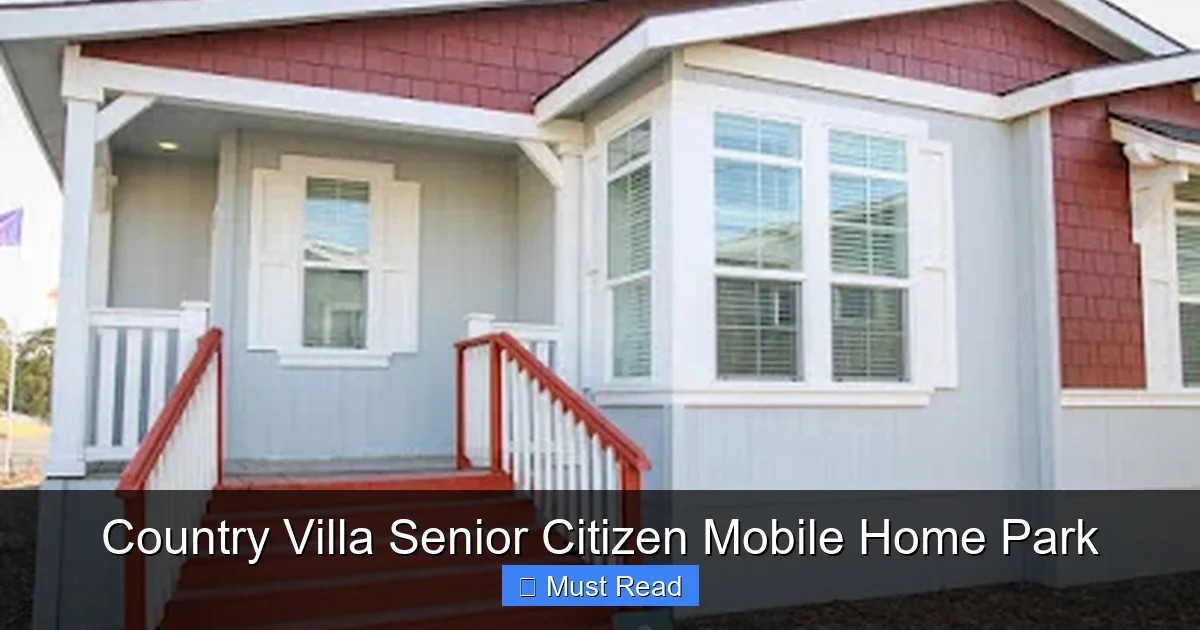
Visual guide about Country Villa Senior Citizen Mobile Home Park
Image source: lh5.googleusercontent.com
The Ideal Resident Profile
Think of this person:
- Age 55+ (often with a minimum of one owner being 55+ per HOA rules).
- Wants to own their home and build some equity, but cannot afford or does not want the maintenance of a large traditional property.
- Values community and social engagement. They don’t want to live in isolation.
- Appreciates a low-maintenance lifestyle. They’d rather travel, pursue hobbies, or visit family than spend weekends on yard work and repairs.
- Is budget-conscious and prioritizes predictable monthly expenses.
- Seeks a safe, secure, and peaceful environment with peers.
Who Might Want to Look Elsewhere?
This isn’t the ideal choice if:
- You have a very large family and need a massive home with a big yard.
- You dislike the idea of paying monthly lot rent indefinitely (though you do own the asset of the home).
- You prefer complete autonomy and dislike any HOA rules, no matter how reasonable.
- You need extensive, on-site medical or personal care services (this is independent living, not assisted living).
If you’re exploring options, understanding what age is considered a senior citizen for various discounts and community eligibility is a great first step. Most of these parks follow the federal 55+ housing guideline, which requires at least 80% of units to have one occupant 55 or older.
The Financial Picture: Costs, Equity, and Value
Money talks, and this is where the country villa model truly sings. Let’s break down the numbers.
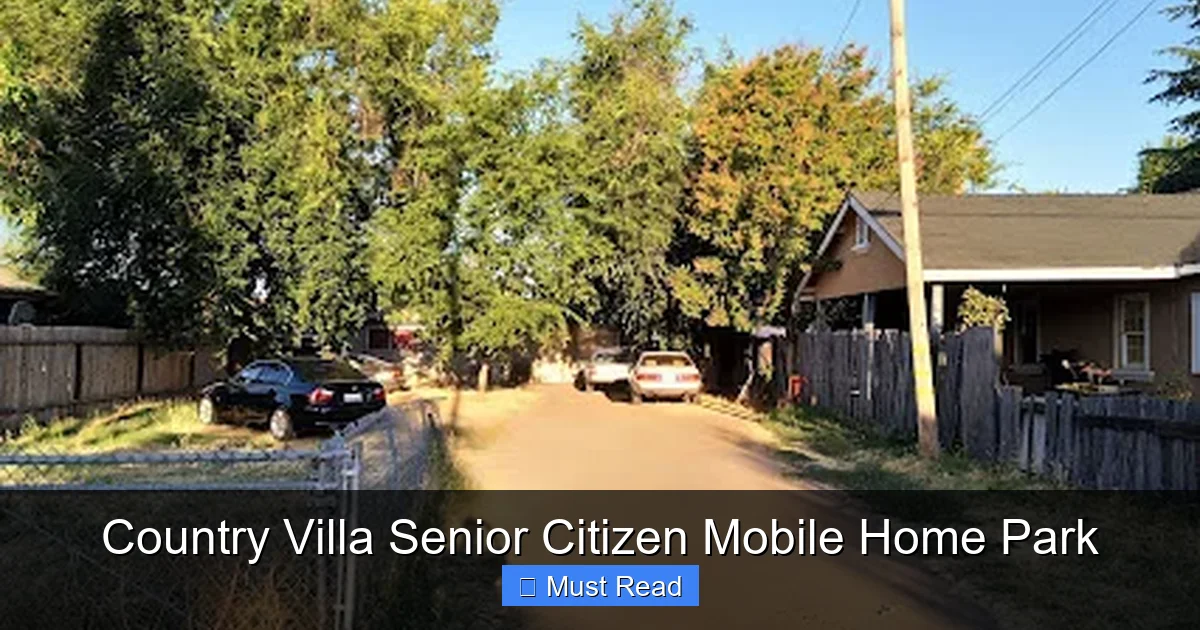
Visual guide about Country Villa Senior Citizen Mobile Home Park
Image source: lh5.googleusercontent.com
Typical Cost Structure
You have two main financial commitments:
- The Home Purchase Price: This can range from $50,000 for a smaller, older model to $250,000+ for a large, new, feature-packed home. Financing is available through specialized lenders (like 21st Mortgage or Cascade) who understand manufactured homes.
- The Monthly Lot Rent: This is your ongoing fee to the park. It covers the land lease, water, sewer, trash, common area maintenance, security, and amenities. It typically ranges from $300 to $800+ per month, depending heavily on location (state, region, proximity to cities) and the park’s amenities. This is your major monthly housing cost after the home is paid off.
There is also usually a small HOA fee ($50-$150/month) for the homeowners association that governs the community rules and funds minor common projects.
Building Equity vs. Paying Rent
This is the biggest mental shift and advantage. In an apartment, your rent is a pure expense with zero return. Here, your monthly lot rent is an expense, but your mortgage payment (if any) is building equity in an asset you own. When you sell your mobile home, you (hopefully) profit from that sale. The land itself is not your asset, but the home is. Over 10-20 years, this can build a nice nest egg. Compare this to spending $1,500/month renting an apartment for 20 years—that’s $360,000 with nothing to show for it. In the park, a portion of your payment is an investment.
Resale Value and What Affects It
The value of your mobile home is influenced by:
- The Park’s Health: A well-managed, full, and attractive park boosts home values. A declining, poorly managed park hurts them.
- Home Age & Condition: Newer, well-updated homes sell for more.
- Location, Location, Location: Parks near medical centers, shopping, and in desirable states (like Florida, Arizona, or coastal areas) command higher prices.
- Homeownership vs. Renting the Home: A resident-owned home (you own it) is more valuable than a home owned by the park and rented to a resident.
It’s crucial to research the specific park’s history, occupancy rate, and management reputation before buying. A good park is a golden asset; a bad one can be a trap.
The Day-to-Day Lifestyle: Community and Amenities
This is the fun part. The lifestyle is what sells these communities. It’s about connection and convenience.
Visual guide about Country Villa Senior Citizen Mobile Home Park
Image source: lh5.googleusercontent.com
The Social Engine: Clubhouse and Activities
The clubhouse is the hub. It’s where the magic happens. A typical schedule might include:
- Morning coffee klatches
- Card games (bridge, poker, canasta)
- Exercise classes (chair yoga, water aerobics if there’s a pool)
- Potluck dinners and holiday parties
- Book clubs, gardening clubs, and craft circles
- Guest speakers on travel, finance, or health
For many seniors, this built-in social calendar is a lifeline. It prevents the loneliness that can so easily set in after retirement or losing a spouse. You’re not just buying a home; you’re buying a ready-made social network. For those who are more tech-oriented, staying connected is also easier with dedicated resources on cell phones for senior citizens.
Common Amenities to Expect
Beyond the clubhouse, look for:
- Outdoor Spaces: Walking paths, benches, shaded picnic areas, maybe a community garden or fishing pond.
- Recreation: A swimming pool (often heated), shuffleboard courts, bocce ball, horseshoe pits, or a putting green.
- Pet-Friendly Policies: Most are pet-friendly (often with size/breed/number limits), which is a huge plus for companionship.
- Safety Features: Good lighting, sometimes security patrols, and a gated entrance.
The “country villa” aesthetic means these amenities are well-maintained and blend with the natural surroundings, creating a resort-like feel in your own backyard.
Practical Considerations: Rules, Regulations, and Realities
Living in a planned community comes with a rulebook. It’s not a bad thing—it’s what protects your investment and your peace.
The Homeowners Association (HOA)
The HOA is the governing body, usually made up of resident owners. They enforce the park’s CC&Rs (Covenants, Conditions, and Restrictions). These rules cover everything:
- Exterior home colors and modifications (you often need approval to paint or add a deck).
- Landscaping requirements (keeping your lot tidy).
- Parking (often no storing RVs or extra cars in driveways long-term).
- Noise and pet rules.
- Rental restrictions (many parks limit the number of homes that can be rented out).
Before buying, get a copy of the CC&Rs and read them carefully. Attend an HOA meeting if you can. See if the board is reasonable and engaged. A good, fair HOA is a protector of value; a overbearing or dysfunctional one can make life miserable.
Park Management and Your Relationship
The park owner/management company is your landlord for the land. Their responsibilities include:
- Maintaining all common areas, streets, and utility infrastructure.
- Enforcing the CC&Rs fairly.
- Managing the park’s overall financial health.
Your relationship with management is crucial. Are they responsive? Do they reinvest in the park? Have there been any contentious issues over lot rent increases? Ask current residents. A stable, long-term management team is a very positive sign.
Understanding the Lease Agreement
Your lot lease is a legal document. Key things to scrutinize:
- Rent Increase Clauses: How often can they raise the rent? Is there a cap? (Some states have laws limiting increases for senior parks).
- Term: Is it a month-to-month lease or a longer term? Most are month-to-month, offering flexibility but also vulnerability to rent hikes.
- Termination Clauses: Under what conditions can either party end the lease?
- Subletting/Renting Your Home: What are the rules if you want to rent out your owned home?
Consider having a real estate attorney review the lease and CC&Rs before you sign anything. It’s a small cost for major peace of mind.
Finding and Choosing the Right Park
Not all country villa senior citizen mobile home parks are created equal. Your due diligence is non-negotiable.
Research Phase: Online and On-Ground
Start with online searches using terms like “55+ mobile home park [Your State/Region]” or “age-qualified manufactured home community.” Look for professional websites with photos of the clubhouse, model homes, and grounds. Then, the critical step: visit in person.
- Drive Through: Do the homes look well-cared for? Is the park clean and inviting? Do residents seem friendly?
- Talk to Residents: This is your goldmine of information. Knock on a door (or approach someone in the clubhouse). Ask: “What do you love most? What’s the biggest challenge? How’s management? How often have lot rents gone up?” Their unfiltered answers are worth more than any sales pitch.
- Meet Management: Get a feel for the office staff. Are they helpful and transparent?
Key Questions to Ask
When you’re ready to inquire, have your list ready:
- What is the current monthly lot rent and what has been the average annual increase over the last 5 years?
- What are the HOA fees and what do they cover?
- Are there any pending special assessments (a large, one-time fee for major improvements)?
- What is the park’s occupancy rate? (Aim for 90%+).
- What are the rules around pets, guests, and parking?
- Can I see the financial statements for the HOA? (A sign of a healthy, transparent community).
- What utilities are included in the lot rent?
- Is there a waiting list for a lot, or are homes available for immediate purchase?
Comparing to Other Senior Living Options
How does this stack up?
- Vs. Traditional Homeownership: You trade a large yard and full autonomy for lower costs, no exterior maintenance, and instant community. You also give up the full value of the land asset.
- Vs. Apartment Living: You get space, ownership/equity, and a stronger community. You give up some landlord-provided interior maintenance (you’re responsible for your home’s interior).
- Vs. Dedicated Senior Apartments/Condos: Often similar in monthly cost, but you own the home (not just a leasehold interest) and have more space (a yard). Condos have HOA fees too, but usually higher and for more amenities.
- Vs. Assisted Living: This is independent living. No medical care or personal assistance is provided. It’s for those who are fully self-sufficient.
For many, the country villa model hits a perfect sweet spot. You can always pair it with in-home care services later if needs change, allowing you to age in place longer.
Your Action Plan: Steps to Secure Your Spot
Ready to take the plunge? Here’s your roadmap.
Step 1: Get Financially Pre-Approved
Talk to a lender who specializes in manufactured homes. They understand the unique structure (chattel vs. real property loans). Know your budget for both the home purchase and the ongoing lot rent/HOA fees. Don’t forget moving costs and setting up utilities.
Step 2: Narrow Your Geographic Search
Consider climate (snowbirds?), proximity to family, healthcare (hospitals, specialists), and desired lifestyle (near a lake? in the mountains? close to a town?). Use online tools to find parks in your target zip codes.
Step 3: Deep Dive Research and Visits
Follow the research and visit plan from the previous section. Create a spreadsheet to compare parks on lot rent, HOA fees, amenities, rules, and your gut feeling from talking to residents.
Step 4: Hire the Right Professionals
Find a real estate agent who has experience with manufactured homes and senior communities. They know the local parks, the quirks of the transactions, and can be your advocate. Also, as mentioned, consider a real estate attorney for contract review.
Step 5: Inspect the Home and Understand the Park
Get a professional home inspection for the mobile home itself (just like a traditional house). Also, ask for and review:
- The park’s latest financial statement.
- Minutes from the last 6-12 HOA meetings (to see what issues are being discussed).
- The full CC&R document.
- A copy of the standard lot lease agreement.
Step 6: Close and Move In!
Once you’ve found your home and park, the closing process is similar to a traditional home sale, but with the added step of park management approval (they often have a vetting process for new residents). After closing, get involved! Introduce yourself, attend a clubhouse event, and start building your new country villa life.
The Bottom Line: Is a Country Villa Park Right For You?
A country villa senior citizen mobile home park represents a powerful and often underappreciated option in the senior living spectrum. It’s the answer for the senior who says: “I want to own my home, I want a low-maintenance life, I want to be around people my age, and I need to make my savings last.”
It delivers on affordability through the land-lease model. It delivers on community through designed spaces and a shared age demographic. It delivers on peace of mind through managed grounds and security. It’s not a care facility; it’s a home in a community.
The risks are real—park management quality, HOA rule enforcement, and long-term rent stability. But these are mitigated by thorough, on-the-ground research and talking to current residents. If you do your homework, you can find a gem: a place where you can truly relax, enjoy your “golden years,” and have a say in your own corner of the world. It’s not just a housing decision; it’s a lifestyle choice for active, social, and savvy seniors.
Frequently Asked Questions
What is the typical minimum age to live in a Country Villa Senior Mobile Home Park?
These are age-qualified communities, typically requiring at least one homeowner or permanent resident to be 55 years of age or older, in compliance with federal housing regulations. Some parks may have a higher minimum age, like 62. Always check the specific park’s rules.
Can I rent out my mobile home if I decide to move?
Most parks have strict rules about rentals. Many limit the percentage of homes that can be tenant-occupied (often to 10-20%) and require park approval for any new tenant. You must review the CC&Rs carefully, as rental restrictions can significantly impact your ability to generate income or sell the home to an investor.
How are lot rent increases handled and regulated?
Lot rent is typically increased annually by the park owner/management. Some states have specific laws governing rent increases in senior mobile home parks, which may require a certain notice period (e.g., 60-90 days) or limit the percentage increase. There is no federal cap, so investigating the park’s historical increase pattern is crucial during your research.
Are pets allowed in these communities?
The vast majority of country villa style parks are pet-friendly, recognizing the importance of companionship for seniors. However, they almost always have written policies limiting the number, size, or breed of pets. You will need to adhere to these rules and ensure your pet is approved by management, often with a pet deposit or fee.
What happens if the park owner decides to sell the land or change the use?
This is a significant risk. If the land is sold to a developer, residents with owned homes may have some protections, such as a right of first refusal to purchase the park collectively or lengthy notice periods (often 1-5 years) to relocate. These protections vary dramatically by state and local ordinance. Understanding your state’s mobile home park residency laws is essential before purchasing.
How do I find out if a specific park is well-managed and financially stable?
Your best sources are current residents and park financial disclosures. Talk to at least 5-10 residents about their experiences with management, maintenance, and rent history. Request to review the park’s latest financial statement and HOA meeting minutes from the past year. Look for signs of deferred maintenance (crumbling roads, overgrown common areas) and ask about any pending special assessments. A full, well-kept park with active residents is the best indicator.
