
Compression Socks vs Support Socks: Which Is Better?


Non-Slip Bathroom Mat

Easy Grip Knife Set

Large Display Clock with Date
Compression Socks vs Support Socks can look like a simple choice, but the two terms can mean different things depending on the product. For seniors, the key question is not which sock sounds better. It is what kind of support the legs actually need.
Compression socks are designed to apply controlled pressure to the legs. Many use graduated compression, with more pressure around the ankle and less higher up the leg. Support socks may focus more on light support, comfort, cushioning, or mild pressure.
For everyday comfort, support socks may be easier to put on and wear. For a specific circulation-related need, properly selected compression socks may be more suitable. The right choice depends on the person, the sock design, and any health concerns.
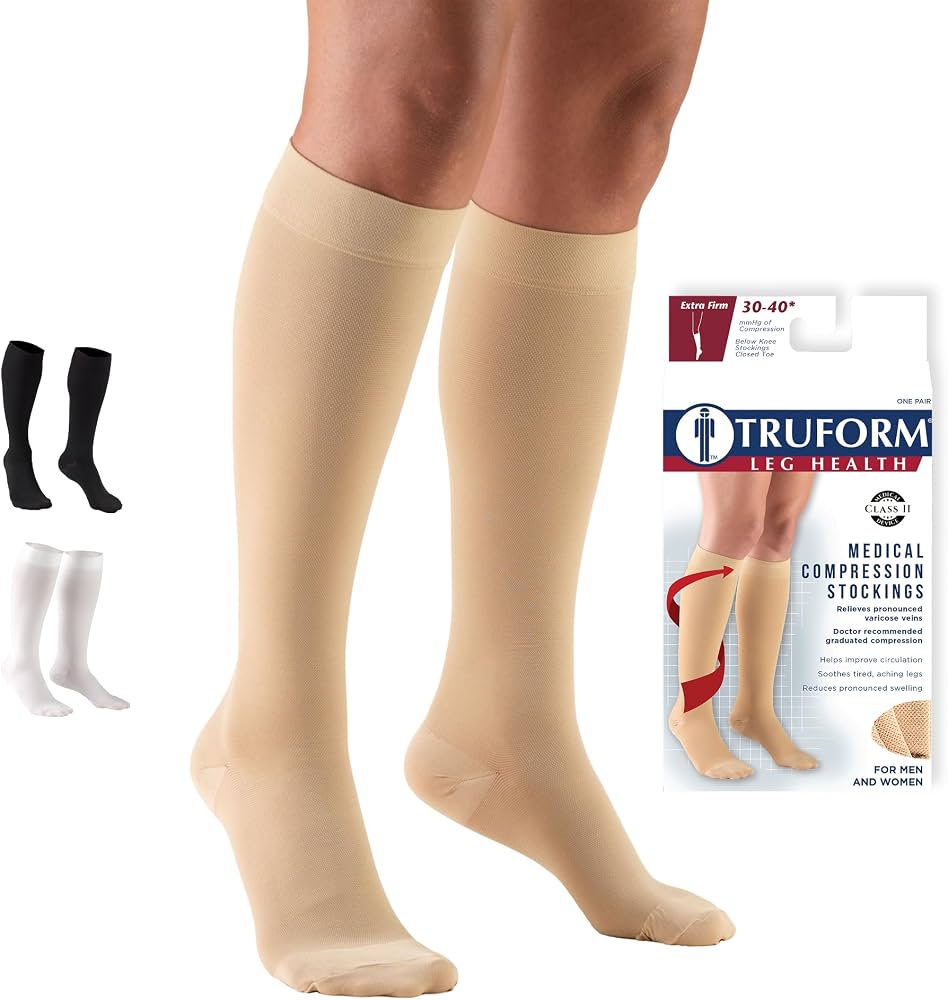
Quick Comparison
For most seniors who simply want a comfortable sock for daily wear, a light support sock may be the easier choice. It can feel less restrictive and may be simpler to put on.
Compression socks are the better choice when controlled compression is actually needed. They can help reduce swelling and support venous blood flow, but the pressure level and fit matter.
The biggest difference is purpose. Support socks are often about everyday comfort, while compression socks are designed around pressure.
Compression Socks vs Support Socks At a Glance
The table below focuses on the differences that matter most for everyday senior use.
| Feature | Compression Socks | Support Socks |
|---|---|---|
| Main purpose | Controlled leg compression | Everyday comfort and support |
| Pressure | Often graduated | Usually lighter, but varies |
| Ease of putting on | Can be harder | Usually easier |
| Fit | Needs careful sizing | Often more forgiving |
| Swelling support | Better suited when appropriate | May offer mild support |
| Daily comfort | Depends on pressure and fit | Often very comfortable |
| Best for | Specific compression needs | General everyday wear |
Compression Socks Review for Seniors
Compression socks are appealing when a senior needs more than a normal sock. Their main feature is controlled pressure around the leg.
The important point is that stronger compression is not automatically better. Different compression levels exist, and the correct level depends on the person’s needs.
Ease of Use
Compression socks can take more effort to put on than ordinary socks. The fabric needs to stretch over the foot and leg, then sit smoothly without folds or bunching.
This can be difficult for someone with limited hand strength or reduced flexibility. A larger opening, softer material, or a donning aid may make the process easier.
Once fitted correctly, the sock does not need complicated controls or settings.
Key Strengths
- Provides controlled pressure.
- Can help reduce leg swelling when appropriate.
- Graduated designs can support venous blood flow.
- Available in different lengths and pressure levels.
- Useful for some specific circulation-related needs.
Potential Drawbacks
- Can be harder to put on.
- Incorrect sizing can reduce comfort.
- Stronger compression may feel restrictive.
- Some people may need help putting them on.
- The correct pressure may require professional guidance.
Support Socks Review for Seniors
Support socks are often a simpler option for people who want everyday comfort and light support. However, the term can describe different products, so the actual design matters.
Some support socks provide light pressure. Others focus more on cushioning, arch support, or general comfort.
Ease of Use
Support socks are usually easier to handle when they use softer, more flexible fabric. This can make them useful for seniors who want a simple sock for walking, standing, travel, or daily activities.
They may also be easier for caregivers to put on when assistance is needed.
Still, do not judge a support sock by its name alone. Check how much pressure it provides and what type of support it is designed to offer.
Key Strengths
- Often easier to put on.
- Comfortable for everyday wear.
- May provide light leg or foot support.
- Can be a good choice when strong compression is not needed.
- Usually simple to wash and use.
Potential Drawbacks
- The term “support sock” can mean different things.
- May not provide the controlled compression some users need.
- Light support may not be enough for certain medical situations.
- Some products focus on foot support rather than leg compression.
Which Is Easier for Seniors to Use?
For many seniors, support socks are easier to put on because they may use softer and less restrictive materials.
Compression socks can require more hand strength and flexibility. The tighter the sock, the more effort may be needed to stretch it over the foot and position it correctly.
A senior with good mobility may have no trouble with compression socks. Someone with limited dexterity may prefer a lighter sock or use a donning aid.
The easiest sock to wear is not always the best sock for the person’s needs.
Fit also matters. A compression sock should sit smoothly on the leg. Folds and bunching can cause discomfort and may affect how the pressure is distributed.
Performance Comparison
These socks are designed for different jobs, so performance should be judged by the goal.
Compression socks are built around pressure. Graduated compression is strongest near the ankle and decreases higher on the leg. This design can help reduce blood pooling and swelling.
Support socks vary more. Some provide mild pressure, while others mainly add cushioning or support around the foot.
If the goal is simply comfortable daily wear, a support sock may do enough. If controlled compression is needed, a true compression sock is the more relevant option.
Comfort, Accessibility, and Senior-Friendly Design
Comfort depends heavily on fit, material, pressure, and the user’s needs.
Support socks may feel more familiar because they can be closer to a normal everyday sock. This may make them easier for seniors who dislike a tight feeling around the legs.
Compression socks can still be comfortable when correctly sized. The problem usually comes when the pressure, size, or design is not right for the wearer.
For seniors with limited hand strength, putting on a firm compression sock may be the biggest challenge. A caregiver or suitable dressing aid can make this easier.
Features Comparison
The most useful features depend on why the sock is being purchased.
| Feature | Compression Socks | Support Socks |
|---|---|---|
| Graduated pressure | Common | Not always |
| Light pressure | Available | Common in some designs |
| Cushioning | Varies | Often emphasized |
| Arch support | Product dependent | Common in some styles |
| Precise pressure level | Often stated | May not be stated |
| Medical use | Some products | Usually not the main purpose |
Price, Maintenance, and Long-Term Value
Price varies widely by material, brand, construction, compression level, and whether the product is designed for medical use.
A cheaper sock is not automatically better value. A poorly fitting compression sock may be uncomfortable and difficult to use.
For compression socks, check the stated compression level and sizing information. For support socks, check whether the product actually provides the type of support you want.
Follow the care instructions for either type. Proper washing and drying can help protect the fabric and elastic.
The best value is the sock that is comfortable enough to use consistently and appropriate for its intended purpose.
Who Should Choose Compression Socks?
Choose compression socks when:
- Controlled compression is the main goal.
- A healthcare professional has recommended compression.
- Leg swelling is an important concern and compression is appropriate.
- You need a clearly stated compression level.
- You are willing to spend more time getting the fit right.
- You can put them on safely or have help when needed.
Who Should Choose Support Socks?
Choose support socks when:
- Everyday comfort is the main goal.
- You want a less restrictive sock.
- Light support is enough for your needs.
- You want an easier sock to put on.
- You prefer cushioning or foot support.
- You do not need medical-grade compression.
Compression Socks vs Support Socks — Final Verdict
Best for most seniors: Support socks for simple everyday comfort.
Best for controlled compression: Compression socks.
Best for ease of use: Support socks.
Best for specific circulation-related needs: Properly selected compression socks.
Best value: Depends on the need. A simple support sock can be better value for everyday use, while compression socks can offer more useful features when controlled pressure is appropriate.
There is no universal winner. These socks solve different problems.
Scoring Summary
Because “support socks” can vary greatly from one product to another, broad numerical scores can give a false sense of precision. A better comparison is to judge the specific product’s pressure, fit, comfort, and intended use.
| Category | Compression Socks | Support Socks |
|---|---|---|
| Ease of use | Good | Very good |
| Everyday comfort | Good | Very good |
| Controlled compression | Excellent | Varies |
| Senior-friendly handling | Good | Very good |
| Specific circulation needs | Better suited | May not be suitable |
How We Evaluate Products
This comparison focuses on practical factors that matter to older adults.
These include ease of use, comfort, fit, accessibility, pressure, maintenance, safety, and long-term practicality.
The goal is not to make every senior fit the same profile. A senior who walks every day may have very different needs from someone who has difficulty putting on socks or has a health condition affecting circulation.
Senior-Specific Buying Considerations
Before choosing either type, check these points.
Physical Effort
Think about how much effort is needed to put the sock on. Firm compression can require more hand strength.
Fit
A good fit matters. Avoid socks that bunch, roll, or feel painfully tight.
Pressure
Do not assume that more pressure means better support. Check the actual pressure level when buying compression socks.
Comfort
Look for a fabric and design that can be worn comfortably for the intended period.
Assistance
If putting on the sock is difficult, consider whether a caregiver or dressing aid will be needed.
Health Needs
If the socks are being considered because of swelling, circulation problems, vascular disease, diabetes-related nerve problems, or another medical concern, professional advice is important.
Common Buying Mistakes
Avoid these common mistakes:
- Choosing only by price.
- Assuming all support socks are the same.
- Buying compression that is too strong.
- Ignoring proper sizing.
- Choosing a sock that is difficult to put on.
- Treating a general support sock as a substitute for medically recommended compression.
Safety
Compression socks are not right for everyone. People with certain circulation problems, severe swelling, fragile skin, open wounds, or reduced sensation may need professional guidance before using them.
If a compression sock causes pain, numbness, tingling, skin discoloration, skin damage, or worsening swelling, remove it and seek appropriate medical advice.
For a known medical condition, the safest approach is to ask a healthcare professional which type and pressure level are appropriate.
Frequently Asked Questions
Are compression socks better than support socks for seniors?
Not always. Compression socks are better when controlled compression is appropriate. Support socks may be better for simple everyday comfort.
Are support socks the same as compression socks?
Not necessarily. The terminology varies between products and brands. Some support socks provide light pressure, while others focus on cushioning or foot support.
Are compression socks harder to put on?
They can be. Firmer compression usually requires more effort to stretch and position correctly.
Can seniors wear compression socks every day?
Some people can wear them regularly, but the appropriate schedule depends on the person and the reason for using them. Follow professional guidance when compression is being used for a medical issue.
What should I do if compression socks feel too tight?
They should not cause significant pain, numbness, tingling, or skin changes. Remove them if these problems occur and seek professional advice when needed.
Conclusion
Compression Socks vs Support Socks is really a choice between different types of support. Compression socks focus on controlled pressure, while support socks may focus more on comfort, light support, or cushioning.
For simple daily use, a comfortable support sock may be the easier option. When controlled compression is needed, a properly fitted compression sock may be more suitable. For seniors with a medical condition or significant swelling, choosing the right pressure should come before choosing a brand or style.
