
Compression Socks vs Compression Sleeves for Seniors

Electric Heating Pad

Compression Socks

Easy Grip Kitchen Utensils
Compression Socks vs Compression Sleeves can be confusing because both use pressure to support the body. But they are not the same product. One covers the foot and leg. The other usually covers only part of the limb.
For seniors, the better choice depends on where support is needed, how easy the garment is to put on, and whether it is being used for everyday comfort or a health-related need. The right fit also matters more than simply choosing the tighter option.
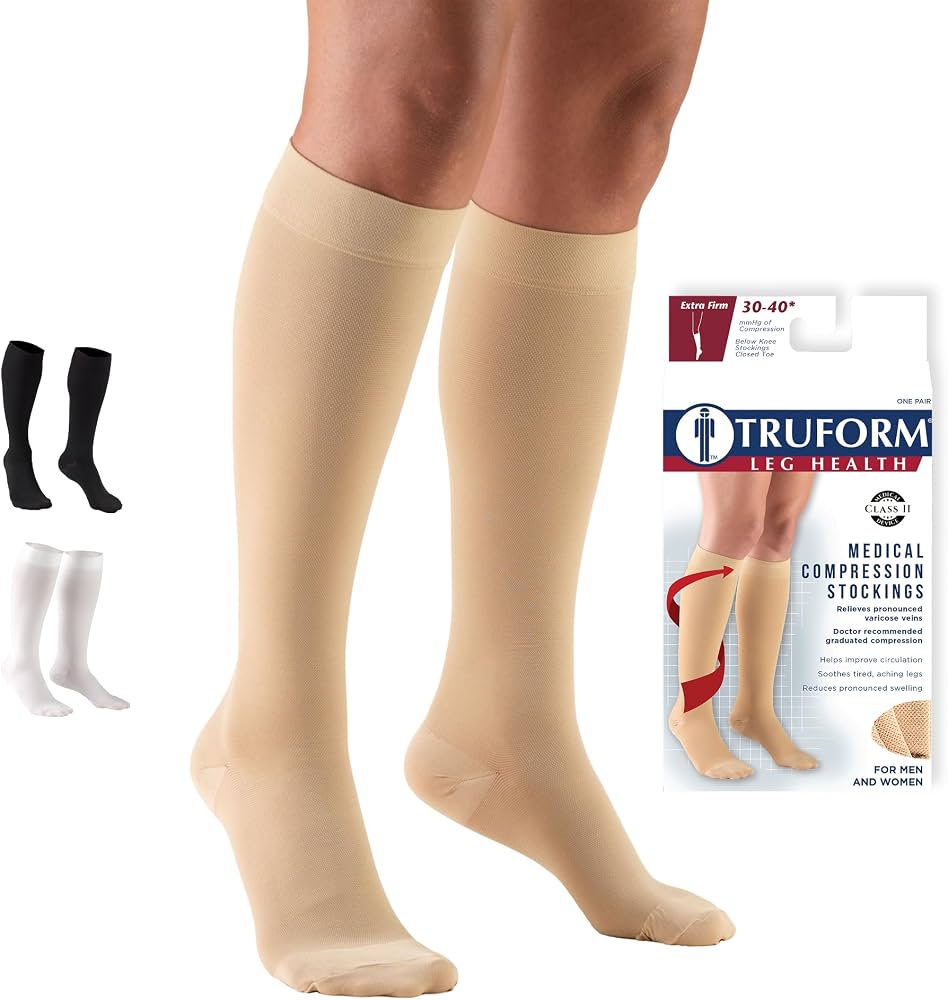
Compression Socks vs Compression Sleeves At a Glance
Compression socks are usually the simpler choice when the feet and lower legs need support. Compression sleeves leave the foot uncovered, which can make them useful in situations where foot coverage is not wanted.
| Feature | Compression Socks | Compression Sleeves |
|---|---|---|
| Foot coverage | Yes | No |
| Lower-leg coverage | Usually | Usually |
| Ease of putting on | Can take more effort | Often simpler |
| Foot compression | Yes | No |
| Everyday wear | Very practical | Depends on need |
| Best for | Foot and lower-leg support | Targeted limb support |
Compression Socks Review for Seniors
Compression socks are designed to apply pressure around the leg. Many types use graduated compression, with the strongest pressure around the ankle and less pressure farther up the leg.
This makes them a useful option when the foot and lower leg both need to be covered.
Ease of Use
The main challenge is getting them on and off.
A snug compression sock may require more hand strength than a normal sock. Seniors with limited dexterity may find this frustrating. A correct size can make a big difference.
Look for:
- A good size and fit
- A fabric that is not too difficult to grip
- A design that does not bunch up
- Easy-to-follow care instructions
- A length that suits the intended use
The sock should feel snug, not painfully tight. Medical compression may also require professional sizing and guidance.
Key Strengths
- Covers the foot and lower leg
- Can provide graduated compression
- Easy to use as part of normal dressing
- Many styles are available
- No separate foot covering is needed
Potential Drawbacks
- Can be harder to put on
- May feel warm to some users
- Incorrect sizing can cause discomfort
- Stronger medical compression may require professional fitting
Compression Sleeves Review for Seniors
Compression sleeves are different because they normally leave the foot uncovered. They can be used on different parts of the body, depending on the type of sleeve.
Some sleeves are designed for arms. Others are designed for legs. Medical compression garments may also be selected based on the location of swelling and the user’s needs.
Ease of Use
A sleeve can be convenient when foot coverage is not needed.
There is no sock foot section to pull over the toes and heel. That may make the garment feel less restrictive during use.
However, a sleeve still needs to fit correctly. A sleeve that rolls, bunches, or feels too tight is not a good fit.
Key Strengths
- Leaves the foot uncovered
- Can provide targeted coverage
- May work well with normal footwear
- Useful for some limb-specific needs
- Can be easier to combine with regular socks
Potential Drawbacks
- Does not compress the foot
- May move or roll if poorly fitted
- Different sleeves serve different purposes
- Medical versions may need professional fitting
Which Is Easier for Seniors to Use?
For many people, compression sleeves may be easier to handle because there is no foot section to pull over the heel and toes.
But that does not make sleeves automatically better.
A senior who wants support that includes the foot may prefer compression socks. Someone who wants the foot uncovered may find a sleeve more convenient.
Dexterity also matters. Putting on either garment can require pulling, stretching, and adjusting the material. If this is difficult, a caregiver or healthcare professional may be able to suggest an easier garment or application method.
The easiest compression garment is the one that fits correctly and can be put on without excessive effort.
Performance Comparison
Both products can provide compression, but their coverage is different.
Compression socks can cover the foot and lower leg. Many graduated compression socks are tightest at the ankle and become less tight higher up the leg.
Compression sleeves provide more targeted coverage. The exact effect depends on the sleeve design, pressure level, and body area covered.
| Performance Area | Compression Socks | Compression Sleeves |
|---|---|---|
| Foot coverage | Better | None |
| Lower-leg coverage | Yes | Often |
| Targeted limb coverage | Good | Often better |
| Footwear compatibility | May vary | Often simple |
| Pressure pattern | Often graduated | Depends on design |
This is why the products should not be judged only by how tight they feel.
Comfort, Accessibility, and Senior-Friendly Design
Comfort starts with the right size.
A garment that is too loose may not provide the intended compression. One that is too tight may be uncomfortable and difficult to wear.
For seniors, also consider:
- How much hand strength is needed
- Whether the material is easy to grip
- Whether the garment stays in place
- Whether shoes fit comfortably over it
- Whether the garment can be removed without help
- Whether daily cleaning is manageable
Some people may find a sleeve easier because the foot remains free. Others may prefer a sock because it stays as one complete garment.
There is no single design that works best for every senior.
Features Comparison
The most useful feature depends on why the compression garment is being used.
| Feature | Compression Socks | Compression Sleeves |
|---|---|---|
| Foot included | Yes | No |
| Graduated design | Common | Depends on product |
| Easy footwear use | Depends on thickness | Often easier |
| Targeted area | Foot and leg | Specific limb area |
| Fit importance | Very high | Very high |
For medical compression, pressure level should not be chosen simply because a stronger garment seems better. Healthcare guidance may be needed, especially when there is a circulation problem or significant swelling.
Price, Maintenance, and Long-Term Value
Price varies widely by material, compression level, construction, and whether the garment is a general consumer product or a medical garment.
Instead of choosing only by price, consider how often the garment will be used.
A more expensive garment may offer better comfort or durability. But paying more does not automatically make one product better.
Check:
- Washing instructions
- Expected replacement needs
- Fabric durability
- Ease of putting it on
- Fit after washing
- Number of garments needed for regular use
Medical compression garments may also need periodic reassessment because fit can change over time. Some NHS guidance recommends regular assessment and replacement according to the garment and care plan.
Who Should Choose Compression Socks?
Choose compression socks if:
- You want coverage that includes the foot.
- You prefer one garment for the foot and lower leg.
- Foot compression is part of the reason for using compression.
- You want a familiar sock-like design.
- Your shoes can comfortably accommodate the garment.
They can be a practical everyday option when the fit and compression level are appropriate.
Who Should Choose Compression Sleeves?
Choose compression sleeves if:
- You want the foot left uncovered.
- You need targeted coverage of a limb.
- You want to wear your normal socks separately.
- Foot compression is not needed.
- The sleeve design better matches your specific use.
For swelling or lymph-related conditions, compression sleeves and other garments may be part of a treatment plan, but the correct garment should be selected with appropriate professional guidance.
Compression Socks vs Compression Sleeves — Final Verdict
Best for most everyday lower-leg use: Compression Socks
Best for keeping the foot uncovered: Compression Sleeves
Best for foot coverage: Compression Socks
Best for targeted limb coverage: Compression Sleeves
There is no universal winner. Compression socks make more sense when the foot and lower leg need coverage. Sleeves make more sense when the foot should remain free.
The biggest factor is not simply which garment feels tighter. It is whether the product, pressure level, size, and coverage match the person’s actual needs.
Scoring Summary
These scores are practical comparisons, not medical ratings.
| Category | Compression Socks | Compression Sleeves |
|---|---|---|
| Ease of Use | 8/10 | 8/10 |
| Senior-Friendly Design | 8/10 | 8/10 |
| Coverage | 9/10 | 7/10 |
| Flexibility | 8/10 | 9/10 |
| Everyday Practicality | 9/10 | 8/10 |
| Value | 8/10 | 8/10 |
The scores can change depending on the exact product and the person’s needs.
How We Evaluate Products
This comparison focuses on practical factors that matter to older adults.
We consider:
- Ease of use
- Fit
- Comfort
- Accessibility
- Coverage
- Maintenance
- Everyday practicality
- Value
- Safety
This is a product comparison, not a medical evaluation. It does not replace advice from a healthcare professional.
Senior-Specific Buying Considerations
The right compression garment should fit the person, not just the product category.
Physical Effort
Think about how much pulling and stretching is needed. If putting on the garment is difficult, another design may be more practical.
Fit
Do not assume that tighter means better. Proper sizing is important, especially with medical compression.
Foot Coverage
Ask whether compression is needed on the foot. If not, a sleeve may be more convenient.
Maintenance
Check how the garment should be washed and dried. Simple care can make regular use easier.
Medical Needs
If compression is being used for a medical condition, ask a healthcare professional which garment and pressure level are appropriate. Some people with circulation problems may need special assessment before using compression.
Common Buying Mistakes
Avoid these common mistakes:
- Choosing the strongest compression without guidance
- Buying the wrong size
- Ignoring foot coverage
- Focusing only on price
- Assuming socks and sleeves work in exactly the same way
- Ignoring how difficult the garment is to put on
A good fit and suitable design are more useful than simply choosing the tightest option.
Safety
Compression garments should feel snug, but they should not cause significant pain, numbness, or unusual discomfort.
If compression is being used for a medical condition, especially a circulation problem, get professional advice before choosing the pressure level. Compression is not suitable for everyone, and conditions such as peripheral artery disease may require special caution.
If a healthcare professional has prescribed compression, follow their instructions about the garment, pressure, fitting, and wearing schedule.
Frequently Asked Questions
Are compression socks better than compression sleeves?
Neither is always better. Socks cover the foot and lower leg, while sleeves leave the foot uncovered. The better choice depends on the area that needs compression.
Can seniors use compression sleeves instead of socks?
Sometimes. A sleeve may be useful when foot coverage is not needed. However, it should match the person’s specific purpose and fit correctly.
Are compression socks harder to put on?
They can be. The foot and heel section can require extra pulling and stretching. Seniors with limited hand strength may find this challenging.
Do compression sleeves cover the feet?
Most leg compression sleeves do not cover the foot. This is one of their main differences from compression socks.
Should I choose stronger compression?
Not automatically. Stronger compression is not always better. If compression is being used for a medical reason, ask a healthcare professional about the appropriate level.
Can I sleep in compression socks or sleeves?
Do not assume that daytime compression should also be worn overnight. Wearing schedules can depend on the reason for compression. Follow professional advice when compression is being used for a medical condition.
Conclusion
Compression Socks vs Compression Sleeves comes down to coverage, fit, comfort, and the reason for using compression. Socks are the more complete option when the foot and lower leg both need coverage. Sleeves offer a more targeted design when leaving the foot uncovered is useful.
For seniors, ease of use matters just as much as the compression itself. Choose a garment that is easy to manage, fits properly, and matches the intended need. When compression is part of medical care, professional guidance is the safest way to choose the right garment and pressure level.
