
Caregiver Self Care Checklist for Less Stress and More Energy


Weighted Blanket
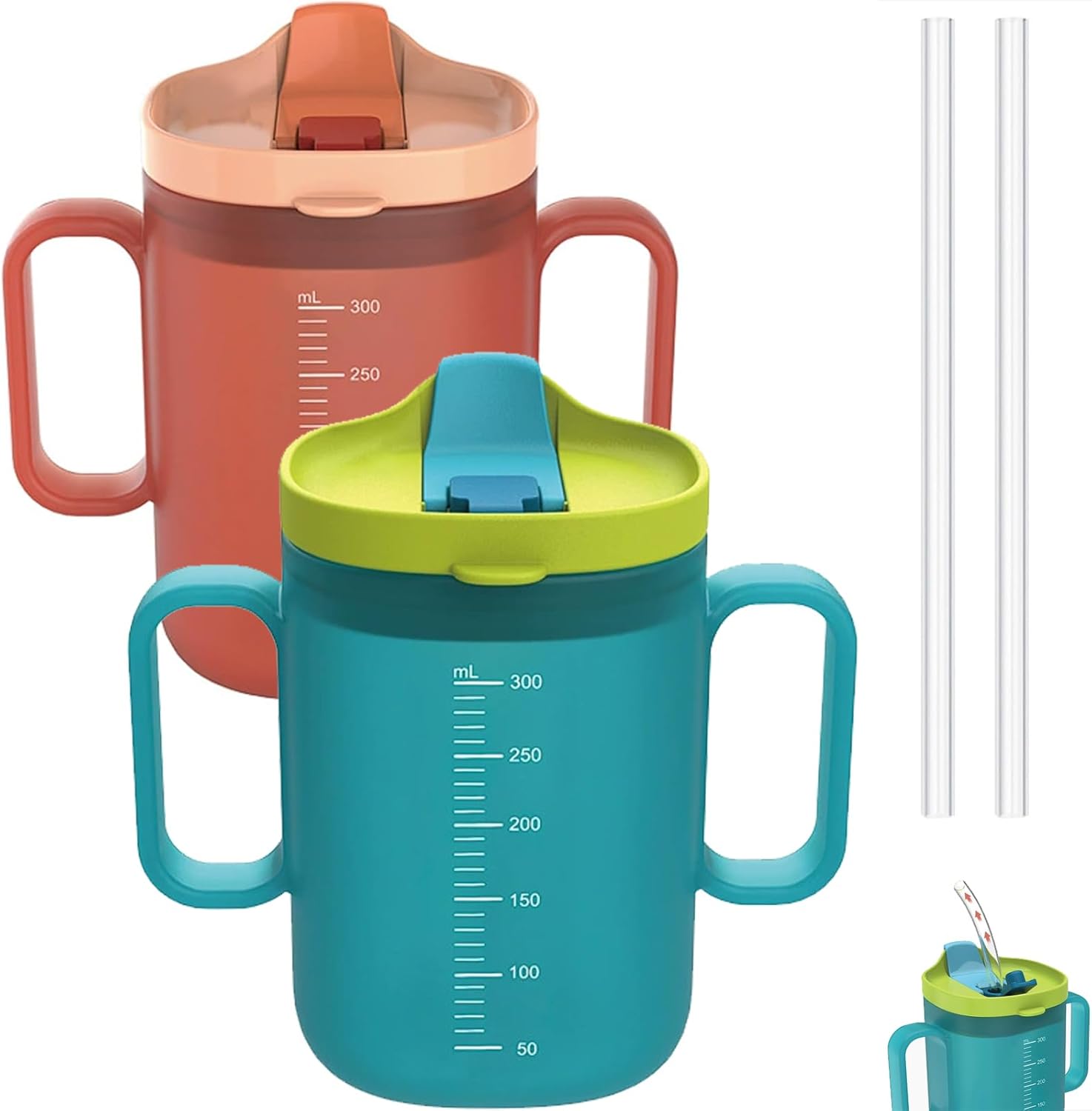
Spill-Proof Adult Cup

Electric Kettle with Auto Shutoff
A caregiver self care checklist helps you protect your energy, sleep, mood, and safety while you care for someone else. The most useful version is simple, realistic, and built around small daily habits you can actually repeat.
Caregiving can be deeply meaningful, but it can also wear you down if you never get a break. This caregiver self care checklist is designed to help you protect your energy, steady your mood, and keep going without running on empty.
- Start small: Focus on sleep, water, meals, and short breaks first.
- Protect your mood: Use breathing, journaling, prayer, or quiet pauses.
- Ask for help: Specific requests get better results than general offers.
- Watch for burnout: Ongoing fatigue and irritability are warning signs.
- Get support early: Talk to your doctor if stress affects health or safety.
Why a Caregiver Self Care Checklist Matters in 2026
In 2026, many family caregivers are still juggling appointments, medications, meals, transportation, and emotional support at the same time. A simple checklist helps you notice what you need before stress turns into burnout.
If you want a practical starting point, a senior caregiver daily checklist template can make daily routines feel more manageable. The goal is not perfection. It is to create a routine that protects your health while you care for someone else.
How caregiver burnout affects energy, mood, and decision-making
Burnout can show up as tiredness that sleep does not fix, irritability, forgetfulness, or feeling numb. It can also make it harder to make good choices, stay patient, or keep track of small but important details.
When stress stays high for too long, people often skip meals, sleep poorly, and stop doing the things that normally help them cope. That is why a caregiver self care checklist is useful: it gives you a short list to follow when your mind feels overloaded.
What readers want from this checklist: quick relief and realistic habits
Most caregivers do not need a complicated wellness plan. They need quick relief, realistic habits, and a way to keep going on difficult days.
This article focuses on small actions you can fit into a busy schedule, even if you are helping a spouse, parent, or neighbor. The best checklist is the one you can actually use.
Start With the Basics: Your Daily Caregiver Self Care Checklist
Start with the basics before trying anything fancy. Sleep, food, water, and short movement breaks are often the first things caregivers lose, and they are also the first things that help restore energy.
Sleep, hydration, and regular meals that fit a caregiving schedule
Try to keep a regular sleep window as much as possible, even if it is not perfect every night. If nighttime care interrupts your rest, ask your doctor whether any changes in your own routine or your loved one’s routine could help.
Keep water within reach and drink during transitions, such as after giving medication or before leaving for an appointment. For meals, think in simple terms: protein, fruit, vegetables, or a filling snack you can eat quickly.
Prepare a few easy foods ahead of time, such as yogurt, cut fruit, soup, nuts, or sandwiches, so you are less likely to skip meals when the day gets busy.
Micro-breaks you can take in 5 to 10 minutes
Short breaks matter because they interrupt stress before it builds too high. Even a five-minute pause can help you breathe more slowly and reset your thoughts.
Use tiny windows of time: while waiting for a prescription, after a phone call, or while a loved one rests. Sit down, close your eyes, stretch your shoulders, or step outside for fresh air.
- Have I sat down for at least 5 minutes today?
- Have I taken a few slow breaths?
- Have I had water and a snack?
Simple movement ideas for home, errands, and hospital days
You do not need a workout to support your body. Gentle movement can be enough to reduce stiffness and help you feel more alert.
At home, try walking from room to room a few extra times, stretching your arms overhead, or rolling your shoulders. On errand days or hospital days, take the stairs only if it is safe for you, or walk a little in the hallway before sitting again.
Emotional Self Care for Caregivers: Staying Grounded Under Pressure
Physical fatigue is only part of caregiving stress. Emotional strain can build quietly, especially when care needs continue for months or years.
Stress triggers that build up during long-term care
Common stress triggers include repeated doctor visits, unclear answers, family disagreements, and the feeling that no one fully understands what you are carrying. Grief can also be part of caregiving, even when your loved one is still with you.
When stress builds over time, small problems can feel huge. That is normal, and it is a sign that you need support, not a sign that you are failing.
Journaling, breathing, prayer, or mindfulness examples that actually fit busy days
Emotional self care does not have to take long. A few quiet minutes can help you stay grounded if you keep the practice simple.
You might write three lines in a notebook, take five slow breaths, say a short prayer, or notice five things you can see and hear. If you like mindfulness, you can do it while sitting in your car before going inside or while waiting in a clinic lobby.
Short breathing breaks can help your body shift out of “fight or flight” mode, which is the stress response that makes you feel tense and on edge.
Setting emotional boundaries without guilt
Boundaries are not selfish. They are a way to protect your ability to keep helping.
You may need to limit long phone calls, say no to extra tasks, or ask family members to speak respectfully when discussing care decisions. If guilt makes it hard to set limits, remind yourself that a burned-out caregiver cannot provide good care for long.
Practical Support Systems That Reduce Stress and Save Energy
No caregiver should have to do everything alone. Practical help is often the difference between coping and collapsing.
How to ask family, friends, and neighbors for specific help
People often say, “Let me know if you need anything,” but that is hard to use when you are already overwhelmed. It helps to ask for one clear task at a time.
For example, ask someone to pick up groceries, sit with your loved one for one hour, drive to an appointment, or drop off dinner. Specific requests are easier to accept and easier to fulfill.
Using respite care, adult day services, and meal delivery when needed
Respite care gives you a temporary break, while adult day services can provide supervision and activities during part of the day. Meal delivery can also save time and reduce the pressure to cook every day.
These supports are not only for emergencies. They can be part of a regular plan, especially if your loved one has ongoing needs. Ask a healthcare provider, social worker, or local aging agency what may be available in your area.
Comparing low-cost support options vs. paid help
Low-cost help may include family support, faith communities, volunteer groups, or community programs. Paid help may include home care aides, transportation services, or cleaning services, depending on what is available locally.
Costs and insurance coverage vary widely. Medicare coverage for caregiving support is limited in many situations, so it is wise to check your plan details and talk to your doctor or healthcare provider about what services may be medically appropriate and what may be out-of-pocket.
| Option | Best For | Note |
|---|---|---|
| Family or neighbor help | Small, one-time tasks | Usually low cost, but depends on availability |
| Respite care | Short caregiver breaks | May require planning and may not be fully covered |
| Meal delivery | Busy weeks or recovery periods | Can reduce stress and save energy |
| Paid home help | Ongoing support needs | Often helpful, but costs vary by location and plan |
Common Caregiver Self Care Mistakes to Avoid
Many caregivers make the same mistakes because they are trying to be responsible and reliable. The problem is that good intentions can lead to exhaustion if self care is always postponed.
Ignoring warning signs of burnout until you crash
It is easy to tell yourself you will rest “after this week” or “after the next appointment.” But burnout often builds slowly and then hits all at once.
If you are constantly tired, tearful, angry, or unable to focus, do not wait for a collapse. Use the checklist now and make changes early.
Trying to do everything alone
Doing everything yourself may feel like the safest choice, but it usually leads to more stress and less patience. Shared care is often safer for everyone.
If you need help, start with one person and one task. You do not have to explain everything in detail to deserve support.
Confusing self care with “extra time” instead of daily maintenance
Self care is not only a spa day or a long vacation. For caregivers, it is daily maintenance that keeps your body and mind working.
That may mean eating lunch, taking medication on time, stretching, or getting to bed earlier. Small habits matter because they are realistic enough to repeat.
When to Get Help: Health, Mental Health, and Safety Warning Signs
Some stress is normal, but certain signs mean it is time to get professional help. If you are unsure, it is better to ask early than to wait too long.
Symptoms that mean the caregiver needs medical or mental health support
Talk to your doctor if you have chest pain, frequent headaches, dizziness, panic symptoms, ongoing sadness, trouble sleeping for many nights, or changes in appetite that do not improve. These may be signs that stress is affecting your health.
If you feel hopeless, numb, or unable to enjoy anything for a long time, a counselor or mental health professional may be helpful. If you ever think about hurting yourself, seek emergency help right away.
If stress is causing physical symptoms, sleep problems, or mood changes that last more than a short time, contact your doctor or a mental health professional. Early support can prevent a bigger crash later.
When stress is affecting medication management, driving, or home safety
Stress can become a safety issue if you are forgetting medications, mixing up appointments, feeling too sleepy to drive, or leaving appliances on by mistake. These are important warning signs, not small slips to ignore.
If caregiving stress is affecting safety in the home, ask for help quickly. A pharmacist can also help you review medication routines if you are managing multiple prescriptions.
If you are so overwhelmed that you may miss medications, drive unsafely, or cannot keep the home safe, get help immediately. Ask a trusted person to step in and contact your healthcare provider.
How to contact a doctor, counselor, or crisis resource early
Call your doctor’s office, a counselor, or your local behavioral health line before stress becomes an emergency. If you already have a therapist, let them know your caregiving load has changed.
For urgent mental health concerns, use a crisis resource in your area right away. If you are not sure where to start, a doctor, pharmacist, or local senior services office can help point you in the right direction.
Build a Personalized Caregiver Self Care Checklist That Fits Your Routine
The best checklist is the one that matches your real life. It should fit your schedule, your health, and the level of care you provide.
Morning, mid-day, and evening checklist examples
A simple morning routine might include water, medication for yourself, a quick breakfast, and a few deep breaths before the day starts. Mid-day could include lunch, a short walk, and a check-in with a family member or friend.
In the evening, try to review tomorrow’s appointments, prepare what you can, and set a bedtime goal. If you need a reminder, keep your checklist on the refrigerator or next to your phone.
- Morning: hydrate, eat, and prepare for the day.
- Mid-day: take a short break and move your body.
- Evening: plan ahead and protect your sleep.
Customizing the checklist for working caregivers, spouses, and long-distance caregivers
Working caregivers may need a checklist that focuses on commute time, lunch breaks, and after-work recovery. Spouses often need reminders to protect their own health appointments and rest time.
Long-distance caregivers may need to focus on phone calls, care coordination, and staying organized between visits. In every case, the checklist should reduce stress, not become another chore.
Tracking what helps most so the routine stays realistic
Notice which habits actually help you feel calmer or more energetic. You might find that a short walk helps more than a long meditation, or that meal prep matters more than extra chores.
If something is not working, change it. A realistic routine is flexible, especially when health conditions, medications, or family needs change. If you are unsure whether a new routine is safe for you, consult your doctor or healthcare provider.
Final Recap: Small Daily Habits for Less Stress and More Energy
A caregiver self care checklist works best when it is simple, specific, and kind. The goal is to keep you steady enough to care for someone else without losing your own health in the process.
Key takeaways from the checklist
Focus on sleep, water, meals, short breaks, emotional boundaries, and practical help. Watch for burnout early, and do not wait until you are completely worn out to ask for support.
Encouragement to start with one or two changes and build from there
You do not need to fix everything at once. Start with one or two small changes, repeat them for a few days, and build from there.
Even a modest routine can make caregiving feel more manageable. Small daily habits can lead to less stress and more energy over time.
Frequently Asked Questions
A good checklist includes sleep, hydration, meals, short breaks, movement, emotional support, and asking for help when needed. Keep it simple enough to use on busy days.
Use small actions that fit into the day, such as drinking water, eating a snack, taking five slow breaths, or stretching for a few minutes. Small habits are often more realistic than long self care routines.
Early signs can include constant tiredness, irritability, trouble sleeping, forgetfulness, and feeling overwhelmed or numb. If these symptoms continue, talk to your doctor or a counselor.
Yes, respite care can give you time to rest, run errands, or recover from stress. Availability and cost vary, so check local services and your insurance options.
Ask for one specific task, such as a ride, a meal, or one hour of supervision. Clear requests are easier for others to answer and can make it simpler to accept help.
Talk to your doctor if stress is causing sleep problems, chest pain, headaches, panic symptoms, sadness, or safety concerns. Get help early if caregiving is affecting medication management, driving, or home safety.