
Caregiver Hydration Tracker for Easy Daily Monitoring

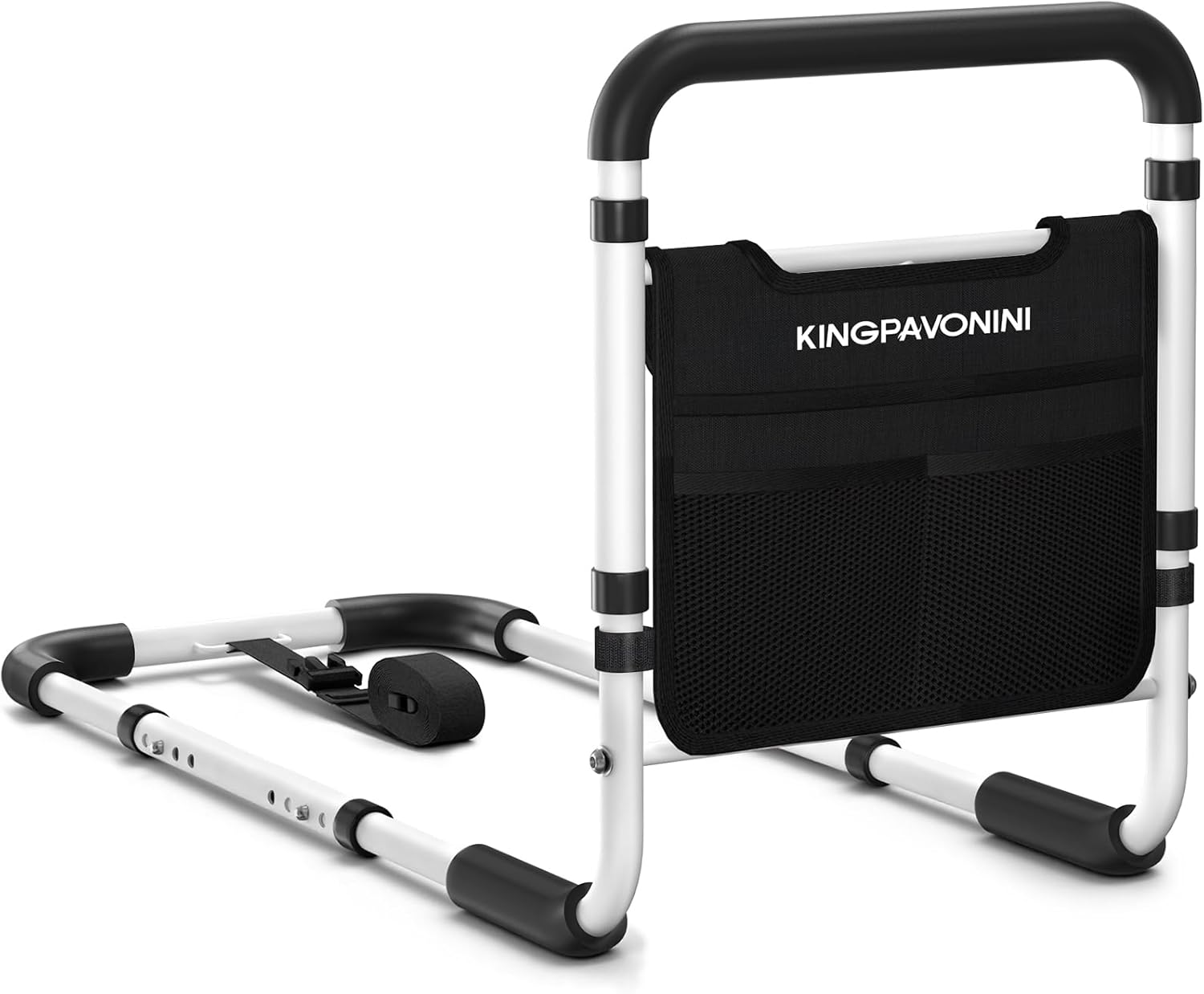
Bed Rail for Seniors

Weekly Pill Organizer

Kindle E-Reader
A caregiver hydration tracker helps you record daily fluid intake so you can spot low drinking habits early and support senior safety. The best tracker is simple, easy to use, and matched to the senior’s health needs and your caregiving routine.
A caregiver hydration tracker is a simple but powerful way to help an older adult drink enough fluids throughout the day. For many families, it brings more peace of mind, fewer missed drinks, and a clearer picture of when to talk to your doctor.
- Track daily intake: Log drinks, meals, and hidden fluids consistently.
- Keep it simple: The easiest tracker is usually the one used every day.
- Watch for warning signs: Dizziness, confusion, and dark urine need attention.
- Match the care plan: Follow doctor guidance for restrictions or special needs.
What a Caregiver Hydration Tracker Does and Why It Matters in 2026
A caregiver hydration tracker helps record how much water, juice, milk, broth, or other fluids a senior drinks each day. It can be as simple as a printed chart on the refrigerator or as detailed as a mobile app with reminders and totals.
In 2026, many caregivers are balancing medications, appointments, and changing routines. A hydration tracker makes it easier to spot patterns early, especially when a person is eating less, recovering from illness, or forgetting to drink regularly.
How hydration monitoring supports seniors’ safety, energy, and cognition
Good hydration supports circulation, digestion, body temperature, and kidney function. For older adults, it may also help with energy, alertness, and steadier thinking throughout the day.
When fluids run low, seniors may seem more tired, weak, dizzy, or confused. Those changes can be easy to miss if no one is tracking intake, especially when several caregivers share the same person’s care.
Older adults may not feel thirsty as strongly as younger people, so relying on thirst alone can lead to missed fluids.
Who benefits most: dementia care, post-hospital recovery, and frailty support
A hydration tracker is especially useful for people living with dementia, because they may forget to drink or may not recognize thirst. It is also helpful after a hospital stay, when the body may need extra support and routines are still settling back into place.
Frail seniors, people with limited mobility, and those who need help with meals can also benefit. If swallowing is difficult or a fluid restriction is in place, consult your pharmacist or healthcare provider before changing the plan.
How to Use a Caregiver Hydration Tracker for Daily Monitoring
The best tracker is the one that fits real life. You do not need a complicated system to get useful results; you need a routine that is easy to repeat every day.
Simple step-by-step routine for recording water, fluids, and mealtime intake
Select paper, app, or a smart tool, then keep the same format each day so the information stays easy to follow.
Use the amount recommended by the person’s doctor or care team. Needs can vary with heart, kidney, or swallowing conditions.
Record water, coffee, tea, juice, milk, and other allowed drinks right away so nothing is forgotten later.
Note soups, gelatin, popsicles, and high-water foods if your tracker allows it. These can matter more than many caregivers realize.
Check totals, missed drinks, and any unusual symptoms so the next day starts with a clear plan.
How to track intake across home care, assisted living, and family caregiving
At home, one caregiver may handle most of the logging. In assisted living, the tracker may need to be shared between staff and family so everyone sees the same information.
For family caregiving, a shared notebook or phone-based log can prevent confusion. If more than one person helps, agree on who records each drink and where the tracker lives during the day.
For related planning support, some families also keep a senior caregiver daily checklist template nearby so hydration is part of a larger routine.
Practical example of a full day hydration log for an older adult
Here is a simple example of what one day might look like: morning water with breakfast, coffee or tea mid-morning, water with lunch, broth or juice in the afternoon, and a final drink with dinner or evening medication.
The exact amounts do not need to be perfect at first. The goal is to see whether the person is drinking steadily across the day or going long stretches without fluids.
If the older adult has a fluid restriction, the tracker should reflect the amount approved by the doctor. Do not assume a “more is always better” approach is safe.
Key Features to Look for in a Caregiver Hydration Tracker
Different trackers work better for different care situations. A good one should be easy to use, easy to read, and realistic for the person who will update it most often.
Daily reminders, intake totals, and easy visual progress markers
Look for reminders that nudge the caregiver or senior to drink at regular times. Totals for the day are also useful because they show the bigger picture, not just individual sips.
Visual progress markers, such as checkboxes, bars, or color changes, can make a tracker easier to understand at a glance. That is especially helpful when several caregivers share the same record.
- Shows daily intake clearly
- Helps spot missed fluids early
- Makes routines easier to follow
Notes for medications, swallowing issues, and fluid restrictions
Some seniors need space to note medications that may affect hydration, such as medicines that increase urination or cause dry mouth. Others may need reminders about swallowing difficulties or thickened liquids.
If a person has kidney disease, heart failure, or another condition that changes fluid needs, the tracker should leave room for those instructions. Always consult your pharmacist or healthcare provider if the care plan is unclear.
Do not use a hydration tracker to change a prescribed fluid limit on your own. Call the doctor first if the plan seems too strict, too loose, or hard to follow.
Accessibility features for seniors and busy caregivers
Large print, simple labels, and high-contrast colors can make a tracker much easier to use. For some seniors, a tracker with one-tap reminders or voice prompts may be more practical than a paper chart.
Busy caregivers may prefer a system that takes less than a minute to update. The more complicated the tracker, the more likely it is to be skipped.
Caregiver Hydration Tracker Options: Paper Logs, Apps, and Smart Tools
There is no single best option for every family. The right choice depends on the senior’s needs, the caregiver’s comfort with technology, and how often the care situation changes.
Pros and cons of printable charts versus mobile apps
- Paper logs are simple and low-cost
- Apps can calculate totals automatically
- Both can support daily routines
- Paper can be lost or hard to read
- Apps may be confusing for some users
- Both require steady use to be helpful
Printable charts work well when the same person checks in several times a day. Mobile apps may be better when multiple family members want to see the same record quickly.
When a digital tracker is worth the extra cost
A digital tracker may be worth it if reminders are often missed, if caregivers rotate, or if the senior needs closer monitoring after a hospital stay. It can also help if the family wants a clearer record to share with the care team.
When health spending is involved, Medicare or insurance coverage may vary by plan and by whether the tool is part of a covered care service. Check with the plan directly before buying anything expensive.
Comparison of simplicity, accuracy, and convenience for different care situations
| Option | Best For | Note |
|---|---|---|
| Printable chart | Simple home care | Easy to post on a fridge or clipboard |
| Mobile app | Shared family caregiving | Useful for reminders and totals |
| Smart platform | Higher-support care | May include alerts, logs, and sharing tools |
For many families, simplicity matters more than features. A basic system used every day is usually better than a fancy one that gets forgotten.
Common Hydration Tracking Mistakes Caregivers Should Avoid
Even a good tracker can give a false sense of security if it misses key details. Small mistakes can add up over time, especially when a senior already has health risks.
Forgetting hidden fluids from soup, fruit, gelatin, and supplements
Not all fluids come from a glass. Soup, fruit with high water content, gelatin, and some nutrition supplements can all add to daily intake.
That said, not every food should be counted the same way. If you are unsure what should be tracked, ask the care team for guidance so the log stays accurate.
Not adjusting for heat, illness, diuretics, or reduced mobility
Hot weather, fever, vomiting, diarrhea, and certain medicines can raise fluid needs. Reduced mobility can also make it harder for a senior to get a drink when thirsty.
A tracker should reflect real life, not a perfect routine. If conditions change, the hydration plan may need to change too.
If the senior is sick, losing appetite, or taking medicines that affect fluid balance, ask the doctor or pharmacist whether the hydration plan should be updated.
Overlooking signs that the tracker is not being used consistently
If entries are missing, totals are always the same, or the log only gets filled in at the end of the day, the tracker may not be reliable. That does not mean the caregiver is failing; it usually means the system is too hard to maintain.
When that happens, simplify the process. Fewer columns, fewer categories, and one clear place to record drinks may improve follow-through.
Expert Warning Signs That Mean Hydration Needs More Attention
A hydration tracker is helpful, but it should never replace observation. Caregivers still need to watch for changes in how the senior looks, feels, and behaves.
When low intake may signal dehydration or a medical issue
If a person is drinking much less than usual for more than a day, it may be a sign of dehydration or another health problem. This is especially important if the change is sudden.
Low intake can happen because of pain, nausea, depression, mouth problems, swallowing trouble, or confusion. The tracker can help show the pattern, but it cannot explain the cause by itself.
Symptoms that require a call to a doctor or urgent care
Call a doctor promptly if the senior has dizziness, unusual sleepiness, very dark urine, a dry mouth that does not improve, or a sudden drop in energy. Urgent care may be needed if there is fainting, severe confusion, or inability to keep fluids down.
Do not wait for the tracker to “prove” the problem if the person looks unwell. In older adults, symptoms can become serious faster than expected.
Why swallowing problems, confusion, and recurring UTIs should not be ignored
Swallowing problems can make drinking unsafe and may require a different fluid texture or a speech-language evaluation. Confusion can also make it harder to notice thirst or ask for help.
Recurring urinary tract infections, especially when paired with low intake, deserve medical attention. Talk to your doctor so the cause can be checked and the care plan can be adjusted safely.
Cost, Value, and Choosing the Right Caregiver Hydration Tracker
The best tracker is not always the most advanced one. Value comes from how well it fits the person, the routine, and the level of support needed.
Budget-friendly options for family caregivers
Family caregivers can often start with a free printable chart, notebook, or basic spreadsheet. These options are usually enough for steady home routines and do not require much setup.
If you want a simple place to begin, a paper log can be a practical first step before moving to something more advanced.
What to expect from premium apps or integrated care platforms
Premium tools may offer reminders, caregiver sharing, automatic totals, and better reporting. Some also connect with broader care platforms that track meals, medications, or daily activities.
These extras can be useful, but they are not automatically better for every household. If a tool feels overwhelming, it may become another task instead of a help.
How to choose based on the senior’s condition, caregiver workload, and daily routine
Choose a tracker that matches the senior’s health needs first. Then think about who will update it, how often the person drinks, and whether the care team needs to see the record.
If the senior has complex medical needs, a more detailed system may be helpful. If the routine is simple, a basic log may be the smarter and more sustainable choice.
Final Recap: Making Hydration Tracking Easier, Safer, and More Consistent
A caregiver hydration tracker works best when it fits naturally into the day. The goal is not perfection; it is a steady, simple habit that helps protect health and reduce worry.
Best practices for building a sustainable hydration habit
Keep the tracker visible, update it right away, and use the same routine every day. Review totals at the end of the day and adjust the plan if the senior’s health changes.
It also helps to pair hydration with regular moments, such as meals, medications, or afternoon breaks. That makes the habit easier to remember.
Why the right tracker can reduce stress and improve senior care outcomes
The right tracker can help families notice problems sooner, communicate more clearly, and feel less uncertain about daily care. It can also make it easier to share useful information with the doctor when needed.
For many caregivers, that extra clarity is the real value. A simple record can support safer care, better follow-through, and more confidence day to day.
Frequently Asked Questions
A caregiver hydration tracker is a simple log that records how much fluid an older adult drinks each day. It can be a paper chart, spreadsheet, or app.
It helps caregivers notice low intake early, which may lower the risk of dehydration, weakness, and confusion. It is especially useful for seniors who forget to drink or need help with daily care.
Often, yes, because they can add to daily fluid intake. If you are unsure what should be counted for a specific health condition, ask the doctor or pharmacist.
It depends on the caregiver and the care situation. Paper logs are simple and low-cost, while apps can be more convenient for shared caregiving and reminders.
Call a doctor if low intake lasts more than a day or comes with dizziness, unusual sleepiness, dark urine, fainting, or confusion. Seek urgent care sooner if the person cannot keep fluids down or seems seriously unwell.
No, it is only a monitoring tool. If the senior has kidney disease, heart failure, swallowing problems, or recurring infections, talk to the doctor before changing the hydration plan.